 02Apr
02Apr 
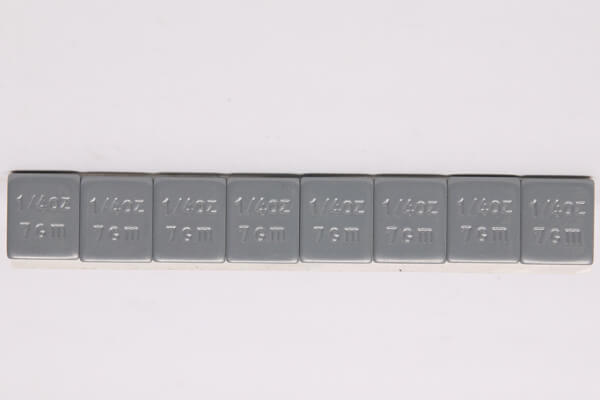
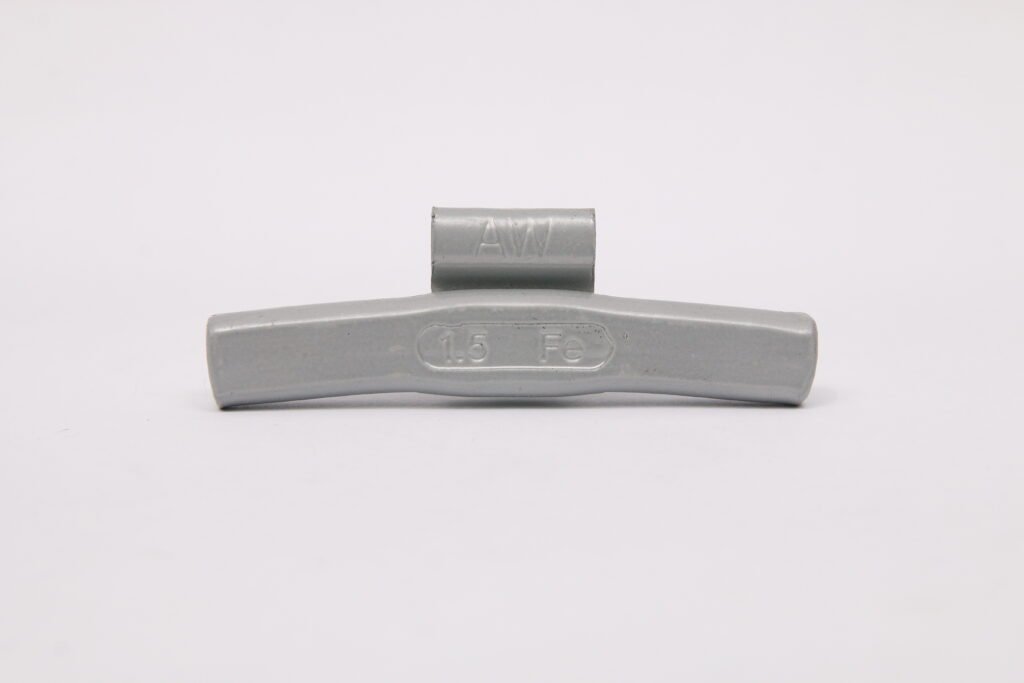
Lead wheel weights have recycling value. Scrap metal yards purchase these items; currently, the average buyback price in the United States is $0.08 per pound.
Many hobbyists are often able to acquire them at prices lower than those offered by scrap yards. Approximately 18% of U.S. states have enacted laws restricting or banning these types of counterweights. Before selling or recycling them, please ensure you handle them safely and consult relevant local regulations.
Key Takeaways
- Lead wheel weights can be sold for cash at scrap metal yards, fetching an average price of approximately $0.08 to $0.15 per pound.
- Due to high demand for pure lead, hobbyists are often willing to pay a premium for lead weights, with prices ranging from $2.00 to $3.50 per pound.
- To maximize their value, keep the lead weights clean and sorted; before selling, be sure to remove any attached impurities, such as clips or adhesive tape.
- Be sure to consult local laws and regulations regarding lead wheel weights, as some states have imposed restrictions—or even outright bans—on the sale and use of these items.
- Exercise caution when handling lead products: always wear gloves and wash your hands thoroughly after contact, as lead can pose a health risk, particularly to children.
Lead Wheel Weights Value
Scrap Market Prices
You can sell lead weights for cash at most scrap metal yards. The specific selling price depends on current market conditions as well as the cleanliness of the weights you are recycling. Scrap yards typically purchase them at a rate of $0.10 to $0.15 per pound. Currently, the national average buying price for scrap lead is $0.26 per pound. This price is subject to weekly fluctuations.
When purchasing lead wheel weights, scrap yards focus on specific factors. You can review these key factors in the table below:
| Factor | Description |
|---|---|
| Contamination | Zinc or steel clips, adhesives, and oils can all reduce costs. |
| Preparation | Counterweights that have undergone cleaning and the removal of fixtures and tape often command a higher price. |
| Volume | Large and stable capital qualifies for more favorable interest rates. |
| LME Lead Price | The London Metal Exchange sets the benchmark prices for scrap lead. |
Lead wheel weights are valuable because they contain high-density lead alloys. This makes them easy to melt down and recycle. Manufacturers utilize this recycled lead in the production of batteries and for construction purposes. This steady demand helps to maintain price stability.
Hobbyist Demand
If you sell lead wheel weights to hobbyists, you can often command a higher price. Many bullet reloaders and anglers require these weights for their own crafting projects. They utilize these lead blocks to cast bullets or mold fishing sinkers. Hobbyists are typically willing to pay between $2.50 and $3.50 per pound. Occasionally, if you sell in bulk, you can still fetch a rate of around $2.00 per pound.
Why are hobbyists willing to pay a premium? The primary reasons are as follows:
- Tire shops typically have contracts with scrap metal dealers, making it difficult for hobbyists to easily acquire lead wheel weights.
- The last lead smelter in the United States closed its doors in 2013. Consequently, people must now rely entirely on recycled lead to meet their needs.
- Bullet casters and anglers require pure, soft-textured lead for their crafting processes. To secure this specific type of material, they are willing to pay a higher cost.
As is evident, lead wheel weights possess unique value—whether they are recycled as scrap metal or utilized for hobbyist crafting. By keeping the weights clean and selling them in bulk, you can secure the most favorable price.
Lead Wheel Weights Pricing Factors
Quantity And Purity
When selling lead wheel weights, the quantity you possess directly influences the final purchase price. If you bring only a small bag to a recycler, the per-pound rate you receive may be relatively low; however, if you have accumulated a large volume of weights, some buyers will offer a higher price per pound. Furthermore, weights that are clean—with minimal dirt or adhesive residue—can also command a higher price. You can consult the table below to view the specific purchase prices offered by various recyclers for different quantities of wheel weights.
| Recycler | Price per Pound | Notes |
|---|---|---|
| J.R.’s Advanced Recyclers | $0.50 | Clean lead pricing |
| $0.20 | Wheel weights and auto batteries pricing | |
| Merrillville Metal Recycling | Variable | Index-based pricing |
| Greener Recycling | $0.20-$0.40 | Typical range for lead scrap |
If you have a large supply of clean lead wheel weights on hand, consider negotiating for a better buyback price. For bulk quantities, some hobbyists are even willing to pay as much as $2.00 per pound. Before selling, be sure to sort out any mixed-in steel or zinc components. Pure lead commands a higher value because of its low melting point, making it ideal for casting purposes.
Tip: Be sure to clean your wheel weights and remove any attached clips or adhesive tape. Doing so will help you secure the best possible buyback price.
Condition And Location
The condition of your lead wheel weights (lead blocks) is of paramount importance. If the weights are contaminated with dirt or mixed with other metals, your potential recycling returns will be diminished. Please make every effort to keep the weights dry and to remove any surface oil or road grime. Buyers typically prefer weights that are easy to smelt and process.
Your geographic location also plays a role in determining value. Due to environmental concerns, several states have enacted outright bans on the use of lead wheel weights. If you happen to reside in a state where such a ban is in effect, you may find it difficult to sell them locally. In such cases, you may need to seek buyers in other states or utilize online platforms. Before attempting to sell or recycle your weights, be sure to consult your state’s specific regulations.
Tip: If mishandled, lead poses a hazard to the environment. Therefore, it is crucial to utilize legitimate recycling channels; under no circumstances should you simply discard wheel weights in your regular household trash.
By paying close attention to key factors—specifically quantity, purity, condition, and geographic location—you can maximize the recycling value of your lead wheel weights.
Selling Lead Wheel Weights
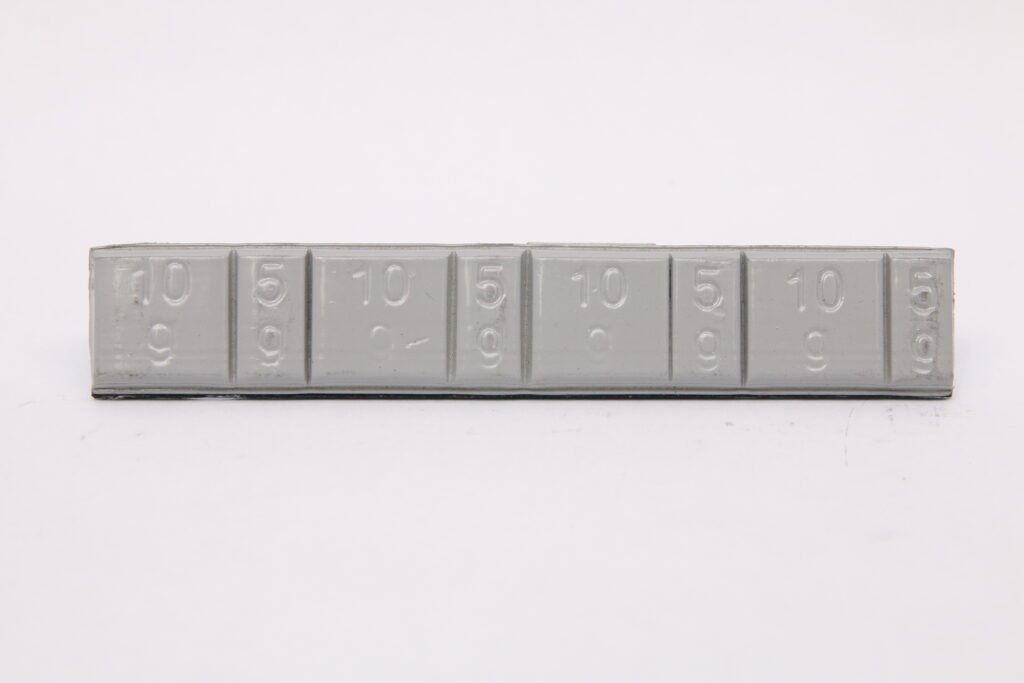
Scrap Yards
You can take lead wheel weights to a scrap metal recycling center. Scrap yards purchase various types of lead products and are happy to accept used wheel weights, as well as other lead items such as fishing sinkers and diving weights. The table below lists recycling centers that accept lead products:
| Type of Lead | Description |
|---|---|
| Scrap Lead | We purchase and sell various types of scrap lead, including used wheel weights. |
| Used Wheel Weights | This is a type of potential sales lead that people use for buying and selling. |
| Other Lead Products | This refers to flounder weights, diving weights, and lead materials used for fishing or crafting. |
Scrap metal yards operate under a set of mandatory rules and regulations. You are required to present identification and register the items you are selling. These facilities typically demand precise weight measurements and, in some instances, establish specific written guidelines regarding the types of scrap materials they accept. Furthermore, scrap yards must strictly adhere to laws and regulations governing the disposal of hazardous waste; they maintain meticulous records to demonstrate their compliance and commitment to environmental protection.
Tip: Before transporting lead wheel weights, be sure to consult with your local scrap yard to confirm their specific acceptance requirements.
Online Sales
You can also sell lead wheel weights online. eBay is an ideal platform for such transactions. Many sellers utilize the auction format to save on transaction fees. Additionally, some hobbyists search online for molds and lead materials to support their personal interests. Not only can you reach buyers from across the country, but you also have the freedom to set your own selling prices.
Tip: Before listing the wheel weights for sale online, be sure to clean and sort them first. Providing high-quality photos of the actual items, along with accurate and detailed product descriptions, will help you find buyers more quickly.
Hobbyist Buyers
Selling lead wheel weights to hobbyist communities is another effective strategy. Those who cast their own bullets require lead as a raw material; shooting enthusiasts and participants in various shooting competitions are also potential buyers. Joining online groups dedicated to bullet casting can help you connect with buyers specifically seeking clean, soft lead. As it becomes increasingly difficult for hobbyists to source lead, they often prefer to conduct business with trusted sellers.
You can locate these hobbyist communities on various online forums and social media platforms. Actively participate in discussions and post details regarding the lead you have for sale. Compared to scrap yards, these hobbyists are typically willing to pay a higher price—especially for pure lead materials.
Recycling is always preferable to outright disposal. It is crucial to remember that lead wheel weights must never be discarded as ordinary household waste. Disposing of them through sale or recycling not only prevents lead contamination from entering landfills but also contributes positively to environmental protection efforts.
Legal and Safety Tips for Lead Wheel Weights
State Regulations
Before selling or recycling lead wheel weights, you should first familiarize yourself with the laws and regulations in your state. Some states prohibit individuals from selling, manufacturing, or installing lead wheel weights. Violating these regulations can result in substantial fines—potentially up to $2,500 for each day of non-compliance. Furthermore, federal laws govern the proper handling and disposal of lead. The U.S. Environmental Protection Agency (EPA) oversees compliance with regulations established under the Toxic Substances Control Act, the Clean Air Act, the Clean Water Act, and the Resource Conservation and Recovery Act. These laws explicitly outline the procedures for the disposal, cleanup, and reporting of lead waste. To avoid legal repercussions, you must strictly adhere to all EPA regulations.
Tip: Be sure to consult your specific state and local laws and regulations. Some states—such as New Jersey—are actively working toward a complete ban on the use of lead wheel weights, with the aim of effectively safeguarding both public health and the environment.
If lead wheel weights are not removed prior to shredding, lead may become mixed with the scrap metal. This results in metal contamination and poses safety hazards.
Safe Handling
If handled improperly, lead-containing wheel weights can pose a risk to your health. The U.S. Environmental Protection Agency (EPA) is currently assessing the potential hazards associated with lead wheel weights. Individuals who work with lead, as well as children, are at risk of developing health issues as a result of exposure. Lead dust can drift indoors, potentially triggering long-term health problems. Children, in particular, face a heightened risk.
- Always wear gloves when handling lead-containing wheel weights.
- Thoroughly wash your hands after handling lead products.
- Store lead-containing wheel weights in a location inaccessible to children and pets.
- When moving heavy objects, utilize mechanical aids such as hand trucks or pallet jacks.
- Ensure that the wheels on your material-handling equipment are in good working condition.
- Wear shoes with non-slip soles to prevent slips and falls.
- When using stairs, carry lighter loads in multiple trips to avoid the risk of falling.
| Finding | Description |
|---|---|
| Lead Contamination | Each year, 23 to 26 metric tons of lead enter New Jersey’s environment due to the wear of wheel weights. |
| Health Risks | Lead in soil and water can impair children’s cognitive abilities and growth and development. |
| Legislative Action | New Jersey plans to ban the use of lead-based wheel weights to protect the environment and safeguard public health. |
Caution: Lead can cause irreversible health problems. Please be sure to recycle lead wheel weights; never dispose of them as ordinary waste.
You can earn money by selling or recycling lead wheel weights—especially if you clean and sort them beforehand. Properly processed weights can fetch a price of $0.40 to $0.50 per pound. To ensure safety, always wear gloves and comply with local laws and regulations. Never dispose of lead products directly into standard trash bins; instead, take them to a recycling center that accepts such materials:
| Recycling Center | Services Offered |
|---|---|
| Arundel Recycling Company | Recycling lead wheel weights; offering pickup services and recycling containers. |
- Please check the current prices before selling.
- Have your items weighed to secure the best possible price.
- Choose responsible recycling methods to protect your community.
FAQ
What are lead wheel weights used for?
People use lead wheel weights to balance car tires; these weights help ensure that a vehicle rides smoothly and steadily. Additionally, many people melt them down to create fishing sinkers or cast bullets.
Can you throw lead wheel weights in the trash?
No, you should never dispose of lead wheel weights as ordinary waste. Lead poses a hazard to the environment. It is essential to take them to a certified recycling facility for proper processing or to sell them.
How do you clean lead wheel weights before selling?
- Remove any attached adhesive tape or clips.
- Wipe away surface dirt and oil residue.
- Sort out any steel or zinc components that may be mixed in.
Cleaned wheel weights typically fetch a better price.
Are there safer alternatives to lead wheel weights?
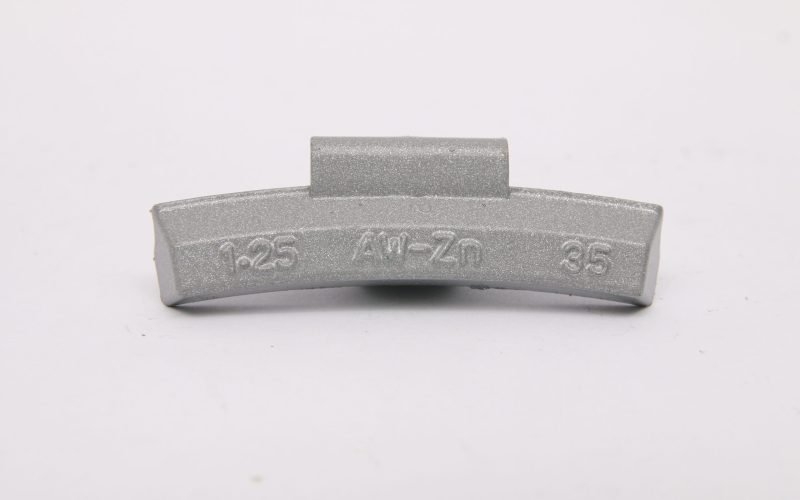
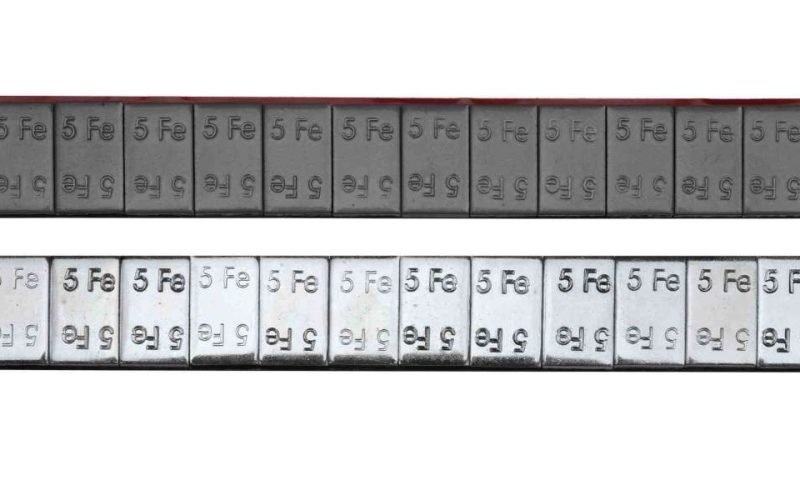
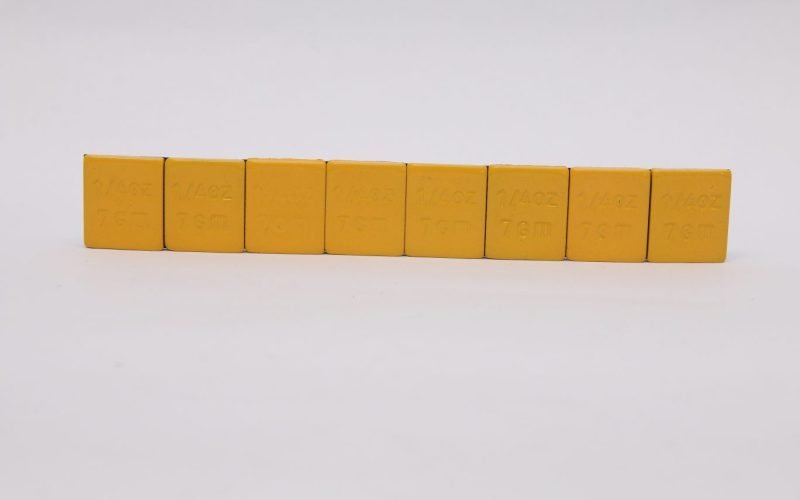
Yes! Nowadays, many repair shops have begun using wheel weights made from steel, zinc, or composite materials. These materials are lead-free and are safer for both human health and the environment.
 Request a quote