 05Apr
05Apr 

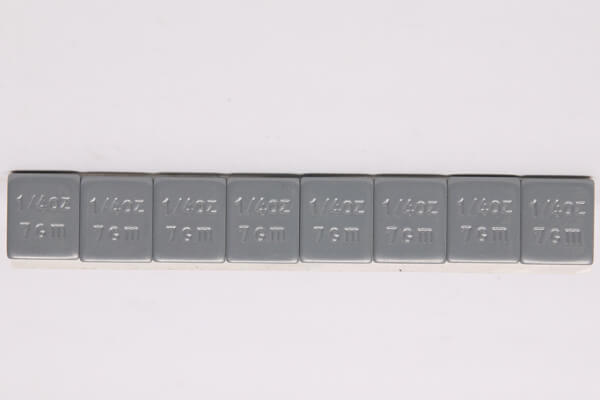
No, the U.S. Environmental Protection Agency (EPA) is not currently banning the use of lead wheel weights. The primary reasons for this are that the risk of exposure is low, and the use of lead weights has been steadily declining. Many states have already enacted regulations regarding this matter; for instance, California, Illinois, Maine, Maryland, Minnesota, New Jersey, New York, Washington, and Vermont have all banned the use of such weights.
You contribute by making safer choices, while also adapting to new changes within the industry.
Key Takeaways
- The EPA does not currently ban lead-based wheel weights, citing relatively low risk and existing state-level regulations.
- Nine U.S. states have implemented bans to better protect public health and the environment.
- Lead exposure can cause serious health issues, especially in children, making safer alternatives essential.
- Steel, zinc, and composite wheel weights are widely available and increasingly adopted by manufacturers.
- Understanding your state’s regulations and choosing lead-free options helps support environmental protection.
EPA and Lead Wheel Weights
EPA’s Current Position
You may be wondering what stance the U.S. Environmental Protection Agency (EPA) takes regarding lead wheel weights. The EPA has decided not to implement nationwide regulations on such weights. Its official position is outlined in the table below:
| Evidence Summary | Details |
|---|---|
| EPA’s Decision | The U.S. EPA currently does not regulate lead-containing wheel weights. They consider the associated risks to be low. |
| Basis for Decision | They reviewed relevant information and studies and found no significant hazards to health or the environment. |
| Public Input | The U.S. EPA received 128 comments during the public comment period but found no new data sufficient to alter its decision. |
The U.S. Environmental Protection Agency (EPA) reviewed a substantial volume of comments and reports and determined that the risks posed by these wheel weights are not as high as some have imagined. The EPA concludes that the use of lead wheel weights does not pose a serious risk to human health or the natural environment.
Reasons for No Federal Ban
You might ask: If that is the case, why hasn’t the U.S. Environmental Protection Agency (EPA) issued a comprehensive ban on the use of lead wheel weights? In response, the EPA states that the likelihood of human exposure to lead resulting from these weights has decreased compared to the past. Furthermore, they believe that existing regulations are sufficient to effectively manage the associated risks. Over the past decade, the use of lead wheel weights has been on a downward trend; today, many automakers have transitioned to using alternative materials to replace lead.
The EPA has explicitly stated that it will not impose regulations on the manufacture, use, or sale of lead wheel weights. The agency notes that the risk of lead exposure posed by these weights is negligible. Moreover, the vast majority of automakers have now switched to using alternative materials. The Alliance for Automotive Innovation—which represents approximately 95% of new vehicle sales in the United States—has also confirmed that new vehicles currently being produced no longer utilize lead wheel weights.
Today, the vast majority of new vehicles are no longer equipped with lead wheel weights. This shift has resulted in a further reduction of the associated risks.
State-Level Bans
Although the U.S. Environmental Protection Agency (EPA) has not yet implemented a nationwide ban, several states have enacted their own specific regulations regarding this issue. These states aim to protect both the public and the environment from the hazards of lead contamination. The following provides specific details regarding these state-level bans:
- Currently, nine states have established regulations specifically targeting lead-based wheel weights. These regulations primarily govern the sale, use, and installation of such weights.
If you reside in one of these states, you may find that local auto repair shops no longer offer lead-based wheel weights. These state-level regulations indicate that some local policymakers believe it is necessary to implement protective measures that are more stringent than those currently mandated by the EPA.
Various organizations dedicated to public health have also expressed deep concern regarding lead-based wheel weights. They point out that lead exposure can trigger serious health issues, including neurological damage, cancer, and kidney disease. Children, in particular, face a heightened risk—especially those who frequently play near roadways—as dislodged wheel weights can break down into dust, posing a direct threat to their health. This lead-laden dust can subsequently become airborne or leach into water sources, thereby further exacerbating the associated hazards.
Note: It is recommended that you familiarize yourself with the specific regulations in your state and stay informed about relevant health updates. Many individuals are actively working to advocate for safer roadways and to foster cleaner air quality for everyone.Risks of Lead Wheel Weights
Environmental Impact
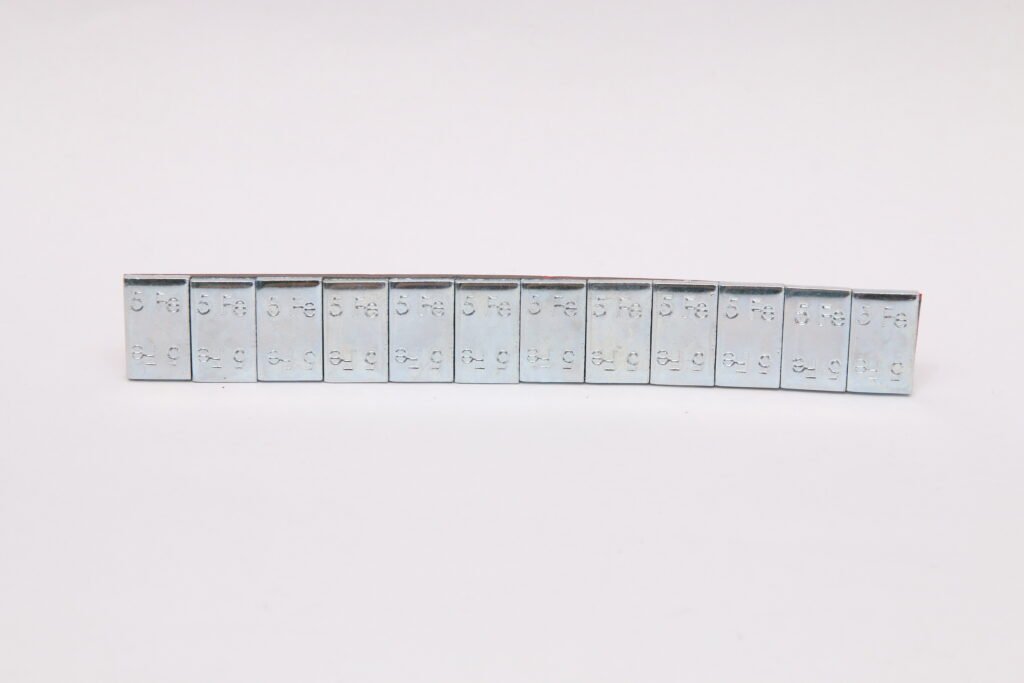
You may not even notice their presence, yet lead wheel weights pose a potentially serious threat to the environment. When these weights detach from vehicles, they often end up scattered across roadways or embedded in the soil. Over time, the combined effects of rainfall runoff and vehicular traffic cause them to break down into tiny fragments. These fragments may subsequently be carried by water currents into rivers and streams, thereby dispersing lead across vast areas far removed from its original source.
The table below presents key findings derived from expert studies investigating the lead content of wheel weights found within the United States:
| Evidence Type | Description |
|---|---|
| Lead Deposition | On U.S. roadways, approximately 2,000 metric tons of lead from wheel weights are lost annually. |
| NJDEP Estimates | Early estimates were significantly lower than the actual figures, indicating errors in the initial research. |
| Abrasion Rate | The wheel balance weight loses approximately 34.4% of its weight, with a daily wear rate of 5.2%. |
| USGS Findings | In 2003, the U.S. Geological Survey (USGS) also found that 2,000 metric tons of lead had been lost onto roadways. |
Health Concerns
Lead is not only harmful to the environment but also detrimental to your health. If you come into contact with lead-containing dust or soil, you, your family, and your community could all face health risks.
Lead exposure can have devastating effects on human health and is particularly harmful to children during their critical stages of growth and development. Workers and other individuals—including children—may be harmed by exposure to lead released during the manufacturing, processing, distribution, use, or disposal of such wheel weights. Furthermore, people may suffer lead exposure when lead-containing dust generated by these products is tracked into homes or other indoor environments. Lead exposure can result in irreversible, lifelong health damage.
Various public health organizations have voiced strong opposition to lead-containing wheel weights. Their primary concern centers on children, as even minute amounts of lead are sufficient to cause illness in them. The following are the perspectives of some of these organizations:
| Evidence Type | Description |
|---|---|
| Advocacy Position | Groups like Earthjustice want to halt the use of lead wheel weights due to the health risks they pose. |
| Legislative Support | Legislators in several states are attempting to pass legislation to phase out lead wheel weights. |
| Health Risks | Exposure to lead can lead to serious health problems, including learning disabilities in children. |
| State Actions | Several U.S. states and the entirety of Europe have banned the use of lead wheel weights, signaling an increasingly widespread consensus on the matter. |
| Community Engagement | Young people have met with lawmakers to call for the implementation of a ban, demonstrating the community’s high level of concern regarding this issue. |
By understanding these risks and choosing safer options, you can help protect your own health and the environment.
Alternatives to Lead Wheel Weights
Non-Lead Options
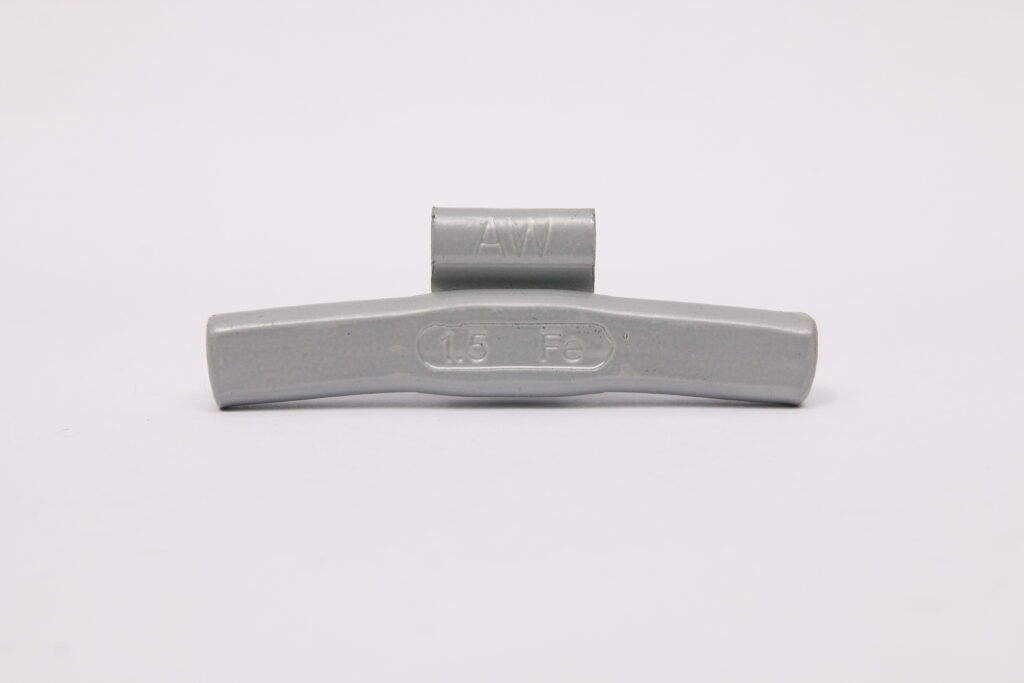
If you wish to avoid using lead-based wheel weights, you have several options. Nowadays, most repair shops and automakers have switched to using safer materials. Here are some of the most common lead-free alternatives:
- Steel
- Zinc
- Composite Materials
Steel weights are sturdy, durable, and readily available; zinc weights offer excellent balancing performance and rust-resistant properties; while composite materials are made from a blend of plastic and metal. Choosing these materials not only helps ensure your driving safety but also contributes to protecting the environment.
You can compare these materials using the table below:
| Material | Density (g/cm³) | Cost Comparison | Performance Characteristics |
|---|---|---|---|
| Lead | 11.34 | Cost-efficient | Mature production, effective balancing solutions |
| Zinc | 7.14 | 15-25% premium | Strong balancing performance, corrosion resistance |
| Steel | N/A | N/A | Durable, widely available |
| Composite | N/A | N/A | Lightweight, flexible design |
As you can see, while zinc and composite counterweights may be more expensive than their lead counterparts, they offer superior performance and safety.
Industry Adoption
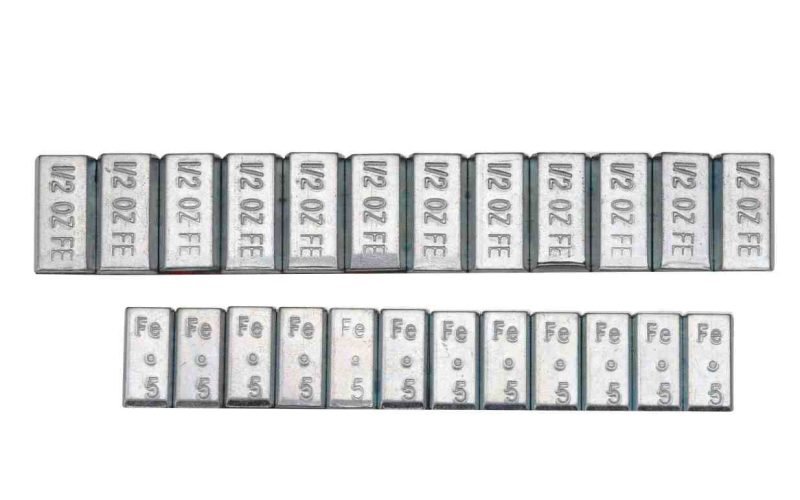
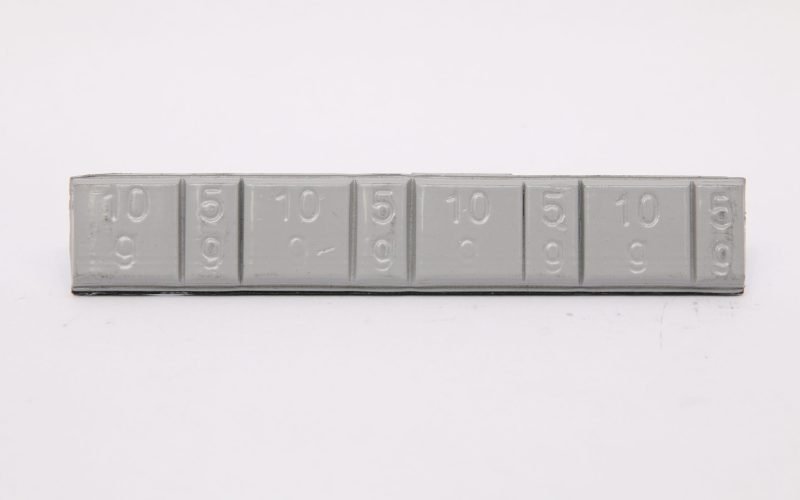
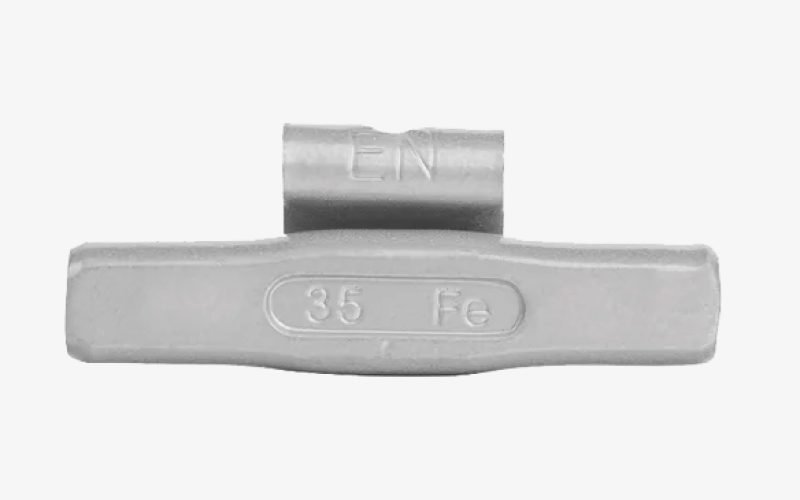
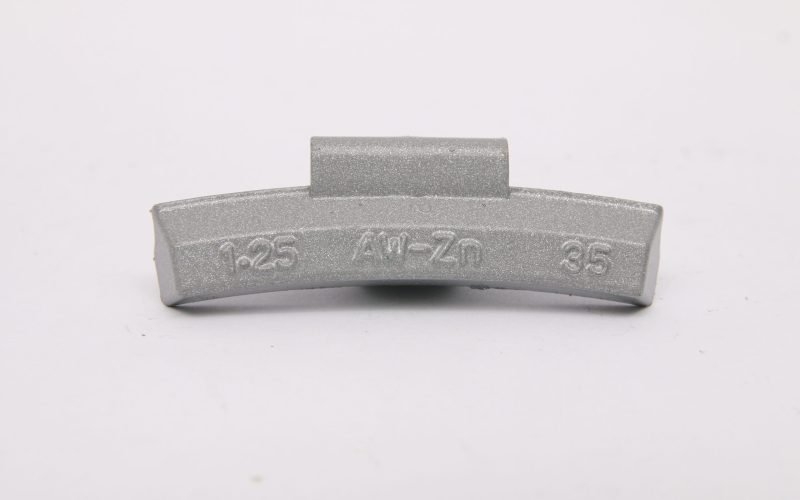
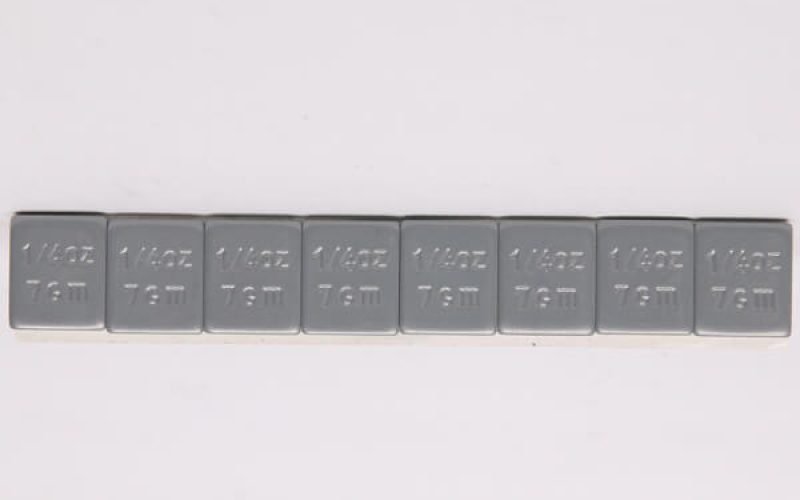
As you may have noticed, many companies today are utilizing non-lead wheel weights. With its comprehensive range of lead-free products, Fortune Wheel Weights stands at the forefront of this field. These weights are available in two styles—adhesive (stick-on) and clip-on—allowing you to select the type best suited to the specific characteristics of your vehicle’s wheels.
- Adhesive weights attach to the inner surface of the wheel. They are an ideal choice for alloy wheels, offering a clean and aesthetically pleasing appearance. Furthermore, you need not worry about these weights scratching the wheel’s finish.
- Clip-on weights, conversely, secure directly to the rim flange. They are exceptionally easy to install and remove; consequently, many repair shops opt for this style to facilitate rapid service delivery.
Fortune subjects all its wheel weights to rigorous testing for both structural strength and corrosion resistance. As a result, you receive a durable product capable of maintaining optimal performance even under harsh weather conditions. If you wish to contribute to environmental protection while adhering to the latest regulatory standards, Fortune’s lead-free product line represents the ideal solution.
While the transition to non-lead weights may entail slightly higher initial costs—as some businesses face increased procurement expenses due to rising prices for zinc and composite materials, alongside the need to adjust manufacturing and shipping protocols—an ever-growing number of repair shops and vehicle owners are choosing these safer, more eco-friendly products each year.
Quick Tip: The next time you have your tires replaced, consider asking your technician about the available options for non-lead wheel weights. Doing so not only helps ensure your driving safety but also contributes to the creation of a cleaner, healthier world.
Industry Impact and Future of Lead Wheel Weights
Effects on Manufacturers
Due to the implementation of new regulations, the automotive industry is undergoing significant changes. Auto manufacturers and repair shops must now comply with state-specific laws regarding the use of lead wheel weights. While some states have explicitly banned the use of such weights, others still permit them. This means it is essential for you to understand and adhere to the specific regulations applicable in your region.
Today, automotive manufacturers are opting for safer materials in their products. Companies like Fortune Wheel Weights are at the forefront of this transformative trend. They offer a wide range of lead-free alternatives, including products made from steel, zinc, and composite materials. These alternatives not only help you avoid legal liabilities but also serve to effectively protect the natural environment.
- Steel wheel weights contain no harmful metal components and are resistant to rust.
- Both zinc and composite wheel weights meet rigorous safety standards.
- Fortune subjects all its products to strict testing to ensure their long-term durability.
These changes mean that your vehicle can now be equipped with components that are both safer and more robust.
Regulatory Trends
You should pay attention to new regulations regarding lead wheel weights. Each year, an increasing number of states are enacting laws to ban or restrict the use of such weights. The table below lists several examples:
| State | Regulation Description | Year Enacted |
|---|---|---|
| California | The sale of new passenger vehicles equipped with lead wheel weights is prohibited. | 2009 |
| Washington | For environmental reasons, the sale and installation of lead-based wheel weights are prohibited. | 2009 |
| Nine States | A ban has been enacted prohibiting the sale, distribution, and/or use of lead-containing wheel weights. | Various |
Automakers must keep pace with these new regulations. Today, many companies have transitioned to using steel wheel weights. Steel is easily recyclable and more environmentally friendly. Furthermore, Canada has also enacted regulations mandating the use of safer materials.
Tip: Keep a close watch on new regulatory developments in your state. Consider asking your auto repair shop to confirm whether they use lead-free wheel weights. Doing so helps you make informed choices—both for your vehicle and for the planet.
In the future, more states are likely to follow suit and enact bans on lead-based wheel weights. Please stay informed by monitoring updates from the U.S. Environmental Protection Agency (EPA) and your local government agencies. By choosing lead-free products, you contribute to building a cleaner and safer community.
Consequently, it is evident that the U.S. Environmental Protection Agency (EPA) will not, for the time being, ban the use of lead-based wheel weights. The EPA has stated that the risks posed by lead weights are extremely low. Furthermore, they did not receive any new, relevant information through the public comment process. Currently, numerous alternatives to lead—specifically steel and zinc weights—are already available on the market.
- There is a growing desire to opt for materials that are more environmentally friendly.
- Major corporations are also investing capital to focus on the production of safer products.
- Regulations governing such weights are becoming increasingly stringent.
| Argument Type | Details |
|---|---|
| For | Lead wheel weights are inexpensive and effective for tire balancing. |
| Against | They may harm the environment and human health, especially that of children. |
Please stay informed about the regulations in your state and country. Please choose lead-free balance weights to help ensure everyone’s safety.
FAQ
What are lead wheel weights?
You use lead wheel weights to balance your car tires. These small pieces of metal help ensure that the tires wear evenly and keep the ride smooth. Nowadays, many repair shops offer safer, lead-free alternatives.
Why do some states ban lead wheel weights?
States have implemented these bans because lead poses risks to both human health and the environment. Their aim is to mitigate the risks associated with lead dust and soil contamination. These regulations help safeguard your health and the natural environment.
Are there safe alternatives to lead wheel weights?
You can choose balance weights made of steel, zinc, or composite materials. These materials offer excellent performance and are free of lead, which is harmful to human health. Today, many automotive manufacturers and repair shops have adopted these safer alternatives.
How do I know if my car uses lead wheel weights?
You may consult your technician or review the vehicle’s maintenance records. Some balance weights bear markings indicating their material composition. If you wish to replace them, please specify a non-lead option.
Do lead wheel weights affect my car’s performance?
By using non-lead wheel weights, you can achieve the same ideal tire balancing results. Your vehicle will maintain excellent handling and deliver a smooth driving experience. Opting for safer materials will not alter your driving sensation.
 Request a quote