What is the difference between rubber and metal tire valves?
 20Mar
20Mar 

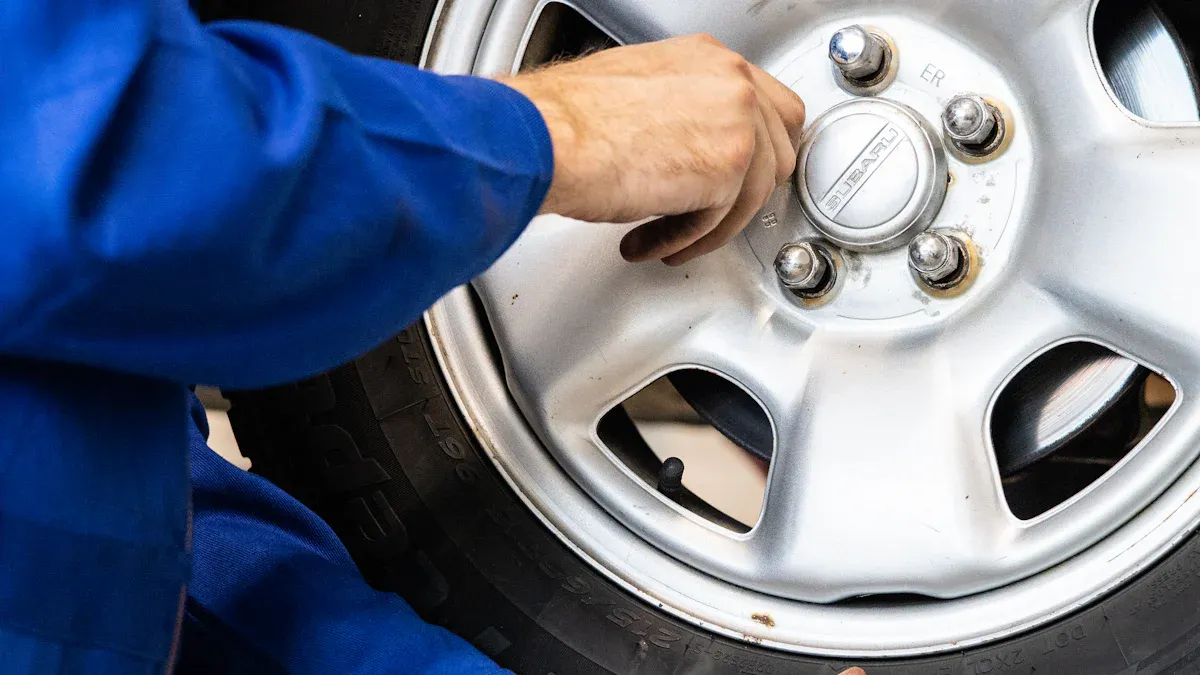
You upgraded your vehicle with a new set of aftermarket wheels. These wheels are often thicker at the mounting hub compared to your factory set. This added thickness reduces the amount of wheel stud available for a standard lug nut to grip. Your stock lug nuts may no longer be long enough to secure the wheel properly.
Note: To achieve safe thread engagement, you need long lug nuts. This ensures your wheel is firmly attached, preventing a dangerous situation on the road.
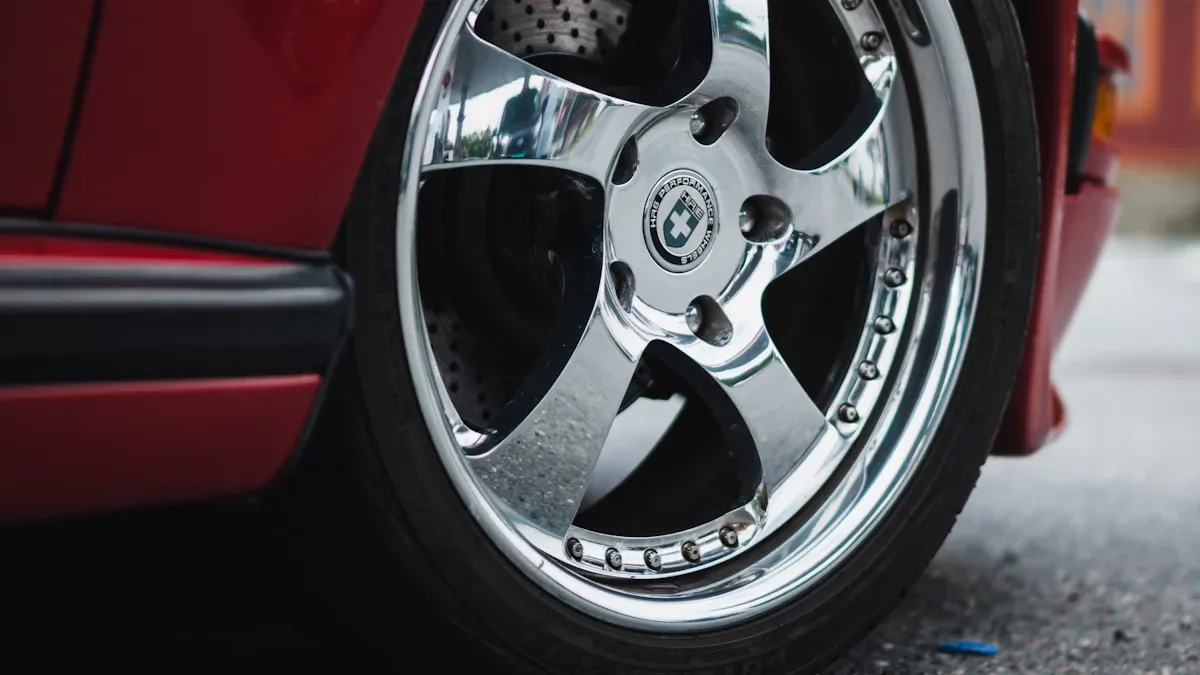
You might think your original lug nuts will work just fine on your new wheels. They seem to tighten, and the wheel feels secure. This assumption is a dangerous gamble. Your factory-issued hardware was designed for the exact thickness and specifications of your factory wheels, not the new set you just installed.
Believing a few turns of the lug nut are “good enough” is a common and critical mistake. This mindset overlooks the precise engineering required to keep a multi-thousand-pound vehicle’s wheels attached at highway speeds. Relying on a “good enough” fit can lead to severe mechanical failures.
Common issues that arise from improper fitment include:
Thread engagement is the amount of contact between the threads on your wheel stud and the threads inside your lug nut. For a wheel to be secure, you need enough engagement to create the necessary clamping force that holds the wheel tightly against the hub.
A core safety rule is simple: The depth of thread engagement must be at least equal to the stud’s diameter.
What does this mean in practice?
| Stud Diameter | Minimum Thread Engagement |
|---|---|
| 12mm | 12mm of engaged threads |
| 14mm | 14mm of engaged threads |
| 1/2 inch | 1/2 inch of engaged threads |
This minimum ensures the connection is strong enough to handle the immense forces a wheel experiences while you drive. If a lug nut is too short, it cannot achieve this clamping load, no matter how much you tighten it. Using proper long lug nuts is the only way to guarantee you meet this essential safety requirement.
The primary reason your stock lug nuts become unsafe is the increased thickness of aftermarket wheels. The mounting pad—the part of the wheel that sits flat against your vehicle’s hub—is often much thicker than on your original wheels.
This extra metal reduces the length of the wheel stud that pokes through the wheel. Less available stud means fewer threads for your lug nut to grab. For instance, some owners report getting only 4 to 5 turns of engagement after installing popular aftermarket wheels. This is far below the safe minimum. Each lost turn of engagement dramatically weakens the connection, putting you at risk of stripped threads, damaged studs, and the catastrophic failure of a wheel coming off while you are driving.
Using lug nuts that are too short creates a false sense of security. You might think the wheel is tight, but insufficient thread engagement introduces severe risks every time you drive. These dangers range from expensive repairs to life-threatening accidents.
When you don’t have enough thread engagement, you put immense stress on a very small area. The first few threads of a nut and bolt connection carry most of the load. In fact, the force becomes almost negligible by the fourth thread. If your stock lug nuts only grab onto three or four threads, those few threads are responsible for holding your entire wheel on.
This extreme concentration of force can easily cause the threads to deform and strip. When insufficient threads are engaged, the connection’s ability to generate a strong clamping force is extremely low. This makes it easy for the lug nut to pull right off the stud, destroying the threads on both parts in the process.
A stripped stud isn’t just an inconvenience; it’s a costly repair. While a single wheel stud is inexpensive, the labor drives up the final price.
| Part | Example Vehicle | Estimated Part Cost |
|---|---|---|
| Wheel Stud | 2015 Honda Accord | $2.49 |
| Wheel Stud | 2012 Ford Escape | $6.24 |
| Wheel Stud | 2015 Ford F-150 | $12.49 |
Replacing a wheel stud can cost you anywhere from $55 to $400. Labor typically takes between 30 minutes and 2 hours, and several factors can increase the time and cost:
A wheel doesn’t just fall off instantly. It’s a gradual process that begins the moment you drive with improperly secured lug nuts. Road vibrations and subtle movements constantly work against the low clamping force. This persistent rocking motion causes the lug nuts to slowly back off, a process sometimes called ‘creep’.
Warning Signs of a Loose Wheel ⚠️ Your vehicle will often give you warning signs before a wheel detaches. Pay immediate attention if you notice:
- A shaking or vibrating feeling in your steering wheel.
- Clunking, rattling, or clicking noises coming from the wheel area.
- Uneven or unusual wear patterns on your tires.
Ignoring these signs can have devastating consequences. News reports are filled with tragic examples of wheel detachments. In one incident on I-476 in Pennsylvania, a tire came off a truck, flew into oncoming traffic, and crushed the roof of an SUV, seriously injuring two people. In another case in Illinois, a 16-year-old driver crashed into a fence and trees while swerving to avoid a detached wheel that had rolled into the road. These are not freak accidents; they are preventable failures.
You might believe that as long as your torque wrench clicks, your wheels are safe. This is a dangerous misunderstanding of how wheel hardware works. A torque wrench measures rotational force, but what truly secures your wheel is clamping force—the immense pressure that holds the wheel against the hub.
Rotational torque is simply the method you use to stretch the wheel stud and create that clamping force. The problem is, if you don’t have enough thread engagement, you cannot achieve the necessary clamping force, no matter what your torque wrench reads. The wrench may click at the correct value, but the connection is weak and unsafe because only a few threads are bearing the entire load. Using proper long lug nuts is the only way to ensure your torque reading translates into correct and safe clamping force.
This situation is made worse by other factors. For example, if you lubricate threads that were designed for a dry torque specification, you can easily overstretch and damage the stud even with a “correct” torque reading. A torque specification is only valid under the right conditions, and proper thread engagement is the most important condition of all.
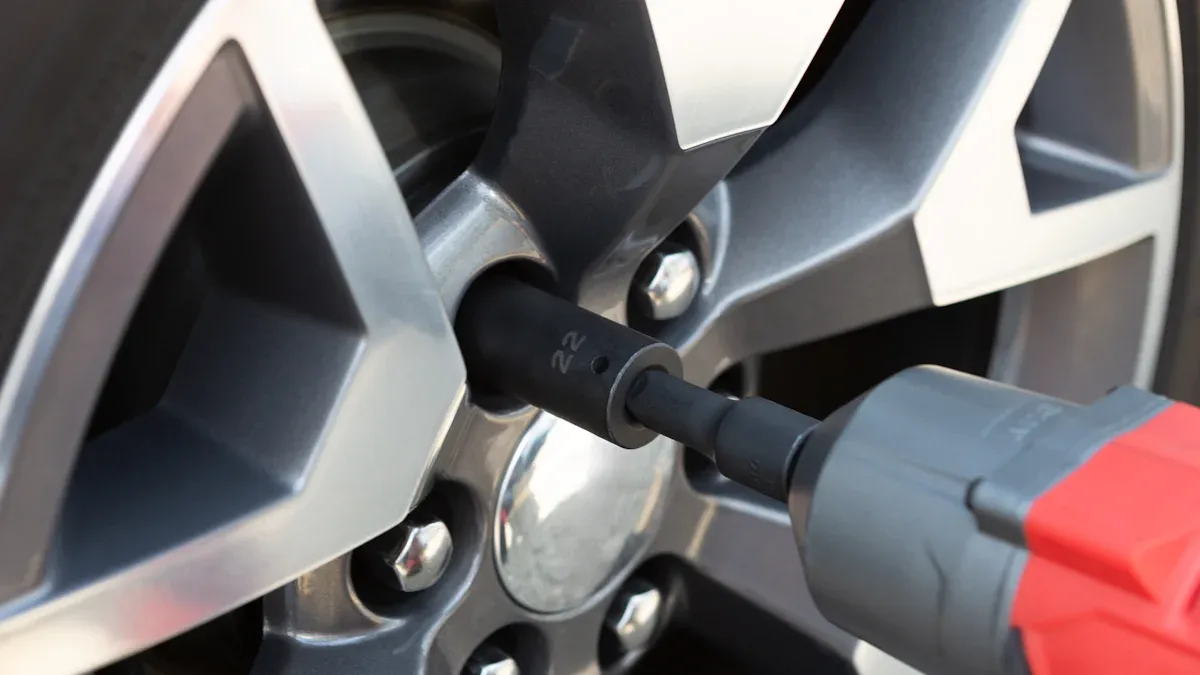
Choosing the right hardware is just as important as choosing your new wheels. You must match the lug nuts to your vehicle and wheels to ensure a safe installation. This process involves checking three key specifications: thread pitch, seat type, and length.
Your vehicle’s wheel studs have a specific thread pitch. You must select a lug nut with the same pitch. Thread pitch is a measurement of the stud’s diameter and the distance between threads. It is written as diameter x pitch (e.g., 12mm x 1.5).
Tip: You can often find your vehicle’s thread pitch in your owner’s manual or online. Common sizes for popular manufacturers include:
- Honda: 12mm x 1.5
- Toyota: 12mm x 1.5
- Ford: 14mm x 1.5
If you are unsure, you can measure it yourself.
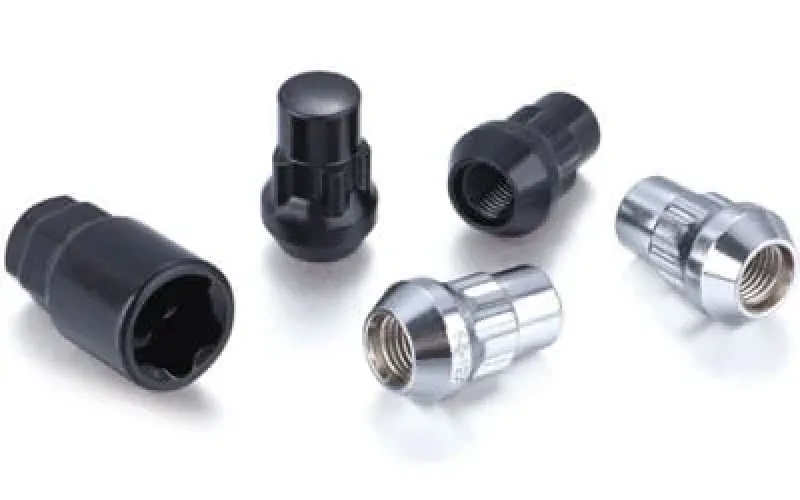
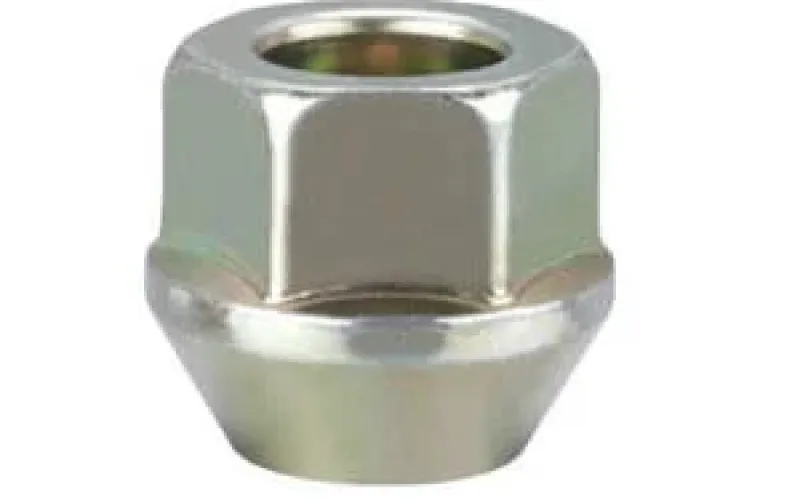
The “seat” is the area where the lug nut makes contact with the wheel. Using the wrong seat type creates a tiny contact point, which prevents the nut from securing the wheel properly. Most aftermarket wheels use a conical seat, but you must always check.
| Seat Type | Visual Identifier |
|---|---|
| Conical (Acorn) | Tapered, 60-degree cone shape |
| Ball (Radius) | Rounded, ball-shaped end |
| Shank/Mag | Flat washer with a cylindrical shank |
A conical seat has a tapered cone shape. A ball seat, common on some European cars like BMW, has a rounded end. A shank or mag style nut uses a straight shank that fits into the wheel, with a flat washer that sits against the wheel surface. Never use a conical nut on a wheel designed for a ball seat, or vice versa.
Finally, you must determine the correct lug nut size for your new, thicker wheels. The goal is to achieve thread engagement equal to or greater than the stud’s diameter. Aftermarket wheels reduce the available stud length, making long lug nuts a necessity. To find the correct lug nut size, measure the thickness of your new wheel’s mounting pad and add the required thread engagement length. This total gives you the minimum length your new hardware needs to be.
You now know why you need long lug nuts, but not all hardware is created equal. The quality of your lug nuts is a critical safety feature. Choosing a high-quality part ensures your wheels stay securely attached, while a low-quality nut can fail without warning.
Your lug nuts must withstand immense forces. Manufacturers use high-strength steel to ensure they do not stretch, crack, or fail under load. The strength of a fastener is rated using specific standards.
Did You Know? Automotive fasteners follow international strength standards. Higher property classes mean stronger steel.
Property Class Strength Level Comparable Standard Class 8.8 Medium strength SAE J429 Grade 5 Class 10.9 High strength SAE J429 Grade 8
The material itself also determines strength. For example, Grade 8 steel and titanium are popular for high-performance applications because of their impressive durability.
| Material | Hardness | Tensile Strength (psi) |
|---|---|---|
| Grade 8 Steel | Very Hard | 150,000 (minimum) |
| Titanium | N/A | 180,000 (nominal) |
Finally, quality lug nuts have protective coatings. A coating like Dacromet prevents rust and corrosion without causing hydrogen embrittlement, a dangerous condition where steel becomes brittle.
A trusted manufacturer guarantees quality through rigorous testing. Companies like Fortune monitor every step of production to ensure each lug nut meets strict safety standards. They never use inferior materials and perform extensive quality control checks.
These tests confirm the lug nut’s strength and integrity:
You may find cheap lug nuts online, but these parts often come with a hidden cost. Counterfeit and low-quality hardware can put you in serious danger. These manufacturers cut corners by using weak materials and skipping essential safety tests. A poorly made lug nut can strip, crack, or break, leading to catastrophic wheel failure. Always purchase your hardware from a reputable source to protect yourself, your passengers, and your vehicle.
Your new aftermarket wheels are thicker than your factory set. This makes long lug nuts a safety necessity, not an optional upgrade. Using the correct hardware from a quality manufacturer like Fortune prevents stripped threads and false torque readings. It also eliminates the catastrophic risk of a wheel detaching while you drive.
Always remember that a proper lug nut installation is the final, critical step to guarantee your wheels are secure. Match your hardware to your wheels for a safe ride every time.
You should not reuse your stock lug nuts. Aftermarket wheels are often thicker, so your old nuts will be too short. This prevents safe thread engagement and creates a serious risk of the wheel loosening while you drive.
Using the wrong seat type creates a dangerously small contact point between the nut and the wheel. This prevents the nut from achieving proper clamping force. Your wheel will not be secure and can easily work its way loose.
No, they are a critical safety requirement. Thicker aftermarket wheels reduce the available stud length. You need long lug nuts to achieve the minimum thread engagement necessary to safely clamp the wheel to your vehicle’s hub.
Your vehicle will give you warning signs. You should stop and check your wheels immediately if you notice any of these issues:
- A shaking or vibrating steering wheel.
- Clunking or rattling sounds from the wheel area.
- Uneven or strange tire wear.
 Request a quote