 04Feb
04Feb 


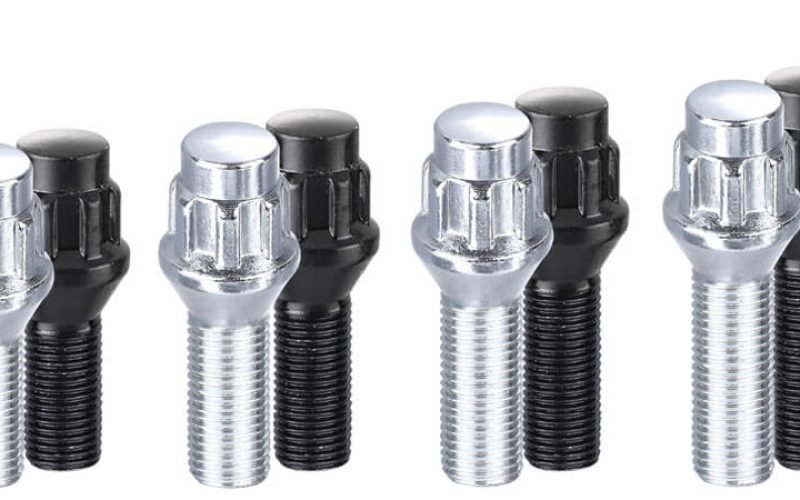
Protecting your vehicle from wheel theft is crucial. The loss of your wheels can be both expensive and frustrating. Our wheel lug nut locks are designed to replace one standard lug nut on each wheel, offering a simple yet essential upgrade in protection. These quality wheel lug nut locks utilize a unique locking pattern, adding a powerful layer of security. This makes it significantly more difficult for thieves to steal your valuable wheels and tires.
Note: The High Cost of Wheel Theft 🚗 Your out-of-pocket cost to replace stolen wheels can be significant, even after insurance. | Item | Cost/Value | |—|—| | New tires | $2,600.00 | | Depreciation (2 years, 15%) | -$721.50 | | Actual Cash Value (ACV) | $1,878.50 | | Deductible | -$500.00 | | Your reimbursement | $1,378.50 | | Cost for new wheels (after reimbursement) | $1,221.00 |
Why Thieves Target Your Wheels
You might wonder why thieves go through the trouble of stealing wheels. The reasons are simple: high profits and low risk. Understanding these motivations is the first step to protect your investment. Taking action to prevent wheel theft is a smart move for any car owner.
The High Value of Rims and Tires
Your wheels are one of the most valuable and accessible parts of your vehicle. Factory-installed alloy rims and high-performance tires can cost thousands of dollars to replace. This high value makes them a prime target for theft. Certain models are especially at risk due to their popularity and style.
- Honda Civics and Accords are often targeted because their wheels are popular with car enthusiasts.
- Kia vehicles with upgraded trim packages attract thieves with their sporty rim designs.
- Ford F-150s and Explorers have large, expensive wheels that are in high demand.
This makes the potential payout for a quick theft very appealing to criminals.
Easy Resale on the Black Market
Stolen wheels are surprisingly easy to sell. Thieves use online marketplaces and social media to move stolen goods quickly. They can post anonymous ads, arrange cash meetups, and disappear without a trace. The high demand for used rims and tires means there is always a buyer. This rapid resale market makes wheel theft a low-risk, high-reward crime.
Quick Tip: Thieves often operate in small, private networks on messaging apps, making it even harder to track stolen parts once a theft occurs.
The Speed of Standard Lug Nut Removal
A professional thief can remove a standard set of wheels in just a few minutes. Using a power impact wrench, they can take off standard lug nuts with incredible speed. They often work in teams late at night, lifting a car onto blocks and vanishing before anyone notices. This speed is a major factor that contributes to the frequency of this type of theft. Without locking lug nuts, your wheels are left vulnerable.
How Wheel Lug Nut Locks Provide Security
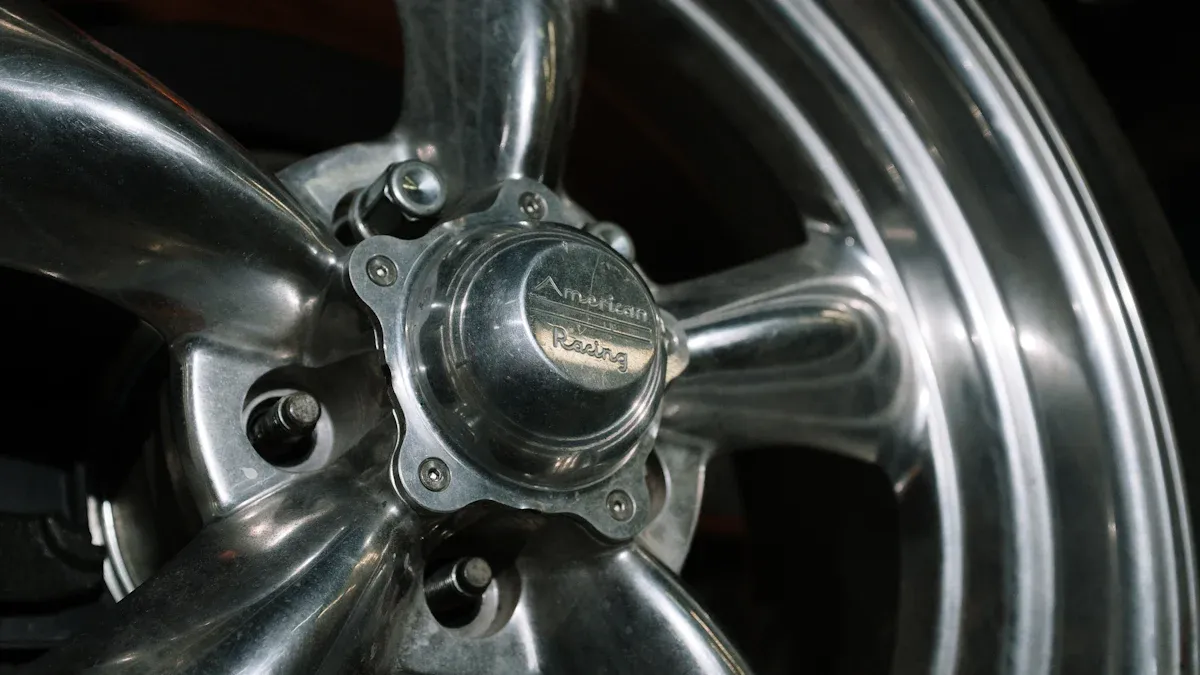
You can stop thieves in their tracks with a simple upgrade. Wheel lug nut locks work by creating a barrier that requires a special tool for removal. This added layer of security makes stealing your wheels a difficult and time-consuming task. You force criminals to abandon their attempt and search for an easier target.
The Unique Key and Pattern System
Locking wheel nuts replace one standard lug nut on each wheel with a uniquely designed nut. This system is the core of their security. A thief cannot use a standard wrench to remove these special locking nuts. The design makes tool duplication nearly impossible.
- Each set comes with a unique key that features a deep, complex pattern.
- Patented designs can have infinite key plates and patterns.
- This complexity means a thief cannot simply buy or create a tool to defeat the locking mechanism.
This intricate system provides powerful protection for your valuable wheels.
A Strong Visual Theft Deterrent
Experienced thieves can spot wheel locks from a distance. The sight of a non-standard, locking lug nut tells them your vehicle is not an easy target. This visual warning is often enough to prevent a theft attempt altogether.
Law enforcement agencies agree that visible security devices are highly effective. Thieves want to work quickly. They will often bypass a protected vehicle in favor of one without any visible security.
Adding locking wheel nuts sends a clear message to criminals: “Move on.”
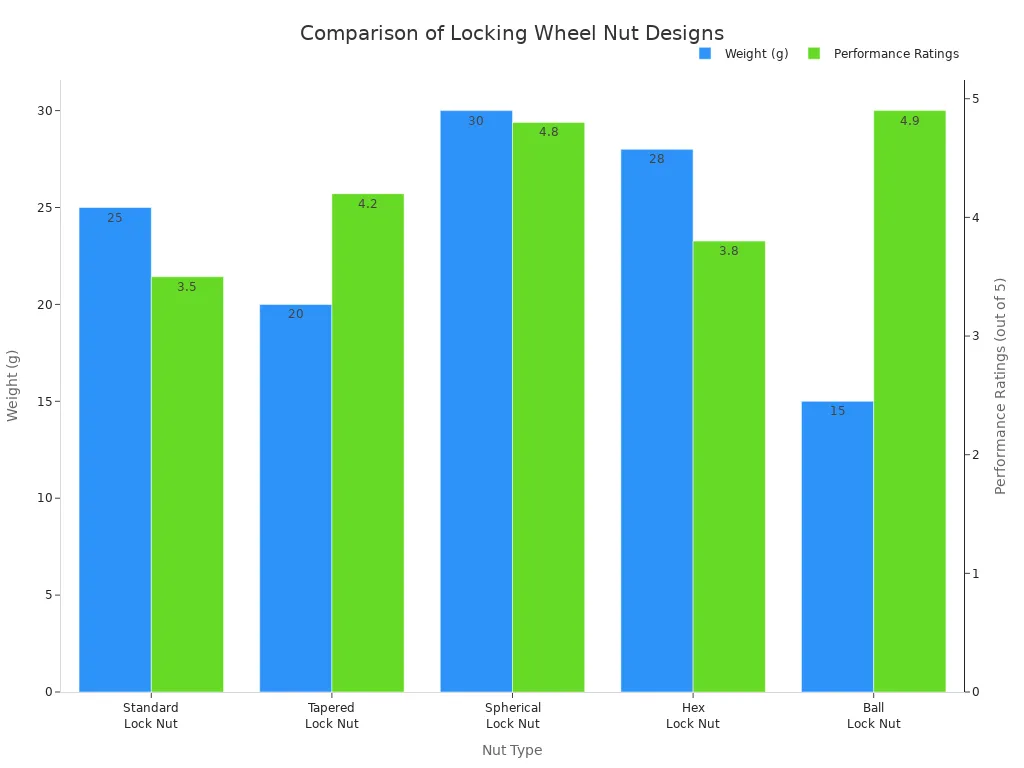
Common Types of Locking Wheel Nuts
You have several options when choosing locking wheel nuts. Each type offers a different level of security and design. Understanding these types helps you make the best choice for your vehicle.
- Standard Lock Nuts: These feature a unique external pattern that requires a matching key.
- Spline Drive Lock Nuts: This design uses a series of grooves (splines) for a secure locking fit.
- Tapered Lock Nuts: These create a very snug fit against the wheel, increasing security.
- Lock Nuts with a Rotating Collar: This advanced design has a free-spinning outer ring. It prevents thieves from gripping the nut with removal tools.
Choosing the Right Wheel Locks for Your Vehicle
You are ready to protect your investment. Selecting the right wheel locks is the most important step. You need to choose a set that fits your vehicle perfectly and provides the security you need. This decision ensures your wheels stay right where they belong.
Matching Thread Size and Seat Type
Your first step is to find locking wheel nuts that match your vehicle’s specifications. An incorrect fit can lead to wheel damage or, even worse, a wheel coming loose while you drive. You must match two key measurements: thread size and seat type.
Finding Your Thread Size
The thread size ensures the locking nut screws onto your wheel stud correctly. You can find this information in several ways:
- Use a thread pitch gauge to measure one of your current lug nuts.
- Take a lug nut to a hardware store for a direct comparison.
- Check your vehicle owner’s manual for the factory stud size.
- Look up your car’s specifications in a trusted online guide.
Common thread sizes include M12 x 1.25, M12 x 1.5, and M14 x 1.5. Getting this right is essential for a secure fit.
Choosing the Correct Seat Type
The “seat” is where the lug nut makes contact with the wheel. This contact point is critical because it centers the wheel and clamps it firmly in place. Using the wrong seat type creates unsafe stress and will lead to failure. There is no “close enough” when it comes to safety.
You can identify your required seat type by looking at your current lug nuts. The three main types are:
| Lug Nut Type | Description | Common Applications |
|---|---|---|
| Conical Seat (Acorn) | Has a 60-degree tapered surface. This is the most common type for aftermarket wheels. | Most aftermarket and many factory wheels |
| Ball Seat | Features a rounded, spherical shape. | Factory wheels on many European cars like Audi, BMW, and VW |
| Shank or Mag Style | Uses a flat washer and has a long shank. | Older vehicles and some specific factory wheels |
Matching both the thread size and seat type guarantees your new locking wheel nuts will perform safely and effectively.
Understanding Security Levels
Not all wheel locks offer the same level of protection. You should choose a set based on the level of security you need. Independent organizations test and rate security products, giving you a reliable way to judge their strength.
Pro Tip: Look for ratings from third-party testers like Sold Secure. This UK-based non-profit provides standardized ratings that are trusted across North America and Europe.
Sold Secure uses a tiered system to classify security:
- Bronze: Protects against opportunist thieves using basic tools.
- Silver: Offers a good balance of price and protection against more determined attacks.
- Gold & Diamond: Provide the highest levels of security, designed to resist dedicated attacks from professional thieves using specialized tools.
For valuable wheels, you should always aim for a higher security rating. The best locking systems use advanced materials like hardened, heat-treated alloy steel. This construction resists cutting, drilling, and other forceful removal attempts, making your wheels a much harder target.
Selecting Quality Brands like Hinuos
Your final step is choosing a brand you can trust. A reputable manufacturer delivers superior security, durability, and a perfect fit. This is where Hinuos stands out. With decades of experience in manufacturing premium auto parts, Hinuos builds wheel lug nut locks that provide ultimate peace of mind.
When you choose Hinuos, you are investing in top-tier quality.
- Certified Manufacturing: Hinuos is an ISO 9001 certified manufacturer, a global standard for quality management. This certification guarantees every product meets strict production and inspection protocols.
- Premium Materials: We never use inferior materials. Our locking wheel nuts are made from hardened steel to provide maximum resistance against theft attempts. Each locking nut is rigorously tested to ensure it performs under pressure.
- Advanced Locking Designs: Our locking patterns are complex and computer-generated, making it nearly impossible for a thief to bypass the locking mechanism. This advanced engineering is your first line of defense.
Protecting your wheels shouldn’t be complicated. By choosing a trusted brand like Hinuos, you get expertly engineered locking nuts that fit your vehicle perfectly and deliver the powerful security you deserve.
Proper Installation and Key Management
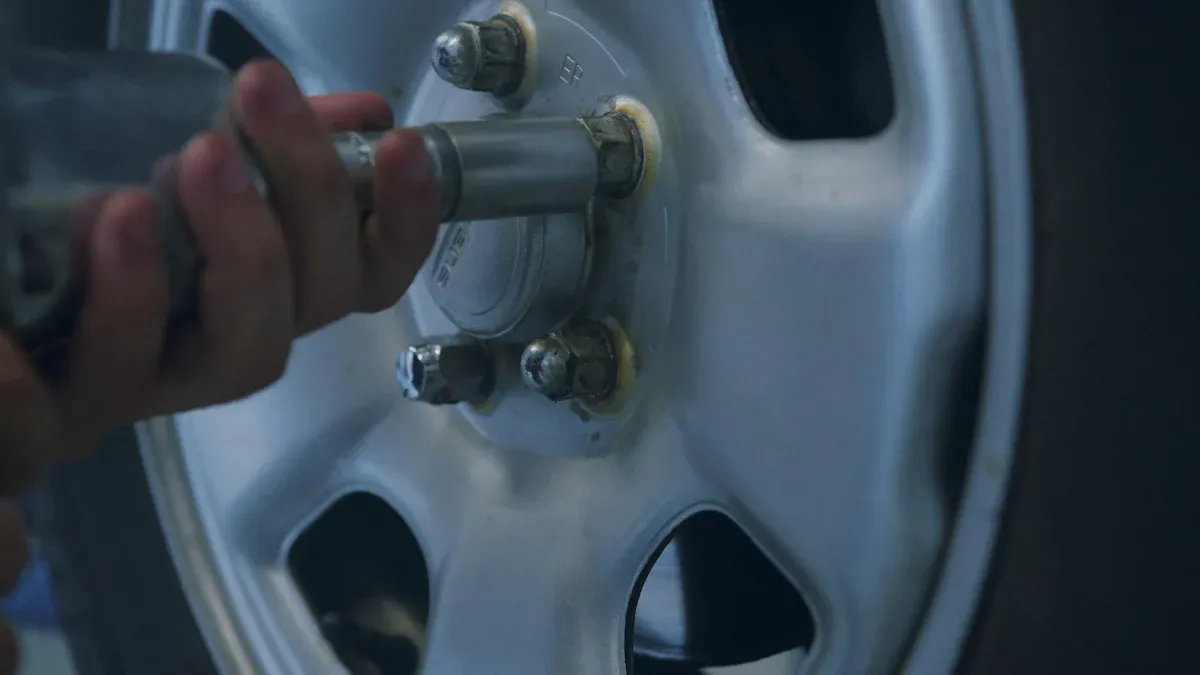
You have chosen the right wheel locks. Now, you must install them correctly to get the full security benefit. Proper installation ensures your wheels are safe and your vehicle performs as it should. Managing your unique key is just as important. Follow these steps to protect your investment and avoid future problems.
A Step-by-Step Installation Guide
Correctly installing your new locking wheel nuts is a straightforward process. You can do it yourself with the right tools and a little care. Taking the time to do this right guarantees your safety and the security of your wheels.
First, gather the necessary tools for the job. You will need:
- Your new set of locking wheel nuts and the matched key
- A lug wrench to remove the old nuts
- A calibrated torque wrench for precise tightening
- A socket that fits your new locking nuts
Once you have your tools, you can begin the installation.
- Work on One Wheel at a Time: Park your car on a flat, level surface and engage the parking brake. Never lift the car with a jack for this task.
- Loosen the Standard Lug Nuts: Use your lug wrench to slightly loosen the lug nuts on one wheel. Do not remove them completely yet.
- Remove One Lug Nut: Choose one standard lug nut and remove it from the wheel.
- Install the Locking Nut: Hand-thread your new locking nut into its place. Make sure it turns smoothly to avoid cross-threading.
- Snug the Locking Nut: Use your lug wrench to gently tighten the locking nut until it is snug against the wheel. Do not apply full force yet.
- Replace the Other Nuts: Put the standard lug nut you removed back onto one of the other studs. Then, tighten all the lug nuts back to a snug fit.
- Repeat for All Wheels: Follow these same steps for the remaining three wheels.
This simple process sets you up for the most critical step: proper tightening.
Tightening to Manufacturer Torque Specs
You must tighten your wheel nuts to the correct specification. This is not a step where you can guess. Using a torque wrench is the only way to ensure your wheels are secured safely. The right amount of force, or torque, prevents dangerous problems down the road.
Safety Alert: Improperly tightened wheel nuts are a major safety hazard. The risks are severe and can lead to costly damage or a catastrophic accident.
The Dangers of Under-Tightening:
- Nuts can gradually loosen from road vibrations.
- You may feel a noticeable vibration in your steering wheel.
- This puts extra stress on the remaining lug nuts, which can damage the entire wheel system.
- In the worst case, the wheel can detach from your vehicle while you are driving.
The Dangers of Over-Tightening:
- You can strip the threads on the wheel studs or lug nuts.
- Excessive stress can cause wheel studs to stretch, deform, or break.
- It can warp your brake rotors, causing your brake pedal to pulsate and reducing braking effectiveness.
To tighten your wheel locks and lug nuts correctly, you must use a specific sequence. This ensures the pressure is applied evenly across the wheel. Always use a star or cross pattern.
- Use your torque wrench to tighten the first locking nut to the manufacturer’s recommended torque value. You can find this value in your vehicle’s owner’s manual.
- Move to the nut directly across from it and tighten it to the same value.
- Continue this cross pattern until all nuts, including the locking one, are tightened.
- Finally, move in a clockwise circle around the wheel to double-check that every nut is at the correct torque.
This method provides a secure and balanced locking fit for maximum safety.
Best Practices for Storing Your Key
Your locking nut key is the only tool that can remove your locking wheel nuts. Losing it can turn a simple task like fixing a flat tire into a major problem. You must have a smart plan for storing your key and its identification code.
The best place for your key is in your vehicle, but not in plain sight. You need it to be accessible to you or a mechanic in an emergency.
- Many cars have a designated spot for the wheel key. Check the plastic tool holder in your trunk or a slot near the spare tire.
- Store it securely in your glove compartment or center console. Keeping it in the original package with the key code is a great idea.
Pro Tip: Your key has a unique code printed on it or its packaging. This code is essential for ordering a replacement if the original is lost.
You must record this code immediately. Do not rely on just one location.
- Take a clear photo of the key code with your phone.
- Write the code down in your vehicle’s owner’s manual. Some dealers may have already recorded it there.
- Check the invoice from when you purchased the car, as the code is sometimes listed.
Properly managing your locking key and code gives you complete control and peace of mind.
What to Do If You Lose Your Wheel Lock Key
Losing your wheel lock key can be stressful, but you have several options to solve the problem. You can get back on the road quickly by following a clear plan. Your best course of action depends on whether you saved your key code.
Ordering a Replacement with Your Key Code
The easiest solution is ordering a new key using your unique key code. You prepared for this moment when you stored your code safely. Now, you can use it to get a perfect replacement.
- Find Your Wheel Lock Key Code: You can find this code in your vehicle’s paperwork or on the original packaging for the locking wheel nuts.
- Order a Replacement: You can visit the manufacturer’s website and enter the code. Many companies offer fast shipping, and you could receive your new key the next business day.
This method is fast, simple, and ensures you get the correct key for your specific locking pattern.
Contacting a Tire Shop or Dealership
You can contact a professional if you cannot find your key code. Tire shops and dealerships have tools and master key sets to remove most wheel locks. This option saves you the trouble of doing it yourself.
Heads Up: The cost for this service can vary widely. You should call a few places to compare prices before you commit.
Here are some real-world examples of what you might pay:
- One shop charged a flat fee of $85 for removal.
- A dealership removed the locks for just $20.
- Another service charged $10 per wheel, for a total of $40.
- Some dealers may even remove them for free as a courtesy.
Using Emergency Removal Tools as a Last Resort
You might consider using an emergency removal tool if you need to remove the locks immediately. You should only use this option as a final resort. These tools work by force and will destroy the locking nut in the process.
A common type is a universal emergency remover. This tool has a tapered socket that you hammer onto the lock. The socket grips the nut tightly, allowing you to twist it off with a wrench. This method is effective but has limited use and requires you to purchase a new set of locks afterward.
Investing in a quality set of wheel lug nut locks is a small, cost-effective measure. You can find a great set for well under $100. This simple upgrade provides significant protection against expensive theft and gives you invaluable peace of mind. Securing your vehicle with locking wheel nuts is a critical step. Protect your investment and gain complete peace of mind today by choosing the right wheel lug nut locks for your vehicle.
FAQ
Can thieves defeat locking wheel nuts?
While a determined thief with special tools can eventually remove a locking nut, it takes significant time and effort. The primary goal of a locking system is deterrence. You make your vehicle a much less attractive target, forcing thieves to move on to an easier car.
Do I need a locking nut on every stud?
No, you only need one locking nut per wheel. This single point of security is highly effective at preventing removal with standard tools. It provides a powerful and cost-effective defense for your valuable wheels, saving you money while maximizing protection.
Will locking nuts affect my car’s wheel balance?
You can rest assured they will not. High-quality locking nuts are engineered to match the weight of your vehicle’s original lug nuts. This precision manufacturing ensures your wheel balance remains perfect, so you will not experience any vibrations or performance issues.
What if I have aftermarket wheels?
You must be extra careful with aftermarket wheels. You need a locking nut set that perfectly matches both the thread size and the seat type (e.g., conical or ball). Using the correct locking nuts is the best way to protect your custom wheel investment.

 Request a quote