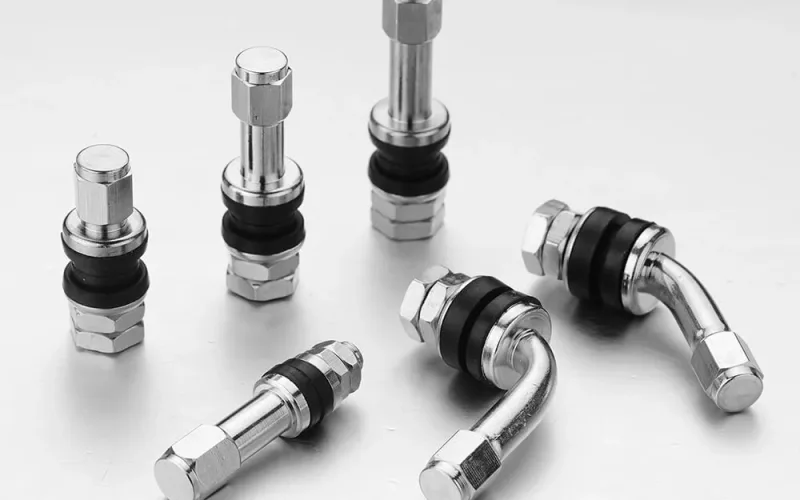
What is the difference between rubber and metal tire valves?
 20Mar
20Mar 


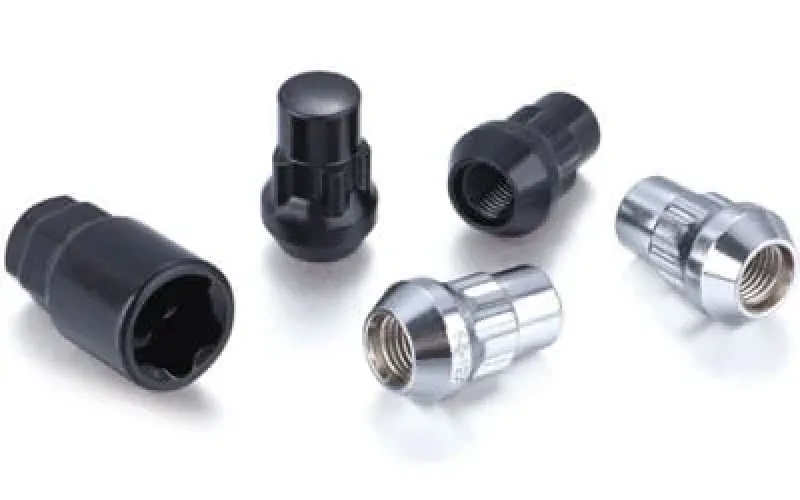
Your vehicle’s rim lug nuts are the only components securing the wheels to your car. You risk catastrophic failure when you use the wrong type or fail to tighten them correctly. This simple mistake can cause a wheel to detach while you drive. This isn’t a minor issue; it’s a critical matter of wheel safety with life-threatening consequences.
The National Transportation Safety Board (NTSB) estimates 750 to 1,050 truck wheel separations occur each year. In 2017 alone, the National Highway Traffic Safety Administration (NHTSA) linked 738 road fatalities to tire-related crashes.
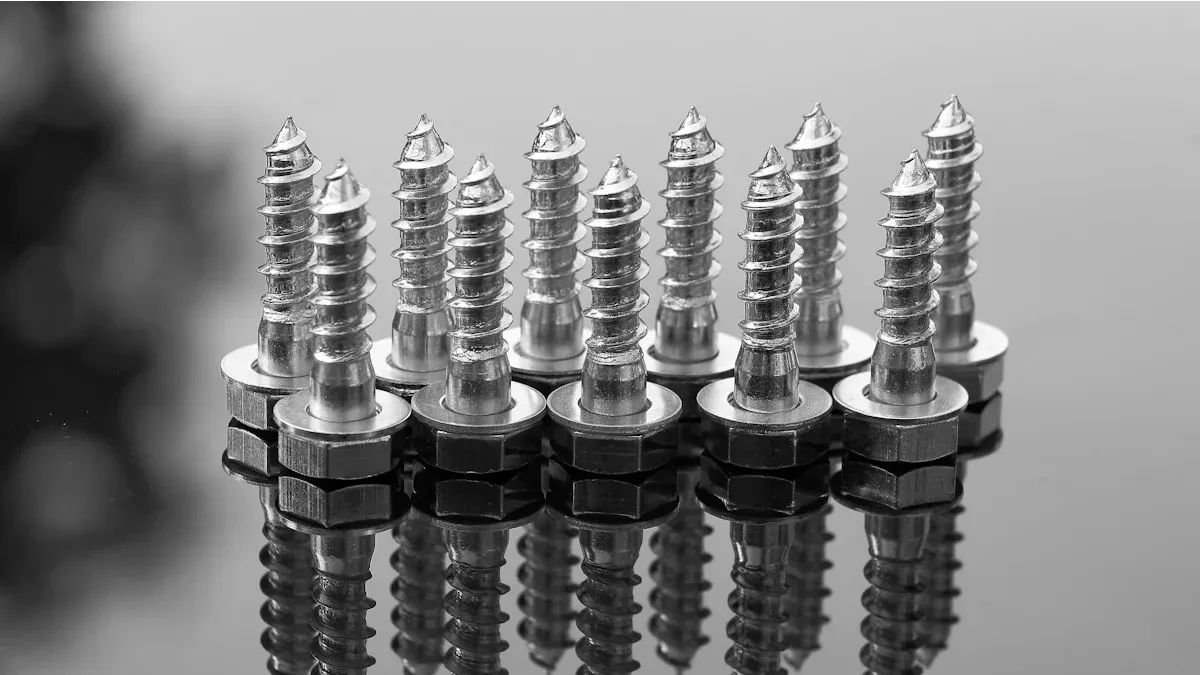
Your lug nuts do more than just hold your wheel. They perform several key jobs to keep you safe on the road. A lug nut secures the wheel to the vehicle’s hub, centers it perfectly on the axle, and creates a powerful clamping force. This force prevents the wheel from vibrating or moving while you drive. Without it, the wheel can become loose, leading to a dangerous separation.
You cannot use just any lug nut on your vehicle. You must match three key specifications: size, thread, and seat style. The thread pitch is the distance between the threads on your wheel stud.
Using a lug nut with the wrong thread pitch will prevent it from fitting correctly. This mismatch compromises the connection and creates a major safety risk.
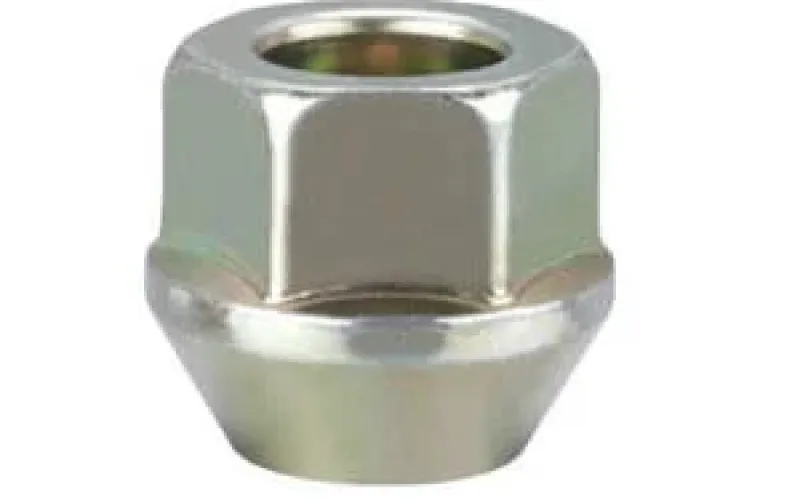
The “seat” is the area where the lug nut makes contact with the wheel. Your wheel is designed for a specific seat style. Using the wrong one creates a dangerously weak connection. The three main types are:
| Seat Type | Shape | Common Applications |
|---|---|---|
| Conical | Cone-shaped with a 60-degree taper | Most aftermarket wheels |
| Spherical | Rounded or dome-shaped | Many European cars |
| Flat (Mag) | Flat washer that sits flush | Many factory (OEM) wheels |
A mismatch between the nut and the wheel seat drastically reduces the contact area. This prevents the wheel from achieving the clamping force needed to secure it to the hub. When the clamping force is lost, the wheel studs must bear all the vertical forces, causing them to bend and eventually break.
The material of your rim lug nuts directly impacts their strength and durability. Most lug nuts for daily drivers are made from steel because it is strong and affordable. For high-performance applications, titanium is a popular choice due to its light weight and superior strength.
Manufacturers also apply protective coatings to prevent rust and corrosion.
Choosing high-quality lug nuts made from durable materials with protective coatings ensures they can withstand the elements and maintain their clamping force over time.
Properly tightening your lug nuts is just as important as choosing the right ones. Both under-tightening and over-tightening create distinct, severe safety hazards. You must apply the correct amount of force, known as torque, to achieve the necessary clamping force that holds your wheel securely.
When you fail to tighten your lug nuts enough, you create a dangerous situation. Under torqued lug nuts do not provide enough clamping force to hold the wheel firmly against the hub. This allows for tiny movements between the wheel, the nut, and the hub.
Physical forces then work to loosen the nuts over time. Small shifts from turning, braking, and hitting bumps cause the nut to slide slightly against the wheel. This movement reduces the friction in the threads that holds the nut in place. Eventually, this generates a reverse or ‘off-torque’ force. If this force is strong enough, it will slowly spin the nut loose. The result of having under torqued lug nuts is a wheel that can detach from your vehicle while you are driving.
Your vehicle will often give you warning signs before a wheel comes off. You should never ignore these signals. Pay close attention if you notice any of the following:
If you experience any of these symptoms, pull over safely as soon as possible and check your wheels. Continuing to drive with under-torqued lug nuts puts you and others at extreme risk.
You might think that tighter is always better, but this is a dangerous myth. Applying too much force can be just as hazardous as not applying enough. Over torqued lug nuts can cause permanent damage to your vehicle’s components.
When you tighten a lug nut, you are stretching the wheel stud like a rubber band. This tension creates the clamping force. However, every stud has a limit.
“Most lug nuts are over tightened beyond the friction range and tensile strength to point of yielding and stretching. This is what cause bolt failure.”
— Retired Head of Engineering, Alcona Wheels
Stretching a wheel stud past its limit, or “yield point,” permanently weakens it. An over-torqued lug nuts can cause the stud to snap during the tightening process itself. Even if it doesn’t break immediately, the weakened stud is now susceptible to failing under the normal stresses of driving.
Beyond damaging the studs, over torqued lug nuts can harm other expensive parts. The excessive and uneven pressure can:
Using a torque wrench is the only way to avoid these twin dangers. It ensures your rim lug nuts are tightened to the manufacturer’s exact specification—not too loose, and not too tight.
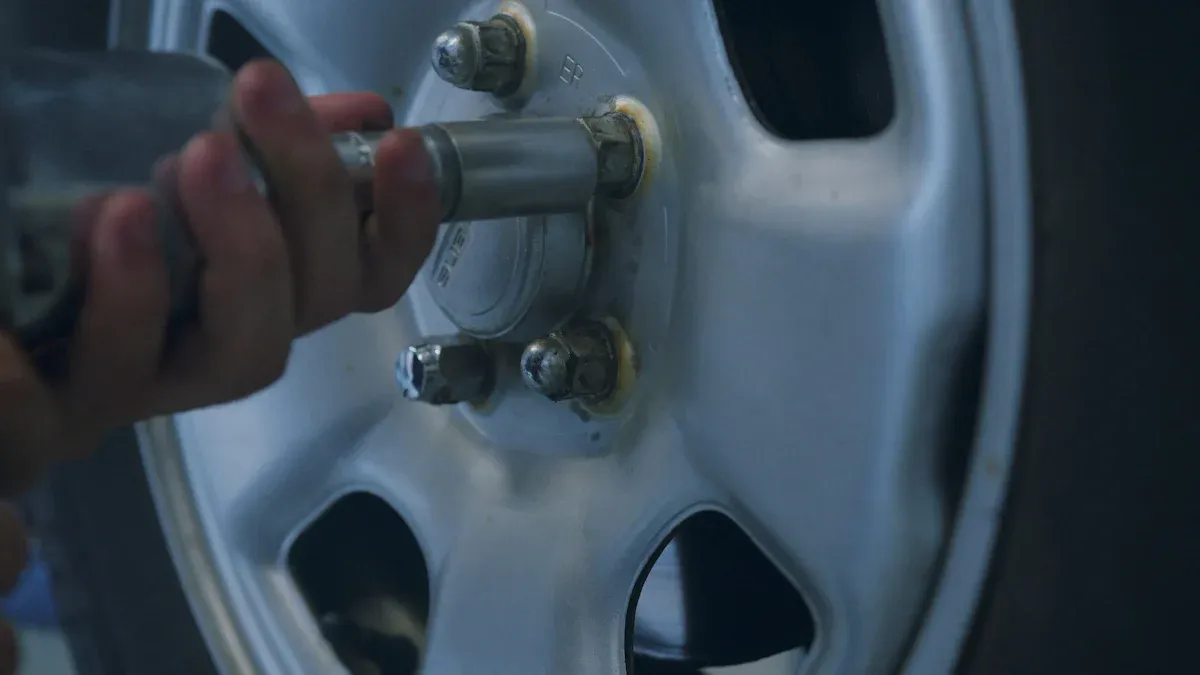
Following the correct procedure for installing your wheels is not optional; it is a fundamental safety requirement. Properly torquing lug nuts ensures your wheels are secure, your vehicle is stable, and you are safe on the road. These steps provide a clear guide to getting it right every time.
Before you even think about tightening, you must confirm you have the right parts. As we discussed, the lug nut’s seat, thread, and size must perfectly match your wheel and vehicle studs. Installing the wrong hardware guarantees failure.
You can find the correct specifications for your vehicle in several places.
Important Note: If you have installed aftermarket wheels, the original lug nuts may no longer be compatible. You must consult the wheel manufacturer’s documentation for their specific lug nut and torque recommendations. Never assume your old hardware will work with new rims.
Once you have the correct lug nuts, you can begin installation. First, thread all the lug nuts onto the studs by hand until they are snug. This ensures they are not cross-threaded and allows the wheel to sit flush against the hub.
Next, you must use a specific tightening sequence known as the star or crisscross pattern. This is one of the most critical torquing techniques. You tighten one lug nut, then move to the one directly across from it, continuing in a star shape until all are snug.
Following this pattern is essential for several reasons:
Think about lacing up your shoes. You crisscross the laces to pull both sides together evenly for a secure and comfortable fit. If you only tightened the eyelets on one side first, the shoe would feel tight in one spot and loose in another. The same principle applies to your wheel. Tightening in a circle creates uneven pressure, which can lead to severe problems.
DANGER: Never Tighten in a Circle
Tightening lug nuts in a circular pattern is extremely dangerous. It concentrates pressure on one side, which can bend the wheel, crack the rim, or damage the wheel studs. This uneven force prevents the wheel from seating correctly and can cause it to detach while you are driving, leading to a total loss of control.
Hand-tightening is only the beginning. To achieve the final, correct clamping force, you must use a torque wrench. Your arm cannot feel the difference between 80 ft-lbs and 120 ft-lbs of force. Guessing is a recipe for disaster.
A torque wrench is a special tool that measures rotational force, or torque. It removes all guesswork from the process. You set the tool to the manufacturer’s specified torque value. When you tighten the lug nut and reach that exact value, the wrench will signal you.
This precision is the only way to get the correct lug nut torque. It ensures the wheel stud is stretched to the perfect tension—not too loose and not too tight.
A common but dangerous shortcut is using torque sticks with an impact gun. These are not a substitute for a calibrated torque wrench.
For the safety of yourself and others, finishing the job with a proper torque wrench is non-negotiable. It is the final, critical step in properly torquing lug nuts.
You are now at the final, most critical stage. You must apply the exact amount of force recommended by your vehicle’s manufacturer. This value, known as the manufacturer-specified torque, is measured in foot-pounds (ft-lbs) or Newton-meters (N·m). Applying this precise value ensures the wheel stud has the correct tension to create a secure clamping force.
First, you need to find the correct torque specification for your vehicle. You can usually find this information in a few places:
Once you have the correct value, you can begin the final tightening process.
The Final Torque Process
- Lower the vehicle with the jack until the tire just touches the ground. The weight of the car will prevent the wheel from spinning while you work.
- Set your torque wrench to the specified value. For example, if the spec is 100 ft-lbs, you will adjust the wrench to that number.
- Place the torque wrench on the first lug nut. Apply smooth, steady pressure to the handle until the wrench clicks or beeps. That signal tells you that you have reached the correct torque. Do not continue tightening after the signal.
- Move to the next lug nut in the star pattern and repeat the process. Continue until you have torqued all the lug nuts.
- For best practice, go over the lug nuts one more time in the same star pattern. This double-check ensures that the initial tightening of other nuts did not affect the torque on the first ones.
A common question is whether steel and aluminum wheels require different torque values. The answer can be confusing, which is why checking your manual is so important. Some carmakers state that the torque rating is for the wheel stud, not the wheel itself. In these cases, the torque value is the same regardless of wheel material. The goal is to achieve the proper clamping load on the fastener.
However, you may also find guides that list different values. This is because aluminum can be more sensitive to over-tightening than steel.
| Wheel Type | Example Lug Nut Torque |
|---|---|
| Steel wheels | 85 ft-lbs |
| Aluminum wheels | 70 ft-lbs |
Safety Tip 💡
Because of these differences, you must never guess or use a general guide. The only safe number is the one provided by your vehicle or wheel manufacturer. Using the wrong value can lead to wheel damage or failure. Following these steps for properly torquing lug nuts is a simple action that guarantees your safety on the road.
Properly torquing your lug nuts is not a one-time task. Your work is not finished once you lower the car. You must re-check the torque after a short period of driving to ensure your wheels remain secure. This follow-up step is a non-negotiable part of wheel safety.
You must re-check your lug nut torque after driving the first 50 to 100 miles on a newly installed wheel. This is a critical preventive measure. The initial forces of driving cause parts to settle. The weight of your vehicle and the rotation of the wheels can create small shifts between the wheel and the hub, which may reduce the initial clamping force. Re-torquing the nuts to the manufacturer’s specification counteracts this settling effect.
Several factors can also affect the torque during these first few miles:
You should always re-check your lug nut torque after a tire rotation or a seasonal tire swap. Daily driving subjects your lug nuts to constant stress. These forces can cause them to either tighten or loosen over time. A loose lug nut creates the risk of a wheel detaching while you drive.
One driver shared a story where a dealership failed to mention a re-torque check after a rim replacement. Later, a mechanic found four out of five bolts were loose, which had already damaged the new rim. If the problem had gone unnoticed, the wheel could have separated from the car, causing a serious accident. Many tire shops and garages understand this risk and will re-torque your wheels for free after about 50 miles of driving. You just need to ask.
The rule is simple: any time a wheel comes off your vehicle, you must perform a torque check after the first 50-100 miles. This applies to more than just installing new tires or wheels. Mechanics remove wheels for many common maintenance procedures, including:
Always re-check your lug nuts soon after a wheel has been reinstalled. Sometimes a nut gets hung up and does not seat correctly. Other times, you might get interrupted and forget to finish torquing. A final check confirms the job was done right and keeps you safe.
Your rim lug nuts demand your full attention. You must select the correct parts and apply the proper torque every time. Skipping these simple procedures gambles with your safety and the safety of others. Studies show loose nuts are a primary cause of wheel separations, which can lead to tragic accidents on the road.
Treat your lug nuts with the same seriousness as your brakes. They are a non-negotiable safety component that protects you and everyone else on the road. 🚗
You should inspect old lug nuts for rust, thread damage, or rounding before reuse. Quality lug nuts from manufacturers qualified with ISO9001 certifications offer better durability. If you see any signs of wear, you must replace them immediately to ensure a secure connection and prevent failure.
An impact wrench cannot measure torque accurately. Using one can easily over-tighten or under-tighten your lug nuts. This can damage your wheel studs or allow the wheel to come loose. You must always use a calibrated torque wrench for the final tightening step.
No, you should never apply oil or anti-seize to wheel studs unless the manufacturer specifically tells you to. Lubricant changes the friction, causing you to apply far more clamping force than intended. This can stretch and break the studs, leading to wheel detachment.
You must re-torque your lug nuts 50-100 miles after any wheel installation. After that, you should check the torque as part of your regular vehicle maintenance, such as during every oil change or tire rotation, to ensure they remain secure.
 Request a quote