 16Mar
16Mar 
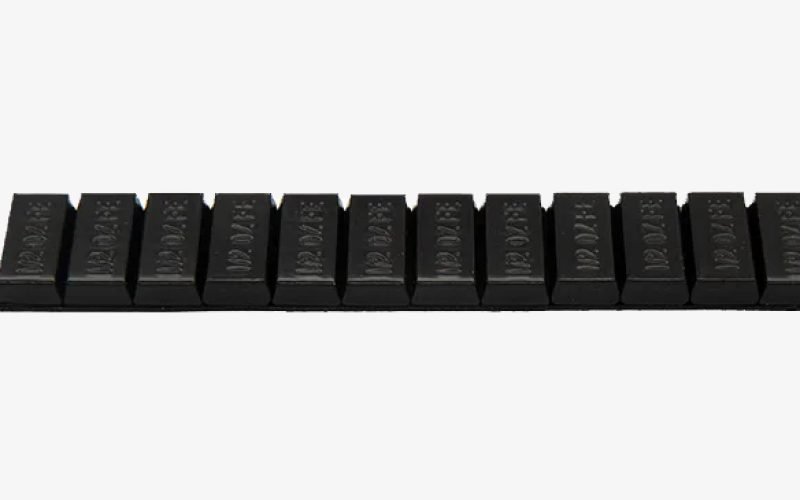
Many U.S. states have banned the use of lead wheel weights. This is because they can pose serious risks to both humans and the environment. Not all wheel weights are prohibited; the primary concern lies specifically with lead. This has raised an important question for many drivers and repair shops: are wheel weights illegal in certain states?
- States have noted that lead is highly toxic and detrimental to the natural environment.
- Steel wheel weights are safer and present fewer risks to both people and the environment.
Adhering to these laws helps protect both human health and the natural environment.
Key Takeaways
- Many states have banned the use of lead wheel weights due to their harmful effects on both human health and the environment.
- Safer alternatives such as steel and zinc wheel weights are now widely used.
- Proper wheel weight installation improves driving stability and fuel efficiency.
- Many regions regulate the sale and disposal of lead wheel weights to prevent environmental contamination.
- Repair shops that use illegal wheel weights may face penalties.
What Are Wheel Weights?
Purpose and Function
Wheel balance weights play a crucial role in ensuring vehicle safety and comfort. They help to balance the wheels of cars or trucks. When wheels are unbalanced, the ride feels bumpy, and the steering wheel may vibrate. Repair technicians use wheel balance weights to resolve these issues and improve the vehicle’s handling performance.
The primary functions of wheel balance weights include:
| Function | Description |
|---|---|
| Proper Tire Balancing | It effectively suppresses vibration and improves ride comfort. |
| Fuel Efficiency | By ensuring efficient wheel rotation, fuel economy is improved. |
| Component lifespan | Extend the lifespan of tires and other automotive parts. |
Common Materials
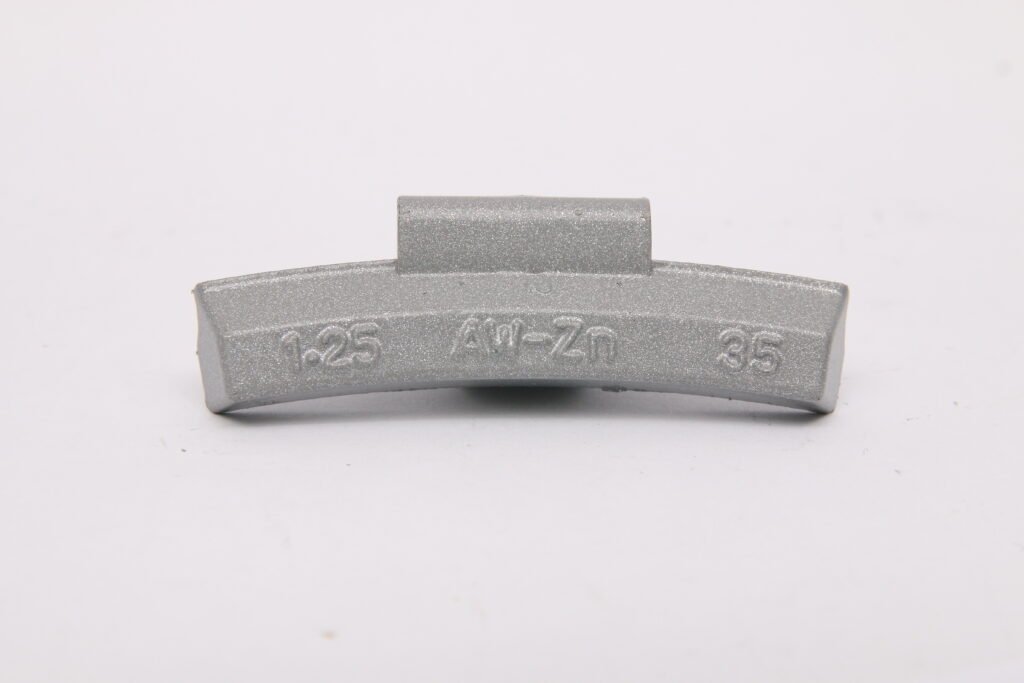
Over the years, manufacturers have used a variety of different materials when making wheel counterweights. In the past, lead was the most common choice because it was inexpensive and easy to shape. Today, lead is banned in many places due to its harmful effects on humans and the environment. Currently, steel and zinc have become common materials for wheel counterweights. These metals are not only safer but also maintain excellent performance.
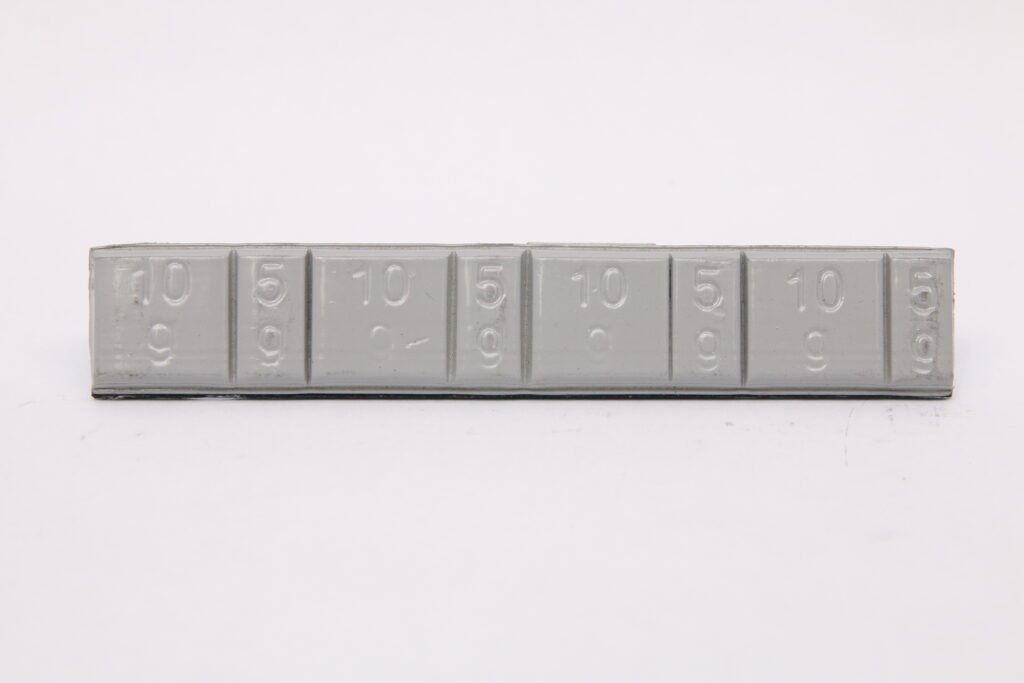
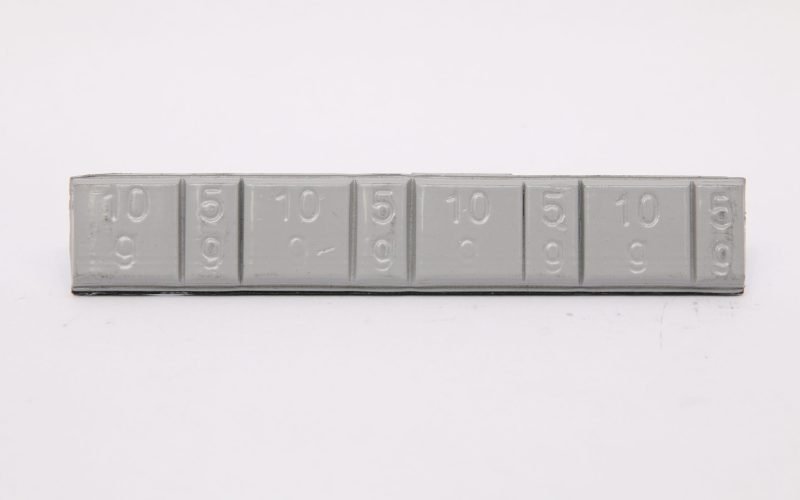
The way wheel counterweights are installed has also changed. In the past decade, adhesive wheel weights have become increasingly popular. They are glued to the inside of the wheel and are inconspicuous. This type of counterweight is suitable for many car models and looks more aesthetically pleasing than older types. Clip-on counterweights made of zinc or steel are still in use, especially on lower-priced cars.
Installation Basics
Installing wheel balance weights is a meticulous process. The mechanic will follow several basic steps to ensure wheel balance:
- They use a dynamic balancing machine to determine how much counterweight is needed and where to place it.
- They choose the appropriate type of counterweight: clip-on or adhesive.
- For clip-on counterweights, they place them on the wheel and tap them in place with a hammer.
- For adhesive counterweights, they clean the wheel surface before attaching them.
Tip: Proper installation helps prevent the weights from falling off and keeps the wheels balanced for a longer time.
Mechanics check their work to ensure the wheels turn smoothly. This helps the car drive more smoothly and ensures everyone’s safety.
Where Are Wheel Weights Illegal?
U.S. State Bans
Many U.S. states have enacted laws banning the use of lead wheel balancing weights. California implemented its ban in 2010. New York made the sale or installation of lead wheel balancing weights illegal in 2011. Illinois, Maine, Vermont, and Washington have also implemented strict bans. Iowa, Maryland, Rhode Island, and Wisconsin, among others, are considering bans or have enacted regulations for specific circumstances.
States that have implemented the ban require stores to use safer materials. They will inspect stores to ensure compliance. Stores that violate the regulations may be fined.
International Rules
Other countries also have regulations regarding lead wheel balancing weights. The European Union banned lead wheel balancing weights in 2005. While Canada has not completely banned them, large stores have stopped selling them. Japan and South Korea encourage the use of lead-free alternatives. These regulations help prevent lead pollution and protect public health.
Many places require automakers and tire shops to use wheel balance weights made of steel, zinc, or composite materials.
Commercial and Disposal Restrictions
Relevant laws not only concern the sale and use of wheel rim weights but also stipulate how repair shops must handle and dispose of used lead weights. Repair shops must collect and recycle lead weights and are not allowed to discard them arbitrarily. Failure to comply may result in fines. The European Union has established strict recycling regulations. In the United States, states implementing bans require tire repair shops to maintain records and dispose of lead weights safely.
Proper disposal can prevent lead contamination of soil and water sources, thereby protecting humans and animals from harm.
Violating these laws can result in fines, license revocation, or other legal issues. States and countries ensure these regulations are followed to protect everyone’s safety.
Wheel Weight Laws
Federal Regulations
The United States has not completely banned leaded wheel balance weights. The Environmental Protection Agency (EPA) has the authority to make regulations on hazardous materials, but has not yet implemented a nationwide ban on leaded wheel balance weights. Organizations like Earthjustice are urging the EPA to act more quickly, arguing that lead in wheel balance weights can harm human health. An increasing number of states are enacting their own regulations, and environmental groups are continuously calling for action.
State and Local Laws
Many states have their own regulations regarding lead wheel ballast. These regulations cover the sale, installation, and disposal of lead wheel ballast. California, New York, Maine, and Washington have implemented strict bans. Other states require repair shops to keep records or post notices about safer materials. Some states also have regulations regarding recycling and proper disposal.
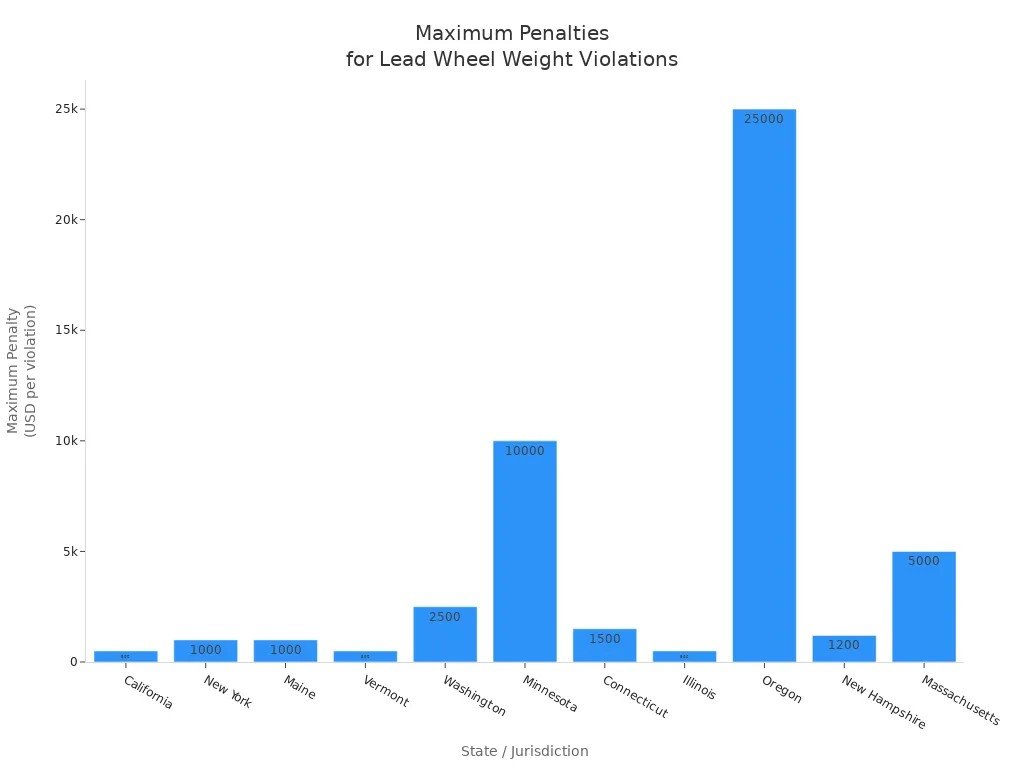
Stores that violate these laws may be fined or have their business licenses revoked. States conduct inspections and audits to ensure stores comply with the regulations.
Environmental Policies
Environmental policies aim to reduce the risks posed by lead wheel balancing weights. Many groups and organizations have taken action:
- Earthjustice sued the U.S. Environmental Protection Agency (EPA), accusing it of a slow response to the lead wheel balancing weight issue. The organization stated that lead is harmful to health.
- The California EPA banned the use of lead wheel balancing weights in auto repair shops. They hope to provide safer, more environmentally friendly alternatives.
- California’s ban is part of a larger plan to stop heavy metal pollution from urban surface runoff.
- Advocacy groups say the EPA should act faster. Other countries have already implemented bans.
- Switching to lead-free wheel balancing weights may soon become federal regulation.
These policies help repair shops and automakers use safer materials. They also prevent lead from entering soil and water sources, thus making the community environment healthier.
Why Wheel Weights Are Banned
Environmental Impact
Lead Contamination
Lead from wheel balancing weights is harmful to the environment. These weights can come loose when a car is driving. They break into small pieces and become dust. This dust can then be released into the air and water.
- Lead can damage the brain, with particularly severe effects on children.
- Lead can damage nerves and kidneys and increase the risk of cancer.
- Children may pick up the weights or come into contact with contaminated soil.
- The U.S. Environmental Protection Agency (EPA) states that 1.6 million pounds of lead from wheel balancing weights enter the environment each year.
Note: Lead dust can remain in the soil for years and continue to cause harm.
Soil and Water Risks
Lead does not disappear naturally. When lead detaches from a car, rainwater washes it into the soil and water. This pollution can harm plants, animals, and people who use this water. Lead levels in the soil are higher near busy roads. Parks, playgrounds, and gardens near roads are not safe.
- Lead in the soil can adhere to shoes and hands and may enter homes.
- Water flows near roads can carry lead into rivers and lakes.
- Animals and fish that ingest lead-contaminated food or water may become ill.
Health Concerns
Lead in wheel rim weights can cause a variety of health problems. Auto workers face even greater health risks due to their frequent contact with the weights.
| Health Risk | Description |
|---|---|
| Neurodevelopmental Damage | Lead exposure is linked to impaired brain development, especially in children. |
| Nerve Damage | Exposure to such substances may lead to neurological dysfunction and nerve damage. |
| Cancer | There is an association between lead exposure and an increased risk of cancer. |
| Cardiovascular Disease | Lead exposure is associated with high blood pressure and other cardiovascular diseases. |
| Kidney Damage | Prolonged exposure can lead to kidney dysfunction. |
| Fertility Problems | Lead exposure may affect reproductive health and fertility. |
The U.S. Environmental Protection Agency (EPA) states that most adults with elevated lead levels in their bodies are exposed to lead at work. The National Institute for Occupational Safety and Health (NIOSH) found that 90% of these cases originated in occupations such as auto repair. The Occupational Safety and Health Administration (OSHA) has set limits for lead levels in workplace air. Even trace amounts of lead can cause harm with prolonged exposure.
Tip: Wearing gloves and washing your hands after handling wheel counterweights can reduce the risk.
Safety and Enforcement
Laws help protect people from the dangers of leaded wheel ballast. Many places have banned or restricted the use of leaded wheel ballast. These regulations have prompted repair shops, car manufacturers, and workers to adopt safe operating procedures.
Law enforcement officers will check records and inspect shops to see if they are using legal weights. Shops that violate regulations may have their licenses revoked or be subject to hefty fines. These measures help prevent lead pollution of the natural environment and protect public health.
Callout: Obeying the law ensures community safety and helps protect the future of our planet.
Types of Illegal Wheel Weights
Lead Wheel Weights
Many places have banned the use of leaded wheel weights. Lead is highly toxic and poses a health hazard to children and pregnant women. Lead can remain in the environment for a long time and can pollute soil and water sources. Since 2009, many states in the United States have banned the use of leaded wheel weights. California has strict regulations on the use of lead. Canada enacted a federal ban in 2024. Local regulations are subject to change, and businesses must check relevant regulations regularly to avoid fines.
Other Restricted Materials
Other materials are also restricted. Governments and organizations worldwide seek safer alternatives. The EU’s REACH regulation restricts hazardous metals. Many places prohibit or restrict the use of materials that pose pollution or health risks.
- Lead is extremely dangerous to high-risk groups.
- Relevant regulations help businesses use safer materials.
- Hazardous materials can pollute the environment if not handled properly.
Businesses must comply with regulations regarding material use. They need to safely recycle or dispose of restricted materials by designated weights. Failure to comply may result in fines.
Legal Alternatives
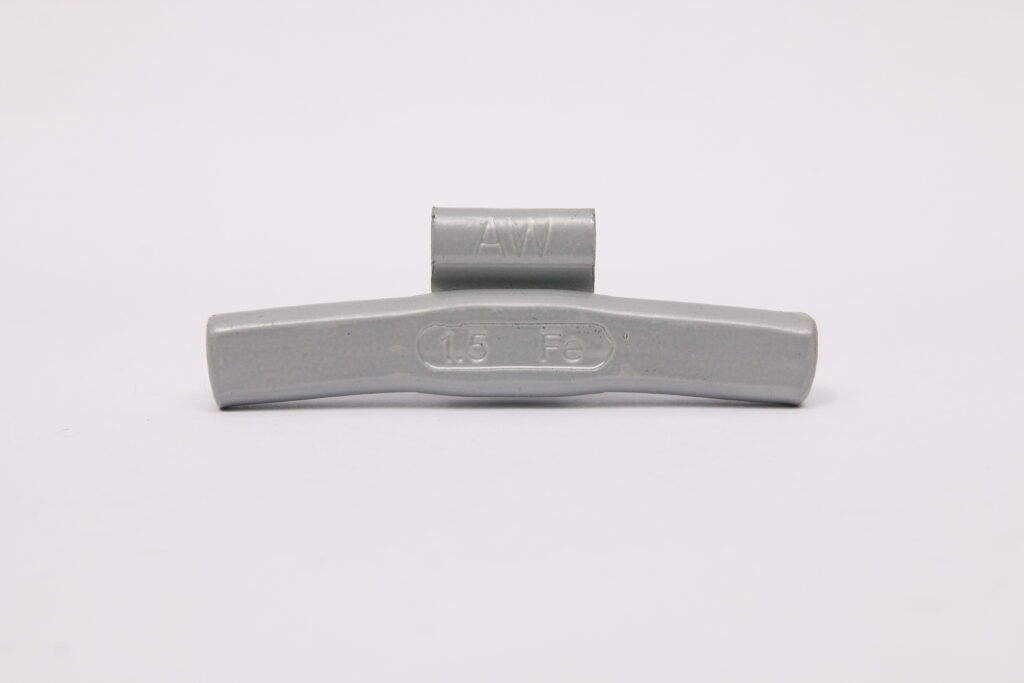
Legitimate alternatives are safe methods for balancing tires. These products are lead-free and comply with strict environmental regulations. Coated steel balance weights won’t rust and perform well. Composite balance weights are made from a variety of materials and do not contain toxic metals. Zinc balance weights are non-toxic. Some repair shops may inject liquid or fill beads inside the tires for balancing.
Choosing legal alternatives helps stores comply with regulations and protect the environment.
Alternatives to Illegal Wheel Weights
Steel Options
Steel wheel balance weights are very popular these days. They contain no toxic metals. The coated steel is rust-resistant, so it stays on the wheel longer. Mechanics say steel wheel balance weights are easy to use and install. They fit most car models and keep the wheel balanced. Many car manufacturers use steel wheel balance weights on new vehicles. Compared to some other options, steel wheel balance weights are more affordable.
Tip: Coated steel counterweights prevent rust and are suitable for wet or salted surfaces.
Steel helps protect the natural environment. It does not pollute soil or water sources. Steel can be recycled. This helps reduce the burden on landfills.
Zinc and Composite Choices
Zinc and composite materials are also excellent choices. These materials are popular for several reasons:
- Zinc doesn’t rust like lead and has a longer lifespan in harsh weather.
- Zinc is more environmentally friendly.
- Composite weights use safe materials and do not contain toxic metals.
- Both zinc and composite weights meet stringent standards.
- Using these materials reduces health risks for workers and drivers.
Automakers and tire shops choose zinc and composite weights to comply with regulations. These options protect children and adults from lead hazards. The importance of these materials is even more pronounced in electric vehicles, which require precise balance.
Note: The market for lead-free weights continues to grow.
Choosing Safe Materials
Choosing the right tire weight distribution involves more than just selecting existing tires. Sellers and car owners should consider the following key factors:
| Criteria | Description |
|---|---|
| Material Compliance | Ensure the materials comply with local regulations. Zinc, steel, or composite materials are options. |
| Weight Type & Fitment | For steel wheels, please use the snap-on installation method; for aluminum alloy wheels, please use the adhesive installation method. Incorrect installation will result in failure to install correctly. |
| Precision and Range | Confirm with the supplier that they have the size you need. Make sure they offer a range of sizes suitable for your vehicle. |
To comply with the new regulations, manufacturers have improved their products. They now produce many lead-free wheel weights. Today, people need safe and environmentally friendly products.
How to Stay Compliant With Wheel Weight Laws
Identifying Illegal Weights
People can comply with regulations by learning to identify illegal wheel weights. Many places have laws prohibiting the use of lead weights. Repair shops and car owners should check the material of weights before using them. Lead weights are usually dark gray and feel heavier than steel or zinc weights. Labels or markings on the weights can help identify their material. Some weights have codes or markings that indicate the internal material. Tire shops should keep records of the types of weights they use. This way, they can prove they are complying with the law when someone inspects them.
Tip: Be sure to ask the store what type of wheel weights they use. If you are unsure, ask them to show you the box or label.
Proper Disposal
Properly disposing of old or surplus wheel weights protects the environment and complies with legal regulations. Shops and individuals must never throw lead weights into regular trash cans. They should be disposed of safely by:
- Returning unwanted lead weights to the supplier for replacement.
- Recycling lead weights as scrap metal.
- Disposing of lead weights as hazardous waste.
- Never throw lead weights into household or commercial waste.
Taking these steps prevents hazardous metals from ending up in landfills, soil, and water sources. Recycling centers and hazardous waste disposal sites have the expertise to safely handle these items. Many states require repair shops to keep records of how they dispose of wheel weights.
Working with Certified Installers
Choosing certified installers ensures safe and legal installation work. Certified installers are familiar with the latest regulations and use approved materials. They also strictly adhere to safety procedures when handling weights. The most well-known certification is the Certified Weighing Technician (CWT). This certification proves that the installer understands the relevant regulations and has mastered the correct operating procedures.
Car owners and dealers can inquire about the installation personnel’s training. Certified repair shops typically display relevant certifications.
Note: Many states, such as California, Maine, and New York, prohibit the use of leaded wheel balancing weights. Canada also recommends the use of lead-free products. Understanding local regulations helps repair shops and drivers make safe choices.
FAQ
Are all wheel weights illegal?
No, only lead wheel weights are illegal in many places. Steel, zinc, and composite wheel weights are legal and safe. The law prohibits the use of lead because it is harmful to health and the environment.
How can someone identify a lead wheel weight?
Lead-based wheel weights feel heavier and have a dark gray appearance. Many weights are marked with “Pb”. Repair shops and car owners should check the label or consult the installer for details before using any wheel weights.
What should a shop do with old lead wheel weights?
Shops must recycle used lead wheel weights or dispose of them as hazardous waste. Littering them is illegal. Recycling centers can safely process lead and protect the environment.
What are the health risks of lead wheel weights?
Lead wheel weights can cause brain damage, neurological problems, and kidney disease. Children are at higher risk. Workers exposed to lead weights may develop illnesses if proper safety precautions are not taken.
What alternatives exist for banned wheel weights?
Wheel counterweights made of steel, zinc, and composite materials are safe alternatives. These materials do not pollute soil or water sources. Many repair shops now use adhesive or clip-on counterweights made of these safer materials.
What penalties can shops face for using illegal wheel weights?
Businesses that violate regulations may face fines, license revocation, or legal action. Penalties depend on state law. Inspectors will review records and documentation to ensure compliance.
How can car owners stay compliant with wheel weight laws?
Car owners should inquire about the materials used by the installers. They can request to see the packaging or certification documents. Choosing certified shops and legal materials helps ensure everyone’s safety and compliance with the law.

 Request a quote