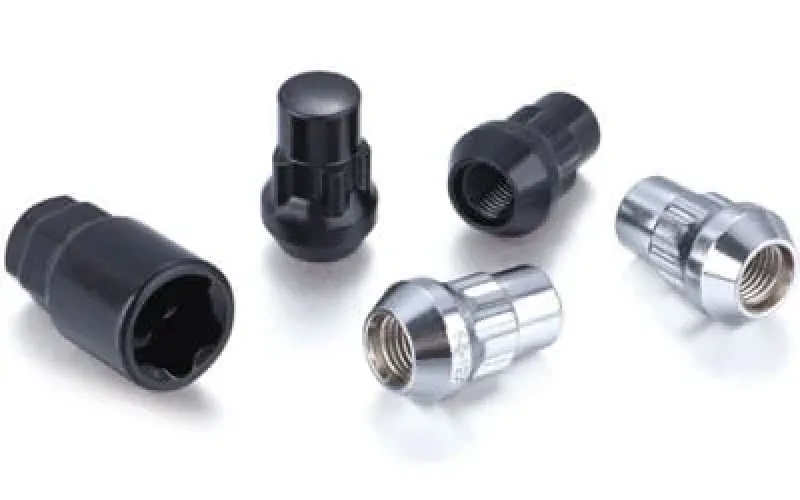
 10Mar
10Mar 

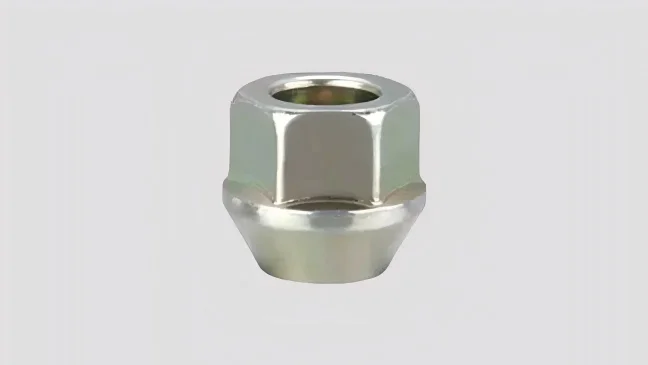
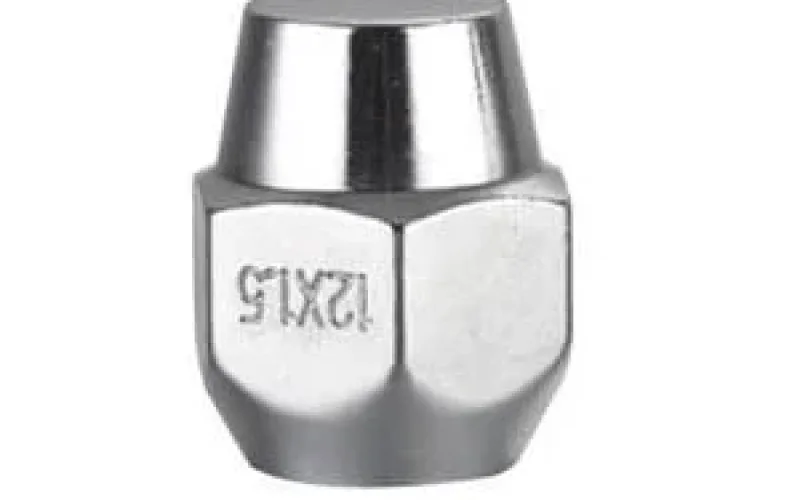
Lug nuts have a tapered shape to hold wheels tight and centered on the hub. The slanted design helps the nut fit snugly and spreads force across the wheel. This shape also lowers the chance of the nut coming loose when you drive.
Key Takeaways
- Tapered lug nuts have a cone shape. This shape helps center the wheel on the hub. It makes the ride stable and safe.
- It is important to use the right seat type for lug nuts. If you use the wrong type, the fit will be bad. This can make driving unsafe.
- You should check and tighten lug nuts after changing tires. Doing this stops them from getting loose. It also keeps your vehicle safe.
- Fortune Lug Nuts are made from strong materials like steel and aluminum. These materials do not rust easily. They also last a long time.
- Always use a torque wrench to tighten lug nuts. Make sure to follow the recommended settings for safety.
Tapered Lug Nuts Design
What Is a Tapered Lug Nut?
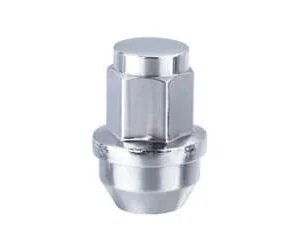
A tapered lug nut has a slanted or cone-shaped end. This design helps the nut fit tightly into the wheel’s lug hole. Most tapered lug nuts use a 60-degree angle for the cone. This angle is an industry standard and helps the nut center itself when tightened. Lug Nuts come in several types, Each type of wheel nut has its unique shape and purpose.The three main types are acorn, ball seat, and flat seat. The table below shows the differences:
| Lug Nut Type | Shape Description | Contact Mechanism |
|---|---|---|
| Acorn | Conical shape with a 60-degree taper that self-centers | Self-centers when tightened |
| Ball Seat | Rounded, dome-shaped end | Matches ball-shaped lug holes perfectly |
| Flat Seat | Flat surface, often with a washer | Sits flat against the wheel face |
How the Taper Works
The 60-degree taper on most lug nuts plays a key role in keeping wheels safe and balanced. When someone tightens a tapered lug nut, the cone shape guides the nut into the center of the wheel hole. This self-centering action helps the wheel sit straight on the hub. The taper also spreads the clamping force evenly across the wheel surface. This even pressure lowers the risk of damage and keeps the nut from loosening over time.
Tip: Always match the lug nut seat type to the wheel. Using the wrong type can cause poor fit or unsafe driving.
Most standard vehicles and many aftermarket wheels use conical (tapered) lug nuts. Their design makes them popular for daily driving and racing. The taper not only centers the wheel but also makes installation easier and more secure.
Benefits of Tapered Lug Nuts
Wheel Centering & Alignment
Tapered lug nuts help keep wheels in the right spot. The cone-shaped seat fits into the wheel’s matching hole. This shape guides the wheel as you tighten the nut. The wheel sits flat against the hub or brake rotor. This makes the car more stable and safe. Drivers feel less shaking because the wheel lines up right. Fortune Lug Nuts use this shape to make putting on wheels easier and more exact.
| Feature | Description |
|---|---|
| Tapered, cone-shaped seat | Fits into a matching cone hole in the wheel and centers it during install. |
| Self-centering | Makes putting on wheels easier and helps them line up better. |
| Strong clamping force | Holds the wheel tightly to the hub. |
Even Force Distribution
The 60-degree taper spreads force across the wheel. This even pressure helps stop damage and keeps the wheel tight. The shape of the taper spreads the force, which helps the wheel work better and stay safe. Fortune Lug Nuts are made from strong metals like steel, aluminum, and titanium. These metals do not rust easily from salt or water, so the wheel stays safe.
| Feature | Description | Impact on Force Distribution |
|---|---|---|
| Taper Angle | 60-degree cone seat is common for many wheels. | Helps center the wheel and fits many cars. |
| Clamping Force | The taper shape spreads the force evenly. | Makes the wheel work better and safer. |
| Compatibility | Works with many types of vehicles. | Helps the wheel stay in the right spot. |
Note: Fortune Lug Nuts do not rust easily, so wheels stay safe in wet or salty places.
Vibration & Loosening Prevention
The cone seat touches more of the wheel. This lowers the chance of the lug nut coming loose. Good alignment and even force help keep the wheel tight. Tapered lug nuts need less force to tighten than flat seat types. This makes them easier to put on and take off. The shape centers the wheel and stops shaking, which protects the wheel parts.
| Type of Lug Nut | Required Installation Torque |
|---|---|
| Tapered (Cone) | Needs a little less force |
| Flat Seat (Flanged) | Needs more force |
- Tapered lug nuts have a cone head that fits the wheel flange.
- The shape centers the wheel on the hub for good alignment.
- Flat seat lug nuts may need extra parts and more force, which makes things harder.
Tip: Pick Fortune Lug Nuts for strong and easy wheel installs. Their tough metals keep wheels safe in bad weather.
Installation of tapered hub nuts
Correct Torque for Lug Nuts
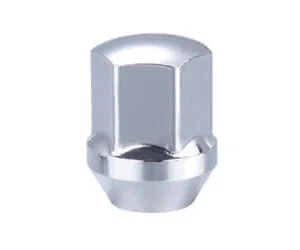
Using the right torque keeps wheels safe and stops damage. Mechanics say to tighten tapered lug nuts on cars like the Toyota Prius to 76 or 80 ft/lbs. These numbers help keep wheels tight and protect parts. The right torque also helps the car stay steady and safe. Checking and tightening lug nuts often helps the car work better and lowers the chance of problems.
- The right torque keeps wheels tight and parts safe.
- Checking and tightening lug nuts helps safety and how the car works.
- Studies show almost half of wheel separations happen from loose nuts.
Tip: Use a torque wrench to be exact. Do not guess or use just your hands.
Common Installation Mistakes
Many people make mistakes when putting on lug nuts. If you tighten too much, you can hurt the threads or bend the brake rotors. If you do not tighten enough, the nuts can get loose and cause shaking or even make the wheel fall off. Using the wrong tools can mean the nuts are not tight enough and can break things. Picking the wrong seat type can also make driving less safe.
- Tightening too much can break threads and rotors.
- Not tightening enough can cause shaking or the wheel to fall off.
- Wrong tools can make the nuts too loose or break things.
- The wrong seat type can make the wheel shake or come loose.
| Issue | Explanation |
|---|---|
| Improper Wheel Centering | If the wheel seat and lug nut seat do not match, the wheel can shake or come loose. |
| Uneven Load Distribution | Picking the right lug nut helps spread weight across the hub. |
| Potential Wheel Loosening | If the seat is wrong, the nuts can loosen and the wheel might move or fall off. |
It is important to use the right lug nuts for your car. The correct size and seat type keep the wheel tight, stop shaking, and help the car stay steady. If a nut gets loose, the other nuts and studs get more stress, which can make more nuts come loose. This can make the wheel fall off.
Note: Always use the right seat type for your wheel. Fortune Lug Nuts have many seat types for different cars.
FAQ
What does the taper on a lug nut do?
The taper centers the wheel on the hub. It helps the wheel sit flat and tight. This shape spreads force evenly and keeps the wheel from moving or shaking.
Can you use any lug nut on any wheel?
No. Wheels need the correct seat type and size. Using the wrong lug nut can cause poor fit or unsafe driving. Always match the lug nut to the wheel’s design.
How often should someone check lug nuts?
Drivers should check lug nuts after every tire change or rotation. Mechanics recommend checking them again after driving 50 to 100 miles. Regular checks help keep wheels safe.
Why do Fortune Lug Nuts resist rust?
Fortune Lug Nuts use strong metals like steel, aluminum, or titanium. These materials resist rust and corrosion. This keeps the lug nuts strong and safe in wet or salty conditions.
 Request a quote