admin1

November 2, 2025

Understanding the Debate Over 2 Piece Lug Nuts

Understanding the Debate Over 2 Piece Lug Nuts

Automakers often use two-piece lug nuts on new vehicles. These components, also known as chrome-capped lug nuts or two-piece wheel nuts, provide a shiny, attractive finish for wheels at a low manufacturing cost. This design choice prioritizes the car’s initial appearance and helps the manufacturer save money. The approach, however, places less importance on long-term durability and maintenance convenience for the vehicle owner. The construction of 2 piece lug nuts can lead to problems down the road.

What Is a 2-Piece Lug Nut?

What Is a 2-Piece Lug Nut?

A 2 piece lug nut is a common component found on many modern vehicles. Its name describes its structure perfectly. Unlike a solid, single piece of metal, this type of fastener consists of two separate parts joined together. This design choice directly relates to balancing manufacturing costs with visual appeal. Understanding its basic construction reveals why it is a popular choice for automakers but a potential headache for car owners.

The Anatomy of a Capped Nut

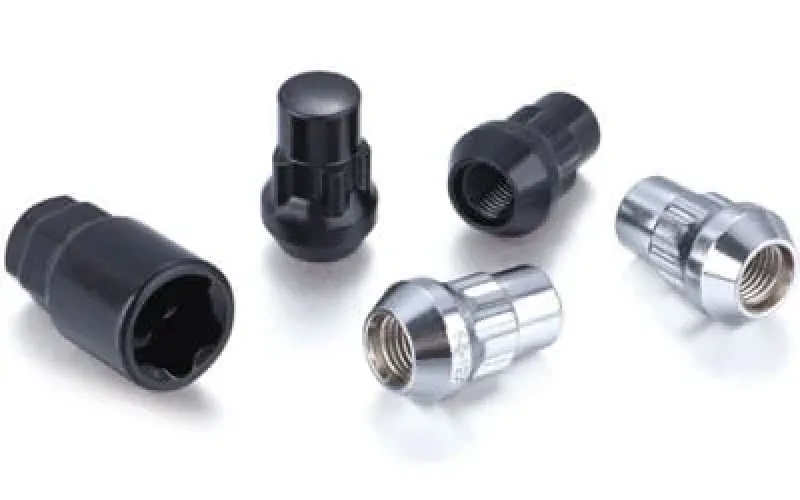
These chrome-capped lug nuts have a simple, two-part structure. The design combines a strong core with an attractive outer shell.

  • The Core: The main body is a standard steel lug nut. This part provides the necessary strength to securely fasten the wheel to the vehicle’s hub. It contains the threads that engage with the wheel stud.
  • The Cap: A decorative cap covers this steel core. This cap is typically made from a thin metal or a durable plastic like ABS chrome plastic. Manufacturers use ABS plastic because it offers good strength and can resist the high heat generated by the wheels and brakes. This outer shell is crimped or pressed over the steel nut to give it a shiny, polished look.

Designed for Style on a Budget

Automakers use two-piece wheel nuts primarily for one reason: aesthetics. They want wheels to look great on the showroom floor. A solid chrome lug nut is expensive to produce. This capped design offers a clever workaround. It provides the premium look of chrome without the high cost of a solid chrome-plated steel nut.

Note: This approach allows manufacturers to achieve a high-end look while keeping production costs low. The savings are significant across millions of vehicles, but the design itself can lead to future maintenance problems for the consumer.

The Core Problem With 2 Piece Lug Nuts

The Core Problem With 2 Piece Lug Nuts

The stylish, budget-friendly design of two-piece wheel nuts hides a fundamental flaw. The construction itself creates an environment where failure is not just possible, but predictable. The core problems stem from the small, almost invisible gap between the steel nut and its decorative outer cap. This space becomes a trap for elements that cause damage over time.

How Moisture Gets Trapped

The two-part design is not perfectly sealed. A tiny gap exists between the steel core and the decorative cap. Over time, this gap allows moisture to seep in.

  • Environmental Factors: Rain, snow, and even humidity can introduce water into this space.
  • Road Treatments: In colder climates, road salt dramatically accelerates this process. The salty slush from winter roads easily works its way between the layers of the lug nut.
  • Temperature Changes: Frequent heating and cooling cycles from driving and braking cause the metal and plastic components to expand and contract at different rates. This movement can weaken the crimped seal of the cap, creating larger openings for moisture to enter.

Once inside, this moisture has no easy way to escape. It remains trapped against the steel core, setting the stage for chemical reactions.

The Science of Corrosion and Swelling

Moisture alone is not the direct cause of swelling. The real issue is the corrosion it enables. When water and oxygen are trapped against the steel lug nut, rust begins to form. Road salt acts as a catalyst, speeding up this corrosive process significantly.

The Process of Swelling:

  1. Moisture and salt get trapped between the cap and the steel nut.
  2. The steel core begins to rust.
  3. This rust (iron oxide) takes up more physical space than the original steel.
  4. The expanding rust pushes outward on the thin decorative cap.
  5. The cap deforms, bulges, or “swells,” increasing the overall diameter of the lug nut.

This swelling is not just a cosmetic issue. It creates serious practical problems for vehicle maintenance and safety. The use of impact wrenches at tire shops can also damage the thin caps, distorting their shape and making them more susceptible to these issues.

The Consequence: A Wrench That No Longer Fits

The most immediate and frustrating result of a swollen lug nut is that the factory-supplied lug wrench no longer fits. A lug nut that was originally 19mm might swell to 19.5mm or larger. The standard 19mm socket simply will not go on. This can turn a routine task like changing a flat tire into an impossible roadside situation.

Mechanics frequently encounter these challenges:

  • They find that standard sockets, like a 21mm 6-point, will not fit over damaged or swollen chrome-capped lug nuts.
  • Technicians often struggle to remove warped nuts that get stuck inside the wrench after being forced on.
  • In some cases, the outer cap spins freely or breaks off entirely. This leaves behind a smaller steel nut that the original wrench also cannot grip properly, increasing the risk of rounding it off.

This situation forces technicians to use specialized tools, such as 18.5mm or 19.5mm half-size sockets, just to remove the original equipment. In severe cases, they may need to use destructive methods like twist sockets or an air hammer, risking damage to the wheel itself. If a swollen 2 piece lug nuts cannot be properly removed or torqued, it can lead to an improperly secured wheel and a potential wheel-off event.

Why Automakers Continue to Use Them

Despite the well-documented problems of swelling and corrosion, many automakers continue to install two-piece lug nuts on new vehicles. This decision is not an oversight. It is a calculated choice driven by a combination of economic pressures, consumer expectations, and a specific legal interpretation of product liability. Understanding these three factors explains why these problematic parts remain so common.

The Bottom Line: A Cost-Saving Measure

The primary motivation for using two-piece wheel nuts is financial. In the automotive industry, every component’s cost is scrutinized. Saving even a few cents per part can result in millions of dollars in savings for a manufacturer producing millions of cars.

  • Manufacturing Cost: A solid steel lug nut plated with high-quality chrome is significantly more expensive to produce than a standard steel nut with a thin decorative cap.
  • Scale of Production: An automaker might use 20 lug nuts per vehicle. If they save $0.50 on each nut, that equals $10 per car. Across a production run of one million vehicles, this simple choice saves the company $10 million.

This cost-benefit analysis from the manufacturer’s perspective prioritizes initial production savings over the long-term maintenance costs that the vehicle owner will eventually face.

Meeting Consumer Demand for Aesthetics

Automakers are also responding directly to market demand. A vehicle’s appearance is a major selling point, and shiny, eye-catching wheels play a huge role in a car’s curb appeal. Market data shows that consumers consistently value this aesthetic enhancement.

The Global Chrome Wheels Market is projected to grow steadily, with a compound annual growth rate (CAGR) of 3.0% from 2025 to 2035. This growth is fueled by consumer interest in vehicle customization. North America, in particular, leads this market due to a strong automotive industry and a cultural preference for aesthetic upgrades. Google Trends data further confirms this, showing seasonal spikes in searches for terms like “chrome truck rims” and “chrome car rims,” especially in the spring and summer. These chrome-capped lug nuts provide the “show car” look that many buyers desire, without the high price tag of premium solid chrome components.

The Liability Question: Maintenance vs. Defect

When customers face swollen lug nuts, they often see a defective product. Automakers, however, legally frame the issue as a failure of routine maintenance. This distinction is critical in understanding why recalls have not been widespread. Class-action lawsuits have been filed, most notably against Ford, highlighting this very conflict.

The lawsuit alleged that the 2 piece lug nuts on millions of Ford vehicles, including the Fusion, Escape, F-150, and F-350, were prone to swelling and delamination. However, courts have often sided with the automaker’s arguments.

Key Legal Arguments by Automakers:

  1. Warranty Terms: A judge dismissed one case because the plaintiffs failed to present their vehicles for inspection within the 3-year/36,000-mile warranty period, a strict requirement of the warranty agreement.
  2. Lack of Evidence: In another instance, a judge ruled that the plaintiffs “presented no legally viable claims” and did not provide enough evidence to prove a defect under federal or state warranty laws.
  3. User Error: Ford has argued that technicians were using the wrong size socket wrenches, which damaged the caps. This shifts the blame from a product defect to improper service.

By successfully arguing that swelling is a maintenance issue, not an inherent safety defect, manufacturers avoid the massive costs associated with recalls and warranty replacements for millions of vehicles.

The Solution: Upgrading to 1-Piece Lug Nuts

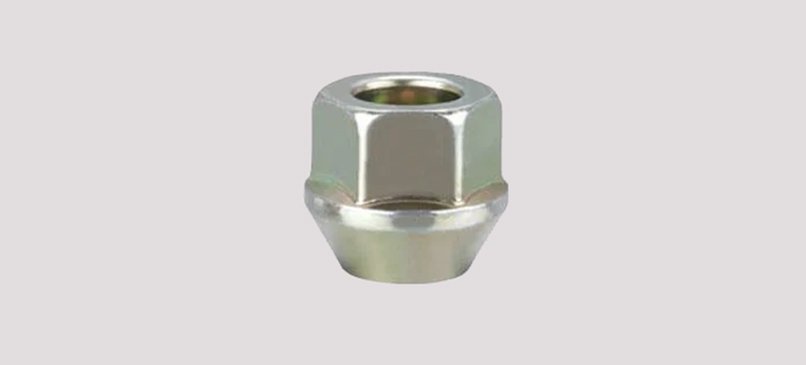
For vehicle owners frustrated with problematic two-piece wheel nuts, the most reliable solution is an upgrade. Switching to solid, one-piece lug nuts eliminates the design flaw that causes swelling and corrosion. This change provides long-term peace of mind and prevents future maintenance headaches.

Knowing When to Make the Switch

Vehicle owners should inspect their lug nuts for signs of failure. A proactive switch is better than waiting for an emergency. Key warning signs indicate it is time for a replacement.

  • Swelling: Rust between the steel core and the decorative cap causes the cap to swell. This makes standard wrenches very difficult to use.
  • Visible Damage: The outer caps may appear warped, dented, or show signs of rust bleeding from the edges.
  • Missing Covers: Severe rust can cause the chrome covers to fall off completely. The exposed inner nut is smaller than the factory wrench, requiring immediate replacement to avoid rounding it off.

Tip: If you notice any of these issues, you should install new lug nuts right away. This simple check can save you from being stranded with a flat tire you cannot change.

The Benefits of Solid Steel Construction

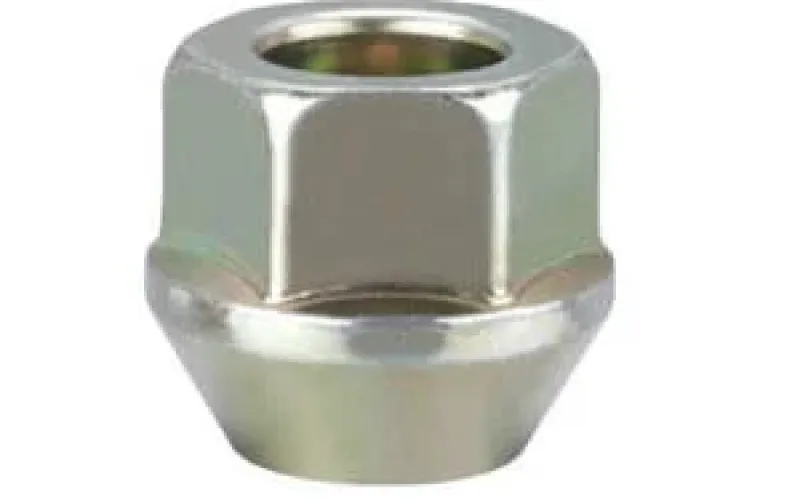
One-piece lug nuts are machined from a single piece of solid steel. This unified structure offers significant advantages. It completely removes the gap between a core and a cap, which is the primary failure point. Without this gap, moisture and road salt cannot get trapped inside. This prevents the internal corrosion that causes swelling.

Solid construction also ensures consistent performance. Fortune Auto lug nuts, for example, maintain their torque settings effectively. This stability resists loosening from road vibrations and temperature changes. Proper torque retention keeps the wheel securely fastened, contributing to predictable vehicle handling and overall safety.

A “Buy Once, Cry Once” Investment

Upgrading to high quality lug nuts is a smart investment in a vehicle’s reliability. While it requires an initial purchase, it solves the problem permanently. This “buy once, cry once” approach saves money and frustration over time by avoiding repeated mechanic bills for removing swollen nuts. Many aftermarket brands offer excellent one-piece options. Forum users often recommend Gorilla lug nuts for their reliability. One user noted, “I have been using Gorilla nuts on everything for years and have never been disappointed.”

Affordable and highly-rated options are widely available.

BrandProduct DescriptionBest Seller RankRating
MIKKUPPAM12x1.5 Lug Nuts for Ford Fusion, Focus, Escape#34.6 / 5 stars
GenericM12x1.5 Zinc Open End One-Piece Lug Nuts#44.6 / 5 stars
MIKKUPPAM14x1.5 F150 Lug Nuts for Ford F-150, Expedition#54.5 / 5 stars

This one-time upgrade ensures that a simple task like changing a tire never becomes an expensive or impossible ordeal.


Automakers select two-piece wheel nuts as a cosmetic, cost-saving measure. This design choice, however, has an inherent flaw that predictably leads to maintenance problems like swelling and corrosion. Frustrated owners have filed class-action lawsuits over these two-piece lug nuts.

As reported by Fortune, the issue is often legally considered a maintenance problem, not a critical product defect.

Therefore, upgrading from 2 piece lug nuts to a solid one-piece design offers the most effective solution for long-term vehicle reliability and hassle-free ownership.

FAQ

Are 2-piece lug nuts safe?

New 2-piece lug nuts are safe and meet federal standards. The safety issue arises later. Swelling prevents proper tightening with a standard wrench. An improperly torqued lug nut can lead to a wheel loosening over time, creating a significant safety risk on the road.

How can I identify 2-piece lug nuts?

You can spot them by looking for a thin seam near the base of the nut. This line shows where the decorative cap is crimped over the steel core. A solid one-piece nut will appear as a single, seamless piece of metal from top to bottom.

Can I reuse a swollen lug nut?

Technicians strongly advise against reusing a swollen lug nut. The damage is permanent and makes removal difficult. Forcing a wrench on and off further damages the cap. This creates a major risk if you get a flat tire and cannot remove the wheel.

What tools do mechanics use for swollen nuts?

Mechanics often use special tools to handle this common problem.

  • Half-size sockets (e.g., 18.5mm, 19.5mm) fit over the swollen cap.
  • Twist sockets grip and remove severely damaged or rounded nuts.

Tip: Using these tools prevents damage to the wheel itself during removal.

Do all car brands use 2-piece lug nuts?

Many major automakers, including Ford, GM, and Chrysler, use them extensively to save on production costs. However, not all manufacturers do. Some luxury brands and specific models use solid one-piece lug nuts for better long-term durability. It varies widely across the industry.

    Have any Questions about product?

    At sem a enim eu vulputate nullam convallis Iaculis vitae odio faucibus adipiscing urna.

    Request a quote Request a quote