What is the difference between rubber and metal tire valves?
 20Mar
20Mar 


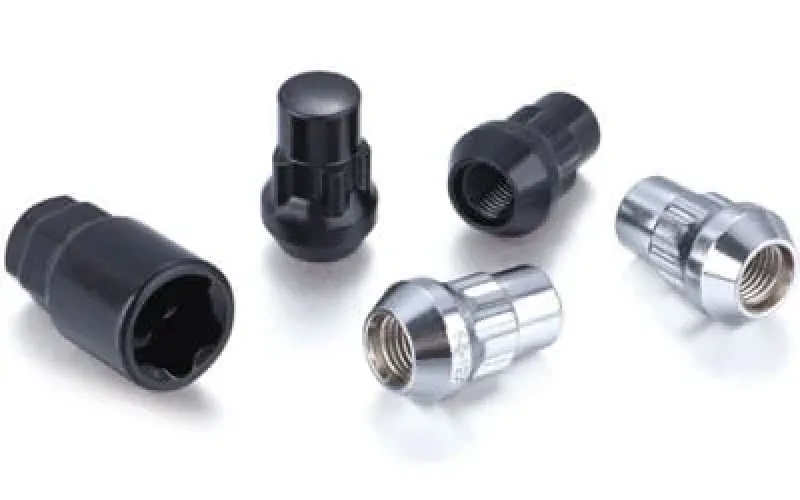
A wheel screw is a small but vital fastener. You will find it securing your vehicle’s wheel to the hub. These parts are essential for your safety on the road. They are the only components preventing a wheel from detaching while you drive.
A failure can be catastrophic. In the United States, tractor-trailers alone experience an estimated 750 to 1,050 wheel separations annually. Studies show that approximately 72% of wheel loss incidents are directly linked to maintenance issues, such as incorrect tightening.
Choosing the right fasteners for your wheels is not a guessing game. You must match the screw to your specific vehicle and wheel type. Using the wrong hardware can lead to serious safety issues. This guide will help you identify the correct parts for your car.
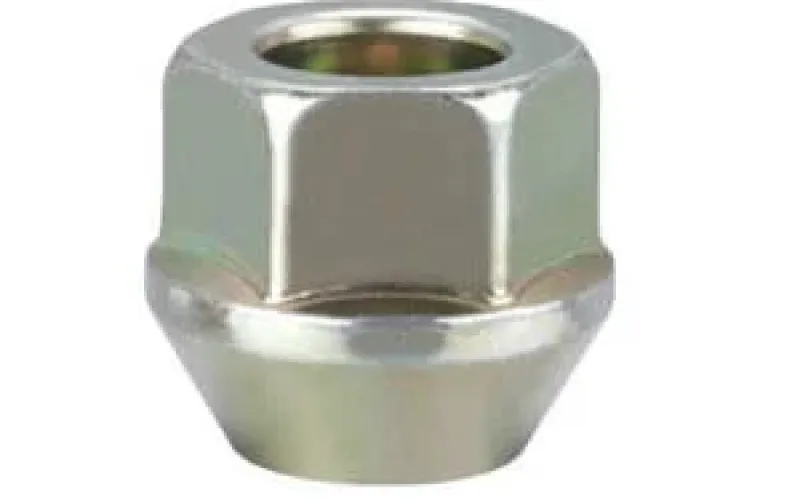
The “seat” is the area where the fastener makes contact with the wheel. This contact point is crucial for a secure fit. You will find several common seat types, each with a unique shape.
Using the wrong seat type is extremely dangerous. A mismatch creates weak contact points and uneven stress. This pressure can cause the fastener to crack or loosen over time, leading to catastrophic failure and wheel loss.
A wheel screw has a specific size you need to know. You will see it written as two numbers, like M12 x 1.5. The first number (M12) is the diameter of the screw in millimeters. The second number (1.5) is the thread pitch, or the distance between threads. A proper match ensures the screw threads correctly into your vehicle’s hub.
Here are some common sizes for popular vehicles:
| Vehicle Brand | Common Screw Size |
|---|---|
| Honda, Toyota, Mazda | M12 x 1.5 |
| Ford, GM, Chrysler (SUVs/Trucks) | M14 x 1.5 |
| Subaru, Nissan, Infiniti | M12 x 1.25 |
The best way to find the correct screw specifications is to check your vehicle’s owner’s manual. The manufacturer provides the exact size, thread pitch, and seat type required for your car. If you cannot find your manual, the manufacturer’s official specifications are another reliable source. This step ensures you get a perfect fit for maximum safety on the road.
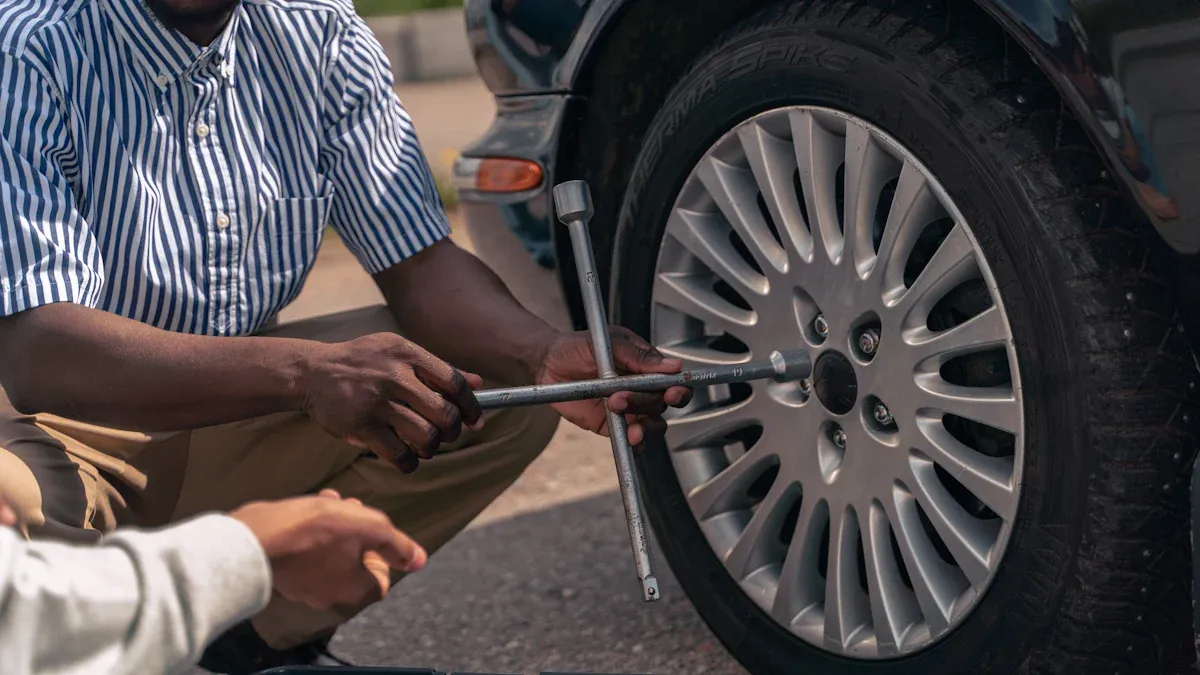
Installing your wheel screws correctly is just as important as choosing the right ones. Proper installation ensures your wheels are secure and your vehicle is safe to drive. This process requires precision and the right tools.
You might hear the word “torque” used in auto shops. Torque is simply a twisting or rotational force. Think about using a screwdriver. The twisting force you apply to turn the screw is torque. In automotive terms, it is the specific amount of force needed to tighten a fastener correctly.
Applying the correct torque is critical for several reasons:
Tightening your wheel screws is a precise job. You should not guess the tightness. Using a torque wrench and a specific pattern are essential for a safe and secure fit.
Follow these steps for a perfect installation:
Important Tip ⚠️: Avoid using impact guns for final tightening. These tools are powerful and often inaccurate. They can easily over-tighten fasteners, leading to significant damage.
Improper tightening is a major safety hazard. Both over-tightening and under-tightening can lead to serious problems. Studies show that a staggering 45% of component failures are a direct result of improper torque.
Under-tightening is the most common cause of wheel loss. Research indicates that 68% of wheel-off incidents happen because fasteners were too loose. A loose wheel can cause vibrations, poor steering, and eventually detach from the vehicle.
Over-tightening is also incredibly dangerous. Applying too much force can:
Always use a torque wrench to ensure your wheels are tightened to the manufacturer’s exact specifications. This simple step is one of the most effective things you can do to prevent a catastrophic failure on the road.

Your wheel screws work hard, but they do not last forever. Knowing when to replace them is a key part of vehicle maintenance. Regular checks can help you spot problems before they become dangerous.
You should inspect your fasteners every time you rotate your tires. Visual checks can reveal many issues. For example, rusty studs are a clear visual indicator of potential damage or wear. You can also often identify visible damage, like stripped threads, with your naked eye.
Look for these other warning signs:
If you see any of these problems, you must replace the hardware immediately.
Replacing a broken wheel stud is a job you can do with the right tools. This guide simplifies the process.
Tools & Materials You Will Need:
- Socket/Ratchet Set
- Tie Rod End Remover
- Torque Wrench
- New Wheel Studs
- Steel Washers
- Two Lug Nuts (one for installation, one for the road)
Follow these steps to replace a broken stud:
When you need a new wheel screw, quality matters most. Always choose replacements that match your vehicle’s original specifications for seat type, size, and thread pitch. You can find this information in your owner’s manual. Avoid generic, low-cost parts from unverified sources. High-quality fasteners from reputable manufacturers provide the strength and reliability you need for safe driving. Investing in the right parts protects you, your passengers, and your vehicle.
Proper maintenance is the best way to ensure your wheel fasteners provide long-term safety. You can extend their life and prevent dangerous failures with a few simple habits. This routine care keeps your vehicle secure on the road.
You should inspect your fasteners regularly. A daily look at your tires can help you spot issues early. Make a detailed check part of your routine every time you rotate your tires.
Here is a simple checklist to follow:
Pro Tip: If you notice any signs of a wheel slipping, discoloration on the hubcap, or a fastener that will not tighten, you must address the issue immediately. These are serious safety warnings.
Re-torquing is a critical safety step after any wheel service. Wheels can settle after you drive on them. This settling process can cause the clamping force to decrease, making the fasteners loosen. Grit or dirt trapped between the wheel and hub can also contribute to this issue.
Industry experts recommend you re-torque your wheels after driving a short distance.
Clean hardware creates a safer connection. Dirt, rust, and grime on the threads or seats can give you a false torque reading. This means the fastener may feel tight when it is actually not.
Follow these tips for proper cleaning:
Important Note ⚠️: You should generally avoid applying oil or anti-seize compounds to the threads. These lubricants can cause you to over-tighten the fasteners, which can stretch the bolts and lead to failure. Always follow your vehicle manufacturer’s specific recommendations.
Your safety on the road depends on your wheel screws. Using the correct, properly torqued fasteners is a non-negotiable part of vehicle maintenance. Remember that even correctly tightened screws can loosen from micromovement when you hit a pothole.
Make these practices a habit to prevent accidents:
Prioritizing these steps is a responsible commitment to your safety.
You should avoid reusing old wheel screws. Repeated tightening and loosening causes “thread fatigue,” which weakens the metal. For maximum safety, you should install new hardware when getting new wheels. This practice ensures a secure connection and prevents unexpected failure on the road.
Using the wrong seat type creates a dangerous, unstable connection. The screw will not make full contact with the wheel. This leads to uneven pressure, which can cause the screw to loosen or even break while you are driving. Always match the seat to your wheel.
Yes, a torque wrench is essential. It is the only tool that guarantees you apply the precise force specified by your vehicle’s manufacturer. Guessing tightness or using an impact wrench for final tightening can lead to dangerous under-tightening or component damage.
Several issues can cause this problem. Common culprits include improper initial torque, dirt on the mating surfaces, or using the wrong seat type. Vibration from driving can also contribute. Always re-torque your wheels 50-100 miles after any wheel service to keep them secure.
 Request a quote