What is the difference between rubber and metal tire valves?
 20Mar
20Mar 

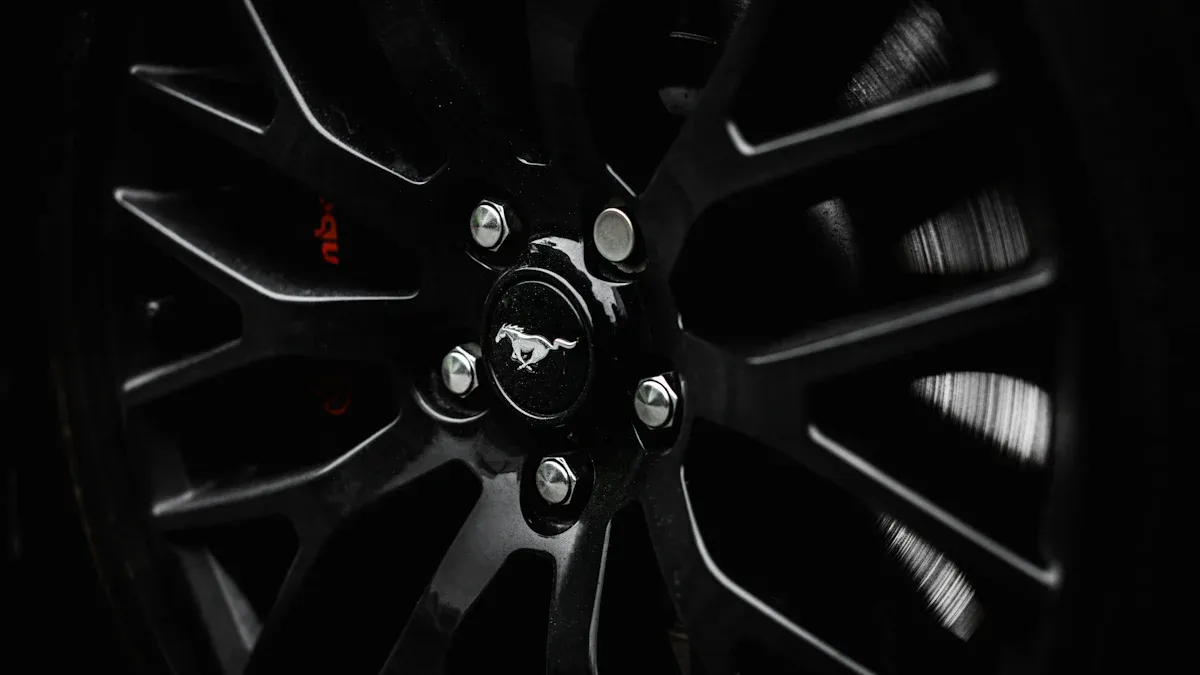
You must ensure your wheel safety. A loose lug nut can lead to disaster, especially on heavy vehicles. These situations cause dangerous wheel-off accidents.
A study found that a loose lug nut was the cause in 65% of wheel separation cases.
Wheel safety nuts provide a vital secondary lock. They create a physical barrier. This barrier stops the main lug nut from turning loose from vibration and stress. This simple device is a non-negotiable part of modern wheel safety.

You can choose from several types of wheel safety nuts. Each type uses a different method to secure your wheels. Understanding these options helps you select the right protection for your vehicle.
This design uses two connected pieces. You have a main nut and a separate, free-spinning washer or flange. When you tighten the nut, the flange presses firmly against the wheel’s surface. The friction and pressure create a strong locking force. This design resists the vibrations that can cause a standard lug nut to loosen over time.
These systems link multiple lug nuts together with a single retaining ring. This connection prevents any individual lug nut from rotating independently. The MACS Wheel Nut Retention System, for example, is designed specifically to decrease the chance of wheel loss.
System Benefits:
- Retains Nuts: The ring structure holds the wheel nuts in place, stopping them from backing off.
- Protects Nuts: Protective caps shield each nut from weather, corrosion, and road debris.
- Reduces Buildup: The design minimizes dirt accumulation in the threads of the nut and stud.
You can find high-quality retaining rings from trusted manufacturers like Rotor Clip and American Ring.
Thread-locking nuts feature a special material built into their threads. This could be a nylon ring or a pre-applied chemical adhesive. As you tighten the nut, this material creates extra friction and resistance. This friction helps lock the nut in place.
Many people ask if you can reuse these nuts. While some manufacturers recommend replacing them each time, reusability often depends on the nut’s condition. The most important factor for wheel security is achieving the correct torque, which creates the primary clamping force. The locking feature is a secondary safeguard.
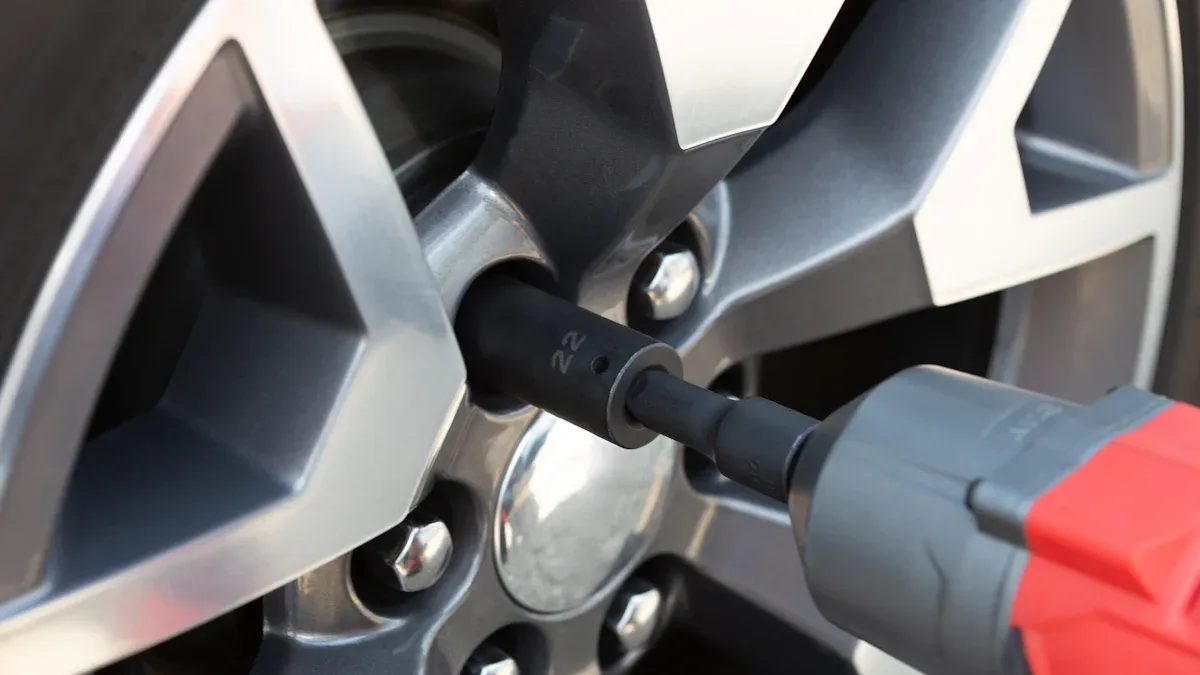
A reliable wheel safety system depends on correct procedures. You must follow a consistent checklist from installation to daily inspection. This four-step guide helps you guarantee your wheels are secure and your vehicle is safe.
Proper safety begins before you even pick up a wrench. A thorough inspection of your wheel components is the foundation of a secure fit. You should never install a lug nut on a damaged or dirty stud. Before installation, you must check every part.
- Good Condition: Ensure wheel studs and threads are clean and in good shape.
- Size Match: Confirm the studs and nuts match the size requirements for your wheel.
- No Thread Damage: Look closely for any stretched or damaged threads on the stud or nut.
- Perfectly Rounded Stud Holes: Check that stud holes on the wheel are perfectly round. An oval or elongated hole signals dangerous stud stretching.
- Absence of Rust: Look for rust streaks coming from a wheel stud, as this can indicate movement and potential looseness.
Proper torque creates the clamping force that holds your wheel in place. This is the most critical part of the installation process. Always use a calibrated torque wrench to tighten each lug nut to the manufacturer’s exact specification. Guessing or using an impact wrench for final tightening can lead to serious problems. Both over-tightening and under-tightening create significant risks.
| Issue | Consequences of Incorrect Torque |
|---|---|
| Over-Torquing | Can strip threads on your studs or nuts. It may also warp brake rotors, causing pulsation when you brake. This makes future service difficult and expensive. |
| Under-Torquing | Allows the wheel to loosen from road vibrations. You might feel steering wheel vibrations at high speeds. This puts extra stress on the remaining nuts and can lead to complete wheel loss. |
Your job is not finished after the initial installation. Regular checks are essential for long-term wheel security. You should make visual and physical inspections part of your daily pre-trip routine. These checks help you spot a loose nut before it becomes a major hazard.
One simple physical check is to look for rust streaks around a wheel nut. This rust indicates that moisture is getting into a gap created by a loose connection. You can also use visual indicators for a quick and effective check. Small, brightly colored plastic tags can be attached to your wheel safety nuts. You align them in a uniform pattern after torquing. If a nut loosens, the tag will rotate out of alignment, giving you a clear visual warning. Systems like Wheel-Check® use this principle to make walkaround inspections fast and reliable, ensuring your continued safety on the road.
Your work on wheel safety does not end after the initial installation. Wheels go through a settling-in period. The new components compress slightly under the vehicle’s weight and operational stress. This can cause a small but significant loss in clamping force. Scheduled re-torquing is a critical step to counteract this effect and ensure long-term security.
Why Re-Torque? After you drive a short distance, the wheel, hub, and lug nut surfaces settle against each other. This can make a perfectly torqued lug nut become slightly loose. Re-checking the torque ensures the connection remains tight and secure.
You should follow a specific schedule for re-torquing after any wheel service. Many technicians and drivers find that nuts need adjustment at multiple intervals. A common schedule looks like this:
Proper maintenance requires the right tools. Using the wrong tool can be just as dangerous as not checking at all. Your primary tool for this job is a calibrated torque wrench.
| Tool Type | Best Use Case |
|---|---|
| Click-Type Wrench | Excellent for general use with good precision (±4% accuracy). |
| Beam-Type Wrench | A simple and durable option suitable for heavy-duty jobs. |
| Digital Wrench | Offers the highest accuracy and can log data for maintenance records. |
Tool care is just as important as tool selection. An inaccurate wrench gives you a false sense of security. To maintain tool accuracy and ensure your safety:
Following these maintenance steps is a non-negotiable part of a complete wheel safety system. It guarantees that your initial hard work pays off, keeping you and others safe on the road.
You can prevent most wheel-off accidents by understanding their common causes. These failures often begin with small mistakes or overlooked warning signs. Recognizing these failure points is the first step toward greater road safety.
Improper installation is a leading cause of wheel system failure. In fact, studies show that 83% of wheel separation incidents occurred shortly after the vehicle had maintenance. This highlights how critical correct procedures are. A single mistake during installation can lead to a loose lug nut and a dangerous situation, especially for heavy vehicles.
You must avoid these common installation errors to ensure your safety:
- Incorrect Torque: Using an impact wrench for final tightening can easily over-stretch or under-tighten a lug nut.
- Dirty Surfaces: Rust, dirt, or even thick paint on the wheel’s mounting surface can create a ‘soft joint’ that prevents a secure fit.
- Wrong Parts: Using a mismatched lug nut or stud can prevent proper seating.
- Uneven Tightening: You should always tighten nuts in a star pattern to apply even pressure.
Your wheel components endure constant stress and will wear out over time. Frequent wheel changes can stretch studs, and corrosion can weaken metal parts. A stretched stud cannot maintain the correct clamping force and will eventually break. You can check for this by trying to thread a nut by hand. If the nut binds before it is fully on, the stud is likely stretched and needs replacement.
Corrosion is another silent threat. It can:
Your vehicle often gives you warning signs before a wheel becomes dangerously loose. You must learn to recognize these signals. Ignoring them can have catastrophic consequences. While wheel safety nuts provide a crucial defense, you should still pay attention to your vehicle’s behavior.
Listen and feel for these early indicators:
You can enhance your wheel safety system by adding advanced tools and knowledge. These measures provide extra layers of protection. They help you catch problems before they become dangerous.
Visual lug nut indicators give you a quick way to check wheel security. These are small, pointed plastic arrows that you place on each lug nut after torquing.
How They Work:
- You align the indicators in a clear pattern, such as pointing to the next nut in a chain.
- If a lug nut loosens, its indicator will rotate out of the pattern.
- This break in the pattern provides an immediate visual warning during a walkaround check.
Some indicators also warn you about high heat. These special indicators melt at high temperatures, around 302°F (150°C). This can alert you to a failing bearing or dragging brake, helping you prevent a wheel fire and improve overall safety.
Proper training ensures that technicians install wheel components correctly every time. Well-trained technicians understand the reasons behind each step. This knowledge reduces installation errors. Many companies now offer certification programs to improve technician skills.
For example, you can find free online courses like the RevHD Wheel-End Training program. These courses teach you how to diagnose and fix wheel-end failures. Completing a course and passing a quiz earns you a certificate, providing proof of your expertise.
Using the right parts and following official guidelines is essential for safety. You must always use components that meet Original Equipment Manufacturer (OEM) specifications.
For stock vehicles, you can find the correct wheel torque specifications in the owner’s manual. If you use aftermarket parts, you risk serious problems. These parts may have lower quality, fit poorly, or cause other components to fail. Using non-OEM parts can also void your vehicle’s warranty, leaving you to pay for expensive repairs if a lug nut or stud fails.
Your wheel safety nuts are a non-negotiable defense against dangerous wheel-off events. These parts undergo extreme vibration testing to prove they can prevent loosening. You must immediately integrate the 2025 Safety Checklist into your maintenance routines to guarantee wheel security. Prioritizing continuous training and using validated parts ensures your wheel safety system remains effective. Even large truck manufacturers urgently test alternative nuts to maintain production and safety standards. Your commitment to these steps is essential for road safety.
A standard lug nut relies only on clamping force to stay tight. A wheel safety nut adds a secondary locking feature. This feature, like a retaining ring or special threads, physically stops the nut from backing off due to vibration, providing an extra layer of security.
You should perform a quick visual check daily as part of your pre-trip inspection. Look for visual indicators that are out of alignment. After any wheel service, you must re-torque the nuts after driving 20-50 miles to ensure they remain secure.
Reusability depends on the nut’s type and condition.
Important: Some thread-locking nuts are designed for single use. Always inspect any nut for thread damage or wear before reinstalling it. When in doubt, you should replace the nut to guarantee safety.
A torque wrench is the only tool that guarantees you apply the correct clamping force.
Using a calibrated torque wrench prevents these dangerous installation errors.
Yes. Even the best lug nuts, made from premium materials by ISO9001 certified manufacturers, rely on proper torque. Wheel safety nuts provide a crucial backup system. They act as insurance against the loosening that can happen from normal operational stress, keeping your wheels secure.
 Request a quote