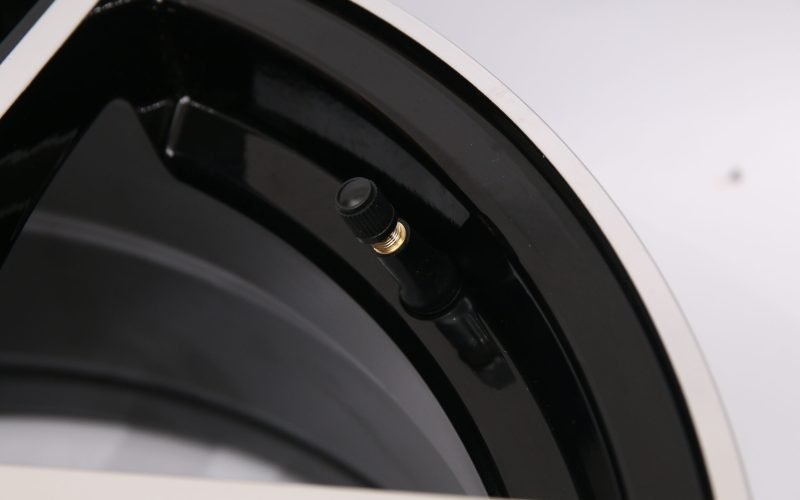
What is the difference between rubber and metal tire valves?
 20Mar
20Mar 

You rely on wheel nuts to keep your wheels secure during every drive. Industry studies show that the right wheel nut choice is critical for safety, especially when vehicles face extreme forces. High-strength materials and proper torque help prevent wheel detachment and keep your car stable.

When you look at wheel nuts, you notice that each type has a unique shape and purpose. The main features that set them apart include the seat type, thread size, and the way they fit onto your wheel. You need to match the right lug to your vehicle for a secure fit and safe driving.
Here is a table that shows the most common types of wheel nuts and their uses:
| Type of Wheel Nut | Description | Application |
|---|---|---|
| Spherical Seat | Round/dome shaped end for contact with the wheel. | Used on wheels with dome shaped lug holes, common in European cars. |
| Conical Seat | Cone shaped lug seats with a 60-degree taper. | For aftermarket wheels with 60-degree tapered lug holes, often used in motorsports. |
| Mag Type with Flat Washer | Long thread and flat washer seat for flush fit against the wheel. | Commonly found on OEM wheel applications. |
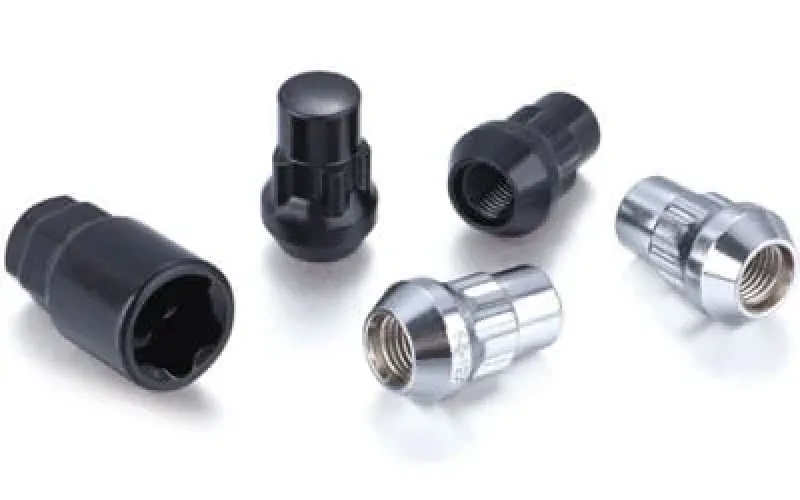
| Tuner Nuts | Requires a special key/tool for installation/removal. | Used in aftermarket applications for added security. |
| Spline Drive | Features spline grooves and requires a unique tool. | Mainly found on aftermarket wheels for added security and weight reduction. |
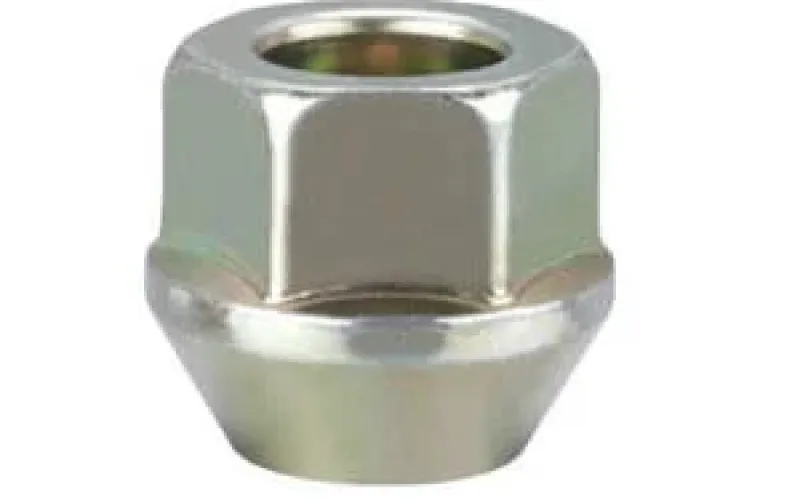
| Open Ended | Threaded the length of the nut, allowing for longer wheel studs. | Commonly used in racing applications or with wheel spacers. |
| Lug Bolt | Threads onto the hub, bolting the wheel and brake rotor directly. | Common in many European cars, simplifies brake rotor changes but complicates wheel mounting. |
You see that each lug type serves a specific function. For example, a conical seat lug works best with aftermarket wheels, while a mag type with a flat washer fits flush against the wheel for original equipment. Spline drive and tuner nuts offer extra security, especially if you want to protect your wheels from theft.
Different vehicles also use different lug designs. Here is another table that shows how lug nut types vary by vehicle:
| Lug Nut Type | Description | Common Applications |
|---|---|---|
| Cone Seat | Tapered end, typically 60 degrees, helps center the wheel on the axle. | Passenger cars, trucks |
| Bulge Cone Seat | Similar to cone seat but with a bulged shape for added grip. | Trucks, SUVs |
| Under Hub Cap | Designed to fit under a hub cap, providing a cleaner look. | Passenger cars |
| Spline Drive | Uses a spline pattern for a secure fit, often seen in racing applications. | Racing vehicles |
You need to check your vehicle’s requirements before choosing a lug. Passenger cars often use cone seat lugs, while trucks and SUVs may need bulge cone seat lugs for extra grip. Racing vehicles benefit from spline drive lugs, which provide a secure fit and help reduce weight.
The design of your wheel nuts plays a big role in how your vehicle handles and how safe it is on the road. When you use lightweight lugs, you might save weight, but you also risk losing durability. Lightweight lugs can be more fragile than standard steel options. If you use them with harder metals, you may strip the threads. This can lead to a loose fit, which affects your safety.
A secure lug fit keeps your wheel stable. If the lug does not fit well, you may feel vibrations while driving. These vibrations can make your car harder to control, especially at high speeds or on rough roads. You want to avoid any risk of your wheel coming loose, so always choose a lug that matches your wheel and vehicle type.
Tip: Always check the seat type, thread size, and material before installing new wheel nuts. This helps you avoid problems with fit and safety.
When you select the right lug, you improve your vehicle’s handling and durability. You also reduce the risk of mechanical failures. Aftermarket lug nuts can offer extra security and style, but you must ensure they are compatible with your wheels and vehicle.
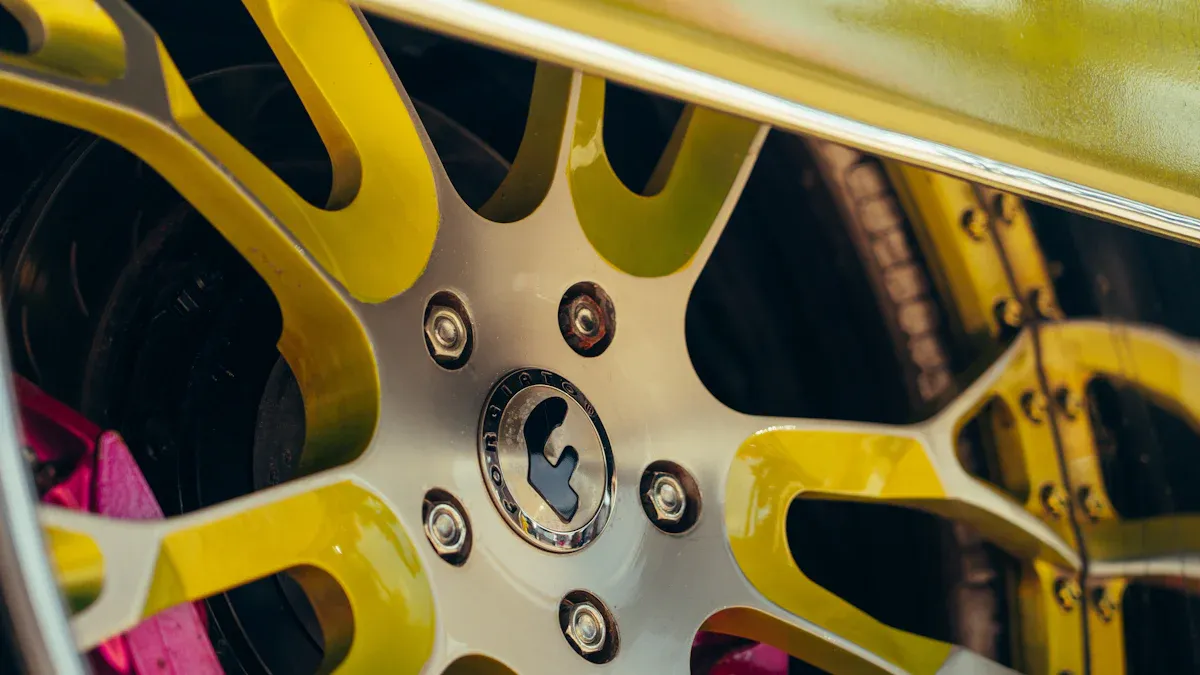
You will find acorn lug nuts on most passenger cars and light trucks. These lugs, also called conical lug nuts, have a 60-degree tapered seat. This shape helps center the wheel and gives a strong, even grip. The design prevents offset issues and keeps your wheels secure.
Here is a quick look at the main features of acorn lug nuts:
| Specification Type | Details |
|---|---|
| Common Name | Acorn lug nuts (also known as conical lug nuts) |
| Seat Angle | 60 degrees, designed for precise fit into wheel holes |
| Material Options | Carbon steel, alloy steel, stainless steel, titanium |
| Performance Metrics | Tensile strength, yield strength, hardness, corrosion resistance, fatigue resistance |
| Applications | Used in both factory and aftermarket wheels for secure fastening and safety in automotive use |
You get several benefits from this type of lug. The 60-degree taper creates a self-centering action. This helps distribute load evenly and keeps your wheels balanced. You can use these lugs with both factory and aftermarket wheels. They work well for daily driving and high-performance needs.
Tip: Always match the seat angle of your lug to your wheel for the best fit and safety.
If you want extra security for your wheels, spline drive lug nuts are a smart choice. These lugs have grooves along the sides and need a special socket for installation and removal. Thieves cannot use standard tools to remove them, so your wheels stay safer.
You will see spline drive lugs on high-performance and luxury vehicles. They fit well with tuner wheels or wheels that have small lug holes. The design increases the contact area with the wheel, which means better torque and less chance of loosening from vibration.
Here are some reasons to choose spline drive lugs:
Mag seat lug nuts, also called flat seat lug nuts, serve a special purpose. You will find them on wheels that need a flat surface for the lug to press against. These lugs often come with a washer to spread the clamping force.
You get several advantages with mag seat lugs:
You should use mag seat lugs when your wheels require a flat seat design. This type is common on some factory wheels and specialty aftermarket wheels. Always check your wheel’s requirements before choosing this lug.
Note: The most common types of lug nuts include acorn, spline drive, mag, tuner, and locking lug nuts. Each type fits a specific need and vehicle style.
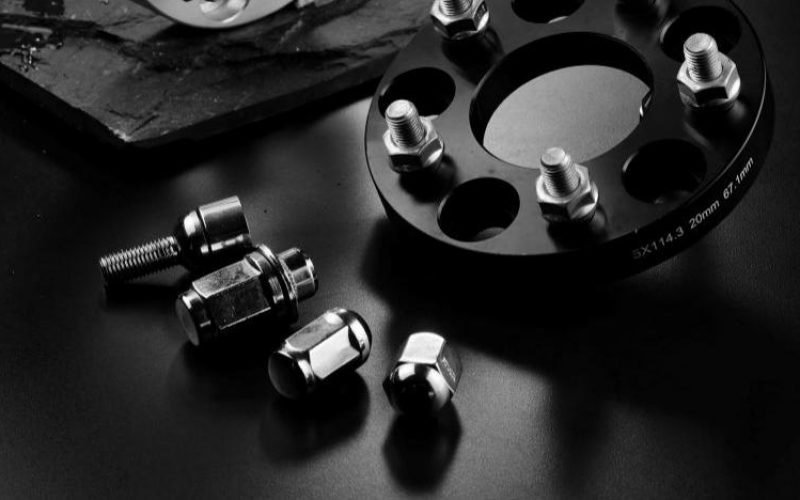
You often see tuner lug nuts on custom wheels. These lugs work well with wheels that have deep or small diameter lug holes. Tuner lugs fit inner mount lug adapters, so you get a secure fit even when space is tight. You can choose from different configurations, such as 6 point or 9 point, to match your wheel design.
Here is a table that shows how tuner lug nuts improve both the look and function of your wheels:
| Feature | Description |
|---|---|
| Design | The sleek black finish enhances the vehicle’s appearance, providing a sporty and unique look. |
| Efficient | Lightweight design contributes to improved acceleration and handling, enhancing overall vehicle performance. |
| Reliable | Designed to reduce vibrations, ensuring a smoother and more comfortable ride, especially on long trips. |
| Secure | Provides a solid grip to keep wheels tightly fastened, crucial for driving safety. |
You get both style and safety when you choose tuner lugs for your custom wheels.
Spherical lug nuts, also called ball seat lugs, have a rounded shape. This design helps you get a precise fit in ball seat lug holes. You benefit from even clamping force when you torque these lugs properly.
If your wheels require a ball seat lug, always use spherical lug nuts for the best fit and safety.
You can find many other specialized lug types for different needs. Some lugs, like open-end or closed-end, work best for racing or when you use extended thread lug nuts. Locking lugs help protect your wheels from theft.
Here is a table that shows some specialized lug types and their uses:
| Type of Lug Nut | Specific Use / Application | Price Range |
|---|---|---|
| Brass Lug Nuts | Budget-friendly for high volume standard applications | $0.02-$0.05 |
| A2-70 Stainless Steel | Economical corrosion resistance | $0.01 |
| Titanium Lug Nuts | Exceptional strength-to-weight ratio and corrosion resistance | $5.26-$6.13 |
| Spike Lug Nuts | Custom wheel market aesthetics | N/A |
| Anodized Aluminum | Customization for aesthetics | N/A |
| Spline Drive Nuts | Security and distinctive look | N/A |
| Mag Style Lug Nuts | OEM replacement for precise fitment | N/A |
| Ford-specific Solid Head Nuts | Designed for specific Ford applications | N/A |
| Standard Conical Seat Lug Nuts | Balanced value with strong customer feedback | $0.14-$0.17 |
Locking lug nuts offer extra protection. They use a unique key tool for installation and removal. Made from strong steel, they resist tampering and keep your wheels safe.
Tip: Always match your lug type to your wheel and driving needs for the best safety and performance.
You need to match the seat of your lug to the wheel for a secure fit. The seat is the part of the lug that touches the wheel. If you use the wrong seat, the lug may not hold the wheel tightly. This can cause the wheel to loosen or even detach. Most wheels use one of three seat types: conical, flat, or spherical.
Here is a table to help you understand the differences:
| Seat Type | Description | Application |
|---|---|---|
| Conical | 60-degree angled surface, self-centering | Popular for aftermarket wheels |
| Flat | Completely flat surface, often with a washer | Used with flat seat lug nuts |
| Spherical | Rounded, bowl-shaped surface | Matches ball seat lug holes |
Conical lug nuts work well for aftermarket lug nuts because they center themselves. Flat seat lug nuts use a flat surface and often need a washer for even pressure. Spherical lug nuts fit into a ball seat lug and give a precise fit. Always check your wheel’s seat type before you choose a lug.
Note: The seat type affects how well the lug holds the wheel. Using the correct seat improves safety and performance.
You must choose the right lug nut size and thread pitch for your vehicle. The thread pitch is the distance between the threads on the lug. If you use the wrong size, the lug will not fit or may damage the threads. Proper thread engagement is key for safety.
The material of your lug affects strength, weight, and corrosion resistance. Steel lugs are strong and last a long time. Aluminum lugs are lighter but may not be as strong. Titanium lugs offer high strength and resist rust, but they cost more.
| Material | Tensile Strength (PSI) | Corrosion Resistance | Hardness (HRC) | Notes |
|---|---|---|---|---|
| Grade 8.8 | 150,000 | Fair (with plating) | N/A | Durable, good for many uses |
| Zinc Plating | N/A | Excellent | N/A | Protects against rust, smooth finish |
| Alloy 4140 | N/A | Good | 25-34 | Heat-treated for extra durability |
You should pick the material based on your driving style and needs. Heavy-duty lugs work best for off-road or aggressive driving. Always follow the manufacturer’s torque specs when installing a lug nut to avoid problems like warped brake discs.
You want your wheel nuts to last and look good. The finish and coating you choose play a big role in how well your nuts resist rust and wear. Different finishes protect the seat and the flat surfaces of the nut, making sure you get strong thread engagement and long-lasting performance.
Chrome plating gives your nut a shiny look and helps prevent corrosion. Electrophoresis painting covers every part of the nut, even the flat areas and the seat, so moisture cannot reach the metal. This coating stops rust from forming and keeps your nut strong for years. Zinc coatings are popular because they offer high corrosion resistance and cost less. Hot-dip galvanizing, a type of zinc coating, adds a thick layer to the nut. This makes it perfect for outdoor use or places with lots of humidity.
Here is a table showing common finish options and their benefits:
| Finish Type | Protection Level | Appearance | Best Use Cases |
|---|---|---|---|
| Chrome Plating | High | Shiny | Daily driving, show cars |
| Electrophoresis Paint | Superior | Matte or glossy | All climates |
| Zinc Coating | High | Silver/gray | Humid areas, outdoors |
| Hot-Dip Galvanizing | Very High | Dull gray | Off-road, wet climates |
You should always check the seat and flat surfaces for proper coating. This helps you get the best thread engagement and keeps your nut working well. A good finish protects your investment and keeps your wheels safe.
Tip: Choose a finish that matches your climate and driving style. This helps you avoid rust and keeps your wheels looking sharp.
You want to keep your wheels safe from theft. Modern wheel nuts come with special security features that protect your car. Locking wheel nuts use a unique pattern or key, so only you can remove them. These nuts guard the seat and flat areas, making it hard for thieves to get a grip.
Here are some popular anti-theft designs:
Wheel boot designs cover the flat and seat areas, stopping thieves from reaching the nut. Lug nut locks use special keys for secure engagement. Wheel clamps and heavy-duty metal constructions give you even more protection, especially in risky areas.
Note: Regularly check your locking nuts and keep your key handy. This ensures you always have strong thread engagement and secure wheels.
You need to check the specifications of your vehicle before you select a lug. Every car and truck uses a specific lug size and seat type. If you use the wrong lug, you risk damaging your wheel or causing unsafe driving conditions. You should look at your owner’s manual or ask a trusted mechanic for the correct lug nut size and thread pitch. Many vehicles use conical seats, but some require flat or spherical seats. Aftermarket lug nuts often come in different shapes, so you must match them to your wheel design. Always confirm the seat type and thread size before you buy a new nut.
Tip: Use a thread gauge to measure the pitch and diameter of your wheel studs. This helps you avoid mistakes and ensures a secure fit.
You want your lug to perform well in all driving situations. If you drive off-road or tow heavy loads, you need a strong nut made from steel or titanium. For daily driving, standard steel lugs work well. Aftermarket lug nuts offer extra style and security, especially if you want to protect your wheels from theft. You should also consider the finish. Chrome and zinc coatings resist rust and look sharp. If you live in a wet climate, choose a nut with a durable coating to prevent corrosion.
| Driving Condition | Recommended Lug Type | Material | Finish |
|---|---|---|---|
| Off-road/Towing | Heavy-duty lug | Steel/Titanium | Zinc/Chrome |
| Daily Driving | Standard lug | Steel | Chrome |
| Custom/Show Cars | Aftermarket lug nuts | Aluminum/Titanium | Anodized |
You can use this checklist to make sure you pick the right lug for your vehicle:
Note: Always torque your lug nuts to the manufacturer’s specifications. This keeps your wheels safe and secure.
You now understand why choosing the right wheel nuts matters for your safety and your vehicle’s performance. Always check the seat type, size, and material before you buy. Look for quality and compatibility to keep your wheel secure. Fortune Auto Parts puts your needs first. The company tests every product and uses strong materials. You get reliable service and innovative solutions every time.
Tip: Review your vehicle’s manual and consult experts if you have questions about wheel nuts.
You risk your wheel not fitting tightly. This can cause the wheel to loosen while you drive. Always check your wheel’s seat type before you install new nuts.
You should check your wheel nuts every time you rotate your tires or after driving 50 miles on new wheels. Regular checks help prevent loose wheels and keep you safe.
You can reuse a lug nut if it shows no signs of damage or wear. Always inspect for stripped threads or rust. Replace any nut that looks worn out to ensure safety.
Locking wheel nuts help protect your wheels from theft. You need a special key to remove them. This makes it harder for someone to steal your wheels.
 Request a quote