What is the difference between rubber and metal tire valves?
 20Mar
20Mar 

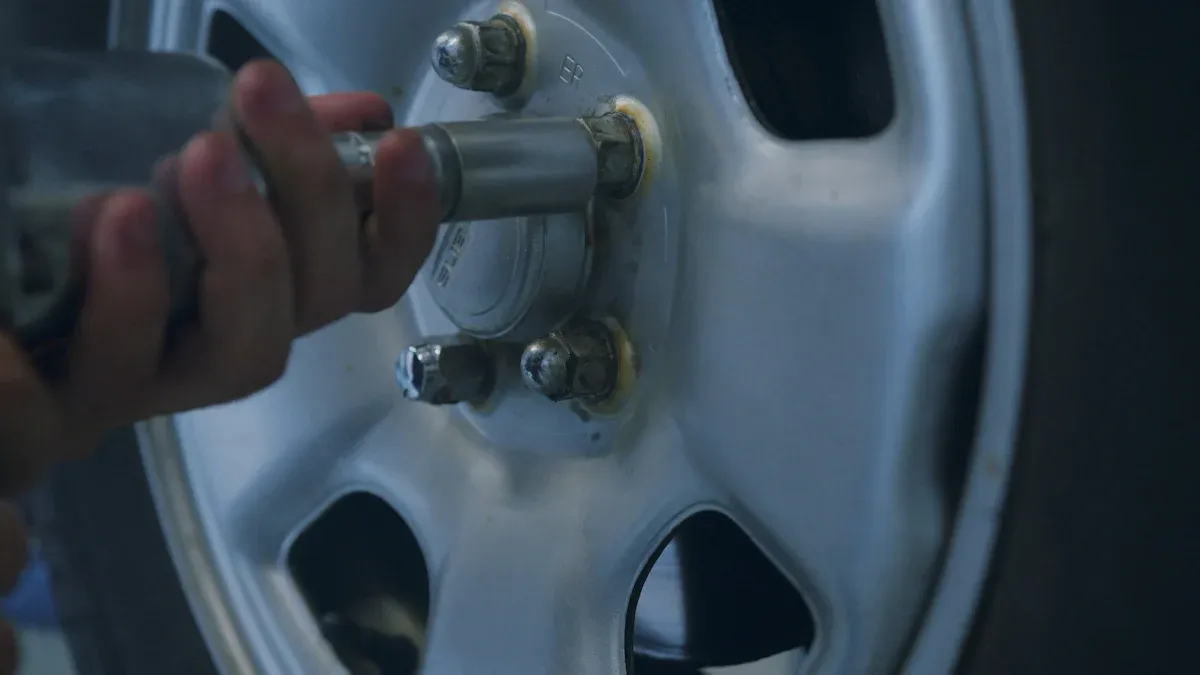
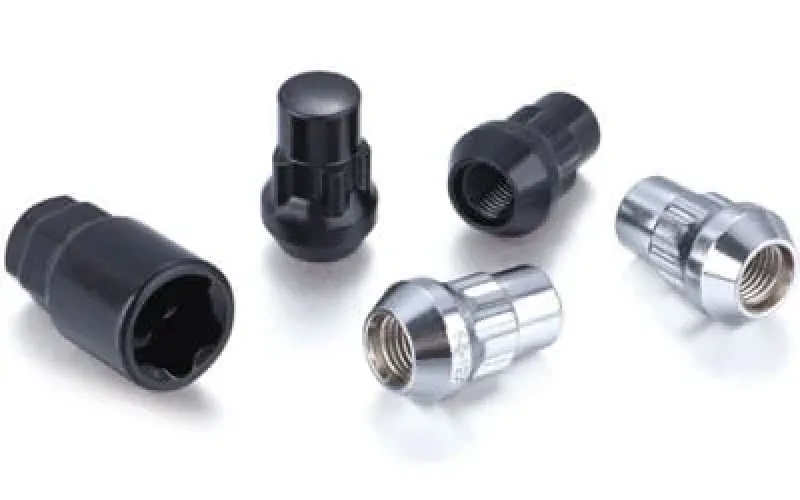
You want your wheels to stay secure and safe every time you drive. The best way to do this is to match your car’s specifications and wheel type, then check the size, seat style, and material for a proper fit. There are several types of wheel lug nuts used by major vehicle brands. These include budget OEM replacements, tuner designs, performance racing options, security styles, and custom CNC machined nuts. You can see the differences in the chart below.

You should start by checking your owner’s manual. Most manuals list the lug nut size, thread size, pitch, and seat type for your vehicle. This information helps you find the correct lug nut quickly.
If you do not have your manual, you can often find the same information on the manufacturer’s website or by contacting a dealership.
You need to match the specifications from your vehicle’s manufacturer. These details include seat type, thread size and pitch, wrenching type, appearance, and torque specifications.
Tip: Always use the correct lug nut for your wheel studs. This keeps your wheels centered and secure.
Here are the most important specifications to check:
Matching these specifications ensures safety and prevents damage to your wheels.
You may use OEM wheels or switch to aftermarket wheels. Each type has different requirements for lug nuts. Using the wrong lug nuts can cause improper seating and affect safety.
| Feature | OEM Wheels | Aftermarket Wheels |
|---|---|---|
| Lug Nut Type | OEM or OE replacement lug nuts | Specialty lug nuts (e.g., spline drive, tuner) |
| Thread Size | Standard sizes as per vehicle specifications | Varies based on wheel design |
| Seating Style | Typically conical or flat | May include conical, mag, or ball seat styles |
| Identification | Automaker’s logo on center cap | Custom designs or brand names |
When you choose aftermarket wheels, you must confirm the lug nut size and seat style. Specialty lug nuts may be needed for custom wheels. Always check the wheel manufacturer’s recommendations to ensure you select the correct lug nut.
Choosing the right wheel lug nut keeps your wheels secure and your drive safe. You need to consider several important factors before making a decision. These include thread size, thread pitch, seat type, and the size of the lug nuts. Each factor plays a key role in compatibility and performance.
You must check the thread size and thread pitch for your vehicle. These measurements help you match the lug nut to your wheel studs. The thread size refers to the diameter of the stud, while the thread pitch tells you how many threads appear per inch. For example, a common lug nut might have a thread size of 12mm and a thread pitch of 1.5. You can find these numbers in your owner’s manual or stamped on the wheel stud.
Tip: Always use the correct thread size and thread pitch. This prevents damage and keeps your wheels attached securely.
If you use the wrong thread size or thread pitch, you risk poor engagement. This can cause the lug nut to loosen or strip the threads. You may experience vibrations or even lose a wheel while driving. Proper thread size and thread pitch also help you apply the right torque, which is vital for safety.
Understanding thread size and thread pitch helps you avoid mistakes when replacing or upgrading your lug nuts.
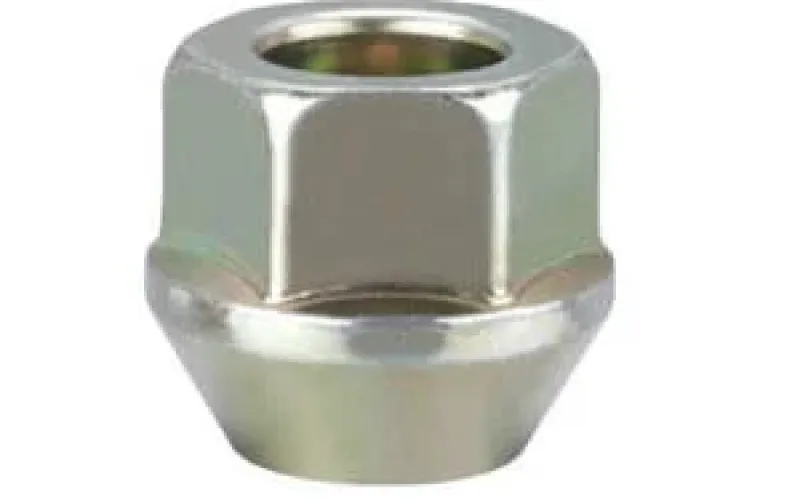
You need to identify the seat type of your wheel lug nuts. The seat is the part of the lug nut that touches the wheel. The most common seat types are conical, mag, and ball. Each seat type fits a specific wheel design.
| Seat Type | Shape | Common Use | Notes |
|---|---|---|---|
| Conical | Cone-shaped | Most OEM/aftermarket wheels | Centers nut, even force |
| Mag | Flat | Older/custom wheels | May need washer |
| Ball | Rounded | European/specialty wheels | Precise fit for ball seat rims |
Note: Always match the seat type to your wheel. Using the wrong seat type can cause vibrations, damage, or loose wheels.
You will often see conical lug nuts on modern cars. The conical seat design helps keep the wheel centered and secure. If your wheel uses a conical seat, make sure you choose a lug nut with the same shape. Mag and ball seats require special attention, so check your wheel’s specifications before buying.
The size of the lug nuts includes both length and diameter. These measurements affect how well the lug nut fits and secures your wheel. You need to match the lug nut size to your wheel studs for proper installation.
Incorrect lug nut size can lead to loose wheels and safety hazards. You may damage your wheel or hub if you use the wrong length or diameter. Always check your owner’s manual or manufacturer’s specifications for the correct size.
| Lug Nut Size | Common Lengths | Common Diameters | Impact on Security |
|---|---|---|---|
| Short | 20-25mm | 12mm, 14mm | Standard fit |
| Medium | 30-35mm | 12mm, 14mm | More engagement |
| Long | 40mm+ | 12mm, 14mm | Maximum security |
Proper torque is important. Over-tightening or under-torquing can damage your wheel or cause it to come loose.
The material and finish of your lug nuts also matter. Durable materials resist corrosion and wear. You should choose a finish that matches your wheels and protects against rust. Always select lug nuts that meet your vehicle’s requirements for size, seat type, and material.
When you choose wheel lug nuts, you need to think about both the material and the finish. These two factors affect how long your lug nuts last, how they look, and how well they protect your wheels.
Common Materials for Wheel Lug Nuts
You will find two main materials used for wheel lug nuts: forged aluminum and forged steel. Each material has its own strengths and weaknesses. The table below helps you compare them:
| Material | Advantages | Disadvantages |
|---|---|---|
| Forged Aluminum | Light weight Anodized colors Brand name | Soft Colors might fade Can corrode onto steel studs Lower torque specs |
| Forged Steel | Durable Brand name (sometimes) No corrosion with steel studs Higher torque specs | Limited colors (chrome or black) Heavier Brand name markup (sometimes) |
Forged Aluminum Lug Nuts
You might like forged aluminum lug nuts if you want to reduce weight on your wheels. Lighter lug nuts can help with performance, especially if you drive a sports car or want to save fuel. Aluminum lug nuts often come in bright colors, so you can match them to your wheels or car. However, aluminum is softer than steel. It can wear out faster, especially if you remove and install your wheels often. The colors may also fade over time. If you use aluminum lug nuts with steel studs, you might see corrosion where the metals touch.
Forged Steel Lug Nuts
Forged steel lug nuts give you more strength and durability. You can use them for daily driving, off-roading, or heavy-duty vehicles. Steel lug nuts handle higher torque, so you can tighten them more without damage. They do not corrode when used with steel studs. Most steel lug nuts come in chrome or black finishes. They do not offer as many color choices as aluminum, but they last longer and resist damage better.
Tip: If you want the best mix of safety and durability, choose forged steel lug nuts for most vehicles.
Why Finish Matters
The finish on your lug nuts protects them from rust and corrosion. It also gives your wheels a clean, sharp look. Common finishes include chrome, black oxide, zinc plating, and anodized colors. Chrome and black finishes look classic and resist rust. Anodized finishes on aluminum lug nuts give you more color options, but the color can fade if exposed to sunlight or harsh weather.
Note: Always match the finish of your lug nuts to your wheels for the best appearance and protection.
When you pick lug nuts, think about how you use your vehicle. If you want style and light weight, aluminum with an anodized finish might work for you. If you need strength and long life, steel with a chrome or black finish is a smart choice. Always check your vehicle’s needs and your driving style before you decide.
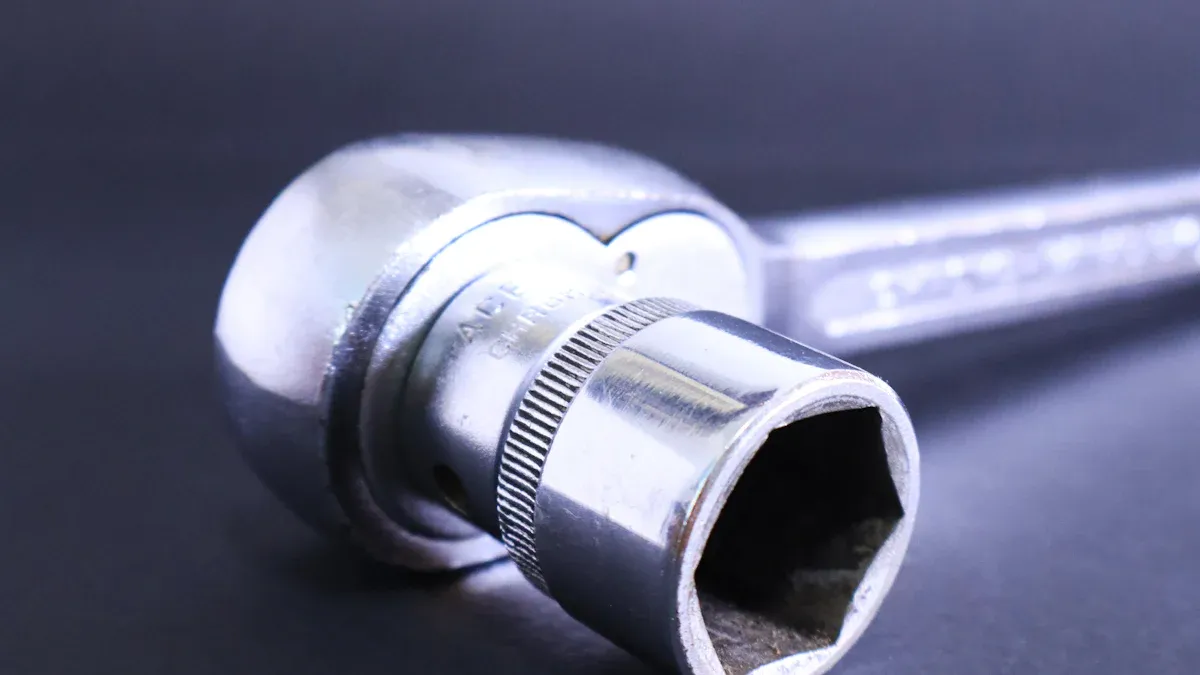
You need the right tools to measure your wheel lug nuts accurately. Using proper tools helps you avoid mistakes and keeps your wheels safe. Here are the most important tools you should have:
Tip: Always use a professional bolt pattern gauge or digital caliper for the most accurate results. Quick checks with a measuring tape can help, but they are not as reliable.
You can measure your lug nuts at home if you follow a few simple steps. Accurate measurement of bolt patterns and lug nut size is important for safety and proper fitment. A mismatch can cause vibrations, poor fitment, or even dangerous driving conditions.
By following these steps and using the right tools, you can match your lug nuts to your vehicle’s requirements. This ensures a secure fit and keeps your wheels safe on the road.
Choosing the right wheel lug nuts keeps your wheels secure and your drive safe. Many drivers make simple mistakes that can lead to serious problems. You can avoid these issues by learning about the most common errors and their effects.
You must match the seat type of your lug nut to your wheel. The seat style controls how the lug nut fits against the wheel. If you use the wrong seat type, you risk vibration and loose wheels.
Always check your wheel’s design before buying lug nuts. Full engagement only happens when you use the right seat type. If you ignore this, you may see your lug nuts loosen over time.
You need to tighten your lug nuts to the correct torque. Over-tightening or under-tightening can cause big problems.
Use a torque wrench to make sure you get proper thread engagement. This tool helps you avoid both over-tightening and under-tightening.
You should not mix different materials when choosing lug nuts. Using steel and aluminum together can cause corrosion where the metals touch.
Stick to one material for all your lug nuts. This keeps your wheels safe and helps prevent long-term damage.
You can also make mistakes by ignoring bolt pattern and center bore. If you mix up similar patterns like 5×100 and 5×112, you risk dangerous mounting situations. Failing to prioritize hub-centric fitment can result in less secure mounts and increase the risk of wheel failure.

You can keep your wheels secure by following the right steps during installation. Start by parking your vehicle on a flat surface and engaging the parking brake. Place wheel chocks behind the wheels you are not working on. This prevents your car from moving.
Before you install new lug nuts, inspect the studs and threads for any damage. Make sure all parts match the correct size and type. Use two drops of motor oil on the threads to reduce friction, but avoid over-lubrication. This helps you get an accurate torque reading.
Follow these steps for safe installation:
Tip: After driving 50 to 100 miles, re-check the torque of your lug nuts. This ensures they stay tight after the wheels settle.
You should inspect your lug nuts often to prevent problems. Make a habit of checking them before long trips, after tire rotations, or when driving on rough roads. Daily visual checks help you spot loose or missing lug nuts early.
Here is a simple maintenance schedule:
Note: Pay attention to any new vibrations while driving. These can signal loose or improperly installed lug nuts. If you notice anything unusual, stop and inspect your wheels right away.
By following these best practices, you help keep your wheels secure and your drive safe every day.
You protect your wheels and your safety when you verify your vehicle’s specifications before buying wheel lug nuts. Matching the right size, seat style, and material helps you avoid installation errors that can cause loose wheels or damage. Common compatibility issues include mismatched thread sizes, incorrect seat types, and improper lengths. Manufacturers like Fortune use premium materials and inspect every new set of lug nuts to ensure long-lasting performance. Double-checking compatibility improves handling and keeps your wheels secure for years. With proper maintenance, wheel lug nuts can last between 5 to 15 years.
| Compatibility Issue | Description |
|---|---|
| Mismatched Thread Sizes | Lug nuts must match the thread diameter and pitch of the wheel studs. |
| Incorrect Seat Types | Different seat types must match the wheel design. |
| Improper Lengths | The length of the lug nut must be appropriate for the wheel and hub setup. |
Using the wrong size lug nut can cause your wheel to become loose or damaged. Always match the lug nut size to your vehicle’s specifications. This keeps your wheels secure and prevents accidents.
You should check your lug nuts every month and after any tire service. Always inspect them before long trips. Regular checks help you spot loose or damaged lug nuts early.
You can reuse old lug nuts if they show no signs of wear, rust, or damage. Always inspect each lug nut closely. Replace any that look worn out or corroded.
This method ensures even pressure and keeps your wheels safe.
| Wheel Type | Lug Nut Needed |
|---|---|
| OEM | Standard lug nuts |
| Aftermarket | Specialty lug nuts |
Aftermarket wheels often need specialty lug nuts. Always check the wheel manufacturer’s recommendations before you buy.
 Request a quote