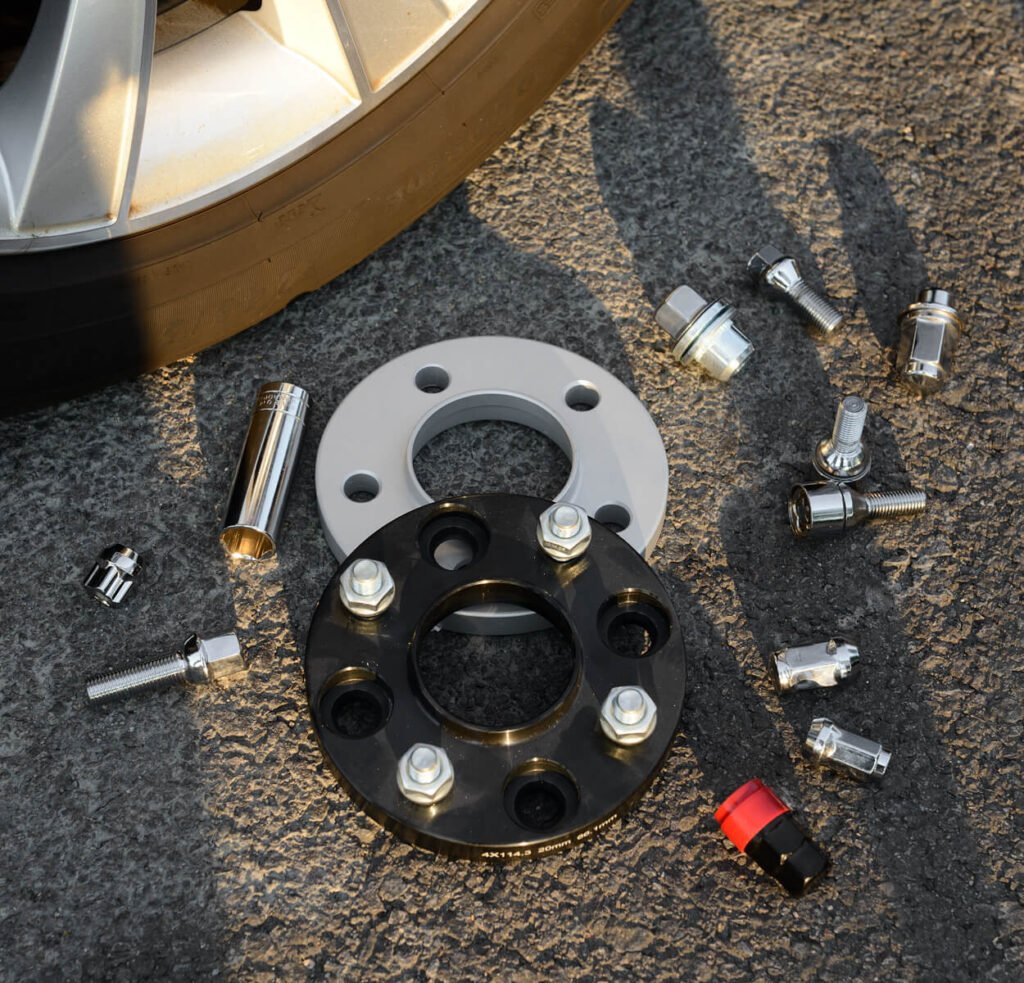
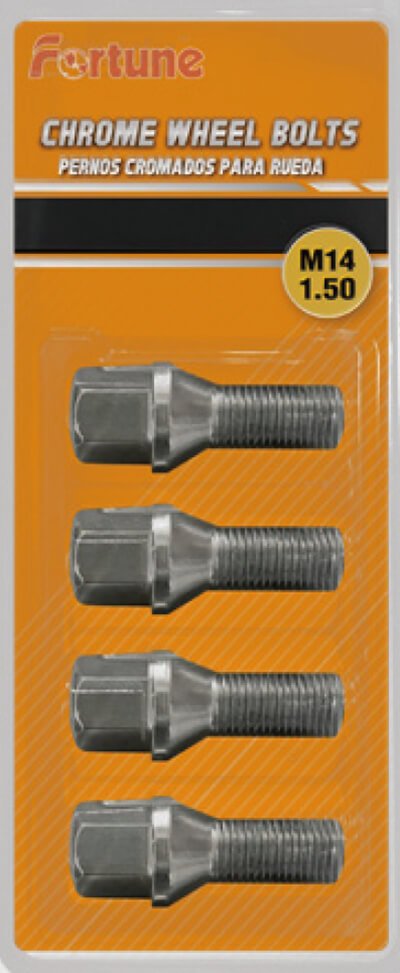
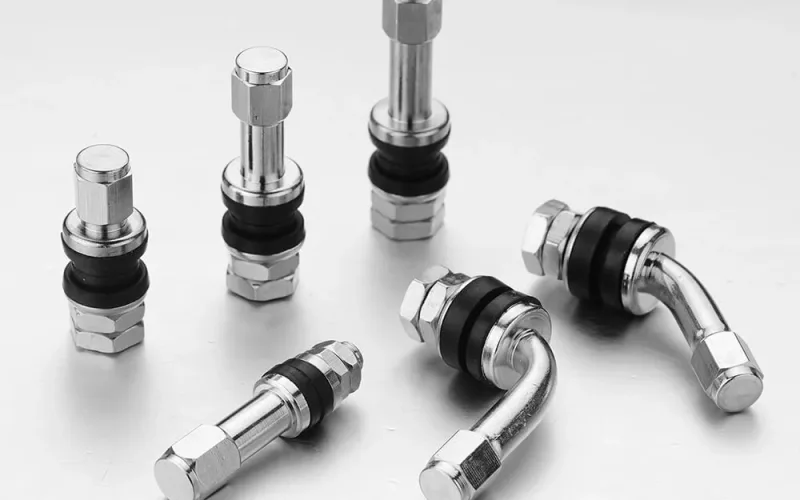
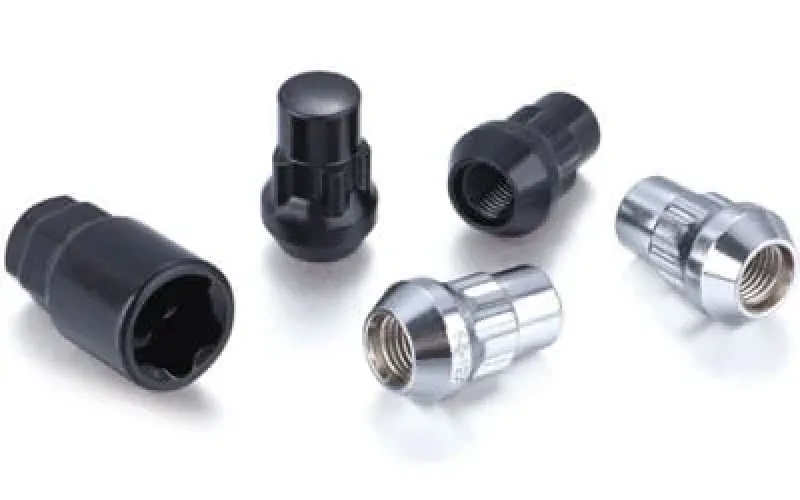
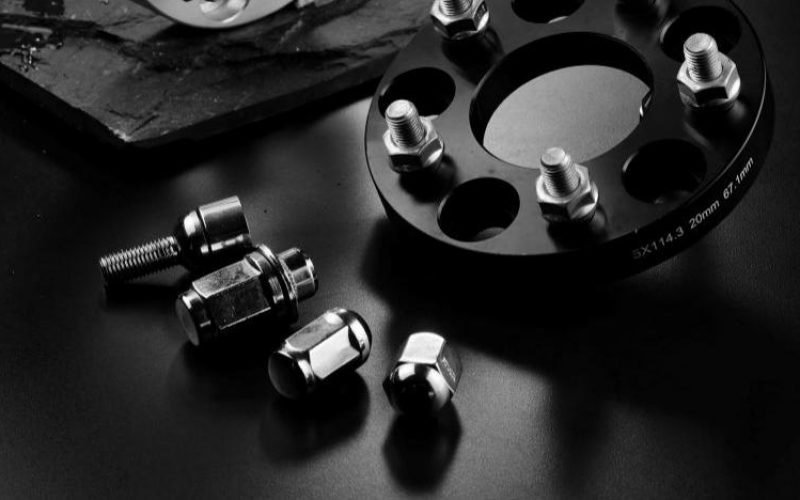
Two common systems attach wheels to a vehicle. One system uses lug nuts. These nuts tighten onto wheel studs, which are permanently fixed to the wheel hub. The other system uses wheel lug bolts. These single-piece fasteners, also called wheel bolts, pass through the wheel’s mounting holes. The wheel bolts then thread directly into the wheel hub to secure the wheel. The choice between these two methods often depends on the car’s manufacturer. Many European brands use lug bolts, while American and Japanese brands typically use the wheel studs and nut combination to hold a wheel.

Understanding the key differences between lug bolts and lug nuts helps drivers appreciate their vehicle’s design. The primary distinctions involve their components, the manufacturers who use them, and the process for changing a tire. These factors influence maintenance and user experience.
The most fundamental difference lies in the number of parts. A lug nut system is a two-piece design, while a lug bolt system is a single piece.
Both systems require a precise match between the fastener and the wheel. The contact area, known as the seat, must be correct. The thread pitch must also match the vehicle’s specifications.
| Feature | Lug Nut System | Lug Bolt System |
|---|---|---|
| Components | Two pieces: Wheel Stud + Lug Nut | One piece: Wheel Bolt |
| Hub Design | Hub has studs permanently pressed in | Hub has threaded holes |
| Fastener Action | Nut threads onto a fixed stud | Bolt passes through wheel into hub |
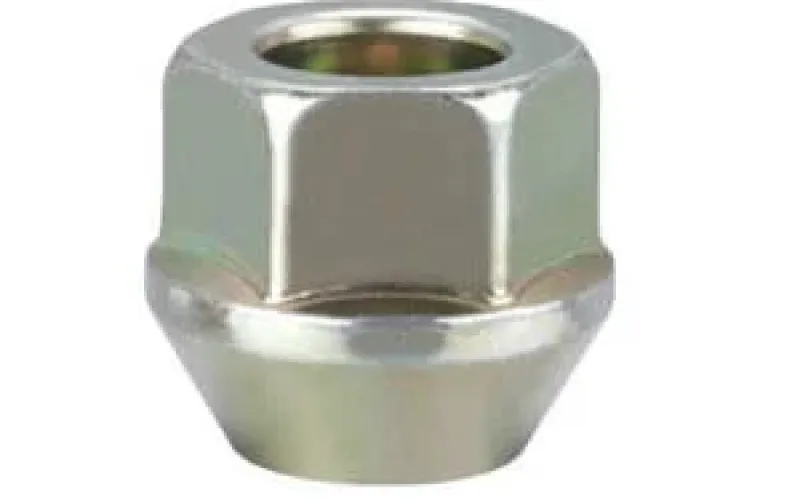
Fasteners come in many sizes and shapes. The seat type is especially important for safety.
Thread sizes also vary widely. Common metric threads include M12 and M14, with different pitches like 1.25, 1.5, or 1.75. Older American vehicles might use inch-based threads like 1/2″-20. Using the wrong seat or thread size can damage the wheels or cause a wheel to loosen.
A car’s country of origin often determines which system it uses. American and Japanese manufacturers generally prefer lug nuts. European manufacturers almost exclusively use wheel bolts.
Most Japanese and American automakers, including Toyota, Honda, Ford, and Chevrolet, use a lug nut and stud system. This choice is often tied to established manufacturing practices.
In contrast, European brands have standardized the use of wheel lug bolts.
The key differences between the two systems become very clear during tire changes. The process for mounting a wheel varies significantly.
With a lug nut system, the studs on the hub act as hangers. A person can lift the tire onto the studs, which holds the wheel in place. This leaves both hands free to start threading the lug nuts. The studs make aligning the wheel simple and reduce the physical strain of the job.
Changing a tire with a lug bolt system is more challenging. The driver must lift and hold the heavy wheel and tire assembly perfectly still. They must align the holes in the wheel with the threaded holes in the hub. While holding the wheel in this precise position, they must insert and start threading one of the wheel bolts with their other hand. This can be a difficult balancing act, especially on the side of the road.
Pro Tip: Many technicians use a wheel hanger tool to simplify tire changes on vehicles with bolts. This small, pin-like tool threads into one of the hub’s bolt holes, creating a temporary stud to hang the wheel on for easier alignment.
The lug nut and stud system is popular for good reasons. It offers distinct advantages in user-friendliness and maintenance. These benefits make it a preferred choice for many drivers and manufacturers.
The design of a lug nut system makes wheel installation much simpler. The fixed wheel studs on the hub act as built-in hangers. A person can lift the wheel and rest it on the wheel studs. This holds the wheel in place, freeing both hands to thread the lug nuts. This feature is especially helpful for roadside tire changes. The wheel studs ensure perfect alignment every time. This simple installation process reduces physical strain and frustration. The overall installation is faster and safer.
A major benefit of wheel studs is the protection they offer to the wheel hub. The threads that secure the wheel are on the wheel studs, not inside the hub itself. If a thread gets stripped or damaged during installation, the solution is simple. A technician can press out the single damaged wheel stud and replace it with a new one. This is a quick and inexpensive repair. In a bolt system, stripped threads would mean repairing or replacing the entire expensive hub assembly. The replaceable nature of wheel studs makes the system more durable and cost-effective over the long term. The wheel studs are designed to be the point of failure to protect more critical components.
Did You Know? Replacing a single wheel stud often costs less than $50 for parts and labor. In contrast, a new wheel hub assembly can cost several hundred dollars, making the protection offered by wheel studs a significant financial advantage.
The market for wheel lug nuts is vast and diverse. This gives vehicle owners many options for replacement and customization. Standard lug nuts are available at any auto parts store. Owners can also find a huge variety of aftermarket options to match custom wheels or add a personal touch. These options include:
This wide availability ensures that finding the right fasteners for your wheels is never a problem.
While replaceable wheel studs are a benefit, they are also a point of potential failure. The wheel studs are the only components holding the wheel to the vehicle. If they are damaged or break, the consequences can be severe. The integrity of these wheel studs is critical for safety. A broken stud can cause vibrations. Multiple broken wheel studs can lead to a wheel detaching from the vehicle while driving.
Improper installation and maintenance are the main reasons wheel studs fail. Several common mistakes can stretch, weaken, or snap the wheel studs.
Safety Alert ⚠️: Always use a calibrated torque wrench for the final tightening of your wheel. Never rely solely on an impact wrench. Following the manufacturer’s torque specifications is the single most important step to prevent the failure of wheel studs and ensure your wheel is secure.
Proper care is essential to prevent damage. Regular inspection of the wheel studs during tire rotations can help identify any issues like stretched threads or cracks before they become a major problem. A damaged stud compromises the safety of the entire wheel assembly.
The wheel lug bolt system, common on European vehicles, offers its own set of advantages and disadvantages. These factors primarily affect maintenance tasks, from simple wheel changes to more involved brake or hub repairs.
A significant benefit of using wheel bolts appears during brake service. On a lug nut system, the fixed studs can get in the way when a technician needs to remove the brake rotor. Sometimes, the rotor must be carefully maneuvered around the studs. The bolt system eliminates this issue. Once the wheel is off, there are no studs protruding from the hub. This clear, flat surface allows the brake rotor to slide off easily, simplifying the entire process. This design makes hub and rotor replacement faster for mechanics and DIY enthusiasts.
While no system is immune to damage from improper installation, wheel bolts offer a unique advantage. If cross-threading occurs during installation, the damage is more likely to happen to the threads of the bolt itself, not the more expensive hub. Replacing a single damaged bolt is a cheap and simple fix. In a stud system, cross-threading a nut can ruin the stud, but severe mistakes can also damage the hub threads. The bolt design isolates potential thread damage to an easily replaceable part, making a bad installation less costly.
The most common complaint about wheel lug bolts involves the difficulty of wheel installation. A lug nut system provides studs that act as hangers, holding the wheel in place. This leaves both hands free. The bolt system offers no such support.
The Balancing Act 🤹: A person must lift the heavy wheel, perfectly align the bolt holes on the wheel with the threaded holes in the hub, and hold it steady. While balancing the wheel, they must use their other hand to insert and start threading a bolt. This makes the installation of wheels a challenging task, especially on the side of a road. Many owners purchase a wheel hanger pin to simplify this installation.
While replacing a damaged bolt is easy, the real danger with a bolt system lies in the hub itself. The threads that secure the wheel are machined directly into the hub assembly. This design creates a significant risk of cross-threading, which can lead to expensive and complicated repairs.
Cross-threading happens when a person starts threading a bolt at an angle. The weight of the wheel makes it difficult to hold it perfectly steady while aligning the wheel bolts. If a bolt enters the hub’s threaded hole incorrectly, its steel threads can cut new, damaging paths into the softer metal of the hub. This permanently ruins the threads in that hole.
A Costly Mistake 💸 Repairing a cross-threaded hub is not a simple fix. In some cases, a single instance of a stripped hub thread required a repair costing over $300. The high price was mostly due to the labor involved in removing the entire hub to fix the damage.
This risk highlights a major difference between the two systems. In a lug nut system, cross-threading typically damages a stud. A technician can fix this problem for a relatively low cost. The part itself may be inexpensive, and the total repair, including labor, could be under $100. With wheel bolts, a similar mistake damages a much more critical and costly component. The potential for an expensive repair makes careful installation of the wheel essential. Each time a person mounts a wheel, they must ensure the wheel lug bolts are started by hand and thread in smoothly to avoid damaging the hub.

Figuring out whether a vehicle uses lug nuts or lug bolts is a simple task. A quick look at the wheel assembly provides all the necessary clues. The key differences are obvious once a person knows what to look for, both with the wheel on and off the car.
A car with a lug nut system has threaded posts, called studs, that are permanently part of the hub. When the wheel is attached, a person will only see the lug nuts, which are the fasteners that screw onto these studs. If the wheel is removed, the studs remain sticking out from the hub’s surface.
Quick Check: Look at the fasteners holding the wheel on. If the fastener is a nut with a hole through the middle that threads onto a post, the car uses a lug nut and stud system.
A car with a lug bolt system has no fixed studs. Instead, the hub has threaded holes. The fasteners are long wheel bolts that pass through the holes in the wheel and screw directly into the hub. When a person removes the wheel, the wheel bolts come off completely, leaving behind a hub with empty threaded holes. These single-piece fasteners secure the entire wheel assembly.
A car’s country of origin is a strong indicator of which system it uses. Most American and Japanese manufacturers prefer the stud and nut design. For example, many Ford and Toyota models use this system. Specific examples include the older Ford Bronco and various Toyota models like the 2009 Avalon and the 2012 Camry.
In contrast, European automakers almost exclusively use wheel bolts. Brands like BMW and Volkswagen are well-known for this design choice. These fasteners require careful installation to avoid issues. Common models that feature this system include:
This distinction helps owners understand the specific maintenance needs of their wheels and vehicle.
Drivers often debate whether lug bolts or nuts offer better safety and performance. The truth is that both systems are extremely safe when installed and maintained correctly. The fastener’s design is less important than its quality and proper installation.
A common myth suggests one system is stronger than the other. However, the strength of a fastener depends on its material and grade, not whether it is a bolt or a stud. High-quality wheel bolts and studs both provide immense clamping force. The material’s tensile strength, or its ability to resist being pulled apart, is the true measure of strength.
| Component Type | Material | Tensile Strength |
|---|---|---|
| Bolts | Standard Steel (Grade 8.8) | 800 MPa |
| Bolts | Grade 5 Titanium | 950 MPa |
| Studs | BONOSS Titanium | ≥1,080 MPa |
As the table shows, premium materials in either system offer exceptional strength. The key to safety is choosing quality components, not a specific system.
Proper torque is vital for wheel safety. Applying the correct amount of force ensures the wheel is securely fastened. Insufficient clamping force is the main cause of wheel failures. It allows the wheel to shift, which can lead to damage or detachment.
Torque Tip 💡: Always use a calibrated torque wrench for final tightening. Never rely on an impact wrench alone. Your vehicle’s owner’s manual lists the exact specifications.
Common torque values include:
Ultimately, regular maintenance is the most critical factor for wheel safety. Human error and poor upkeep cause most problems, not the design of the wheel lug bolts or nuts. Watch for warning signs like steering wheel vibrations or unusual noises from the wheel area.
These issues often stem from common maintenance mistakes:
Proper care and attention to detail ensure any wheel fastening system remains secure.
Upgrading wheel fasteners can improve performance, aesthetics, and ease of maintenance. Owners can choose from high-quality aftermarket parts or even convert their vehicle’s entire system. Making the right choice depends on the vehicle and the owner’s goals.
For vehicles with a stud system, upgrading the lug nuts is a popular choice. Aftermarket options offer stronger materials like forged steel or lightweight titanium. Owners must ensure the new nuts have the correct seat type (cone, ball, or mag) to match their wheel. Using the wrong seat prevents the wheel from securing properly.
Selecting the correct aftermarket wheel bolts is critical for safety. Owners must match two key specifications to their vehicle and wheel.
A stud conversion kit offers a hybrid solution for vehicles that use wheel bolts. This kit converts the system to use studs and nuts, combining benefits from both designs. The studs thread into the hub, creating permanent posts. This makes changing a wheel much easier.
Conversion Advantage ⚙️: Stud conversion kits are popular in racing because they allow for faster wheel changes and reduce wear on the hub’s threads. They also make it easier to use wheel spacers.
While these kits have a higher initial cost, with some starting around $40, they offer significant long-term advantages. The table below compares the two systems.
| Feature | Stud Conversion Kit | Standard Wheel Bolts |
|---|---|---|
| Wheel Changes | Faster and easier; wheel hangs on studs | Slower; requires balancing the wheel |
| Hub Wear | Reduces wear on hub threads | Repeated use can wear out hub threads |
| Safety | Lower risk of cross-threading the hub | Higher risk of cross-threading the hub |
| Cost | Higher initial investment | Lower initial cost |
Installation requires care and often a thread-locking compound to ensure the studs remain secure.
Both lug nuts and lug bolts provide a secure way to attach wheels to a vehicle. The main difference between them is the process drivers use for a wheel change. Understanding which system a car has is the first step toward proper maintenance. Ultimately, neither system is better than the other. The safest system is the one where a person follows the manufacturer’s guidelines and takes the time to properly torque each fastener, ensuring the wheels remain safely attached while driving.
No, a person cannot directly use lug bolts on a car designed for lug nuts. The hub designs are completely different. However, a stud conversion kit allows a vehicle with a bolt system to use studs and nuts, making wheel changes easier and reducing hub wear.
European manufacturers like BMW and Audi often use lug bolts for manufacturing efficiency. A hub with threaded holes is simpler and cheaper to produce than a hub that requires pressing in separate studs. This design choice streamlines their assembly line process and reduces the number of parts.
An impact wrench is useful for removing fasteners quickly. However, a person should never use it for final tightening. Impact wrenches can easily over-torque fasteners, stretching the metal and leading to failure.
Safety Tip ⚠️: Always use a calibrated torque wrench for the final tightening step. This ensures the correct clamping force and prevents damage to the wheel, hub, and fasteners.
Using the wrong seat type is extremely dangerous. For example, putting a cone seat fastener on a wheel that needs a ball seat creates a tiny contact point. This prevents proper tightening and can cause the wheel to loosen or even detach while driving.