What is the difference between rubber and metal tire valves?
 20Mar
20Mar 

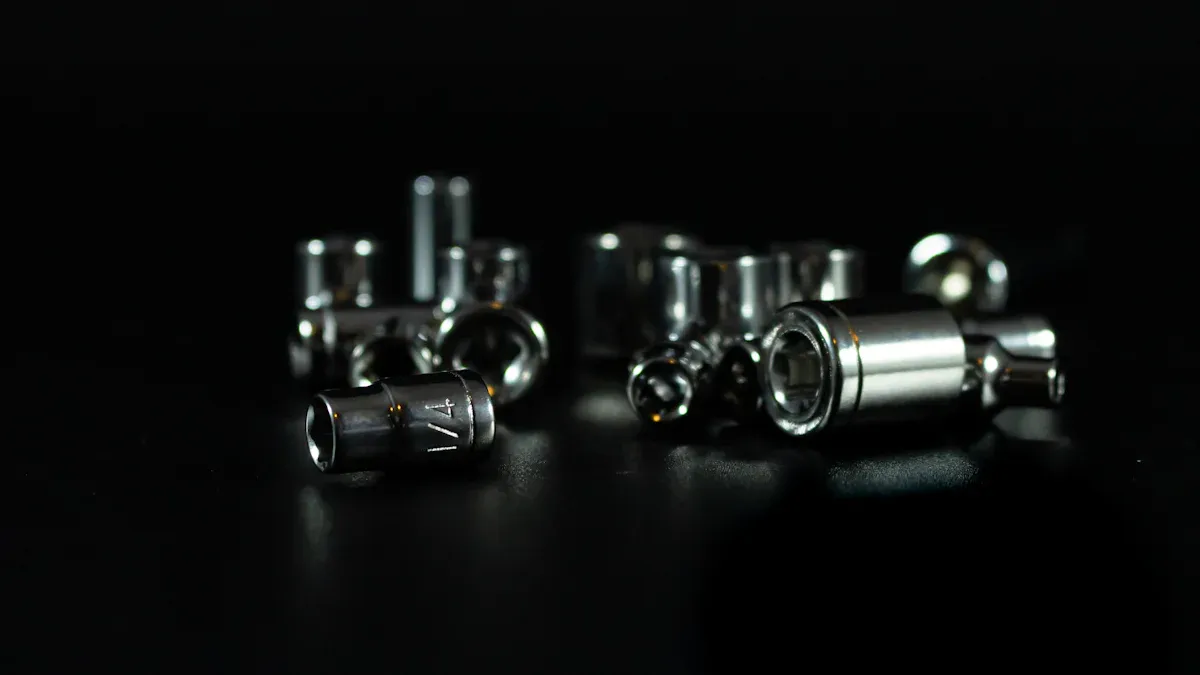
Wheel bolts attach directly to your car’s wheel hub, while lug nuts fasten the wheel onto threaded studs. You need to know these key differences because choosing the wrong fastener can affect safety. Proper installation helps keep your wheels secure and prevents accidents. When you use the right wheel bolts or lug nuts, you protect yourself and keep your vehicle running smoothly.
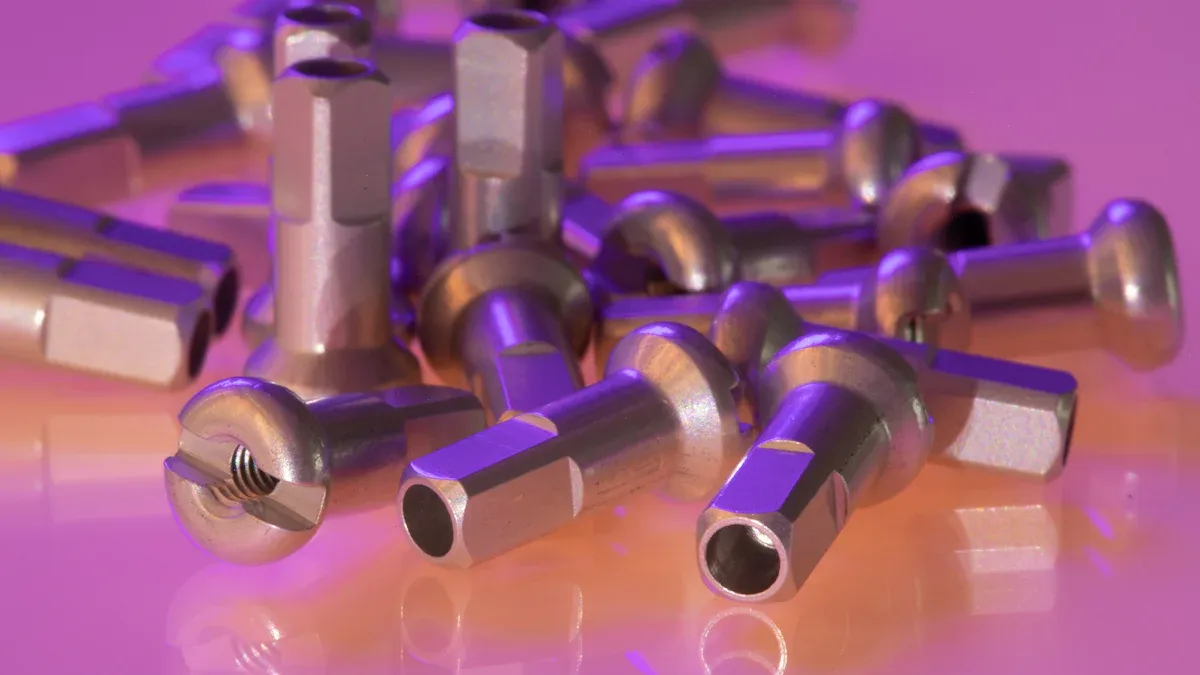
You will find that wheel bolts play a key role in keeping your wheels attached to your vehicle. Lug bolts are a type of fastener that combines the function of a bolt and a stud. When you use lug bolts, you screw them directly into the wheel hub. This design means you do not need separate studs or nuts. Lug bolts have a threaded rod that fits into the hub and a head that presses against the wheel. You will see two main seat types on lug bolts: spherical (ball seat) and conical (tapered seat). These seats help match the shape of the wheel’s mounting holes.
Lug bolts secure the wheel to the hub and keep it in place. You rely on lug bolts to handle the weight of your vehicle and the forces from driving. Lug bolts must meet strict safety standards. They go through tests to make sure they can handle bumps, turns, and other road conditions. Lug bolts are common in many European vehicles. You will notice that some cars use only lug bolts, while others use a mix of wheel bolts and lug nuts.
Tip: Always check your vehicle manual to see if your car uses lug bolts or another type of fastener.
Lug nuts are another important part of your wheel assembly. You use lug nuts to fasten the wheel onto threaded studs that stick out from the hub. Lug nuts screw onto these studs and clamp the wheel tightly against the hub. This setup helps prevent vibrations and keeps the wheel from moving while you drive.
You will find different shapes of lug nuts, such as conical or spherical seats. These shapes help the lug nuts fit snugly into the wheel’s holes. Lug nuts are used on many vehicles, especially in North America and Asia. You need to use the right type of lug nuts for your wheel and hub. Lug nuts, like lug bolts, must pass safety tests. They need to withstand the weight of your car and the stress from driving on rough roads.
When you choose between lug nuts and lug bolts, you must consider your vehicle’s design. Both options keep your wheels safe and secure, but they work in different ways.
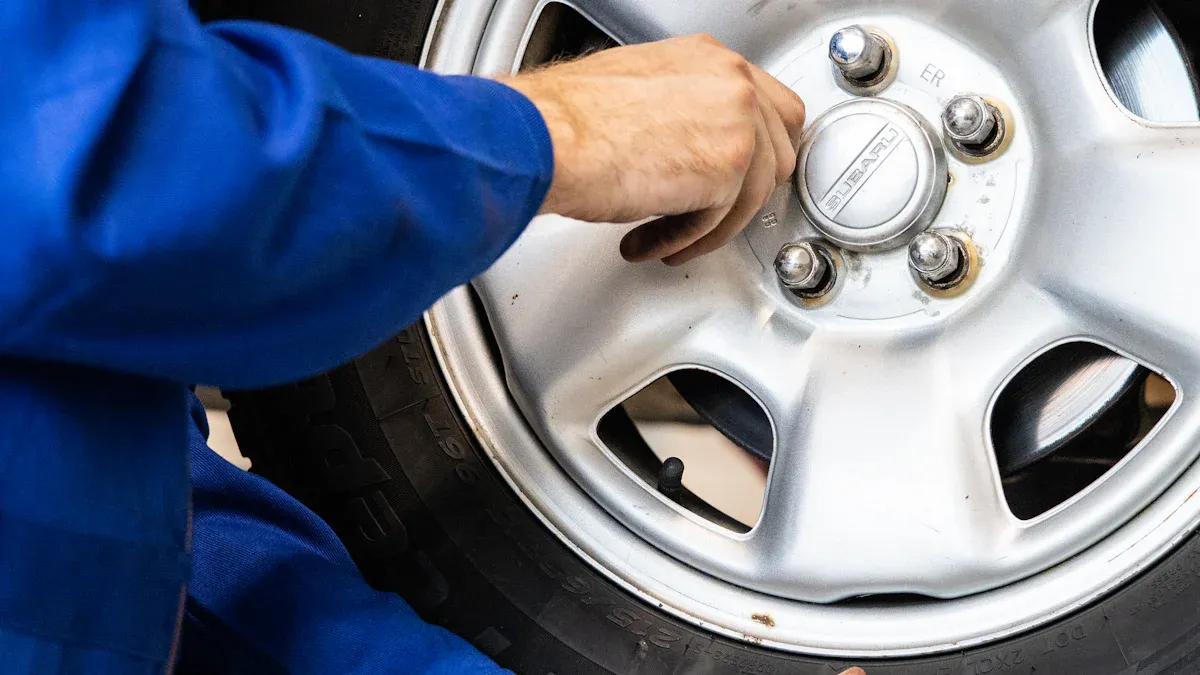
You need to understand how wheel bolts and lug nuts differ when you install them on your vehicle. The installation process for each type affects how you secure your wheel and maintain safety. When you use wheel bolts, you align the wheel with the hub and screw each bolt directly into the hub’s threaded holes. This method requires careful positioning because the wheel must stay in place while you insert each bolt. You often find this process on European cars.
When installing lug nuts, you first slide the wheel onto the hub’s protruding studs. The studs help you hold the wheel in place, making the process easier. You then screw the lug nuts onto the studs to clamp the wheel tightly. This method is common in North America and Asia.
You need specific tools for both types of installation. Here are some tools you might use:
You should always use a torque wrench to ensure proper installation. This tool helps you tighten wheel bolts and lug nuts to the manufacturer’s recommended torque. If you over-tighten or under-tighten, you risk damaging the wheel or causing it to come loose. When installing lug bolts, you must check the seat type, such as conical or ball seat, to match the wheel’s mounting holes. Installing lug nuts also requires attention to seat type and thread pitch.
Tip: Always follow your vehicle’s manual for the correct installation steps and torque specifications.
You must consider compatibility when choosing between wheel bolts and lug nuts. The design of your vehicle determines which fastener you need. Most European cars use wheel bolts, while many North American and Asian vehicles use lug nuts with wheel studs.
When you want to upgrade or change your wheels, compatibility becomes even more important. Aftermarket wheels often use different seat types. You may see these options:
| Seat Type | Description | Common Use |
|---|---|---|
| Conical Seat | 60-degree bevel, fits many aftermarket wheels | Aftermarket wheels |
| Mag Seat | Flat surface, needs a separate washer | Some custom wheels |
| Ball Seat | Inverted bowl shape | OEM and some wheels |
Choosing the correct seat type and size for your lug nuts is essential for safe mounting. If the lug nuts do not match the thread pitch or seat type of your new wheel, they will not fit properly. This mismatch can cause the wheel to loosen or fail. You must also check the length and diameter of wheel bolts when installing aftermarket wheels. Some wheels require longer or shorter bolts for proper installation.
When you install new wheels, always check the manufacturer’s recommendations for fastener type and seat style. This step helps you avoid problems with compatibility and ensures your wheels stay secure.
Note: Proper installation and compatibility protect you from wheel vibration, uneven wear, and safety risks.
You rely on both wheel bolts and lug nuts to keep your wheels attached to your vehicle. These fasteners must handle the weight of your car and the forces from driving. Wheel bolts screw directly into the hub, creating a strong connection. This design helps distribute pressure evenly across the wheel. You often see wheel bolts on European vehicles because they provide a secure fit.
Lug nuts work with wheel studs. The studs hold the wheel in place while you tighten the lug nuts. This method makes installation easier and helps prevent the wheel from shifting. Lug nuts also offer strong clamping force, which keeps the wheel secure during sharp turns or sudden stops.
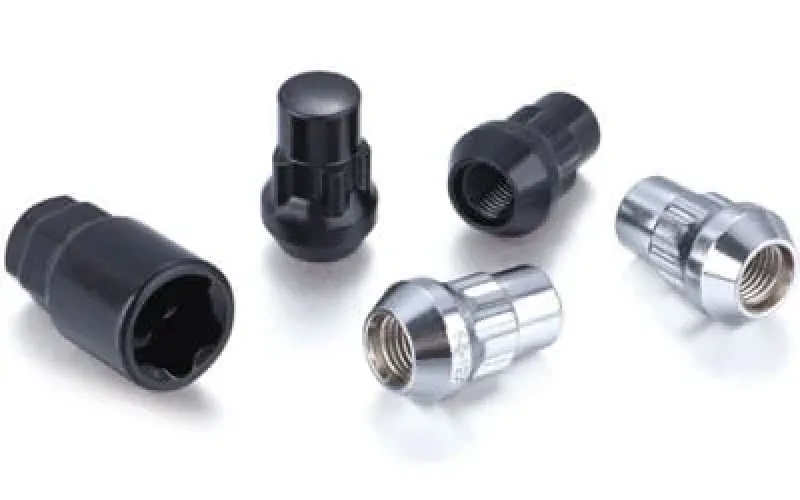
Security is a key concern for every driver. You want to protect your wheels from theft. Many drivers choose locking lug nuts for extra security. These special lug nuts require a unique key for removal. The notch pattern on locking lug nuts makes them hard to remove without the correct tool. Here are some important points about locking lug nuts:
Wheel bolts can also use locking designs, but you see this feature more often with lug nuts. You should always check your wheels after installation to make sure all fasteners are tight. This step helps you avoid loose wheels and keeps your vehicle safe.
You want your wheels to stay secure, but you also want easy maintenance. Wheel bolts and lug nuts each offer different levels of convenience. When you use wheel bolts, you must hold the wheel in place while you insert each bolt. This process can take more time, especially if you change your wheels often. Some drivers find this method less convenient during installation.
Lug nuts make wheel changes easier. The studs support the wheel, so you can hang the wheel on the studs before tightening the lug nuts. This setup helps you align the wheel quickly and reduces the risk of dropping it. Many drivers prefer this method for routine maintenance or tire changes.
Proper maintenance keeps your wheels safe and extends the life of your fasteners. You need to pay attention to lubrication when working with lug nuts. The Tire Industry Association recommends using two drops of motor oil on each lug nut. This step reduces friction and helps you apply the correct torque. Accurate torque ensures the wheel stays secure without damaging the fastener.
Here are some tips for maintaining your lug nuts and wheel bolts:
You should inspect your wheel bolts and lug nuts regularly. Look for signs of wear, rust, or damage. Replace any fastener that looks worn out. Proper installation and regular checks help you avoid problems on the road.
Tip: Always follow your vehicle’s manual for the correct installation steps and torque settings. This habit keeps your wheels secure and improves safety.
You can personalize your vehicle by choosing different materials and finishes for your wheel bolts and lug nuts. This choice lets you match your style and improve your car’s look. Many drivers select finishes that protect against rust and add a unique touch. Here is a table that shows some popular materials and finishes:
| Material | Description |
|---|---|
| Steel | Strong and durable |
| Chrome-plated Steel | Shiny and resists corrosion |
| Stainless Steel | Excellent rust resistance |
| Aluminum | Lightweight, good for high-performance vehicles |
| Titanium | Light and strong, used for performance cars |
| Composite Materials | Added benefits for special uses |
| Chrome-plated | Shiny, corrosion-resistant look |
| Black Chrome | Sleek, dark appearance |
| Painted | Color options and some corrosion protection |
| Anodized | Color choices and rust resistance |
| Powder Coating | Extra durable finish |
| Zinc Finishes | More corrosion resistance |
Custom titanium wheel bolts stand out for both style and performance. They come in many finishes and styles, so you can make your wheels look unique. Titanium bolts also weigh less, which helps your car handle better and use less fuel. Their strong resistance to rust keeps them looking new for a long time.
Tip: Custom finishes like black chrome or anodized colors can give your wheels a bold look while protecting against rust.
You have many aftermarket options when you want to upgrade your wheel bolts or lug nuts. Some brands have earned a strong reputation for quality and reliability. Drivers often choose Gorilla lug nuts because they last for years without problems. McGard 2-piece spline drive lugs are also popular. Their low-profile design protects the wheel seat and adds security.
Other choices include dynofit 24pcs 14×1.5 OEM Lug Nuts, which fit many vehicles, and MIKKUPPA M12x1.5 Lug Nuts, which work well with several Ford models. Many aftermarket lug nuts come with a lifetime warranty against manufacturer defects. This warranty shows the company’s confidence in their product’s durability.
When you pick aftermarket wheel bolts or lug nuts, you can improve both the look and performance of your vehicle. You also get peace of mind knowing that many brands stand behind their products with strong warranties.
When you decide between wheel bolts and lug nuts, you need to look at several important factors. Your vehicle’s design and manufacturer recommendations matter most. You should check the thread size to make sure it matches your car’s specifications. The seating style also plays a big role, since different wheels need specific types of fasteners. If you want to upgrade your wheels, you must choose the right style of lug nut or bolt for compatibility.
High-quality wheel bolts provide a better installing experience as well as good safety. Besides, if you would like to improve the performance, you can replace the originally equipped wheel bolts with ones made of higher-strength materials.
You should also think about the material and grade of the fastener. Higher-grade bolts, such as grade 12.9, offer much better tensile strength. This means your wheels stay secure even during tough driving conditions. Climate and driving environment affect your choice too. For example, titanium bolts work well in coastal areas because they resist corrosion. Steel bolts suit urban vehicles and trucks, but you need to maintain them to prevent rust.
Here are the main points to check before you choose:
| Material Type | Application Scenarios | Corrosion Resistance |
|---|---|---|
| Titanium | Performance cars, coastal vehicles | Naturally generates protective oxide film, suitable for high humidity areas |
| Steel | Urban vehicles, heavy trucks, winter use | Treated for rust resistance, but requires maintenance to prevent corrosion |
You need to weigh the advantages and disadvantages of each option before making a decision. Wheel bolts and lug nuts each have strengths and weaknesses.
| Advantages of Wheel Bolts | Disadvantages of Wheel Bolts |
|---|---|
| Easier to install longer bolts when changing wheel thickness or using spacers. | Bolts can be more difficult to work with compared to studs, as they can be a hassle during installation. |
| Reduces the number of parts needed (no nuts), which can simplify inventory for manufacturers. | Pressed-in studs can loosen and spin, which is a risk not present with bolts. |
| Better handling of frequent removals compared to lug bolts. | Bolts may not handle repeated use as well as studs, which are designed for frequent removal. |
You may find that bolts can be a hassle to work with during installation. Pressed-in studs can loosen and spin, which is a risk not present with bolts. Bolts may not handle repeated use as well as studs.
Lug nuts offer easy alignment and quick wheel changes. You can choose high-quality lug nuts for safety and performance. ISO grade 10 steel lug nuts provide improved tensile strength. Forged aluminum lug nuts are lightweight and resist corrosion, which helps in harsh climates.
You should inspect your wheel bolts and lug nuts regularly to keep your vehicle safe. Check them every time you change your tires. Look for signs of wear, such as cracks, rust, or any looseness. If you see corrosion, the fastener may not fit properly. Sometimes, lug nuts lose their edges, making it hard to tighten or loosen them. Stuck lug nuts can cause trouble if you need to change a flat tire. When you notice any of these problems, plan for replacement right away.
Tip: Keeping your fasteners in good condition helps prevent accidents and costly repairs.
You need to tighten wheel bolts and lug nuts to the correct torque. Using a torque wrench helps you avoid over-tightening or under-tightening. Each type of fastener has a recommended torque range. Here is a table with some common specifications:
| Type of Bolt/Nut | Size | Torque Range (ft-lbs) |
|---|---|---|
| 6-Hole, 8.75″ Stud-Piloted | 3/4 – 16 | 450 – 500 |
| 6-Hole, 222.25mm Stud-Piloted | M20 x 1.5 | 325 – 400 |
| 10-Hole, 13 3/16″ HD Stud-Piloted | 15/16 – 12 | 750 – 900 |
| 10-Hole, 11 1/4″ Hub-Piloted | 3/4 – 16 | 300 – 350 |
If you do not tighten fasteners properly, you risk wheel detachment. Loose wheels can damage the brake rotor and suspension. A flying wheel can cause serious accidents.
You can prevent many problems by following a few simple steps. Use a lug nut indicator to check tightness. Match dual tires to reduce uneven wear. Seal punctures quickly to keep your tires strong. Clean your wheels often to stop dirt from building up. Shot blasting or powder coating can make your wheel bolts last longer.
| Preventive Measure | Description |
|---|---|
| Lug Nut Indicator | Monitors tightness to prevent loosening |
| Dual Tire Matching | Reduces uneven wear and stress |
| Seal Punctures | Maintains tire integrity |
| Shot Blasting/Powder Coat | Increases durability of wheel components |
| Wheel Clean | Prevents dirt buildup and failure |
Note: Regular care and the right tools help you avoid most fastener problems.
You need to understand the differences between wheel bolts and lug nuts because they affect safety and performance. Lug nuts make tire changes easier and offer more customization, while wheel bolts require careful alignment and suit specific vehicles. You improve safety and performance when you choose the right fastener for your car. Regular inspection helps prevent wheel-off incidents and keeps your vehicle safe. Fortune always puts your needs first and delivers quality products. You should check your fasteners often to maintain roadworthiness and protect everyone on the road.
You keep your vehicle safe when you inspect and maintain your fasteners.
You attach wheel bolts directly into the wheel hub. You use lug nuts to fasten wheels onto studs that stick out from the hub. Most European cars use wheel bolts. Many North American and Asian cars use lug nuts.
You cannot use both at the same time. Your vehicle’s hub design decides which fastener you need. Always check your owner’s manual before you buy new wheels or fasteners.
You should inspect them every time you rotate your tires or change a wheel. Look for rust, cracks, or looseness. Regular checks help you catch problems early and keep your wheels safe.
Many aftermarket wheels require specific seat types or thread sizes. Always match the fastener to the wheel’s design. Using the wrong type can cause the wheel to loosen or fail.
Proper torque keeps your wheels secure. Too much torque can damage threads or warp the wheel. Too little torque can let the wheel come loose. Always use a torque wrench and follow your vehicle’s specifications.
 Request a quote