 06Apr
06Apr 

You can find FN wheel weights on models from Honda, Acura, Nissan, Lexus, Infiniti, Mazda, and Daewoo. These weights are common in many Asian car brands. Using proper wheel weights helps your vehicle maintain good performance and safety.
- Improved suspension performance and a larger tire-to-road contact area.
- Lighter wheels absorb road bumps better, resulting in a smoother and more comfortable ride.
- The suspension experiences less stress and has a longer lifespan.
- Easier wheel rotation leads to better braking performance and less brake fade.
- Lower fuel consumption, especially on city and mountain roads.Fortune gives good FN wheel weights for balancing tires. You can check if your car needs FN wheel weights and find out how to make sure they fit.
Key Takeaways
- FN wheel weights are crucial for many Asian car brands, such as Honda, Nissan, and Acura. Using appropriate weights helps maintain vehicle balance and safety.
- Please check your wheel type and car model to determine if FN wheel weights are necessary. Most Japanese cars and some Korean cars have used FN wheel weights since production began in 1990.
- Using FN wheel weights can improve vehicle performance, resulting in a smoother ride, better braking performance, and lower fuel consumption.
- If you are unsure about your wheel type, be sure to consult a professional. They can help you select the appropriate FN wheel weights and ensure proper installation.
- Fortune’s FN series wheel weights are environmentally friendly and comply with stringent environmental regulations. Choosing these weights helps protect the environment.
FN wheel weights overview
What are FN wheel weights
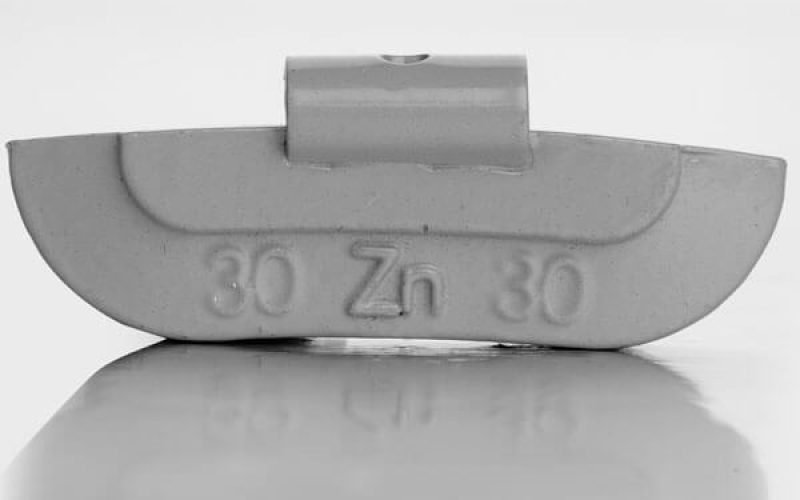
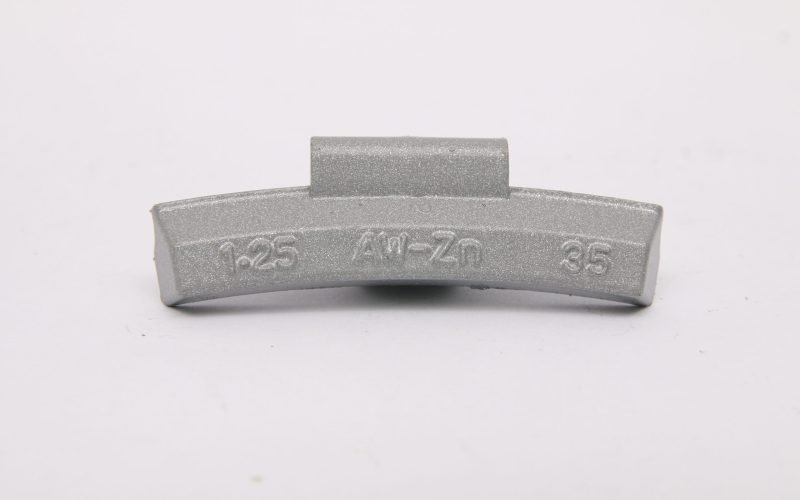
The unique feature of FN wheel weights is their snap-on design. These snap-ons are compatible with many Asian car models. This shape helps them securely attach to the wheel. You’ll see FN wheel weights on both alloy and steel wheels. Brands like Honda, Nissan, and Mazda use them. This design helps balance the tires. Balanced tires improve vehicle handling and contribute to driving safety.
FN vs other wheel weight types
There are many types of wheel counterweights. FN type counterweights differ from MC and IAW type counterweights. MC type counterweights are suitable for most American cars. IAW type counterweights are used for European cars. FN type counterweights are suitable for Japanese cars and some Korean cars. Using the wrong type of counterweight may result in improper installation or even damage to the wheel. Before selecting wheel counterweights, be sure to confirm which type of counterweight your vehicle requires.
Fortune wheel weights features
Fortune sells a variety of car wheel counterweights. You can choose from products made of different materials. Each material has its own advantages:
| Material | Description |
|---|---|
| Zinc | For use as counterweights for FN series zinc alloy wheels (aluminum alloy rims). |
| Plasteel | It uses a steel core and a plastic outer shell. This helps the FNPS-30 wheel hub counterweight to function better and prevents rust. |
Fortune adheres to strict environmental regulations. The company complies with laws such as California’s Metal Wheel Counterweight Act, as well as regulations in Washington State and Canada. These laws help reduce the use of lead.
| Regulation | Description |
|---|---|
| California’s Metal Wheel Weights Act | The use of leaded wheel rim weights is prohibited in new vehicles, and the use of leaded wheel rim weights for wheel balancing is also prohibited (effective January 1, 2009). |
| Washington Legislation | Like in California, it helps prevent lead from entering stormwater runoff. |
| Broader Adoption | Similar regulations have been enacted in other parts of the United States and Canada to protect the environment. |
Fortune is ISO 9001 certified. This means they place great importance on product quality. You can trust the products provided by this highly skilled team.
Vehicles using FN wheel weights
Common Asian brands
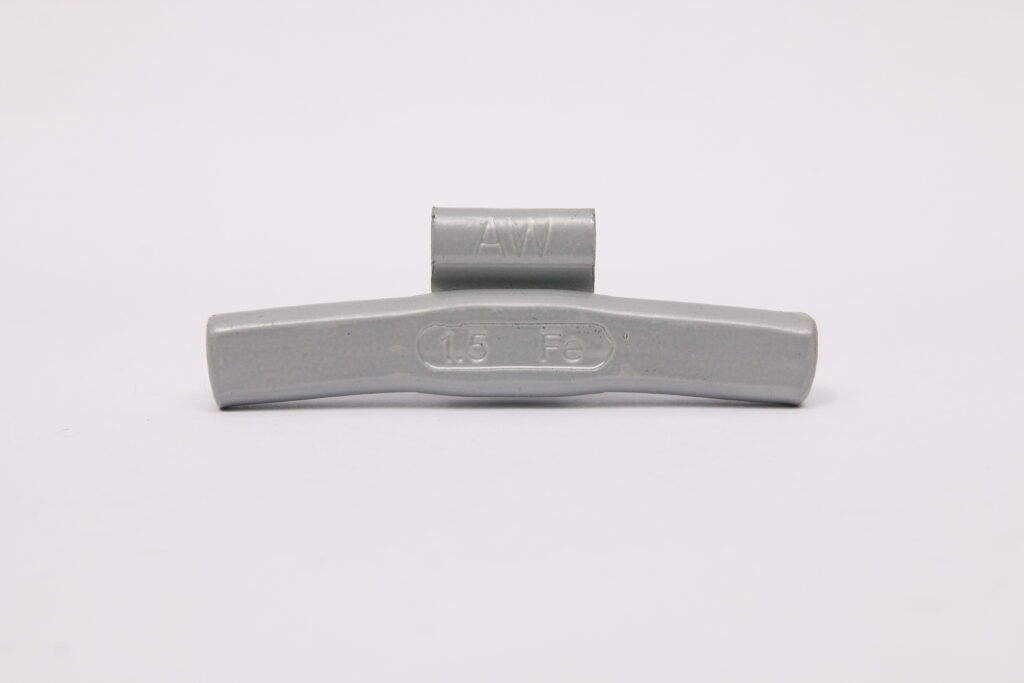
You’ll see FN wheel weights on many popular Asian car brands. These brands use wheels that are compatible with FN snap-on weights. If you drive one of these models, you’ll likely need FN wheel weights to ensure tire balance.
- Acura
- Geely
- Honda
- Infiniti
- Lexus
- Nissan
- Toyota
These brands typically use FN wheel weights because their wheels have a special rim shape. This shape helps to secure the weights firmly, thus maintaining a smooth ride.
Specific makes and models
Most Japanese vehicles manufactured after 1990 and some Korean vehicles use FN type wheel weights, especially those equipped with aluminum alloy or coated steel wheels. You can check your vehicle’s year and wheel type to determine if you need these weights. The table below lists common years, wheel types, and FN type wheel weight codes:
| Year | Wheel Type | Weight (grams) | Code |
|---|---|---|---|
| 1990+ | Coated | 10 | FN-10 |
| 1990+ | Coated | 15 | FN-15 |
| 1990+ | Coated | 20 | FN-20 |
| 1990+ | Coated | 25 | FN-25 |
| 1990+ | Coated | 30 | FN-30 |
| 1990+ | Coated | 35 | FN-35 |
| 1990+ | Coated | 40 | FN-040 |
| 1990+ | Coated | 45 | FN-045 |
| 1990+ | Coated | 50 | FN-050 |
| 1990+ | Coated | 55 | FN-055 |
| 1990+ | Coated | 60 | FN-60 |
If your car is a Honda, Nissan, or Mazda manufactured in the 1990s or later, you’re likely using FN wheel weights. Many Lexus and Infiniti models also use these weights. Some Korean brands, such as Daewoo, may also use FN wheel weights on certain models. To be absolutely sure, be sure to check your wheel type and year.
Tip: If your wheels are made of aluminum alloy or coated steel, and your car was manufactured in Japan or Korea, then FN wheel weights are likely the right choice for you.
OEM wheel compatibility
You can check if your wheels need FN weights by following these simple steps:
- Determine the wheel material. Check if your wheels are alloy or steel.
- Think about where your car was made and the style of your wheels. Japanese alloy wheels often use FN weights.
- Check whether your vehicle is a passenger car or a truck. Trucks with heavy-duty steel wheels may require different types of counterweights.
- Never force the counterweights in. The clips should fit snugly against the rim.
- Please use the compatibility charts provided by the manufacturer. These charts will help you find the best match for your vehicle and wheels.
Following these steps will help ensure your wheels remain balanced and safe. FN wheel weights are standard equipment on many Japanese cars and some Korean cars. Using the right weights will allow your vehicle to drive smoothly and protect your wheels from damage.
Identifying FN wheel weight fitment

How to check your wheels
You can start by carefully inspecting the wheels. Confirm whether the wheels are made of aluminum alloy or steel. Most Asian models equipped with aluminum alloy wheels use FN type counterweights. Check the inside of the rim for markings. These markings usually indicate the wheel type or manufacturer code. If you see a code like “FN” or numbers that match the FN counterweight code, your wheels likely require this type of counterweight. You can also consult your vehicle’s manual. The manual may list the correct type of counterweight for your vehicle. If you are using original factory wheels, you are more likely to need FN type counterweights.
Signs your vehicle needs FN weights
There are some signs that can help you determine if your car uses FN type wheel weights. If you drive a Japanese or Korean car manufactured after 1990, your car likely needs FN type wheel weights. Wheels using FN type wheel weights usually have a special rim shape. The weight clips are securely fastened and won’t come loose. You may also notice that these weights have specific size specifications. Here are some common size specifications for FN type wheel weights:
| Common FN Increments | Description |
|---|---|
| 5g | Standard weight increment |
| 10g | Standard weight increment |
| 15g | Standard weight increment |
| 20g | Standard weight increment |
| 25g | Standard weight increment |
| 30g | Standard weight increment |
| 40g | Standard weight increment |
| 45g | Standard weight increment |
| 50g | Standard weight increment |
If you see these dimensions on your existing wheel weights, your wheels are likely FN type. Additionally, if your vehicle feels shaky or the steering wheel vibrates, you may need to balance your wheels with the correct weights.
When to consult a professional
If you are unsure about your wheel type, you should consult a tire expert. A professional can inspect your wheels and advise you on the most suitable weights. You can also contact your vehicle manufacturer or check your vehicle specifications online. Never force weights onto the wheels. Using the wrong weights can damage the wheels or make the vehicle unsafe. A professional can help you select the appropriate FN wheel weights and install them correctly.
Choosing the right wheel weights can ensure your vehicle’s safety and improve performance. If the weights are unsuitable, you may notice increased noise, uneven tire wear, and increased fuel consumption. Fortune wheel weights are known for their precise cuts, smooth edges, and strong adhesion. You can check if your weights are suitable by following these steps:
- Use a wheel balancer to check the wheel’s balance.
- Clean the wheel rims before installing the weights.
- If you have any questions, consult a tire expert.
To protect your vehicle and save money, be sure to review your vehicle requirements.
FAQ
What does “FN” mean in FN wheel weights?
“FN” represents a specific clamp design suitable for many Asian vehicle models. If your vehicle uses these wheels, you will need to use this clamp to maintain good balance.
Can I use FN wheel weights on any car?
Not all vehicles are suitable for FN type wheel weights. They are best suited for Japanese and some Korean models. Be sure to confirm your wheel type before making a selection.
How do I know if my wheels need FN weights?
Check for the “FN” marking on the wheels, or consult your vehicle’s manual. If you are driving a Honda, Nissan, or Mazda, you may need to use FN weights.
Are Fortune FN wheel weights safe for the environment?
Yes. Fortune provides lead-free materials such as zinc and steel. These materials comply with U.S. and Canadian environmental regulations.

 Request a quote