 24Mar
24Mar 

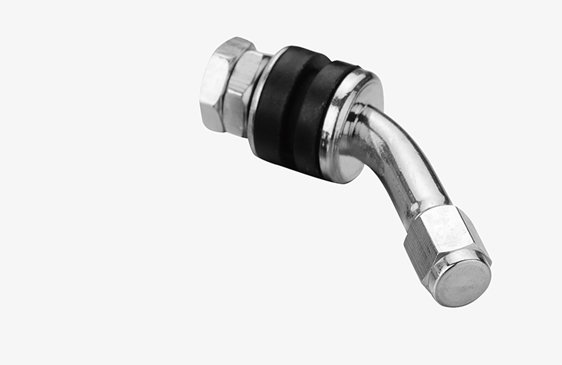
Both Presta and Schrader valve cores are suitable for use with tubeless tires. Selecting the appropriate tubeless valve is crucial, as it helps enhance tire performance and ensures riding safety. Studies indicate that tubeless tires operate at lower air pressures, which improves traction and prevents pinch flats without increasing rolling resistance. Riders will feel more secure when riding on wet or bumpy surfaces. Tubeless tires reduce the risk of pinch flats and are capable of maintaining air pressure even in the event of minor punctures. Please select a tubeless valve that is compatible with your specific rims and tires to ensure a tight and reliable seal.
Key Takeaways
- Choose the right valve for your bicycle. Presta valves are suitable for road bikes, while Schrader valves are ideal for mountain bikes.
- Select a valve material that meets your needs. Metal valves offer greater durability, whereas rubber valves are more affordable.
- Ensure that the valve stem matches the rim size. Presta valves require a 6mm rim hole, while Schrader valves require an 8mm rim hole.
- Regularly inspect and maintain your valve stems. Cleaning the valve core helps prevent air leaks and ensures a proper seal.
- Adhere to the manufacturer’s compatibility guidelines. This helps prevent air loss and ensures your safety while riding.
Tubeless Tyre Valve Types
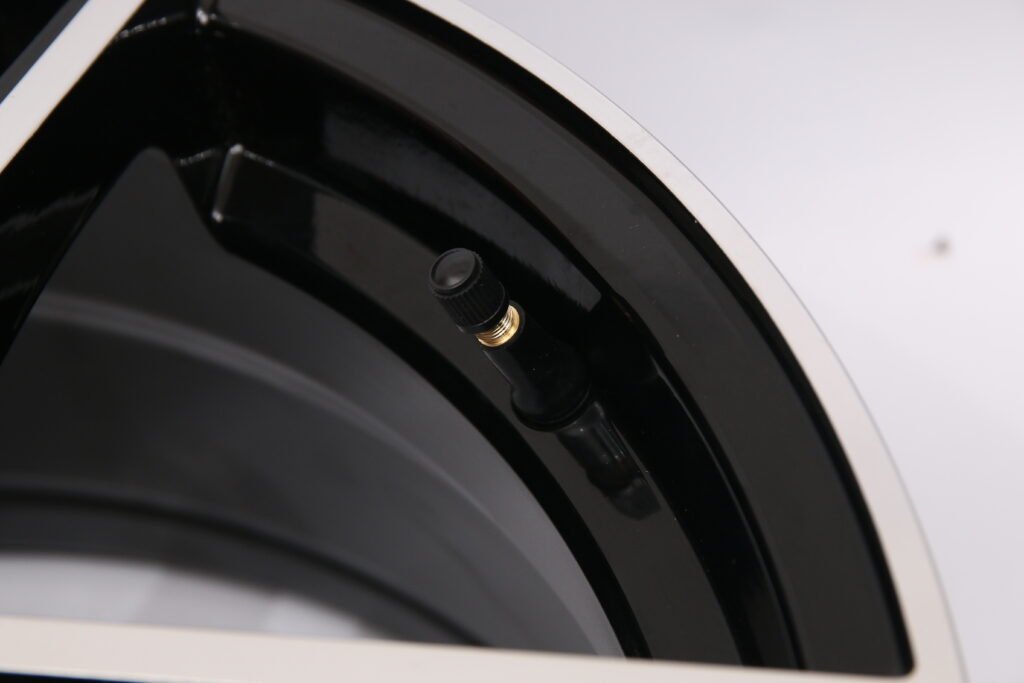
Selecting the appropriate tubeless tire valve core is crucial. It helps the tire maintain a secure seal and function properly. Each type of valve core possesses unique characteristics, making it suitable for different bicycles and riding styles.
Presta Valves
Presta valves are very common on road bikes and are also used on high-performance mountain bikes. These valves are slender, allowing them to fit into smaller rim holes, which helps maintain the rim’s structural integrity and keeps it lightweight. Presta valves allow for quick tire pressure adjustments without the need for specialized tools. Due to their light weight, they are highly favored by racers and are also suitable for use with tubeless tires.
- A Presta valve features a small locknut at the tip. This nut must be unscrewed before inflating the tire.
- The valve core can be removed to allow for cleaning or the addition of sealant.
- Cleaning and tightening the valve core helps prevent air leaks and seizing.
- Improper use of a pump can cause the valve stem to bend. A damaged valve core should be replaced as soon as possible to avoid future complications.
Tip: Keep the Presta valve core clean and lubricated. This helps extend the lifespan of tubeless tire valves and prevents air leaks.
Schrader Valves
Schrader valves are wider and shorter than Presta valves. Many mountain bikes, hybrid bikes, and children’s bicycles utilize this type of valve. Due to their larger size, they can be easily inflated using most bicycle pumps. The internal spring mechanism allows for quick and convenient inflation.
- Schrader valves are ideal for cyclists who prioritize ease of inflation—even when riding on the road.
- If the valve core becomes clogged, it can be removed for cleaning.
- Schrader valves are compatible with a wide variety of rims, though they do require a larger valve hole for installation.
The table below compares Presta and Schrader valves in the context of tubeless tire systems:
| Valve Type | Air Retention Performance | Pressure Range | Tubeless Compatibility |
|---|---|---|---|
| Presta | Superior | 90–120+ PSI | Dominates |
| Schrader | Inferior | 30–70 PSI | Less common |
Other Valve Types
Some individuals or brands opt for alternative valve types to meet specific requirements. These valves feature specialized functions tailored to particular applications.
- Stan’s NoTubes Universal Valves are compatible with a wide range of bicycles and offer exceptional sealing performance.
- WTB TCS Alloy Valves are available in a variety of colors; they are both lightweight and highly durable.
- Teske Titanium Valves are designed specifically for cyclists seeking robust, high-end components.
- Muc-Off Large-Bore Tubeless Valves are crafted from aircraft-grade aluminum alloy. Their enlarged internal bore facilitates the flow of air and sealant, making them particularly well-suited for use with tire inserts.
Rubber valves account for approximately 60% of the market share; they are chosen for their flexibility and affordability. Metal valves make up the remaining 40% of the market share; they are preferred for their strength and durability, offering a longer service life under demanding riding conditions.
Note: Please ensure that tubeless valves are installed correctly and inspected regularly. This helps prevent issues such as sealant clogging, air leaks, and valve core breakage.
Tubeless Tyre Valve Materials and Features
Metal vs. Rubber Tubeless Tyre Valves
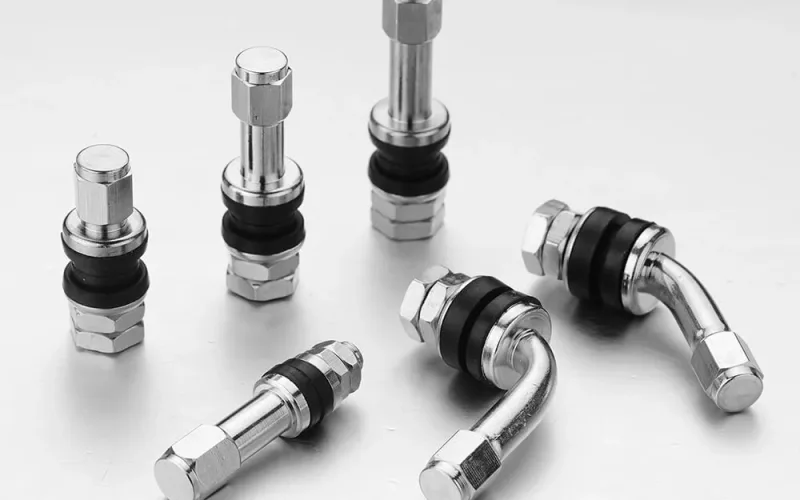
Manufacturers utilize various materials to produce tubeless tire valves. Metal valves—such as those made of brass and aluminum—are sturdy, durable, and resistant to rust. Rubber valves offer greater flexibility and are more affordable. The choice of material influences the valve’s service life as well as its performance in harsh environments.
Metal valve cores are best suited for heavy-duty trucks and high-speed motorcycles. Rubber valve cores are suitable for standard passenger cars and light trucks. Brass valve cores are exceptionally durable and rust-resistant. Aluminum valve cores are lightweight and highly resistant to wear. Rubber-sealed valve cores effectively lock in air while shielding against sunlight and ozone.
Key Features (Length, Seal, Core)
The length of the valve core, as well as the type of seals and core mechanism used, influence the valve core’s operational principles.
Longer valve cores are suitable for deep-profile rims. High-quality seals prevent air leaks and help maintain stable tire pressure. Removable valve cores facilitate cleaning and the addition of sealant. These design features contribute to enhancing the performance of tubeless tire valve cores.
The structural design of the valve core is also crucial. Certain open-style valve cores are resistant to clogging by sealant, allowing for smoother airflow. This makes inflation easier and also aids in seating the tire firmly onto the rim.
Fortune Tire Valve Overview
Fortune has been manufacturing tire valves for over 20 years. The brand offers both metal and rubber tubeless tire valves. The metal valves are crafted from robust aluminum alloy or brass and can withstand pressures of up to 200 PSI. The rubber valves are made from EPDM rubber and feature an internal brass core; they are resistant to rust and remain undamaged by high temperatures.
Fortune valves adhere to rigorous quality standards. The company has obtained ISO/TS 16949 certification from TÜV. Every single valve undergoes testing for airtightness, structural strength, ozone aging resistance, and leak prevention. Fortune guarantees that every tubeless tire valve is safe, reliable, and delivers superior performance.
Fortuna valves are suitable for passenger cars, trucks, and high-speed vehicles. Metal valves offer a longer service life and perform exceptionally well in harsh environments, while rubber valves are easy to install and provide superior flexibility. Fortuna manufactures its valves using innovative processes and subjects them to rigorous testing to ensure compliance with international standards.
Choosing the Right Tubeless Tyre Valve
Rim and Bike Compatibility
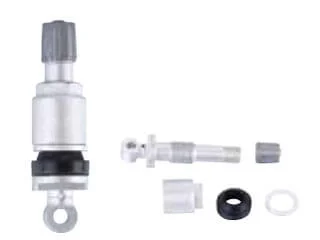
You must verify that the valve stem is compatible with your specific rim and bicycle. Rim valve holes vary in diameter: Presta valves are designed for 6mm holes, whereas Schrader valves require an 8mm hole diameter. Using an incorrect size can lead to air leaks and potentially damage the valve base. Rim depth is also a critical factor; standard rims typically utilize valve stems ranging from 32mm to 48mm in length, whereas deep-section rims require longer stems to ensure proper access for inflation.
- Ensure that the valve you select matches the diameter of the rim’s valve hole.
- Verify that the valve base sits flush and creates a tight seal against the inner surface of the rim.
- The length of the valve stem must be appropriate for the specific rim requirements.
- Some rims require valves that are compatible with Tire Pressure Monitoring Systems (TPMS).
- Please consult the manufacturer’s instructions to determine the most suitable model.
Note: If the tire and rim do not match, they may not fit together snugly. This can make installation difficult. Before beginning the installation, please be sure to verify that the two are compatible.
Riding Style and Conditions
When selecting a valve stem, both your riding style and environment are crucial factors. Mountain bikers favor tubeless tires because they help prevent flats. Furthermore, tubeless setups allow you to run lower tire pressures—thereby improving traction—which is particularly beneficial on rugged mountain trails. Road cyclists, who prioritize speed and a smooth riding experience, also stand to benefit from using tubeless tires.
- Mountain bikes require robust valve stems capable of withstanding bumps and rocky terrain.
- Road bikes, conversely, are better suited for lightweight valve stems designed to enhance speed.
- Off-road enthusiasts and winter riders should opt for stainless steel or brass valves.
- Everyday cyclists may choose aluminum or rubber valves as a cost-effective option.
| Valve Type | Environmental Condition Impact | Advantages |
|---|---|---|
| Plastic Caps | Provides adequate protection under normal conditions | Lightweight, cost-effective |
| Metal Caps | Exceptional durability and corrosion resistance | Suitable for luxury vehicles, featuring enhanced anti-tampering capabilities |
| Rubber Valves | Prone to drying out, cracking, and ozone degradation | Cost-effective for standard applications |
| Aluminum Valves | Lightweight and corrosion-resistant | Suitable for daily passenger vehicles |
| Stainless Steel | Possesses exceptional durability in harsh environments | Best for off-road, marine, or winter-use vehicles |
Tip: If riding in harsh weather or on rough terrain, please choose valve cores that are resistant to rust and premature wear.
Practical Selection Checklist
Selecting the best tubeless tire valve stems involves a few key steps. Please refer to the checklist below to help guide your decision:
- Choose the appropriate valve stem material. Brass is rust-resistant; stainless steel is robust and durable; aluminum is lightweight; and rubber is flexible and more affordable.
- Select a valve stem type that corresponds to your rim type. Presta valves are suitable for rims with smaller valve holes, while Schrader valves are designed for rims with larger valve holes.
- Choose a valve stem length that is appropriate for your specific rims.
- Select a valve stem with excellent sealing properties to prevent air leaks.
- Weigh the balance between price and quality; high-quality valve stems offer a longer service life.
- Consider additional features, such as removable valve cores or colored valve caps.
Remember: Always follow the manufacturer’s recommendations specific to your bicycle and rims. This ensures the best possible fit and optimizes your riding experience.
Choosing the right tubeless tire valve stems not only enhances your safety but also improves the quality of every ride.
Selecting the appropriate tubeless tire valve requires considering its type, material, and compatibility. Cyclists may refer to the options listed in the table below:
| Feature | Aluminum Valve Stems | Brass Valve Stems |
|---|---|---|
| Weight (per pair) | 30g / 20g | 50g |
| Corrosion Resistance | High | Very High |
| Durability/Strength | Strong | Strongest |
Please follow these steps to achieve optimal results: 1. Select the valve type that is suitable for your specific wheels and vehicle. 2. Choose sturdy and durable materials, such as brass or aluminum. 3. Select a brand you trust (such as Fortune) to ensure quality and safety.
Tip: Be sure to verify that the valve is compatible with your wheels and tires. This helps maintain a proper seal and extends the service life of the components.
FAQ
What is the main difference between Presta and Schrader valves?
Presta valves are slender and designed to fit into smaller rim holes. Schrader valves are short and wide, suitable for installation in larger holes. Road bikes typically use Presta valves, while mountain bikes and hybrid bikes often use Schrader valves.
Can you use any valve with any tubeless rim?
No, not all valve stems are compatible with every rim. The valve hole on each rim is designed for a specific type of valve stem. Some rims are designed for Presta valves, while others are designed for Schrader valves. Before selecting a valve stem, be sure to verify the specifications of your rim. Using the wrong type of valve stem can lead to air leaks and may even damage the rim.
How often should you replace tubeless tyre valves?
Most people recommend replacing the valves on tubeless tires whenever new tires are installed. If a leak is detected, the valve should also be replaced promptly. Regularly inspecting the valves helps ensure driving safety and helps maintain optimal tire performance.
Do metal valves last longer than rubber valves?
Yes, metal valves have a longer lifespan than rubber valves. Brass and aluminum valves do not rust, nor do they wear out quickly. They perform exceptionally well in harsh environments and under heavy-duty operations.
Why choose Fortune Tire Valves for tubeless tires?
Fortune tire valves are sturdy, durable, and exquisitely crafted. The company conducts quality inspections on every single valve. They manufacture both metal and rubber valves. These valves comply with global safety and performance standards.
 Request a quote