 26Mar
26Mar 

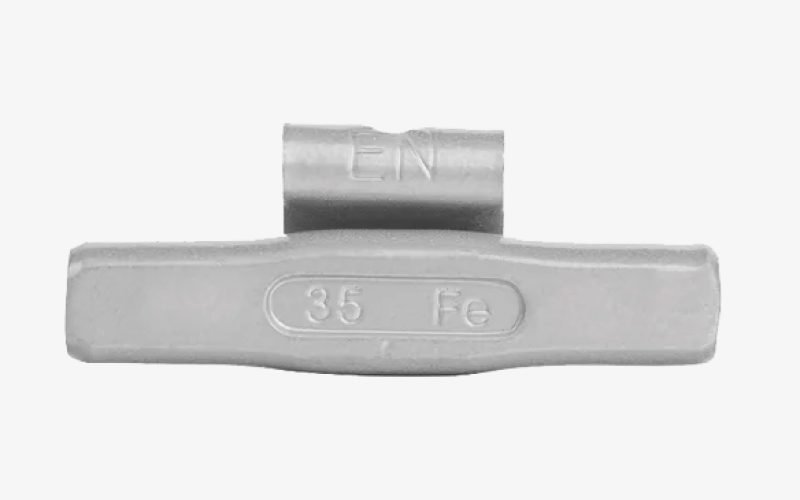
For steel wheels, you should select clip-on balance weights made of steel or zinc. This choice ensures a secure and reliable installation. Selecting the appropriate balance weights not only helps safeguard your driving safety but also effectively extends the service life of your tires. Fortune is dedicated to providing you with high-quality products that facilitate precise wheel balancing, thereby enhancing your vehicle’s overall performance. You can place your trust in Fortune; we are committed to delivering products of exceptional quality and lasting durability.
Key Takeaways
- For a secure fit on steel wheels, please select clip-on wheel weights made of steel or zinc.
- Please inspect and maintain your wheel weights regularly to ensure driving safety and extend the service life of your tires.
- Please use a wheel balancing machine to determine the appropriate size and installation location for the wheel weights.
- In humid environments, it is recommended to use wheel weights with a galvanized surface finish to effectively prevent rust and corrosion.
- When installing wheel weights, be sure to clean the wheel rim and ensure the weights are positioned accurately to avoid common installation errors.
Types of wheel weight
Clip-on weights for steel wheels
For steel wheels, a variety of clip-on balance weights are available on the market. Fortune offers an extensive range of products, manufactured from materials including steel, zinc, and lead. Each material possesses its own distinct advantages. Lead weights are heavy and easy to handle; however, they pose an environmental hazard, leading many regions to explicitly ban their use. Zinc weights are highly favored for their rust-resistant properties and are also environmentally friendly. Steel weights are cost-effective and readily available, but they are prone to rusting and therefore require periodic inspection.
The table below outlines a comparison of the advantages and disadvantages of each material:
| Weight Material | Pros | Cons | Best For |
|---|---|---|---|
| Lead | Heavy, inexpensive, and easy to use | Harmful to the environment; has been banned in many regions | Belongs to an older system (being gradually phased out) |
| Zinc | Rust-proof, durable, and environmentally friendly | High initial purchase cost | High initial purchase cost |
| Steel | Affordable and easily accessible | Prone to rust; requires periodic inspection | Suitable for users who prioritize cost-effectiveness |
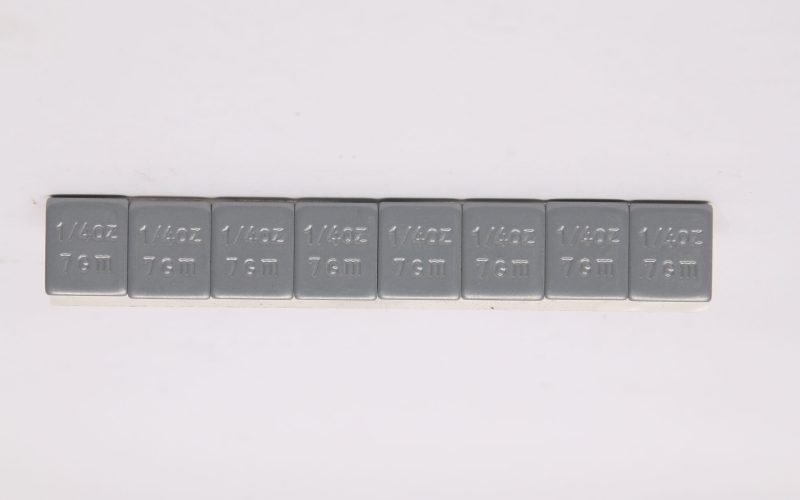
Fortune produces a diverse range of clip-on wheel weights, including the P-Series and galvanized models. The P-Series weights are made of zinc, making them both safe and environmentally harmless. The galvanized weights are resistant to rust and offer an extended service life in humid or high-salinity environments. These weights are suitable for use on passenger cars, light trucks, and various fleet vehicles. Many repair shops prefer the galvanized weights, as they are not only cost-effective but also environmentally friendly.
Tip: Clip-on wheel balance weights can be attached directly to the rim flange. They are securely fastened and resistant to displacement. This design is ideal for high-speed driving and rough road conditions.
Adhesive weights and when to use
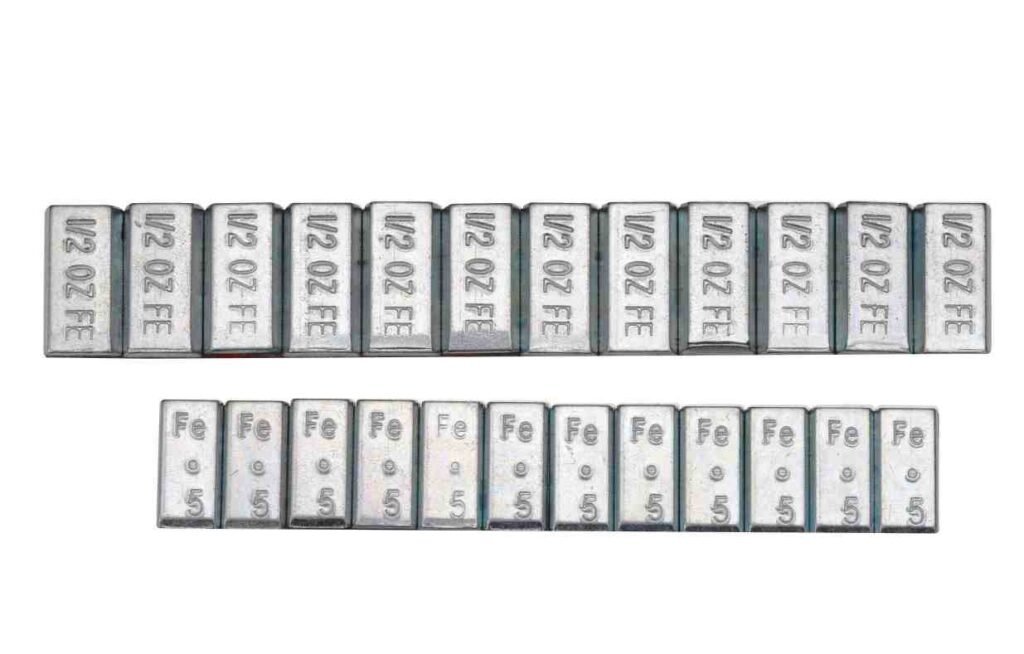
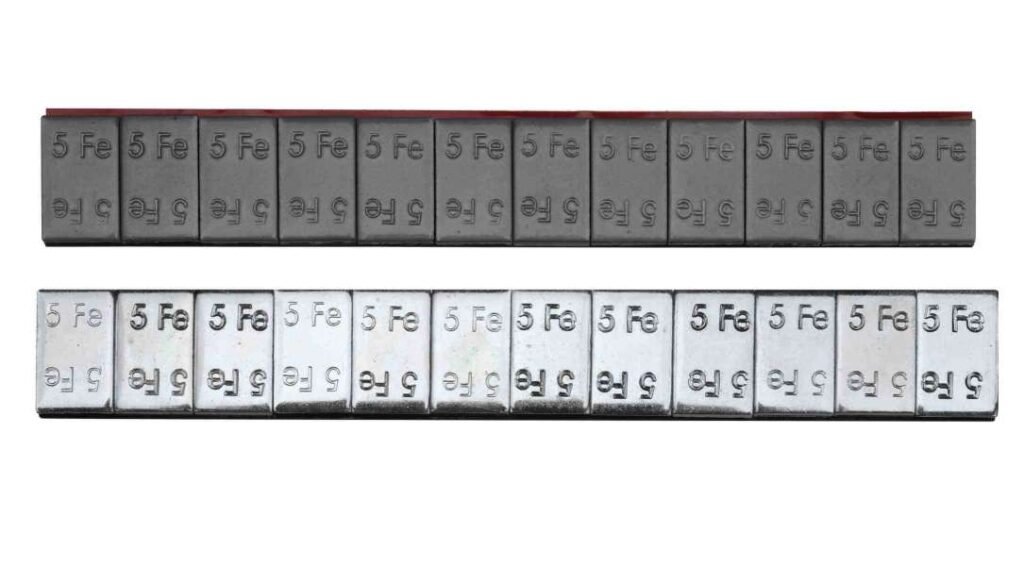
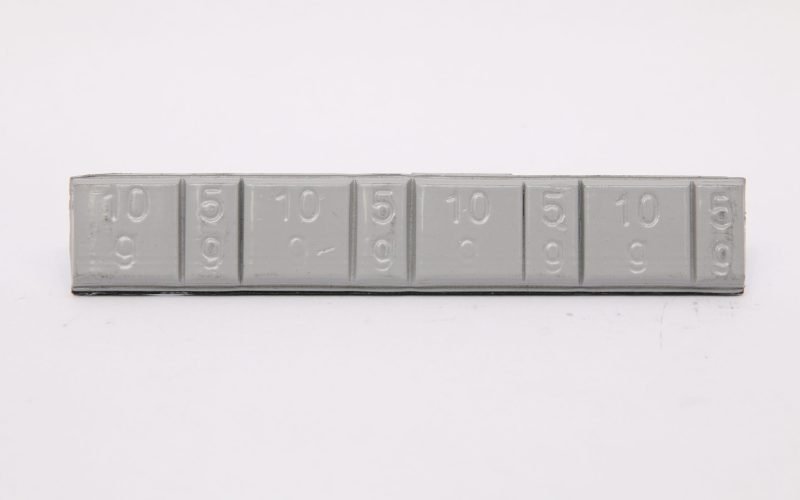
Adhesive wheel weights are typically less commonly used on steel wheels. They are primarily intended for alloy wheels or wheels with specialized designs. Occasionally—specifically if the wheel rim lacks a flange to which clip-on weights can be secured—you will need to use adhesive weights instead. Adhesive weights attach to the wheel surface via an adhesive backing. Before application, the mounting area must be thoroughly cleaned; otherwise, the weight may detach.
You might choose to use adhesive weights on steel wheels in the following situations:
- The rim profile is not suitable for clip-on balance weights.
- You prefer the balance weights to be installed discreetly.
- You do not want to scratch the wheel surface.
Compared to clip-on balance weights, adhesive balance weights are more difficult to remove. During installation, the surface of the wheel rim must be kept dry and clean. In most cases, clip-on balance weights are the preferred choice for steel wheels; they attach securely and are easy to install.
The table below presents the Fortune brand’s product range of balance weights for steel wheels:
| Type | Features |
|---|---|
| Clip-On Steel Wheel Weights | Robust and reliable, compatible with a wide range of wheel hubs, capable of withstanding heavy-duty use, resistant to deformation, and built for long-lasting durability. |
| Zinc Clip-On Wheel Weights | Rust-proof, affordable, and exquisitely crafted; fits snugly and ensures vehicle stability. |
| Adhesive Steel Wheel Weights | Versatile, easy to install, and discreet in appearance. |
Note: Adhesive wheel weights should be used only when clip-on weights cannot be installed. For most steel wheels, clip-on weights are the optimal choice.
Why Choose Clip-On Wheel Weights for Steel Wheels
Compatibility with steel wheels
You need a wheel weight that fits your steel rims perfectly. Clip-on weights are the optimal choice, as their strength and profile are highly compatible with steel rims. Their design strictly adheres to rim manufacturing standards, ensuring a secure grip with every installation. Most steel rims feature a robust rim flange structure; clip-on weights latch firmly onto these edges, remaining absolutely motionless—even during high-speed driving or over rough terrain.
You may choose from clip-on wheel weights made of zinc, steel, or lead. Among these options, zinc weights are environmentally friendly and offer performance comparable to that of lead weights, while steel weights are more cost-effective and likewise cause no harm to the natural environment. The steel clips used in these weights adhere to rigorous quality standards, ensuring that you receive a product that is both robust and reliable in its performance. Fortune employs a specialized surface heat treatment process for these steel clips, thereby guaranteeing that these clip-on wheel weights meet all expected requirements regarding both hardness and overall performance.
Note: Clip-on wheel weights are suitable for use with both aluminum alloy and steel wheels; however, they achieve optimal fit and secure attachment when paired with steel wheels.
Durability and secure fit
Naturally, you want your wheel weights to be durable and remain securely in place at all times. Designed specifically for steel wheels, these clip-on weights are engineered to withstand the most demanding operating conditions. They feature reinforced clips manufactured to extremely tight tolerances, effectively preventing deformation or detachment. The reverse side of each weight is specially contoured to ensure a snug, flush fit against the wheel rim. This secure mounting method guarantees that your wheels remain perfectly balanced.
Different materials offer additional protective benefits. Zinc-plated weights provide excellent resistance to rust and corrosion; epoxy-coated weights offer superior weather resistance and extended service life—making them particularly well-suited for winter driving conditions; stainless steel weights are completely rust-proof and retain their original shape even during long-distance travel; while forged alloy steel weights boast exceptional vibration-damping properties and resist cracking, even when driving over rough or uneven terrain. Furthermore, specialized weights are available with custom designs tailored to unique rim profiles, helping high-performance vehicles maintain precise dynamic balance.
Clip-on wheel weights help your vehicle maintain stability while traveling at high speeds. They effectively mitigate trailer sway and protect the vehicle’s suspension system. The use of balance weights ensures even tire wear and enhances braking control—factors that are critical for driving safety. High-quality coated balance weights offer a service life of 4 to 6 years, whereas standard iron weights typically last 2 to 4 years.
Note: Fortune brand clip-on wheel weights are manufactured using materials with exceptional thermal stability, ensuring they consistently retain their original shape and strength, whether exposed to extreme cold or intense heat.
Choosing the right wheel weight
Material options
When selecting wheel weights for steel rims, it is essential to consider the material composition. Currently, many regions have established specific regulations regarding the types of materials permitted for use as wheel weights. Lead was once a ubiquitous choice; however, due to the potential environmental hazards it poses, many states have now explicitly banned its use. Consequently, an increasing number of repair shops are now transitioning to wheel weights made of zinc or steel. These materials not only comply with the latest regulatory requirements but also contribute to environmental protection. Among these options, zinc offers excellent corrosion resistance, making it particularly suitable for use in humid environments, while steel is a more cost-effective alternative that is easily recyclable. Furthermore, the energy required to recycle steel is significantly lower than that needed to smelt new steel—a factor that offers substantial environmental benefits. The market has even seen the emergence of innovative steel wheel weights that offer enhanced durability while remaining remarkably lightweight.
The table below outlines various regulations established by different states regarding the materials permitted for wheel weights:
| State / Jurisdiction | Effective Date | Key Provisions | Penalties for Violation |
|---|---|---|---|
| California | January 1, 2010 | Bans lead weights on new installs | Up to $500 fine |
| New York | July 1, 2013 | Bans sale and install of lead weights | $250–$1,000 fine |
| Maine | October 1, 2014 | No lead weights on registered vehicles | Up to $1,000 fine |
As of June 2024, 15 states and Washington, D.C., have banned the use of lead wheel weights. Most new vehicles currently use zinc or steel weights.
Size and fit
Naturally, you want your wheel balance weights to fit your steel rims perfectly. First, use a wheel balancing machine to pinpoint the exact location where the weights need to be installed. Measure the dimensions of this specific spot and select a balance weight of the corresponding size. Fortune offers a wide variety of weight sizes and shapes, ensuring you can find the product that provides a perfect match for your rims. If necessary, the weights can be trimmed to size; they should then be pressed or clipped firmly into place. After installing the weights, be sure to perform a re-check of the wheel balance. Never use weights that are heavier than strictly necessary, as excessive weight can negatively impact the vehicle’s driving performance.
If you are unsure which weight specifications to choose, Fortune is always available to provide technical support. You can reach out for assistance to ensure you select the most suitable product for your steel rims.
Installation Tips and Common Mistakes for Steel Wheel Weights

Proper placement
To maintain tire balance, you must place the balance weights in the correct positions. First, mount the wheel onto a wheel balancing machine. The machine will indicate the location of the imbalance. Mark this spot on the rim. Clean the rim edge (flange) to ensure that dirt does not interfere with the proper seating of the balance weight. Select a clip-on balance weight of the appropriate size and type. Align the weight with the marked position. Use a weight hammer or pliers to firmly secure it in place. Check to ensure the weight does not wobble. Perform the wheel balancing test again. If necessary, repeat this process to perform two-sided balancing correction. Always inspect the balance weights to ensure they are securely attached.
Tools needed
When installing wheel balance weights, you should utilize appropriate specialized tools. A dedicated balance weight hammer facilitates the installation, removal, and securing of clip-on weights. This tool features a nylon head designed to protect the wheel rim’s surface from damage, while its integrated removal claw allows for the effortless detachment of weights. The clamping notch located on the hammer body can be used to adjust the tension of the weight clip, ensuring a perfect, flush fit against the wheel rim. Furthermore, the dual-material handle is ergonomically designed to provide a comfortable grip and enable precise tool control. Using the proper tools not only makes the job easier and more efficient but also ensures the safety and integrity of the wheel rims.
Common errors to avoid
Many people make mistakes when installing wheel balance weights. The following are some common errors and their consequences:
- Failure to clean the rim and hub. This leads to inaccurate measurement data and causes steering wheel vibration.
- Installing the balance weights in the wrong location. This results in wheel vibration and accelerates tire wear.
- Incorrectly using adhesive weights in areas where clip-on weights are more appropriate. This may cause the balance weights to detach.
- Failure to verify that the installation is secure. If a loose balance weight detaches, it could damage the vehicle’s suspension system.
Tip: Fortune has designed snap-on balance weights specifically for convenient installation. Their powder-coated surface effectively prevents rust while ensuring a secure fit. The use of high-quality materials helps you avoid common errors, thereby safeguarding your driving safety.
| Feature | Clip-On Wheel Weights |
|---|---|
| Installation Method | Clips onto the rim edge |
| Tool Requirement | Needs hammer or pliers |
| Customization | Many sizes and shapes |
| Stability | Secured with spring clamps |
| Ease of Use | Designed for easy placement |
Improper installation can adversely affect tire wear and vehicle handling, leading to uneven tire wear and placing increased stress on suspension components. Please strictly adhere to the installation procedures and select Fortune products to ensure reliable performance.
For optimal balancing results on steel wheels, we recommend using clip-on balance weights made of steel or zinc. These weights help enhance driving safety, ensure a smooth and comfortable ride, and effectively extend the service life of your tires. Fortune offers products of exceptional quality, featuring not only superior rust resistance but also a secure and reliable fit.
- Say goodbye to vibration issues and enjoy a more comfortable driving experience.
- Ensure even tire wear and significantly extend your tires’ mileage.
- Choose safer, eco-friendly materials to support your commitment to environmental sustainability.
Please follow these steps to ensure optimal performance:
- Select the appropriate balance weights based on your specific wheel model.
- Be sure to clean the wheel surface thoroughly before installing the balance weights.
- Regularly inspect the condition of the balance weights and replace them promptly if necessary.
FAQ
What type of wheel weight should you use for steel wheels?
You should use clip-on balance weights made of steel or zinc. These weights attach securely to steel rims and offer excellent rust resistance. The Fortune brand offers both types of weights to ensure reliable performance.
Can you use adhesive wheel weights on steel wheels?
If your steel wheels lack a rim flange, you can use adhesive wheel weights. However, for most steel wheels, clip-on weights are generally the better choice, while adhesive weights are more suitable for specific situations.
How often should you check wheel weights?
Whenever you rotate your tires or drive on rough terrain, you should inspect your wheel balance weights. Loose or missing weights can cause vehicle vibration and lead to uneven tire wear.
Do wheel weights affect fuel efficiency?
Wheel balance weights help maintain tire balance. Well-balanced tires reduce vibration and rolling resistance, thereby improving fuel economy and providing a smoother driving experience.
How do you know which size wheel weight to pick?
You can use a wheel balancing machine to determine the appropriate specifications required. The Fortune brand offers a wide variety of wheel balance weights in various sizes and shapes. It is recommended to consult a professional or refer to the wheel’s technical specifications to select the most suitable balance weights.
26Mar 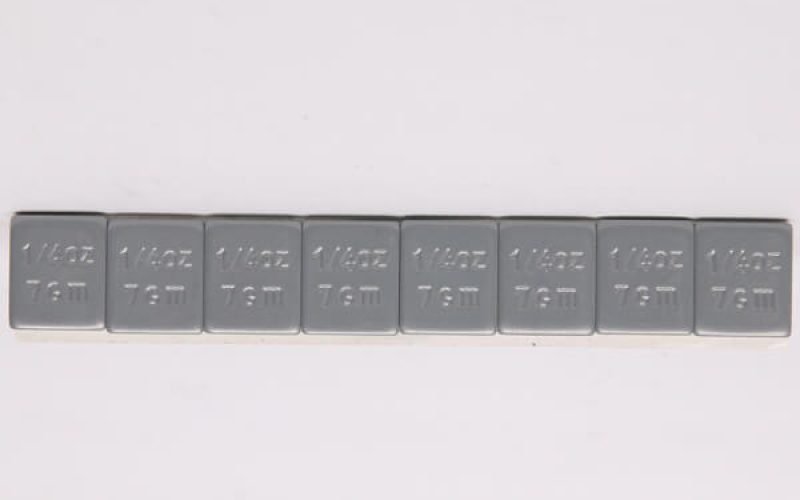
 Request a quote