admin1

October 20, 2025

The Ultimate FAQ About Your Wheel Lug Nut Key

The Ultimate FAQ About Your Wheel Lug Nut Key

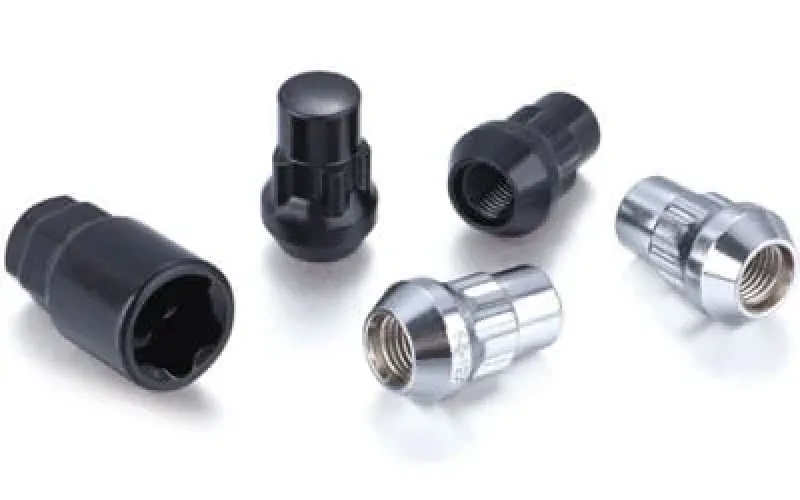
Your wheel lug nut key is a small, socket-like tool with a unique grooved pattern. This pattern is designed to match a set of special lug nuts on your vehicle, which are known as locking wheel nuts. These locking wheel nuts are a type of wheel lock. A standard lug wrench will not fit this wheel lock; only the matching locking wheel nut key can remove them. The primary function of this system is to use anti-theft lug nuts to protect your valuable wheels and tires from theft, making your wheel lock key a crucial security item.

Note: Wheel and tire theft is a growing problem. Premiere Services reported that theft claims increased by almost 90% from 2020 to 2022. Cities like Los Angeles, Atlanta, and Houston consistently rank as top markets for these incidents, showing how important a wheel lock can be.

Where Is My Wheel Lock Key Typically Stored?

Misplacing your wheel lock key can be frustrating, especially when you have a flat tire. Car manufacturers and previous owners usually store this small but vital tool in a few common places inside the vehicle. You can save yourself a headache by methodically checking these spots first.

Check the Glove Compartment

Your glove compartment is the most common storage spot for the wheel lock key. It is a convenient and logical place for small, important items related to your vehicle.

  • Inside the Owner’s Manual Pouch: Many dealerships place the key in a small plastic bag and tuck it inside the pouch containing your owner’s manual.
  • In a Separate Compartment: Some glove boxes have small trays or netted areas. Check these spots for a loose key or a small box.
  • With Vehicle Paperwork: The key might be clipped to or stored with your vehicle registration and insurance documents.

Pro Tip: When you find the key, consider leaving a note with it that includes the key’s identification code. This code is essential if you ever need to order a replacement from the manufacturer.

Look in the Trunk with the Spare Tire

The trunk is another prime location, as the key is often packaged with the tools you need for changing a tire. This keeps everything you need for the job in one place.

  1. Lift the Trunk Floor: Access the spare tire compartment by lifting the floor panel or carpet in your trunk.
  2. Inspect the Tool Kit: Look for a small, black canvas or plastic tool kit. The key is frequently stored in a designated slot within this kit, alongside the jack and lug wrench.
  3. Check Foam Organizers: Many modern cars use a styrofoam organizer to hold tools securely and prevent rattling. The wheel lock key often has its own small, cutout section in this foam block. This is a very common place to find the tool for your wheel lock.
Common Trunk LocationsWhat to Look For
Spare Tire WellA small, socket-like tool, possibly in a plastic bag.
Vehicle Tool PouchA designated slot or pocket inside the pouch.
Foam InsertsA specific cutout shaped to hold the key.

Inspect the Center Console and Door Pockets

If you have not found the key yet, check the other storage areas inside the car’s cabin. Previous owners or service technicians may have placed the wheel lock in a spot they found convenient.

  • Center Console: Open your center console and check all its trays and deeper compartments. Sometimes the key gets tossed in with loose change, charging cables, and other items.
  • Door Pockets: Search the pockets on the driver and passenger side doors. While less common, it is a possible spot.
  • Under the Seats: Use a flashlight to look under the front seats. The key could have rolled out of another storage area and ended up there.

Finding the key for your wheel lock system is the first step. Once you locate it, decide on a permanent, memorable spot to keep it so you always know where it is.

Review Your Vehicle’s Original Paperwork

Sometimes the physical key is nowhere to be found. Your next step is to search the documents that came with your car. The original paperwork often contains a vital piece of information: the identification code for your specific wheel lock key. This code is your direct path to getting a replacement.

You should carefully look through the glove compartment for the folder containing your vehicle’s documents. The identification card or code is often placed there by the dealership or manufacturer.

  • Owner’s Manual: Check inside the manual and its storage pouch.
  • Warranty Booklet: The code card might be stapled or clipped to these papers.
  • Original Packaging: If you have the small plastic box or bag the wheel lock set came in, the code is usually printed on a sticker right on it.

One owner mentioned their new vehicle came with the wheel locks and key in a simple plastic bag. They also found a separate card in the glove box. This card listed the manufacturer and contact information for the wheel lock, which is extremely helpful for ordering a new key.

This code is a unique number or pattern that identifies your key. With this code, you can easily order a perfect replacement from the manufacturer or dealership, saving you from the more expensive process of forced removal. 🕵️‍♂️

What Should I Do If I Lose My Wheel Lug Nut Key?

What Should I Do If I Lose My Wheel Lug Nut Key?

Discovering you have a lost wheel lock key can be stressful, especially if you have a flat tire. Before you panic, take a moment to perform one last, thorough search of your vehicle. A missing key is often just misplaced.

Remember: You must have your wheel lock key on hand when driving in case of a flat tire. If it is truly lost, you need a replacement that exactly matches your wheel locks.

If the key is gone for good, you have three main options to solve the problem.

Option 1: Contact Your Car Dealership

Your first call should be to the dealership where you purchased the car or a local dealer for your vehicle’s brand. The service department deals with this issue regularly and can be a great resource.

Dealerships often keep a master set of wheel lock keys. They can use this set to identify the specific key your vehicle needs. Once they find the match, they can either use it to remove your locking wheel nuts or order you a replacement.

Be prepared for potential costs. One owner reported that two different dealerships quoted them around $50 just for a replacement key. This is much more than the typical $16-$18 cost for the key alone, showing that dealerships may add a significant markup for the service. Ordering a spare key ahead of time is always a smart move.

Option 2: Order a Replacement from the Manufacturer

Ordering directly from the wheel lock manufacturer is often the most cost-effective solution, especially if you have the identification code. This code is usually on a sticker that came with your original wheel lock set.

Two of the most common manufacturers are McGard and Gorilla Automotive.

ManufacturerHow to Order a Replacement
McGardYou can order online, by mail, or by phone. You will need your McGard I.D. card and a credit card. Call them at 800-444-5847 during business hours for assistance.
Gorilla AutomotiveYou can purchase a replacement key directly from their website. The cost is typically around $10.00. You can use their “Contact Support” feature for help.

This method requires you to wait for the new wheel lug nut key to be shipped, so it is not ideal for emergencies. However, it is the best option for getting an exact replacement without paying dealership prices.

Option 3: Visit a Tire Shop for Professional Removal

If you need your locking wheel nuts removed immediately and do not have the key or the code, a professional tire shop is your best bet. Technicians at these shops have specialized tools designed to remove a wheel lock without the matching key.

Attempting to remove the locks yourself with tools like chisels or drills is very risky. One driver noted their concern about damaging the wheel with these methods. A mistake could lead to costly repairs for your wheel or the wheel stud.

Professional removal is safe and effective. The process usually involves a special socket that grips the outside of the nut to break it loose. The cost is generally reasonable. For example, some shops charge $15.00 per lock, which comes to $60.00 for a set of four. Keep in mind that this service is often only offered if you also purchase another service, like a tire mount and balance. After removal, you can replace the locking nuts with a new set or with standard lug nuts.

How Do I Use My Wheel Lock Key Correctly?

How Do I Use My Wheel Lock Key Correctly?

Using your wheel lock key correctly is simple, but doing it the right way prevents damage to the key, the nut, and your wheel. Following these steps ensures a smooth and safe process, whether you are changing a flat tire or performing routine maintenance.

Step 1: Identify the Locking Lug Nut

First, you need to find the special nut on your wheel. Look at the lug nuts holding your wheel in place. Most will be standard hexagonal nuts, but one will look different. This is your locking lug nut.

Locking wheel nuts have a unique design to prevent removal with a standard wrench.

Once you spot the unique nut on each wheel, you are ready for the next step.

Step 2: Firmly Attach the Key

Now, take your wheel lock key and align its pattern with the pattern on the locking nut. The key should slide on smoothly.

Important: Always inspect your wheel lock key for wear or damage before use. A bent or chipped key can strip the wheel lock, making removal much more difficult.

Push the key firmly onto the nut until it feels secure and fully seated. You should feel it lock into place. A loose connection can cause the key to slip, which can damage both the key and the nut. Make sure you are using the correct key that matches your specific wheel lock.

Step 3: Use Your Lug Wrench to Loosen

With the key securely attached to the nut, you can now use your standard lug wrench. Place the lug wrench over the hexagonal end of the wheel lug nut key. Turn the wrench counter-clockwise (“lefty-loosey”) to loosen the nut. You may need to apply steady, firm pressure to break it loose.

Pro Tip: To ensure smooth operation, you can occasionally lubricate the locking wheel nuts and key with a graphite or silicone-based lubricant. Avoid oil-based products like WD-40, as they can attract dirt and grime.

Once the nut is loose, you can finish unscrewing it by hand.

Step 4: Hand-Tighten Before Using a Torque Wrench

After you have put the wheel back on, proper installation is crucial for your safety. This final step ensures your wheel is secure and balanced. Start by threading all the lug nuts, including the wheel lock, back onto the wheel studs by hand. Tighten them until they are snug. Never use an impact wrench for this part of the installation, as it can cause damage.

Hand-tightening first is a critical safety measure. You should always use a star or crisscross pattern to tighten the nuts.

Once all nuts are hand-tight, you can use a torque wrench for the final tightening. A torque wrench is a special tool that allows you to tighten a nut to a specific pressure. Overtightening can damage the wheel studs, while under-tightening can cause the wheel to come loose. Always tighten the wheel lock with the torque wrench just like the other lug nuts.

Important: Your vehicle’s owner’s manual is the best source for the correct lug nut torque specification. If you have aftermarket wheels, check with the wheel manufacturer, as the required torque can change based on the wheel material.

Here are some general torque guidelines for common vehicles:

Vehicle TypeTorque Specification (lb-ft)
Compact Cars80-90
Mid-size Cars90-100
SUVs and Crossovers100-120

Following these steps ensures your wheel lock and all other nuts are correctly secured, keeping you safe on the road.

Are Wheel Locks a Necessary Security Measure?

You might wonder if wheel locks are truly worth the small effort. When you consider the high cost of wheels and the rising rates of tire theft, these simple devices prove to be a very smart investment. They provide a crucial layer of security for your vehicle.

The Value of Your Wheels and Tires

Your wheels and tires are more valuable than you might think. Replacing them can be a major expense, especially if you have custom or high-end rims. A single act of wheel theft can cost you thousands of dollars.

The price of new rims varies greatly depending on the material.

Type of RimStarting Cost per Rim
Steel$30+
Aluminum or Alloy$110+
Chrome-plated$150+
Carbon fiber$2,500+
A bar chart comparing the starting cost per rim for different types. Steel starts at $30, Aluminum/Alloy at $110, Chrome-plated at $150, and Carbon fiber at a significantly higher $2,500.

Even with insurance, a case of rim theft can leave you with a large bill. After your deductible and depreciation, your out-of-pocket cost to replace stolen wheels could easily exceed $1,000. A set of wheel locks is a small price to pay to avoid this financial headache.

The Peace of Mind Factor

Beyond the financial cost, tire theft causes significant stress and inconvenience. Imagine walking out to your car and finding it sitting on blocks. You have to file a police report, deal with your insurance company, and figure out how to get your car to a shop. A wheel lock system offers you valuable peace of mind, knowing your vehicle is protected from this frustrating experience. Using locking wheel nuts helps you worry less about parking your car in different locations.

Deterring Opportunistic Theft

Most instances of tire theft are crimes of opportunity. Thieves look for easy targets they can hit quickly. A visible security measure sends a clear message.

A steering wheel lock tells a thief two things: this car is protected, and stealing it will take extra time and effort. In the world of car theft, time and effort are the two things a criminal can’t afford.

The same logic applies to wheel locks. When a thief sees your anti-theft lug nuts, they know they cannot use a standard wrench. This added difficulty often convinces them to move on to an easier target. While no device is completely foolproof against a professional, locking wheel nuts are highly effective at stopping the common opportunistic thief responsible for most wheel theft incidents. A wheel lock is a specialized tool for preventing a specific type of theft.

FeatureWheel LocksSteering Wheel Locks
Effectiveness in Preventing Wheel TheftGreat to prevent expensive rims or tires from being stolenN/A (focuses on general vehicle theft)
General Vehicle Theft DeterrenceStrong deterrent against thievesHighly visible deterrent
Ease of UseFairly simple to installEasy to use

Your wheel lug nut key is a small but essential tool for your vehicle’s wheel lock system. Knowing its location is crucial, especially when you need to change a tire. Your locking wheel nuts have a unique pattern, making this wheel lock a key part of your security.

If you lose your wheel lug nut key, get a replacement quickly to avoid future problems. This simple wheel lock protects your investment. Always return it to a designated spot to safeguard your locking wheel nuts and ensure peace of mind.

FAQ

Can I use an impact wrench on my wheel lock key?

You should never use an impact wrench on your wheel lock key. The high torque from an impact wrench can easily break the key or strip the pattern on the locking nut. Always use a hand-operated lug wrench and a torque wrench for proper installation and removal.

Are all wheel lock keys the same?

No, wheel lock keys are not universal. Each set has a unique pattern that matches only the locking nuts it came with. This design is what makes the system a strong theft deterrent. You cannot use a key from another vehicle on your wheel locks.

What happens if my wheel lock key breaks?

If your key breaks, do not try to force the lock off yourself. You risk damaging your expensive wheel.

Solution: Your best option is to visit a professional tire shop or your car dealership. They have special tools designed to safely remove the broken lock without harming your wheel.

How do I find my wheel lock key code?

You can find your key’s identification code in a few places. Check the original paperwork that came with your vehicle or the packaging for the wheel lock set. The code is often on a small sticker or card, which is essential for ordering a replacement.

    Have any Questions about product?

    At sem a enim eu vulputate nullam convallis Iaculis vitae odio faucibus adipiscing urna.

    Request a quote Request a quote