 09Apr
09Apr 

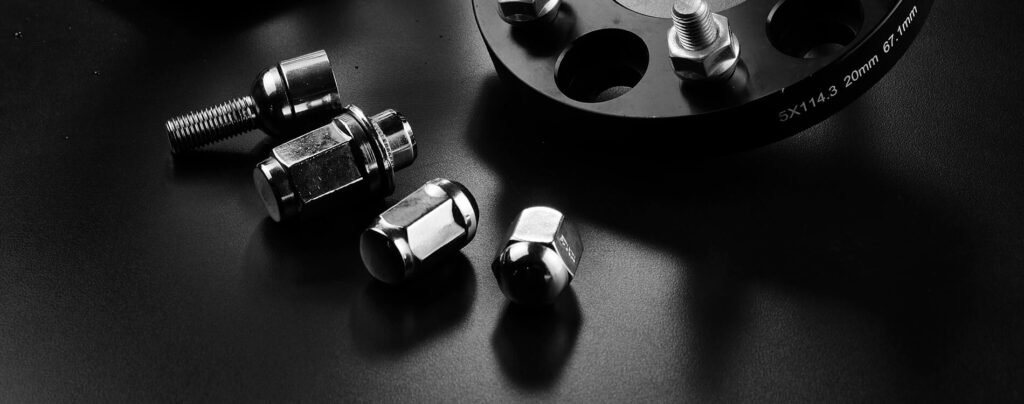
Stainless steel, titanium alloy, and well-coated wheel nuts are resistant to rust. These materials protect your wheels and help save on maintenance costs. Choosing the right wheel nuts can improve vehicle safety and reduce maintenance expenses. The table below shows the performance and lifespan of different materials:
| Material | Strength | Weight | Corrosion Resistance | Durability | Maintenance Cost Impact |
|---|---|---|---|---|---|
| Steel | High | Heavy | Moderate | High | High strength, low replacement frequency |
| Aluminum | Moderate | Light | Moderate | Moderate | Wears faster under pressure, therefore requiring more frequent replacement |
| Titanium | Very High | Light | Very High | Very High | High initial cost, but longer lifespan |
Certified products from trusted brands give extra peace of mind.
Key Takeaways
- Choose stainless steel or titanium alloy wheel nuts for stronger rust protection. These materials are effective at preventing rust and are durable.
- Clean and inspect wheel nuts regularly, especially when wet or on salty roads. This helps detect rust early and ensures wheel safety.
- Purchase certified brand-name wheel nuts. Trusted brands offer better quality and rust protection.
- Use galvanizing or powder coating to prevent rust. These coatings form a protective film that effectively repels water.
- If you find rust or damage to your wheel nuts, replace them immediately. Early replacement ensures your wheels are secure and stable.
Why Lug Nuts Rust
How Rust Develops
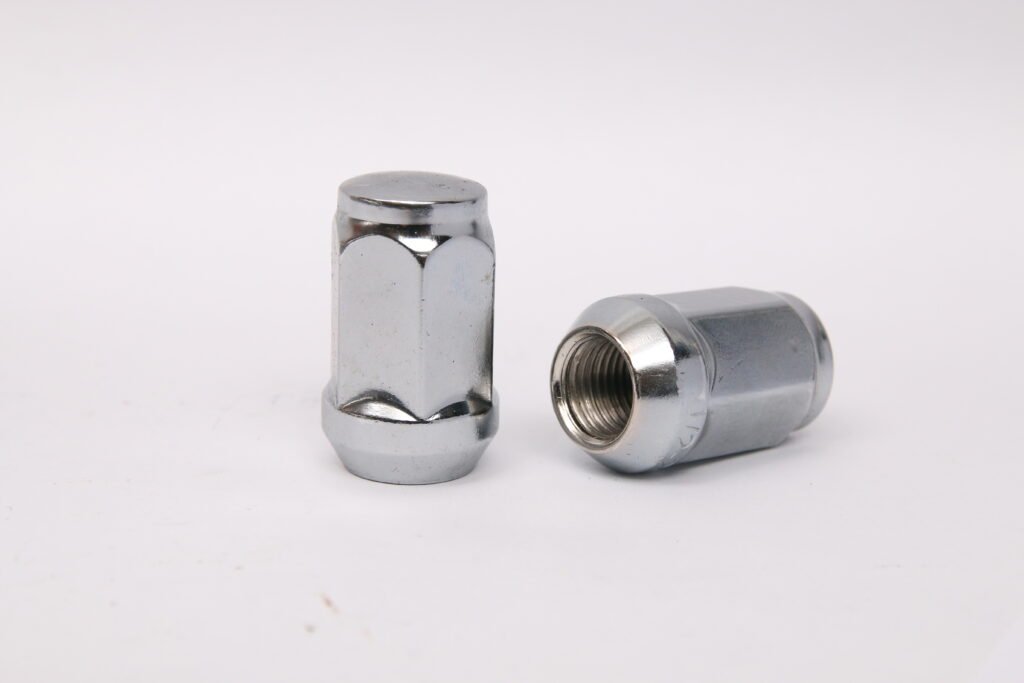
Rust occurs when iron in metal comes into contact with water and air. This is called oxidation. When wheel nuts get wet from rain or snow, they begin to break down. Air and water mix with the metal on the wheel nuts. Over time, a reddish-brown rust layer forms.
For many drivers, rust is more likely to occur in winter. Road salt melts ice and snow, but it also accelerates rust formation. Salt accelerates the reaction between metal, water, and air. Temperature changes are also important. When temperatures rise or fall, metal deforms and may crack. Tiny cracks allow water to seep in, exacerbating rust.
Tip: Clean and dry lug nuts to help stop rust.
Common Causes
Many factors accelerate the rusting of wheel nuts. The primary cause is moisture. Rain, snow, and humid air provide the moisture for rust formation. In snowy areas, road salt accelerates rusting. Salt adheres to the metal, keeping it moist. If you live near the coast, salt in the air can also cause rust.
The table below shows how different weather conditions affect wheel nut rusting:
| Environmental Condition | Impact on Lug Nut Rust |
|---|---|
| Humidity | Increases rust risk |
| Coastal Climates | Higher corrosion due to saltwater exposure |
| Use of Road Salt | Accelerates rust in snowy regions |
Drivers in these places should check their lug nuts often. Looking for rust early helps keep wheels safe.
Best Rust Proof Lug Nuts
Stainless Steel Lug Nuts
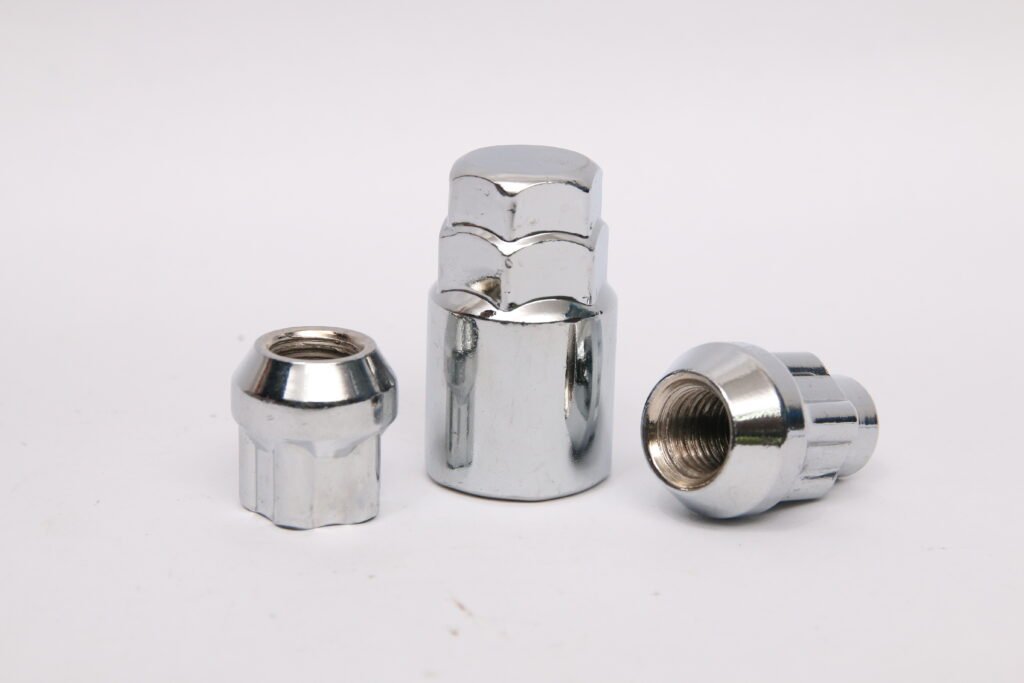
Stainless steel wheel lug nuts are advantageous because they are resistant to rust. This is thanks to their material. Stainless steel contains chromium and nickel. Chromium forms a thin protective layer, while nickel enhances the nut’s strength and lifespan. The table below explains why stainless steel is an ideal choice:
| Property | Description |
|---|---|
| Chromium Content | Has 16 to 24 percent chromium, which helps stop rust. |
| Nickel Content | Has up to 35 percent nickel, which makes it strong and helps stop rust. |
| Corrosion Resistance | Stops rust and corrosion from most acids, so it works in many places. |
| Limitations | Can still get damaged by chloride, especially near salty water, which can make small holes. |
Stainless steel wheel nuts perform better than chrome-plated nuts in harsh weather conditions. They will not rust even when exposed to moisture or salt. Many people choose stainless steel because it is safe, reliable, and durable.
Titanium Lug Nuts
Titanium alloy wheel nuts are among the best rust-resistant wheel nuts available. Titanium alloy forms a protective film on the surface of the nut, effectively repelling water and air. Therefore, even after years of use, titanium alloy wheel nuts are virtually rust-free. Here are some important points:
- Titanium alloy wheel nuts are resistant to rust even after prolonged use in harsh environments.
- Even near the sea or in humid air, the protective film of titanium alloy helps them maintain their appearance and good performance.
- Titanium alloy wheel nuts are stronger and more durable than stainless steel or alloy wheel nuts, and are less prone to deformation.
- While titanium alloy wheel nuts have a higher initial cost, their exceptionally long lifespan makes them well worth the price.
Titanium alloy wheel nuts are ideal for users seeking optimal rust resistance and long-term durability.
Alloy and Aluminum Lug Nuts
Alloy and aluminum alloy wheel nuts rust less quickly than steel wheel nuts. Aluminum doesn’t rust as easily as iron, but it can still be damaged. Some aluminum surface coatings may wear down more quickly in sunlight or salt spray conditions. The following points should be noted:
- Aluminum alloy wheels won’t rust, but they can still be damaged under certain conditions.
- Some coatings on aluminum surfaces wear off more quickly in direct sunlight or environments with high salt content.
- Different brands of wheel nuts use different materials and manufacturing processes, resulting in varying levels of rust resistance.
- Forged 7075T6 aluminum alloy wheel nuts come in a special color, but strong chemicals can cause fading or discoloration.
Alloy and aluminum alloy wheel nuts are lighter than steel nuts, helping to reduce fuel consumption. They are suitable for many car models, but their finish and quality should be carefully checked before purchasing.
Chrome Plated Lug Nuts
Chrome-plated wheel nuts have a bright appearance and initially help prevent rust. These nuts are made of carbon steel with a thin layer of chromium plating. The chromium layer helps prevent water and air from entering, but it can peel off. If the chromium layer is scratched or peeled off, the underlying steel will rust. Sometimes, the threads may not be fully chrome-plated, so rust can also start there. Stainless steel-coated wheel nuts are more durable and less prone to rust than chrome-plated nuts.
The table below shows the rust resistance of various materials:
| Material Type | Corrosion Resistance Description |
|---|---|
| Chrome Plating | Stops rust well and looks nice, but mostly for looks. |
| Stainless Steel 316 | Stops rust very well, good for tough places. |
| Stainless Steel 410 | Harder but does not stop rust as well as 316. |
Some brands, such as McGard and BONOSS, produce very high-quality rust-resistant wheel nuts. These brands test their nuts and have certifications such as SGS and TÜV. Choosing certified wheel nuts gives drivers peace of mind and ensures the longevity of your wheels.
Note: Always check the material and surface treatment of wheel nuts before purchasing. Choosing the right nuts can save you money and ensure your wheels are safe for a long time.
Protective Coatings for Lug Nuts
Choosing the right coating helps prevent rust and ensures wheel nuts maintain their performance for a long time. A good coating forms a barrier, effectively blocking moisture, road salt, and other harmful substances. This protective layer enhances the strength of the wheel nuts and makes them easier to install and remove. High-quality coated wheel nuts have a longer lifespan, better performance, and remain stable even in harsh weather conditions.
Zinc Coating
Zinc plating is a common method to prevent wheel nuts from rusting. The zinc layer acts like a protective shield, preventing water and oxygen from contacting the metal underneath. This barrier can keep wheel nuts rust-free for years, not months. Owners of galvanized wheel nuts will find they have a longer lifespan and are less prone to wear. The galvanized layer also makes removing wheel nuts easier.
Tip: Galvanized wheel nuts are suitable for most climates and strike a good balance between cost and protective performance.
Chrome Plating
Chromium plating gives wheel nuts a shiny appearance and helps prevent early rust. The chromium layer covers the steel surface, effectively blocking moisture. If the chromium plating remains smooth and undamaged, it protects the metal underneath. However, rust will begin to appear if the chrome plating peels or scratches. Chrome-plated wheel nuts look great and perform well as long as they are kept clean and dry.
| Coating Type | Rust Protection | Appearance | Durability |
|---|---|---|---|
| Zinc | High | Matte | Long |
| Chrome | Moderate | Shiny | Medium |
| Powder | High | Custom | Long |
Powder Coating
Powder coating uses a dry powder that adheres to the wheel nut and is then baked to cure. This forms a thick, tough coating that helps prevent rust and damage. Powder-coated wheel nuts are available in a variety of colors and finishes. This coating offers excellent resistance to road salt, water, and scratches. Many car owners choose powder coating for both aesthetics and strong rust protection.
Note: Always check any coating for peeling or cracks to ensure the wheel nuts are rust-free.
Maintenance for Rust-Free Lug Nuts
Cleaning and Inspection
Regular cleaning and inspection of wheel nuts helps maintain their good condition. Dust and water can cause rust. Drivers should check wheel nuts frequently, especially when driving on wet or salted roads. Clean them with a soft brush and mild soap. Be sure to dry them thoroughly, ensuring no moisture remains. Clean wheel nuts help prevent rust and ensure wheel safety.
| Usage Frequency | Inspection Frequency |
|---|---|
| Frequently used trailers | Monthly |
| Less frequently used | Every six months |
| Before long trips | Always |
Drivers need to remember that it’s important to check wheel nuts regularly. Keeping them clean helps keep them secure.
Using Anti-Seize
Some people apply anti-seize agents to wheel nuts to prevent rust. These products act like lubricants, helping to prevent rust. However, experts say that using anti-seize agents can alter the tightness of the wheel nuts, thus reducing wheel safety.
Anti-seize agent is an oily substance used on bolts and other metal parts to prevent rust and seizing. Applying a small amount of anti-seize agent to car wheel nuts helps prevent rust and protects the nuts. However, because anti-seize compound has a lubricating effect, the tightening force of the nuts should be about 30% lighter than usual. Using anti-seize compound may help slightly, but it can also cause problems.
Some people say anti-seize compound works for them, while others say wheel nuts should be kept dry. It’s best to follow the car manufacturer’s recommendations.
Proper Installation
Properly installed wheel nuts help prevent rust and keep them functioning properly. Mechanics should use the appropriate force when tightening wheel nuts. Over-tightening or using oil can cause rust and damage to the wheel nuts.
- Use the appropriate force only on dry threads.
- Keep wheel nuts clean and dry when installing them.
- Wheels need friction to stay in place, and engine oil can affect how tightly the nuts are tightened.
Taking these steps, such as using the appropriate force and not using engine oil, helps prevent rust. Tightening nuts too much or too little will reduce their strength, making them more prone to rust.
When to Replace Lug Nuts
Signs of Rust or Damage
To ensure wheel safety, drivers should regularly check wheel nuts. Several signs indicate when they need replacing. Rust weakens the metal, making wheel nuts unsafe. One might notice rust around the bolt holes. This could mean the metal has lost strength and can no longer securely hold the wheel. Another warning sign is that the bolt holes appear elongated or oval.
- Rust around the bolt holes indicates corrosion is weakening the wheel nuts.
- Elongated or oval bolt holes indicate the wheel has shifted and the metal is being damaged.
- Cracks, chips, or missing parts on the wheel nuts also mean they should be replaced.
- If the wheel nuts feel loose or cannot be tightened, they may be deformed.
Tip: Always check for these signs after driving on wet or salty roads.
Replacement Tips
When replacing wheel nuts, drivers should choose rust-resistant nuts that match the wheel. Cleaning the new wheel nuts and studs before installing them helps prevent rust. Many experts advise against using lubricants, as they can make wheel nuts difficult to tighten properly. In areas with high road salt content, using a small amount of anti-seize compound can prevent rust and make wheel nuts easier to remove later. Some people have used anti-seize compound for years and found it effective. However, excessive lubricant can cause wheel studs to stretch or even break over time.
- Always clean your wheel nuts and studs before installing new ones.
- Use anti-seize compound only if you live in areas with high road salt content.
- Avoid using excessive lubricant to prevent over-tightening.
- For optimal safety, choose high-quality, rust-resistant wheel nuts.
Note: Always follow the car maker’s advice when installing new lug nuts.
Stainless steel, titanium alloy, and well-coated wheel nuts offer the best rust protection. Regularly cleaning and properly installing wheel nuts helps extend their lifespan. Certified brands inspect their wheel nuts to ensure they do not rust. The table below lists how some brands ensure the quality of their wheel nuts:
| Brand | Material | Coating | Salt Spray Resistance | Additional Features |
|---|---|---|---|---|
| RHI | Not specified | Neoshield | 300+ hours | AntiWear technology, 18-point contact |
| BONOSS | 50BV30 Steel | Special surface treatment | 500+ hours | Scratch resistance, wear resistance |
Picking good lug nuts and taking care of them keeps wheels safe and stops rust.
FAQ
Which wheel nuts are the most rust-resistant?
Stainless steel and titanium alloy offer the best rust resistance. High-quality coatings, such as galvanizing or powder coating, also contribute to rust prevention. These materials ensure wheel nuts remain secure and firm in wet or salty environments.
How often should drivers check wheel nuts for rust?
Drivers should check wheel nuts monthly, especially after driving in rain or snow. Regular checks help detect rust early and ensure wheel safety.
Can drivers use anti-seize agents on wheel nuts?
Some experts believe anti-seize agents can help prevent rust. However, they can affect the tightness of the wheel nuts. Always follow your car manufacturer’s recommendations before using anti-seize agents.
Are all chrome-plated wheel nuts rust-resistant?
Not all chrome-plated wheel nuts are rust-resistant. Rust can begin if the chrome plating peels or scratches. Stainless steel cap wheel nuts offer better protection.
 Request a quote