 17Mar
17Mar 

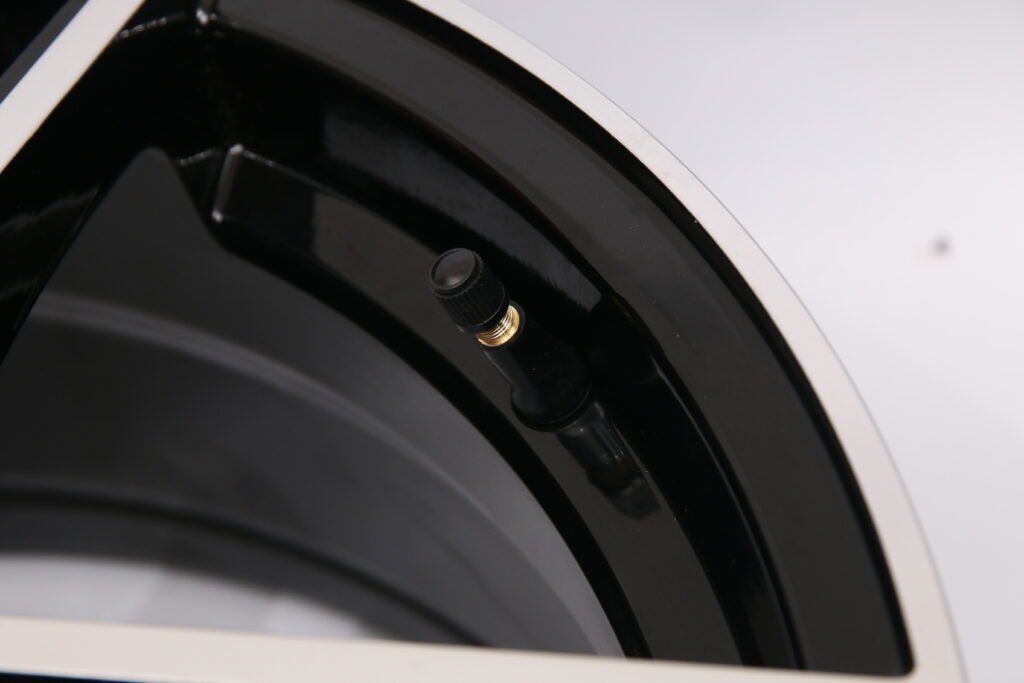
The tire valve core is located inside the tire valve stem, which is part of the overall tire valve system. This small metal cylinder features a spring-loaded pin at its center. When inflating, it allows air to enter the tire; when not in use, it maintains a sealed state. The valve core prevents air leakage, thereby ensuring that the tire maintains proper inflation pressure. Proper tire pressure helps safeguard vehicle safety and ensures a smooth ride.
Key Takeaways
- The tire valve core is of critical importance. It serves to seal air within the tire, allowing air to enter during inflation while preventing leakage when not in use.
- You should regularly inspect the valve cores for any signs of dirt or damage. Clean, intact valve cores help maintain proper tire pressure—a factor directly linked to your driving safety.
- If a valve core is damaged, it’s recommended to replace it along with checking the condition of the entire tire valve. After installing a new core, be sure to check for any air leaks; this helps ensure optimal tire performance.
- Please select the appropriate valve core material based on your vehicle type. Metal valve cores are best suited for heavy-duty vehicles, whereas rubber valve cores are suitable for standard passenger cars.
- Maintaining proper tire pressure helps enhance vehicle handling, conserves fuel, and extends the lifespan of your tires. Regularly checking your tire pressure can also help you save on maintenance costs.
Tire Valve Core Appearance
Where to Find the Valve Core
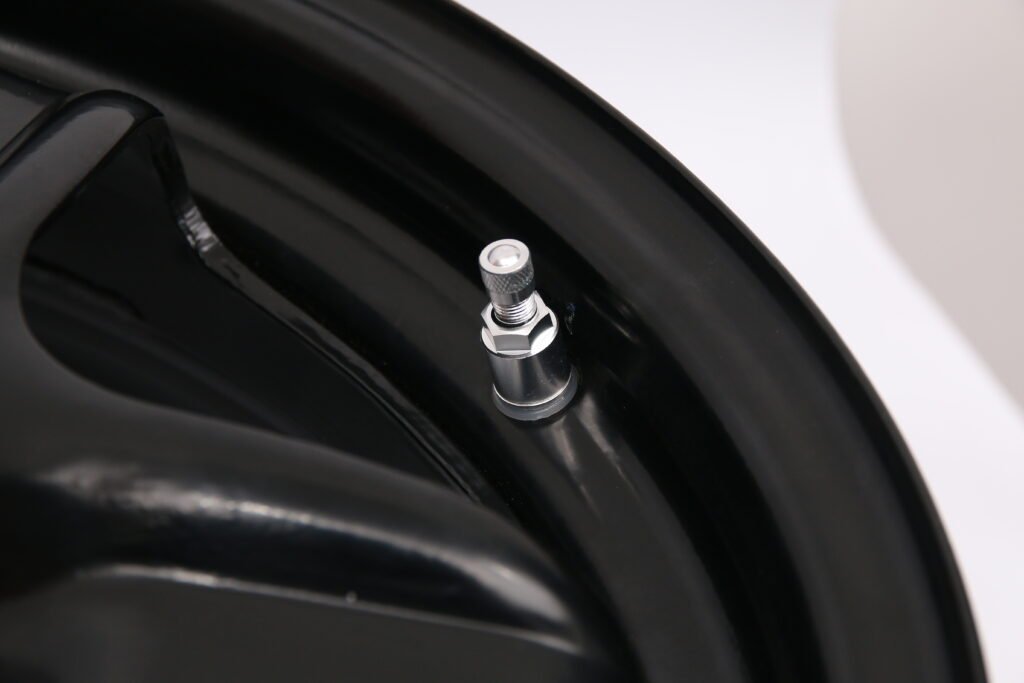
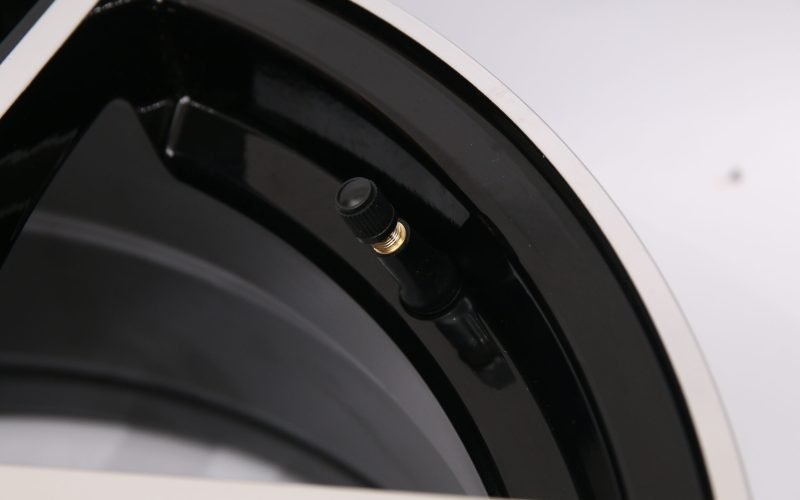
The tire valve core is located inside the valve stem. The valve stem protrudes from the wheel—where it is visible on the rim—and appears as a slender, tubular structure. It is typically fitted with a cap designed to prevent the ingress of dust and moisture. To access the valve core, simply remove the cap. The valve core is situated deep within the valve stem, positioned precisely at its center. Service technicians utilize a specialized tool to extract the valve core.
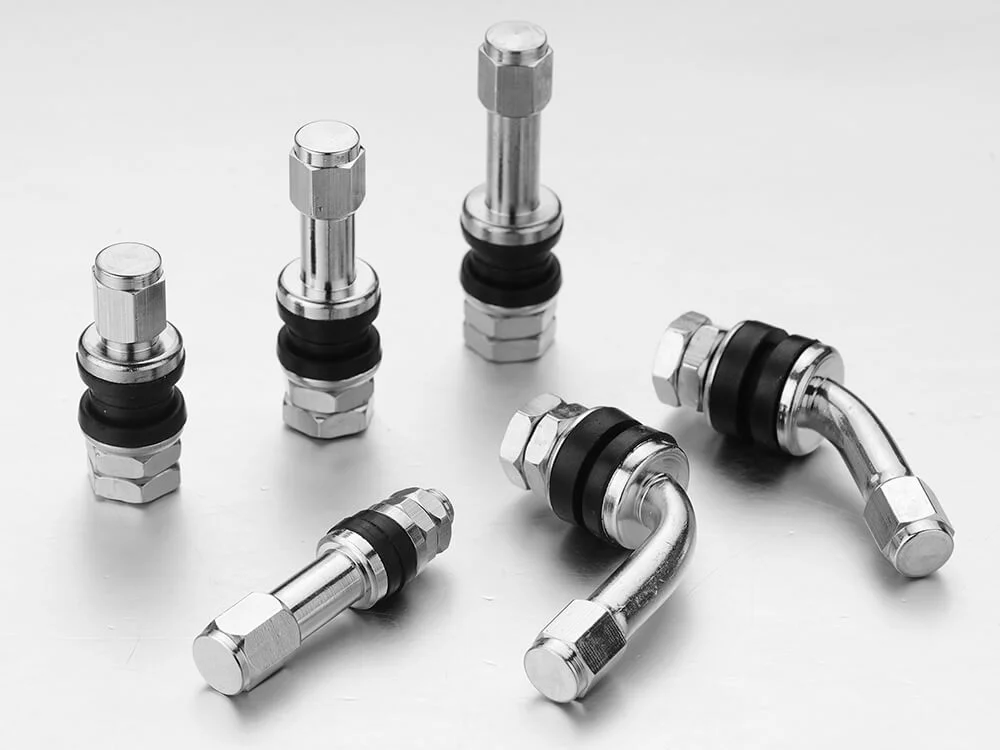
Valve stems vary across different types of vehicles. Passenger cars typically employ rubber valve stems, whereas commercial trucks utilize metal valve stems. The table below outlines the distinctions between the two:
| Vehicle Type | Valve Stem Material | Pressure Rating |
|---|---|---|
| Passenger Vehicles | Rubber | Up to 65 psi |
| Commercial Trucks | Metal | Up to 200 psi |
Some commercial trucks feature valve stems that are thicker. Some valve stems have different angles. These designs help workers operate the valves more easily.
What the Valve Core Looks Like
A tire valve core is a tiny cylindrical metal component. It features a central pin that moves up and down when depressed. Most valve cores are made of brass or aluminum. Some valve cores undergo nickel plating to enhance their durability. The exterior of the valve core is threaded, allowing it to be screwed into the valve stem.
Automotive repair manuals typically list the following common characteristics:
- Valve cores are available in both short and long varieties.
- Short valve cores are best suited for high-performance tires.
- Most valve cores are removable, though some are fixed in place.
- The primary materials used include brass, aluminum, and occasionally rubber.
Valve core designs vary widely, such as the Schrader and Presta types. Schrader valve cores are the most common type found in passenger cars and trucks. The table below outlines some of their physical characteristics:
| Characteristic Type | Description |
|---|---|
| Valve Core Type | Removable and fixed |
| Material Quality | Brass, aluminum, rubber |
| Design Types | Schrader, Presta, European |
Although the tire valve core appears small, it is extremely important. It helps keep air inside the tire.
Valve Core Function
How It Controls Air Flow
The valve core acts as the “gatekeeper” regulating the flow of gas into and out of a tire. When the pin located in the center of the valve core is depressed, a small passageway opens up. Depending on the pressure differential, air then flows through this channel—either entering or exiting the tire. Once the pin is released, a spring pushes it back into its original position, thereby closing the passageway and sealing the tire.
Several scientific principles help explain how the valve core regulates airflow:
- The Ideal Gas Law (PV = nRT) reveals the interplay between pressure, volume, and temperature within a tire. This law helps explain why the valve core must precisely control airflow.
- Air molecules inside the tire move rapidly and collide with one another. Their velocity varies with changes in temperature, which in turn affects the internal pressure of the tire.
- When the temperature drops, the movement of air molecules slows down. This results in a decrease in pressure; consequently, the valve core must maintain a tight seal to prevent any further loss of air from the tire.
The O-ring located inside the valve core plays a critical role. It fits snugly against the valve stem, creating a tight seal. This barrier prevents air leakage, even when the tire is subjected to varying pressure levels. The effectiveness of the O-ring is paramount to safe driving.
Tip: Before inflating your tires, always inspect the valve cores for any dirt or damage. A clean and intact valve core ensures smooth airflow and a reliable seal.
Keeping Tire Pressure Stable
The function of a tire valve core extends beyond merely inflating or deflating the tire. It also helps the tire maintain stable air pressure over extended periods. By regulating airflow and preventing leakage, the valve core protects the tire against gradual air loss.
The following points outline the principles by which the valve core maintains stable air pressure:
- It regulates airflow during the inflation and deflation processes.
- When the valve cap is tightened, it prevents air leakage.
- It helps ensure the tire operates at the correct air pressure, thereby improving handling, fuel economy, and tire longevity.
Valve cores in passenger vehicle tires are capable of withstanding a wide range of air pressures. The table below lists several common examples:
| Tire Pressure Range | Example Tires | Max PSI |
|---|---|---|
| 30 – 50 PSI | Nexen 5000 Plus | 44 – 51 PSI |
| Up to 80 PSI | Toyo Open Country A/T III | 80 PSI |
A properly functioning tire valve core ensures that the tire maintains the correct air pressure. This stability contributes to vehicle traction, saves fuel, and extends the lifespan of the tires. Drivers should regularly inspect their tire valve cores to ensure they are functioning correctly.
Tire Valve Types and Materials
Metal vs. Rubber Tire Valves
Tire valve stems are manufactured from either metal or rubber. To explore different types and specifications, you can check a full range of tire valves. Metal valve stems are constructed from brass or aluminum, while rubber valve stems utilize high-strength rubber compounds. Fortune offers both of these types of tire valve stems. Fortune’s metal valve stems feature a bright chrome-plated finish, measure 0.453 inches in diameter, and can withstand pressures of up to 200 PSI. Fortune’s rubber valve stems are made from EPDM rubber and feature an internal heat-resistant brass core. Each valve stem undergoes rigorous testing to verify its strength and airtightness.
Testing has revealed distinct differences between metal and rubber tire valve stems.
Fortune tire valves comply with rigorous safety standards, including ISO/TS16949, ISO 9001, TÜV, and DOT. These certifications attest to the valves’ safety, reliability, and superior quality.
Tip: Metal tire valves are best suited for trucks and heavy-duty vehicles, while rubber tire valves are ideal for standard passenger cars and light vehicles.
Brass and Aluminum Valve Cores
Valve cores are manufactured from either brass or aluminum. Brass contains no iron and, therefore, does not rust; however, its surface may tarnish upon exposure to air, sulfur, or water. Brass performs exceptionally well in sulfur-rich environments. Aluminum forms a protective surface layer that effectively prevents corrosion.
Valve cores are specifically designed to function in conjunction with Tire Pressure Monitoring Systems (TPMS). Nickel-plated brass valve cores are compatible with all aluminum TPMS valve stems, thereby ensuring proper system operation and the delivery of accurate pressure readings.
Fortune manufactures its valve cores using high-temperature-resistant brass. This not only extends the service life of the components but also effectively prevents corrosion. Consequently, drivers benefit from prolonged tire longevity and a reduced risk of air leaks.
Note: Selecting the appropriate valve core material is essential for both ensuring tire safety and facilitating the proper functioning of the TPMS. Fortune’s design ensures that its valve cores are compatible with—and perform effectively across—all vehicle models.
Valve Core Maintenance
Checking for Leaks
Regularly inspecting valve cores helps ensure tire safety. Automotive experts recommend checking tire pressure once a month. Inspections should also be performed before embarking on long-distance trips or when carrying heavy loads. These checks help detect air leaks early on.
You can use soapy water to detect leaks. Mix water with a small amount of dish soap, then apply the mixture to the valve stem and valve core. If you observe bubbles, it indicates an air leak. This suggests that the valve core may need to be tightened or replaced.
Tip: If a valve cap is missing, install a new one immediately. Valve caps prevent dust and moisture from entering the valve core, as these contaminants can lead to air leaks.
Properly tightening the valve core is crucial. The optimal torque should fall between 1.5 and 5.0 inch-pounds. Tighten the valve core until the air leak stops, then give it an additional half-turn or so. If overtightened, the washer may rupture; if not tightened enough, air will leak out.
Regular inspections offer numerous benefits:
- Maintaining proper tire pressure, thereby improving fuel economy and extending driving range.
- Preventing moisture intrusion, which protects the Tire Pressure Monitoring System (TPMS).
- Reducing the risk of sudden air loss, thereby enhancing driving safety.
Removing and Replacing the Core
Occasionally, it may be necessary to remove or replace a valve core. Please use a specialized valve core tool for this operation. Rotate the tool to the left to remove the old valve core. Once the new valve core is inserted, rotate it to the right to tighten it securely. After installing the new valve core, be sure to check for any air leaks.
Fortune recommends replacing valve cores that are heavily soiled or damaged. Keeping spare valve cores on hand can help resolve issues quickly. Regularly cleaning the valve cores helps maintain their optimal performance.
Fortune is renowned for its rigorous quality control. The table below outlines the inspection procedures Fortune performs on every valve:
| Quality Assurance Process | Description |
|---|---|
| Raw Material Testing | All raw materials are tested before use. |
| Random Inspection | Random inspections will be conducted during the production process. |
| Rubber Hardness Test | Test the hardness of the valve core rubber. |
| Leakage Test | Ensure the valve does not leak. |
| Ozone Resistance Test | Test the ozone resistance of the material. |
| Force Pull out/in Test | Evaluate valve connection strength. |
| Adhesion & High Temperature Test | Evaluate bonding performance and properties at high temperatures. |
| 100% Leakage Test | Conducted prior to shipment to ensure that all valves meet the requirements. |
These steps help Ford ensure that its tire valve cores function properly. Regular inspections and the use of high-quality components safeguard vehicle safety and maintain optimal operating condition.
Tire valve cores are critical to both vehicle safety and performance. Experts emphasize the following key points: valve cores maintain tire pressure at appropriate levels, thereby ensuring a safe and smooth driving experience. Frequent inspection and maintenance of valve cores not only prevent air leaks but also help save on repair costs. High-quality valve cores—such as those from Fortune—enhance vehicle reliability and ensure customer satisfaction. Drivers should inspect their valve cores on a regular basis. Choosing a reputable brand not only extends the lifespan of the tires but also provides drivers with a greater sense of security.
FAQ
What does a tire valve core do?
The function of a tire valve core is to retain the air inside the tire. It allows air to enter during inflation while preventing it from leaking out. This small component helps maintain stable tire pressure.
How often should someone check the valve core?
Experts recommend checking valve cores once a month. Drivers should also inspect them before undertaking long-distance trips or carrying heavy loads. Regular inspections help prevent air leaks and ensure tire safety.
Can a driver replace a valve core at home?
Yes, a driver can use a valve core tool to replace a valve core. The process is simple: remove the old valve core, insert the new one, and then tighten it. After replacement, be sure to check for any air leaks.
Why choose Fortune Tire Valves?
Fortune tire valves are of exceptional quality and built to last. They have undergone rigorous testing and hold certifications such as ISO/TS16949 and DOT. Drivers trust Fortune for its reliable tire performance and safety assurance.
What are signs of a faulty valve core?
| Sign | What It Means |
|---|---|
| Air loss | The core components may leak air. |
| Bubbles in soapy water | Air escapes from the core. |
| Tire pressure drops | The core may not be properly sealed. |
 Request a quote