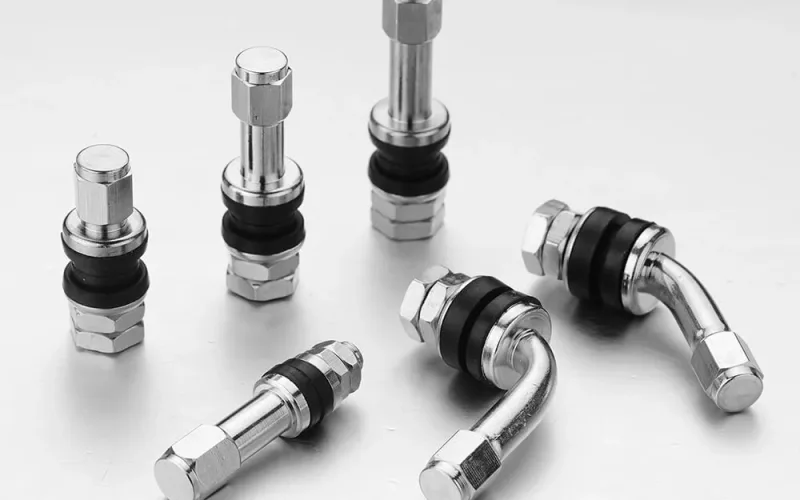
 20Mar
20Mar 

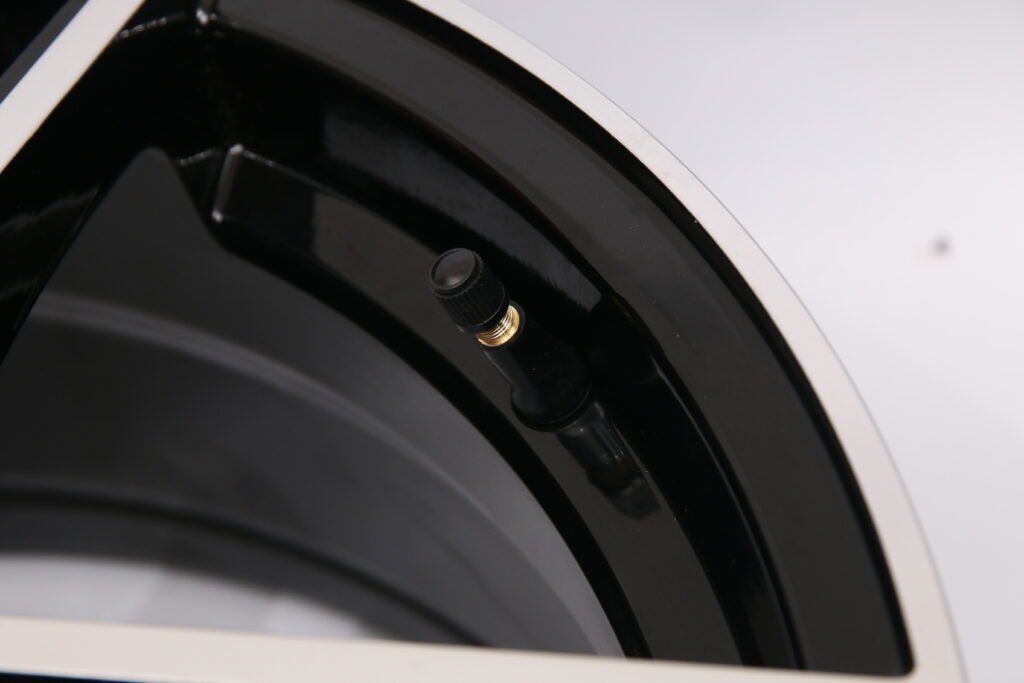
Rubber and metal tire valve stems are manufactured using different materials. Rubber valve stems are flexible and durable, and are widely used in most passenger vehicles. They are inexpensive and easy to install. Metal valve stems are made from aluminum or brass; they offer a longer service life and greater reliability. These are commonly found in luxury or high-performance vehicles. The choice of material impacts safety, longevity, and overall performance. Manufacturers are committed to producing valve stems that offer superior performance while being environmentally friendly. When selecting tire valve stems, drivers should carefully consider their vehicle type, driving habits, and the presence of a Tire Pressure Monitoring System (TPMS).
Key Takeaways
- Rubber tire valve stems are flexible, cost-effective, and ideal for most passenger cars and light-duty vehicles, but they require regular inspection due to aging and cracking risks.
- Metal tire valve stems provide superior durability, high-pressure resistance (up to 200 PSI), and longer service life, making them suitable for trucks, performance vehicles, and demanding environments.
- Tire Pressure Monitoring System (TPMS) compatibility is essential—metal valves are typically better suited for direct TPMS, while rubber valves may require adapters.
- Choosing the right valve stem depends on vehicle type, driving conditions, and pressure requirements; incorrect selection may lead to air leaks or safety risks.
- Regular inspection and timely replacement of valve stems help prevent tire pressure loss, improve driving safety, and extend tire lifespan.
Tire Valve Types and Their Importance
What Are Tire Valves
Tire valves are crucial for maintaining tire pressure. They are responsible for regulating the flow of air in and out of the tire and help to create a proper seal. Every vehicle requires tire valves to ensure safe operation and maintain optimal performance. Manufacturers produce a wide variety of tire valves to suit different vehicle models and driving styles.
| Valve Type | Pressure Range | Material | TPMS Compatible | Recommended Use |
|---|---|---|---|---|
| Passenger Tire Valves | 32–35 PSI | Rubber with brass core | Yes | Cars, SUVs, crossovers |
| Light Truck Tire Valves | Up to 80 PSI | Metal clamp-in | N/A | Pickup trucks, vans, light commercial |
| High-Performance Tire Valves | High pressures | Lightweight alloys | Yes | Sports cars, performance vehicles |
| Off-Road & 4×4 Tire Valves | Varies | Brass or steel | N/A | Off-road vehicles, ATVs, overlanding rigs |
This table lists the main tire valves used in cars and trucks. Each one is made for a special job, based on the car and what it needs.
Why Material Matters
The material of a tire valve core determines its service life, safety, and compatibility with modern systems. Most tire valve cores are made of either rubber or metal. Rubber valve cores offer excellent flexibility, helping to absorb road shocks. Metal valve cores, conversely, are robust and durable, capable of withstanding high pressures.
Driven by new regulations, technological advancements, and the emergence of new materials, the global market for rubber and metal tire valves is undergoing significant transformation. As a growing number of consumers seek to utilize smart valve systems and prioritize environmental protection, manufacturers are focusing their efforts on producing higher-quality valves and enhancing quality control measures.
Across Europe, the Middle East, and Africa, stringent safety and environmental regulations have spurred the widespread adoption of smart valve systems. In the Asia-Pacific region, rapid urbanization and expanding road infrastructure have led to an increasing demand for tire valves for a growing fleet of cars and trucks.
New safety and environmental regulations have compelled manufacturers to intensify quality testing and optimize the management of valve service life. Furthermore, these regulations mandate that all new vehicles be equipped with Tire Pressure Monitoring Systems (TPMS).
Many drivers encounter issues with tire valves—particularly those made of rubber. Common problems include:
- Rubber valves may crack, potentially leading to a tire blowout.
- Rubber valves from certain budget brands often suffer from substandard quality.
- Consumers are increasingly seeking higher-quality valve cores as a solution to these issues.
- Inferior rubber valve cores can cause newly purchased tires to begin leaking air prematurely.
Manufacturers are addressing these challenges by adopting superior materials and implementing more rigorous quality control protocols. Selecting the appropriate material for tire valve cores is essential for ensuring optimal tire performance and safeguarding driver safety.
Rubber Tire Valves
Construction and Features
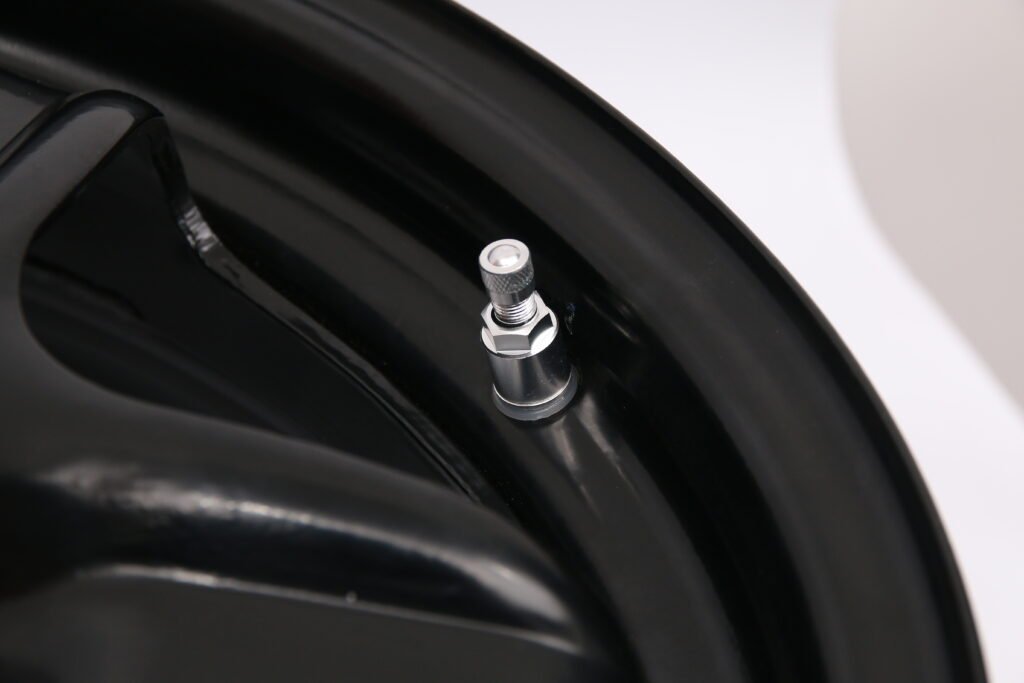
The rubber tire valve stems are manufactured using Ethylene Propylene Diene Monomer (EPDM) rubber. This material is highly flexible, resistant to aging, and possesses excellent ozone resistance. To enhance structural integrity, Fortune incorporates a brass core within the valve stem. The rubber component serves to absorb impact forces and prevent air leakage. Engineers rigorously inspect every valve stem to ensure both exceptional performance and a long service life. Utilizing specialized equipment and precision molds, Fortune guarantees that each valve stem achieves a perfect fit with the wheel rim.
Fortune rubber tire valves undergo a series of rigorous tests designed to verify their ozone resistance and overall durability. These valves comply with a range of international standards, including ISO/TS16949, ISO 9001, TUV, and DOT. Adherence to these standards ensures the safety of the valves and guarantees consistency throughout the manufacturing process.
| Standard | Impact on Tire Valves |
|---|---|
| ISO 9001 | Ensure production consistency and meet customer needs. |
| ISO/TS 16949 | A Specialized Quality System for Automotive Production and Aftermarket Parts. |
| TUV | Verify the safety and reliability of the product. |
| DOT Certification | Ensure that wheels sold in the United States comply with FMVSS standards. |
The rubber tire valve stems snap directly into place. No special tools are required for installation. They are rated for a pressure of up to 65 PSI, which is sufficient to meet the needs of most passenger cars and light trucks.
Pros and Cons
Experts believe that rubber tire valve stems have both advantages and disadvantages. These valves are inexpensive and easy to install. They do not rust and function properly even in cold weather. However, the rubber material tends to crack and deteriorate after a period of use. The service life of most rubber tire valve stems is typically three to four years.
Tip: Please inspect your tire valve stems regularly to prevent air leaks and blowouts. Replace old or worn-out valve stems promptly to ensure driving safety.
The maximum pressure rating for rubber tire valve cores is 65 PSI. For most automobiles, this is sufficient, as they typically require a tire pressure of only 30–35 PSI. However, large trucks require higher tire pressures; therefore, rubber valve cores are not suitable for them.
Best Applications
Rubber tire valve stems are best suited for passenger cars and light trucks. They are also suitable for small trailers and off-road vehicles. Drivers living in cold climates prefer rubber valve stems due to their flexibility, which allows them to absorb bumps and impacts. These valve stems do not rust, making them ideal for environments where roads are exposed to salt or standing water.
Fortune rubber tire valve stems are perfect for everyday driving. Easy to install and of superior quality, they represent a smart choice for most drivers. Fortune continuously improves its tire valve stems to comply with new regulations and meet the evolving needs of drivers.
Metal Tire Valves
Construction and Features
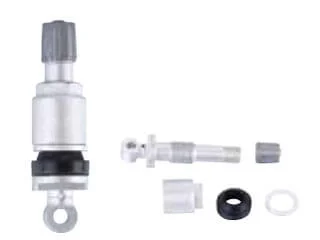
Metal tire valve cores are crafted from robust metals, primarily aluminum and brass. The valve cores manufactured by Fortune are specifically engineered to withstand demanding operating conditions. Aluminum valve cores are lightweight and resistant to rust, whereas brass valve cores are heavier but offer a longer service life. Both types demonstrate exceptional performance in harsh environments. Many metal valve cores feature a chrome-plated finish; this treatment not only keeps them looking bright and new but also protects them against damage caused by rust and salt exposure.
Chrome-plated metal tire valves are resistant to damage from seawater and acidic substances. They offer a longer service life, even under harsh weather conditions. Fortune performs leak testing on every single valve; each unit must successfully pass a leak test before leaving the factory. These metal tire valves are capable of withstanding pressures of up to 200 PSI, making them ideally suited for trucks and passenger vehicles that require high-pressure inflation.
Pros and Cons
Metal tire valve stems offer numerous advantages. They are more durable than their rubber counterparts and are more effective at maintaining tire pressure, thereby contributing to fuel efficiency. Furthermore, they perform reliably even under conditions of high temperature and high pressure, eliminating the need for frequent replacement by drivers. Metal valve stems also help prevent sudden tire deflation, thereby enhancing driving safety.
Metal tire valve stems serve to improve vehicle safety and deliver superior performance in harsh environments.
Some metal valve stems require periodic inspection to guard against air leaks. Aluminum valve stems, if not properly maintained, may be susceptible to corrosion; however, a chrome plating can provide a protective barrier. Proper maintenance of metal tire valve stems helps to extend their service life.
Ideal Uses
Metal tire valve stems are suitable for a wide variety of vehicles. They are particularly well-suited for trucks, buses, and commercial work vehicles. These valve stems are compatible with Tire Pressure Monitoring Systems (TPMS), helping drivers effectively monitor their tire pressure. Metal valve stems are ideal for vehicles that travel at high speeds or carry heavy loads. Racing cars—as well as any vehicle capable of speeds exceeding 130 miles per hour—require the use of metal clamp-in valve stems. These valve stems are capable of withstanding pressures of up to 200 PSI.
Fortune metal tire valve stems offer drivers complete peace of mind. They are robust, durable, and feature innovative designs. Drivers seeking sturdy and secure tire valve stems should choose the metal option.
TPMS and Valve Stems
Rubber Valve Compatibility
Many vehicles still utilize rubber valve stems. However, if your vehicle is equipped with a Tire Pressure Monitoring System (TPMS), you must verify whether the valve stems are compatible. Most rubber valve stems are suitable for indirect TPMS. Indirect systems function by monitoring tire rotation speed, whereas direct systems employ sensors mounted inside the wheel hubs. These sensors typically require specialized valve stems or adapters; standard rubber valve stems, if not replaced, may not be compatible with such sensors.
| Valve Type | Application | PSI Range | Lifespan | Compatibility |
|---|---|---|---|---|
| Rubber Valve Stem | Passenger cars, light vehicles | 30–45 PSI | 3–5 years | Limited (requires adapter) |
For vehicles equipped with a Tire Pressure Monitoring System (TPMS), owners should opt for original equipment manufacturer (OEM) or high-quality aftermarket rubber valve stems. Inexpensive rubber valve stems may crack or leak, which can not only trigger false alarms from the TPMS but could even lead to a tire blowout. Many experts recommend replacing the rubber valve stems whenever new tires are installed or a tire rotation is performed.
Tip: Selecting the appropriate rubber valve stem ensures the proper functioning of the Tire Pressure Monitoring System (TPMS) and prevents air leaks.
Metal Valve Compatibility
Metal valve stems are suitable for use with both Direct Tire Pressure Monitoring Systems (TPMS) and Indirect TPMS. These valve stems are compatible with most sensors and provide a tight seal. Thanks to their precise thread specifications and inner diameters, metal valve stems achieve a perfect fit with tire pressure monitoring sensors. This precise fit not only ensures that the sensor remains securely in place but also prevents air leakage.
| Compatibility Aspect | Details |
|---|---|
| Sensor Type | Suitable for direct or indirect Tire Pressure Monitoring System (TPMS) sensors. |
| Valve Stem Bore Size | Must match the specifications of the wheel hub and sensor. |
| Wheel Design | Suitable for aluminum, steel, or aftermarket wheels. |
| Thread Size | Common specifications include M12 x 1.5 or M10 x 1.0. |
| Valve Core Type | Standard or extended type, depending on sensor requirements. |
| Potential Issues | Valve mismatch may lead to leaks or sensor misalignment. |
Metal valve cores are suitable for vehicles requiring high tire pressure or those necessitating frequent sensor inspections. When installed correctly, they facilitate the proper functioning of the Tire Pressure Monitoring System (TPMS) and help mitigate the risk of damage. Drivers should verify the size and type prior to installation to avoid potential issues.
Choosing the Right Tire Valve
Key Factors
Selecting the appropriate tire valve requires considering several factors. First, you need to identify the type of vehicle you drive. Additionally, you should take into account your driving habits as well as the road conditions you typically encounter. Please verify whether your vehicle is equipped with a Tire Pressure Monitoring System (TPMS). All of these factors impact vehicle safety, while also influencing tire performance and the level of maintenance required.
The required tire inflation pressure and prevailing weather conditions are also critical factors. Rubber valve stems are suitable for normal weather conditions and everyday driving. However, rubber is susceptible to aging and becoming brittle when exposed to sunlight, high temperatures, and ozone. Brass-core and all-metal valve stems perform exceptionally well in harsh environments, making them ideal for heavy machinery and mining trucks. These types of valve stems are rust-proof and capable of withstanding high temperatures as well as severe impacts. Nylon-reinforced rubber valve stems offer a combination of both strength and flexibility. Stainless steel valve stems feature excellent corrosion resistance, making them particularly well-suited for marine vessels and agricultural machinery.
Tip: Before selecting a valve stem, always verify its pressure rating and material strength. Choosing the appropriate valve stem not only ensures safety but also helps reduce the frequency of maintenance.
Fortune offers customized valve services designed to meet your specific requirements. You can customize valve stems to feature your company logo or specific colors, or opt for valves made from specialized materials. Our team of engineers will ensure that the valves are fully compatible with Tire Pressure Monitoring Systems (TPMS), racing applications, or large commercial fleets. We offer a wide variety of easy-to-install valve stems, allowing you to give your vehicle a truly unique look.
The choice between rubber and metal tire valve stems depends on your vehicle, required tire pressure, and driving environment. The table below outlines the key differences:
| Vehicle Type | Rubber Valve Pressure Rating | Metal Valve Pressure Rating | Temperature Range (Rubber) | Temperature Range (Metal) |
|---|---|---|---|---|
| Passenger Vehicles | Up to 65 psi | N/A | -40°F to 180°F | N/A |
| Heavy-Duty Trucks | N/A | Up to 200 psi | N/A | -65°F to 250°F |
| Motorcycles | Up to 65 psi | N/A | -40°F to 180°F | N/A |
| Tractors and Off-Road Vehicles | N/A | Up to 100 psi or more | N/A | N/A |
Drivers should inspect valve cores for cracks or other issues. If a valve core is aged or damaged, it should be replaced immediately. Regularly checking tire pressure helps ensure driving safety. Fortune manufactures robust and durable valve cores suitable for all types of vehicles. Seeking professional assistance and properly maintaining your valve cores will help ensure your safety on the road.
FAQ
What is the main difference between rubber and metal tire valves?
Rubber tire valve stems are made from EPDM (ethylene propylene diene monomer) rubber. This type of rubber offers excellent flexibility and does not rust. Metal tire valve stems, on the other hand, are made of aluminum or brass. These metal materials are more robust and capable of withstanding higher air pressures. Each type is suitable for different vehicle models and driving styles.
Can drivers use metal tire valves on any vehicle?
Most metal tire valve stems are suitable for trucks and sports cars. They are also compatible with vehicles equipped with Tire Pressure Monitoring Systems (TPMS). However, some standard passenger cars may be unable to accommodate metal valve stems due to the specific shape of their wheels. Before replacing your valve stems, please be sure to consult your vehicle’s owner’s manual or seek advice from an expert.
How often should tire valves be replaced?
Experts recommend replacing rubber tire valves whenever new tires are installed. Additionally, they should be replaced every 3 to 4 years. Metal tire valves have a longer lifespan—approximately 5 to 8 years—but should be checked frequently for signs of damage or rust.
Are Fortune tire valves compatible with TPMS systems?
Fortune manufactures rubber and metal tire valves suitable for Tire Pressure Monitoring Systems (TPMS). Metal valves are best suited for direct connection to TPMS sensors. Rubber valves may require an adapter in certain systems. Before use, please ensure that the valve is compatible with your vehicle’s TPMS.
 Request a quote