What is the difference between rubber and metal tire valves?
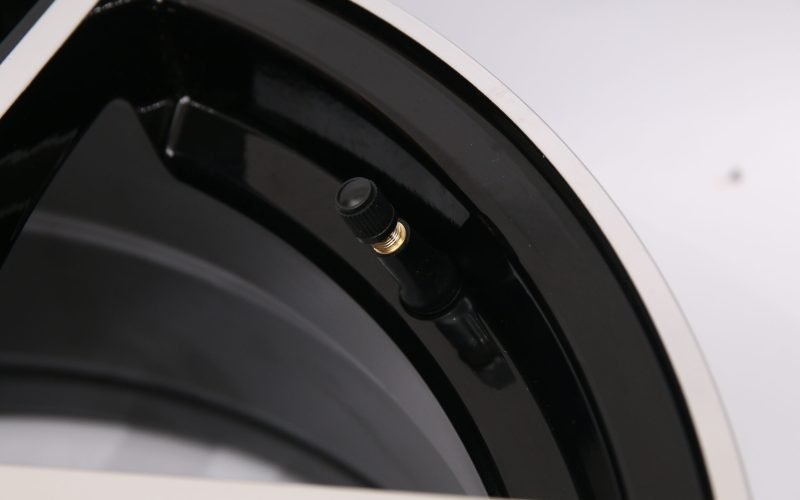 20Mar
20Mar 


The difference between P-type and T-type wheel weight affects vehicle safety and balance. P-type counterweights are suitable for passenger cars with steel wheels, while T-type counterweights are suitable for pickup trucks. Using the wrong counterweights can lead to decreased handling or even tire blowouts. Owners trust the Fortune brand because it provides reliable counterweights and tire valves.
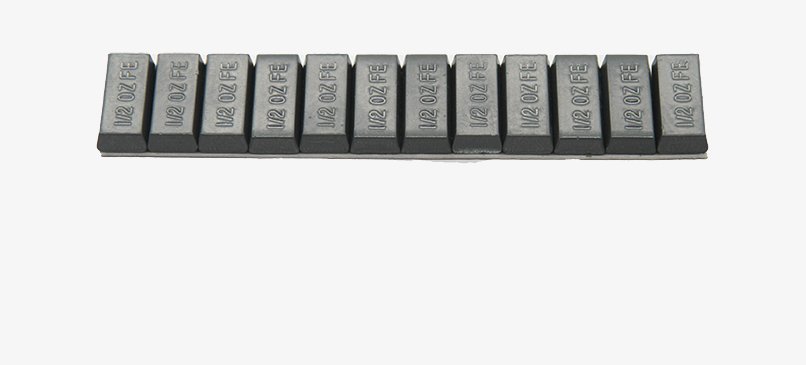
P-type counterweights are designed for passenger cars with steel wheels to help maintain tire balance. Balanced tires make driving smoother and more comfortable. Most passenger cars and hatchbacks use steel rims suitable for P-type counterweights. P-series black uncoated leaded rim counterweights are suitable for a variety of vehicle models. Many car owners choose clip-on counterweights because of their ease of use. For special needs, adhesive counterweights are also an option.
Fortune manufactures rim counterweights and tire valves, and all products undergo rigorous quality inspection. Their team inspects every product during production and packaging. Customers trust Fortune because their products are safe and reliable.
T-type counterweights are suitable for pickup trucks and other heavy-duty vehicles. These counterweights are strong enough to withstand the additional weight of the truck. Truck steel rims are larger, thus requiring different counterweights. T-type counterweights are suitable for these large rims, maintaining tire balance even under harsh conditions.
Fortune’s T-type counterweights meet industry standards, ensuring precision and rust resistance. They are made of solid steel, are environmentally friendly, and recyclable. Fortune’s unwavering commitment to quality helps truck owners drive safely with reliable rim counterweights.
The difference between P-type and T-type counterweights is crucial for safety and driving experience. Proper counterweights maintain tire balance and prevent steering wheel vibration. Balanced tires help protect vehicle components from wear. Proper counterweights provide the driver with a smoother driving experience and better handling.
Using proper rim counterweights is essential for safety. Good balance maintains vehicle stability and comfort. Uneven wheels make driving difficult and can lead to accidents.
Maintaining tire balance contributes to vehicle safety and stability.
Fortune is a trusted manufacturer of wheel weights and tire valves. Founded in 1996 and establishing a North American warehouse in 2014, the company has a global presence. Fortune adheres to ISO and SAE standards, ensuring product safety, reliability, and superior quality. Its fast and efficient warranty service provides customers with peace of mind.
| Evidence Type | Details |
|---|---|
| Established | 1996 |
| Global Presence | North American warehouses established in 2014 |
| Commitment to Quality | Adheres to ISO and SAE certifications for product safety |
Local regulations also influence the choice of wheel weights. For example, North America has EPA lead content limits, while Europe follows REACH regulations. Some states have banned the use of lead wheel weights to protect the environment. Steel weights are more precise, more durable, and cheaper. These advantages make steel weights a better choice for cars and trucks.
The difference between P-type and T-type counterweights is crucial for all drivers. Choosing the right counterweights ensures your safety and comfort and helps extend the life of your vehicle.
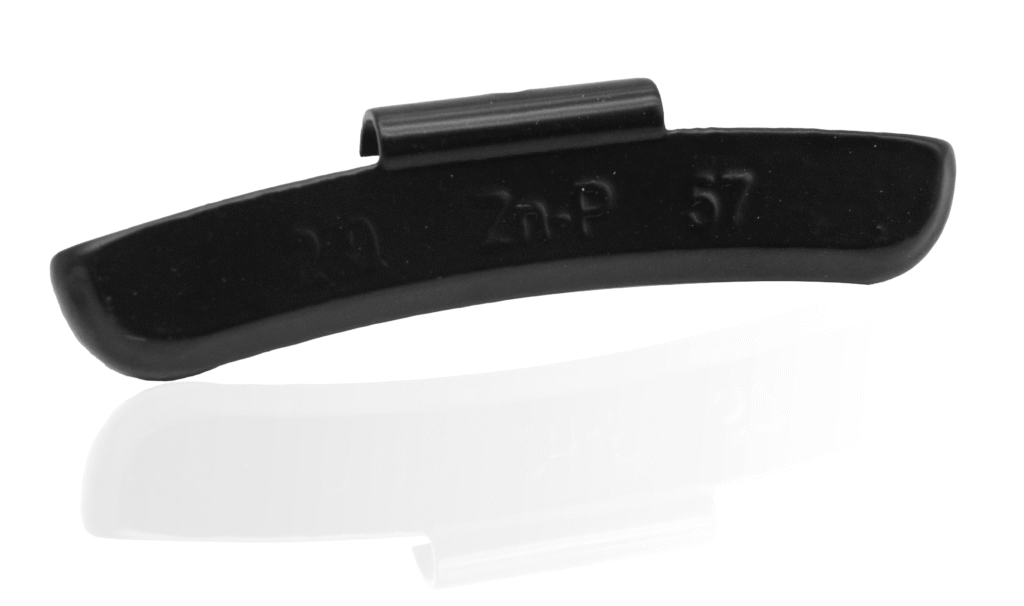
Clip-on and adhesive weights have different uses. Clip-on weights are secured to the rim edge with clips and are best suited for steel rims. They firmly hold the rim in place, keeping it stable. Many people prefer clip-on weights because they are durable and easy to install. Adhesive weights, also known as sticky weights, are glued directly to the rim. This type of weight is suitable for alloy rims and has a clean, aesthetically pleasing appearance.
| Feature | Clip-On Weights | Adhesive Weights |
|---|---|---|
| Design | Clamp onto rim flange | Stick to wheel surface |
| Ideal Use | Steel wheels, commercial fleets | Alloy wheels, luxury vehicles |
| Installation | Quick and stable | Flexible, hidden inside wheel barrel |
| Durability | High, works in tough conditions | Needs clean surface, sensitive to temperature |
| Appearance | Visible on rim | Discreet, improves aerodynamics |
Clip-on weights generally have a longer lifespan and help tires wear more evenly. Adhesive weights are concealed inside the rim, but require careful installation for proper mounting.
Not all weights are suitable for all rims. Clip-on weights are suitable for steel rims and large truck tires. Improper use can scratch painted alloy rims. Adhesive weights are better suited for alloy wheels and luxury cars. They don’t press against the rim and are less noticeable. Some rims require special concealed weights. Installing these weights requires specialized tools.
Proper weights help keep the tire balanced. Technicians use rim measuring instruments or charts to select the appropriate weights. These tools help match the weights to the size and shape of the rim. Fortune sells clip-on and adhesive weights for a wide range of rims. Using the right tools helps maintain tire balance and safety.
Tip: Always clean the rim before attaching weights. This helps the weights adhere firmly and keeps the tire balanced for longer.
Choosing the right weights for your vehicle starts with understanding your tire and rim type. Passenger cars with steel rims require P-type weights. Pickup trucks, due to their larger steel rims, require T-type weights. Using the correct weights helps maintain tire balance and prevents vibrations during driving.
To choose the best weights, follow these steps:
Fortune offers both clip-on and adhesive weights. Their products are made of high-quality steel, durable, maintain performance even in harsh conditions, and meet safety regulations. Fortune rim weights are compatible with a wide range of tires and rims, providing drivers with a reliable option.
Many people make mistakes when selecting or installing rim weights. These mistakes can lead to poor tire balance and unsafe driving. Common mistakes include:
Tip: Always clean the rims and rims before installing rim weights. This step helps the weights adhere firmly and maintain tire balance for longer.
Fortune tests every product to ensure it meets high standards. Their steel weights comply with environmental regulations and are a safe alternative to lead. Car owners trust Fortune’s quality and reliability.
People can distinguish between P-type and T-type counterweights by observing their shape and size. P-type counterweights generally appear smaller and lighter, suitable for passenger car steel wheels. T-type counterweights appear larger and heavier, best suited for pickup trucks and larger steel wheels.
The following table can help you compare these counterweights:
| Feature | P Weights (Passenger) | T Weights (Truck) |
|---|---|---|
| Size | Small | Large |
| Weight | Light | Heavy |
| Clip Width | Narrow | Wide |
| Rim Fit | Car Steel Rim | Truck Steel Rim |
Before installing counterweights on tires, it is essential to check their type. Incorrect counterweights can lead to poor tire balance, creating a driving safety hazard.
Manufacturers like Fortune have made counterweight identification simple. Each counterweight is clearly marked, showing the type, size, and sometimes the part number. P-type and T-type counterweights have different coding. Staff can refer to these labels to select the appropriate weights for each tire. Fortune prints or stamps this information on each product. This helps users avoid mistakes and maintain tire balance.
Tip: Always check the labels before installing weights. This step saves time and helps ensure tire safety.
Fortune’s clear labels help drivers and technicians select the correct weights every time. Correct identification contributes to safe driving and extends tire life.
P-type and T-type weights are suitable for different tire needs. P-type weights are suitable for passenger car rims, while T-type weights are suitable for truck rims. Choosing the right weights helps maintain tire balance and ensure tire safety. Appropriate weights improve tire handling, braking performance, and stability. For best results, consult Fortune or a professional.
 Request a quote