 11Mar
11Mar 


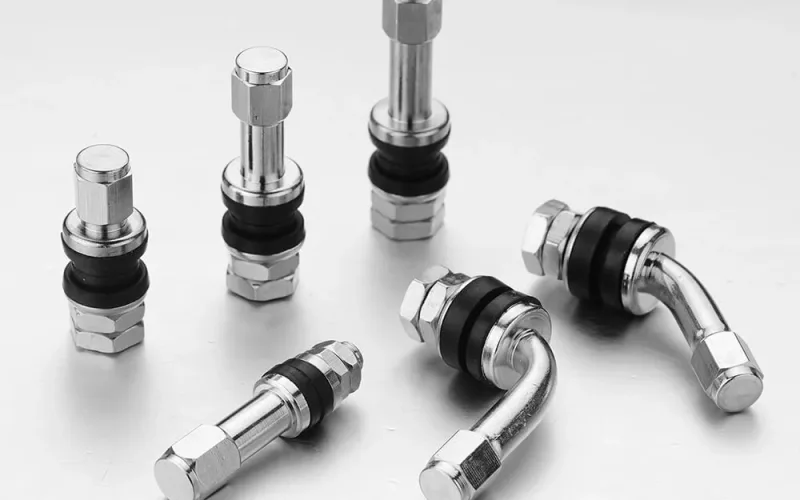
The best material for a valve stem depends on the car. It also depends on how you use the car. The level of performance needed matters too. Most regular cars use rubber valve stems. Rubber is cheap and bends easily. High-performance cars use metal valve stems. Off-road and commercial vehicles use metal too. Metal valve stems are stronger and last longer. They resist rust better than rubber. Some drivers pick higher quality valve stems. Fortune’s Metal TPMS Valves use better materials. These valve stems last longer and keep you safer.
Key Takeaways
- Metal valve stems work best for most cars. They last long and do not rust easily.
- Rubber valve stems cost less and fit normal cars. But they wear out faster than metal ones.
- Picking the right valve stem material helps keep tires safe. It also helps tires work better, even in bad weather.
- Checking and changing valve stems on time stops leaks. This keeps driving safe.
- Fortune’s Metal TPMS Valves are strong and bend easily. They are a good choice for many types of driving.
Best Valve Stem Material

Top Choice and Why
Many car experts say metal valve stems are the best for most cars. Metal valve stems last a long time. They work well in very hot or cold weather. Metal valve stems do not rust or break as easily as rubber ones. This is why people use them in fast cars, trucks, and cars that drive on rough roads.
There are different materials used to make valve stems. The table below shows what each material is good for:
| Material Type | Advantages | Ideal Use Cases |
|---|---|---|
| Rubber | Cheap, bends easily | Regular cars |
| Brass | Does not rust, strong | Fast cars |
| Stainless Steel | Very strong, handles heat | Tough conditions |
Metal valve stems made from brass or stainless steel seal tightly and last a long time. Fortune’s Metal TPMS Valves use strong copper and EPDM rubber. This makes them both strong and bendy. These valves work with tire pressure monitoring systems. They help keep the air in your tires at the right level.
Engineers pick metal for valve stems because it does not get damaged by chemicals or force. This makes the valve better and means you do not have to change it often. Metal valves fit many types of rims and sensors. This makes them a good choice for lots of drivers.
Key Benefits of the Best Material
Picking the right valve stem material gives you many good things:
- Metal valve stems last longer than rubber ones. They do not wear out fast, even in hard places.
- These valves seal better, so tire pressure stays safe.
- Metal valves can handle heat and pressure changes. This makes them good for daily driving and heavy work.
- Drivers save money because metal valves do not need to be changed a lot.
- Good metal valves, like Fortune’s, stop leaks and sensor issues.
Tip: Always pick the valve stem material that fits your car and how you drive. This helps your tires work their best and keeps you safe.
Choosing the right material helps the valve work well and last longer. It also makes your tires safer and more reliable. Good valves keep tire pressure right, lower repair costs, and help you drive safely in all kinds of weather.
Valve Stem Materials Compared
Rubber Valve Stems
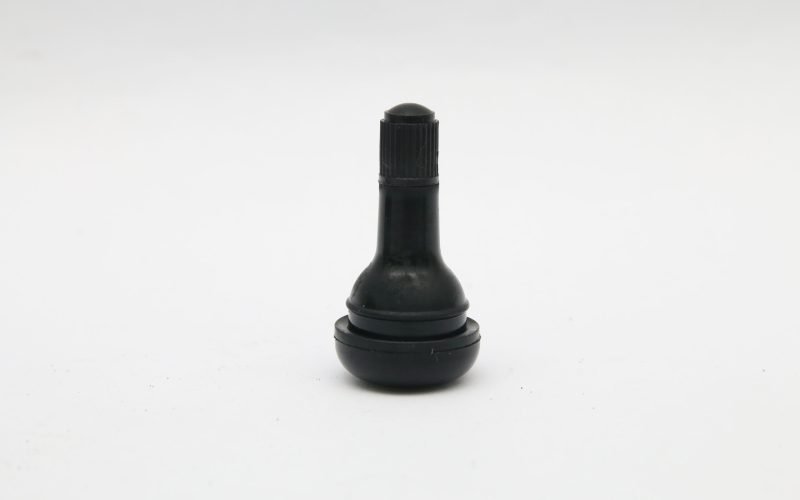
Rubber valve stems are still used in many cars. They bend easily and are simple to put in. Most people pick rubber valve stems for normal cars because they are cheap and work well for everyday use. Special rubber like butyl and EPDM helps the seal stay tight and stops slow leaks. Careful design makes sure these valves fit with tire pressure monitoring systems. Companies test and check these valves to make sure they are safe.
Rubber valve stems last about five to seven years. Sunlight, ozone, road chemicals, and hot or cold weather can make rubber dry out and crack. Drivers should look at their tire valves often to stay safe.
Note: Rubber valve stems are best for regular cars and places with mild weather. Change them when you see cracks or damage.
Aluminum Valve Stems
Aluminum valve stems are light and used in many cars. They do not rust as fast as steel but are softer than brass. Aluminum valves are good for cars that need to be light but still strong. These valves work well where there is water or road salt.
| Material | Corrosion Resistance | Vulnerability | Additional Notes |
|---|---|---|---|
| Aluminum | Good | Softer than brass or steel | Can get damaged if used with other metals |
| Steel | Poor (rusts easily) | Harder but rusts fast | Needs special coating to stop rust |
| Brass | Moderate | Harder than aluminum | Does not rust as fast as steel |
Aluminum valve stems can get damaged if used with other metals. Drivers should make sure their rims work with aluminum valves. Aluminum valves are a good pick for cars that need to be lighter.
Brass and Copper Valve Stems
Brass and copper valve stems are strong and seal well. These valves can handle high pressure and big temperature changes. Brass and copper valves are good for heavy trucks and fast cars. Makers use different ways to make them stronger or softer.
| Form | Temper | Tensile Strength (ksi) |
|---|---|---|
| Flat Products | 1/4 Hard | 70 Typ |
| As Hot Rolled | M20 | 55 Typ |
| Light Anneal | O50 | 60 Typ |
| Soft Anneal | O60 | 58 Typ |
| Flat Products & Rod | Soft Anneal | 58 Typ |

Brass valves cost less than stainless steel ones and need some care. Oil and checking them helps keep them working well. Copper valves are a lot like brass and do not rust easily. These valves help keep tire pressure steady and make driving safer.
Tip: Brass and copper valve stems are a good choice for cars and trucks that need to be strong and last a long time.
Material Impact on Performance
Durability and Longevity
The material of a valve stem changes how long it lasts. It also affects how well it keeps air in the tire. Rubber valve stems can get weak from sunlight or ozone. Hot or cold weather can also hurt rubber. When rubber cracks, air can leak out. Metal valves like brass, copper, or steel last much longer. They do not get damaged by weather or chemicals as fast. But metal can rust over time. If you do not check for rust, leaks can happen.
- Rubber valve stems can crack and let air out.
- Metal valves last longer but can rust and leak.
- Checking and changing valves helps tires stay safe.
The table below shows how long each valve stem type lasts. It also lists what makes them wear out:
| Valve Stem Material | Lifespan | Degradation Factors |
|---|---|---|
| Rubber Valve Stems | 2 to 5 years | Ozone, sunlight, and hot or cold weather |
| Metal Valve Stems (Brass/Aluminum) | 10 years or more | Stronger, but can rust if not checked |
Safety and Pressure Ratings
Safety depends on which valve you use. Metal valves seal tightly and hold high pressure well. This is good for cars that carry heavy things or go fast. Rubber valves bend easily and are simple to put in. They work well for off-road cars because they can bend without breaking. Both types need to be checked often to stay safe.
Maintenance and Replacement
Taking care of the valve helps the tire last longer. It also keeps the car safe. Each type of valve needs different care. Rubber valves can crack, swell, or get soft. Metal valves can bend or rust, mostly at the bottom. Check for leaks, loose parts, or damage often.
| Valve Stem Material | Common Maintenance Issues | Recommendations |
|---|---|---|
| Rubber | Cracks, swelling, soft spots, hardening | Change if you see damage |
| Metal | Rust, bending, wear at the base | Check for loose or wobbly parts, change if needed |
- Leaks can happen if the valve core is broken or the seal is loose. Change the core or the whole valve if needed.
- Rust and wear can hurt both rubber and metal valves. Check them often and change them every year or when you get new tires.
Tip: Good valves help stop leaks and keep tire pressure right. Pick strong materials and check your valves often to stay safe.
Choosing the Right Valve Stem

Factors to Consider
Picking the right valve stem means thinking about a few things. Drivers need to check what material the valve is made from. They should see how long it lasts and if it can handle damage. The valve must fit the tire, like tubeless or inner tube types. The kind of valve, such as Schrader or Presta, matters for using a pump. The valve stem needs to be the right length for the rim. This makes it easier to fill the tire with air. Good seals stop leaks and keep dirt out.
It is also important to see if the valve can handle lots of use. Valves should not break from wear or getting tired. If you drive where it is wet or salty, the valve must resist rust. Weight matters for fast cars. The valve must work with tire pressure monitoring systems and different wheel types. Some people want their valve to look nice, especially on fancy cars.
Tip: Always check how hot or cold it gets and how much pressure is needed before picking a valve. Price and how easy it is to find also help you decide.
Valve stem material changes how safe and well tires work. Tests show copper alloys and brass are strong and do not rust easily. Rubber is good for normal driving but does not last as long. When picking a valve stem, drivers should think about how they use their car, if the material can handle bad weather, if it fits the rim, and if it is made well.
Fortune’s Metal TPMS Valves are a smart pick for drivers who want safer and better tires.
FAQ
What is the main job of a valve stem?
A valve stem keeps air inside the tire. It lets drivers add or release air when needed. The stem also helps the tire hold the right pressure for safe driving.
How often should someone replace a valve stem?
Most experts suggest changing valve stems every time new tires go on. If a valve stem shows cracks or leaks, replace it right away.
Can metal valve stems fit any car?
Metal valve stems fit most cars, trucks, and SUVs. Always check the size and type before buying. Some wheels need special stems for a proper fit.
Why do some valve stems have rubber and metal parts?
Many high-quality valve stems use both rubber and metal. Rubber seals tightly and stops leaks. Metal adds strength and resists damage. This mix gives better safety and longer life.
Which valve stem material works best in harsh weather?
| Material | Weather Resistance | Best Use |
|---|---|---|
| Rubber | Good | Mild climates |
| Metal | Excellent | Extreme weather |
Metal valve stems handle heat, cold, and moisture better than rubber. They work well in tough conditions.
 Request a quote