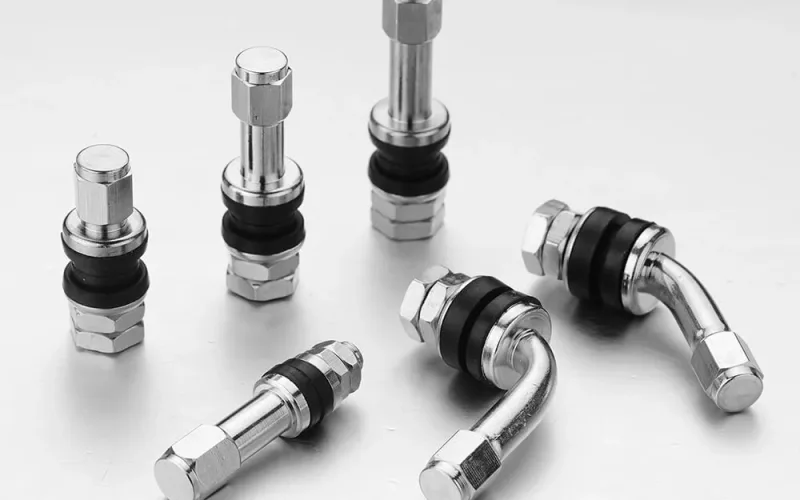
What is the difference between rubber and metal tire valves?
 20Mar
20Mar 
Adhesive weight is the force that pushes wheels onto the track or road. In trains, adhesive weight helps the wheels grip the rails. This lets trains pull heavy loads without slipping. In cars, adhesive weight helps balance the wheels. It also makes driving more stable. Many vehicles use steel wheel weight and clip on lead weights. These help keep the wheels balanced. Technicians use adhesive wheel weights to fix tire imbalances. This makes rides smoother and saves fuel. New adhesive materials make these weights work better. They are reliable for modern cars with sensor systems. Adhesive weight helps tires wear evenly. It keeps the car performing well. It also helps keep people safe in different driving conditions.
Adhesive weight is very important for trains and cars. It helps wheels hold onto the rails or road. This makes traction and stability better.
Using adhesive wheel weights keeps tires even. This gives smoother rides and helps tires last longer. It also helps save fuel.
Picking the right adhesive wheel weights matters a lot. Think about the vehicle type, wheel size, and material. This helps keep you safe and makes your car work well.
Most modern adhesive wheel weights use steel or zinc. These materials are better for the environment than lead.
Cleaning the wheel surface often helps adhesive weights stick well. This keeps vehicles safe and working right.
Adhesive weight in locomotives is the part of the train’s weight on the driving wheels. These wheels are the ones that push the train forward. The adhesive weight is important because it helps the wheels hold onto the rails. This grip lets the locomotive pull heavy loads without slipping. Engineers use adhesive weight to know how much drawbar pull a locomotive can make. Drawbar pull is the force that moves the train and its cars. If the adhesive weight is too low, the wheels might slip, and the train cannot carry as much cargo. Adhesive weight also helps the train stop. When there is more weight on the driving wheels, the brakes work better, and the train can stop more safely.
Friction and traction are important for how adhesive weight works. Friction is the force that keeps the wheels from sliding on the rails. Traction is how the locomotive moves forward without slipping. The amount of friction depends on two things: the adhesive weight and the rail’s condition. The formula for the most force of adhesion is:
Variable | Description |
|---|---|
F_max | Maximum force of adhesion |
μ | Coefficient of friction |
W | Weight on the wheel |
The formula is F_max = μ × W. This means the most force the wheels can use to move the train depends on the friction between the wheel and rail and the adhesive weight. If the rails are wet, oily, or have leaves, the friction goes down. This makes it harder for the train to move. Locomotives sometimes use sand to help the wheels grip better when it is slippery. Good care, like keeping the rails clean and making sure the sanding system works, helps keep the adhesive weight working well.
Tip: Weather can change how well the wheels grip the rails. Rain can help by cleaning the rails, but oil or leaves can make them slippery.
The factor of adhesion is a number that shows how much of the adhesive weight the locomotive can use before the wheels slip. Engineers use this number to make locomotives safer and stronger. Modern electric locomotives with AC traction have a factor of adhesion between 37% and 39%. Older DC locomotives have a lower factor, between 18% and 20%. A higher factor of adhesion means the locomotive can use more tractive effort without slipping. Tractive effort is the pulling force the locomotive makes. The formula for the most tractive effort is TEmax = μ × W. This means the locomotive can pull more if the adhesive weight and friction are higher. In the past, steam locomotives had trouble with wheel slip, so engineers used sand to help the wheels grip better. Today, new technology and better materials help trains use more of their adhesive weight for pulling and stopping.
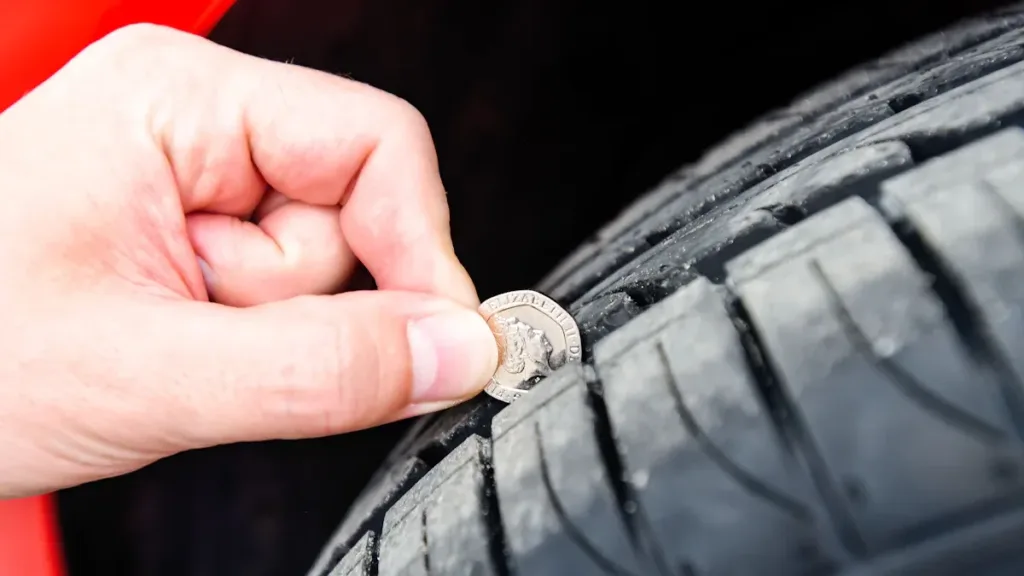
Adhesive wheel weights help keep tires balanced on cars and trucks. They stick right onto the inside of the wheel rim. Many technicians use them because they fit modern wheels well. These wheels may have special shapes or sensors. FORTUNE makes adhesive wheel weights in colors like silver and black. This helps them match different wheel styles. The adhesive is strong, so the weights stay on even at high speeds. The Quick-Peel™ feature makes them easy to put on during tire service. Many states do not allow lead wheel weights now. So, people use steel or zinc adhesive wheel weights instead. These are better for the environment and work well for balancing wheels.
Note: Adhesive wheel weights hide behind the wheel spokes. This keeps wheels looking neat and stylish, which many car owners like.
Manufacturers use different materials for adhesive wheel weights. The most common are steel, zinc, and lead. Each material has its own strengths and effects on the environment.
Material | Environmental Impact | Durability |
|---|---|---|
Steel | Low toxicity, easily recyclable | Balanced durability, may corrode |
Zinc | Safer than lead, recyclable | High durability, resists corrosion |
Lead | High environmental risk, not recyclable | Very durable, but not eco-friendly |
Steel adhesive wheel weights are popular because they are safe and can be recycled. Many brands, like FORTUNE, use eco steel to follow new rules and help the planet. Zinc weights do not rust easily and last a long time. Lead weights can handle bad weather but are bad for the environment, so shops avoid them. Some adhesive wheel weights use lead-free composite materials. These help keep tires balanced and protect the earth.
Adhesive wheel weights come in many shapes and sizes. Some fit regular cars, while others are for low-profile tires or custom wheels. FORTUNE offers custom finishes like black, silver, or chrome to match any wheel. The weights use special tape that works in all kinds of weather. These tapes keep the adhesive strong from 40°F to 175°F.
Technicians use adhesive wheel weights when they fix tire balance. They clean the wheel, peel off the backing, and press the weight on the rim. This helps balance tires fast and accurately. The weights work well with low-profile tires found on sports and luxury cars. These tires need careful balancing to stop shaking and uneven wear.
Adhesive wheel weights have many good points:
They hide behind the wheel, so the design stays clean.
They fit many wheel types, like alloy and custom wheels.
They let technicians place weights exactly where needed.
The strong adhesive keeps them in place, even at high speeds.
They have no sharp edges, so they are safer for everyone.
Lead-free and recyclable materials help the environment.
Fast installation saves time and money for repair shops.
Benefit Category | Key Points |
|---|---|
Enhanced Aesthetics | Hidden behind wheels, keeps a clean look, matches fancy designs |
Superior Compatibility | Works with many wheel types, including alloy and custom wheels |
Improved Precision and Balance | Allows exact placement, stops vibration, helps at high speeds |
Enhanced Safety and Reliability | Stays attached, no sharp edges, resists rust and corrosion |
Environmental Benefits | Lead-free, recyclable, less waste |
Cost-Effectiveness | Quick to install, fewer returns, less damage, better service |
Adhesive wheel weights help tires wear evenly and keep cars running well. They make driving safer by stopping tire shaking and wheel wobble. Many drivers pick adhesive wheel weights for low-profile tires because these tires need careful balancing. The weights also protect fancy wheels from scratches, since they do not use metal clips. FORTUNE’s adhesive wheel weights use strong adhesives and coatings to stop rust from road salt and chemicals. This makes them a smart choice for drivers who want their cars to look and work their best.
Picking the right adhesive wheel weights helps cars stay safe and smooth. Not every car uses the same kind of weights. The table below lists what you should think about:
Factor | Description |
|---|---|
Vehicle type and model | Different vehicles have different wheels. They need matching weights. |
Wheel size and weight | Wheel size and weight change how much weight you need. |
Balance accuracy requirements | Fast cars or cars that need to be steady need perfect balance. This changes what weights you pick. |
Material of wheel weights | Wheel weights can be lead, zinc, or iron. Each one works a little differently. |
Installation method | Some weights stick on. Others clip on. The wheel’s shape decides which is best. |
Brand and Quality | Good brands last longer and work better. They also follow the rules. |
Many places now say you must use lead-free adhesive wheel weights. These rules help keep people and nature safe. Car shops and owners should check the laws before picking wheel weights. Many people like adhesive weights for low-profile tires. These tires need careful balance to be safe and comfy. Adhesive weights are also good for custom wheels. They work better for low-profile tires than clip-on weights.
Tip: Always pick the right size and material for your car. This stops shaking and helps tires wear evenly.
FORTUNE makes adhesive wheel weights with many good features. These weights are great for low-profile tires and new wheel styles.
Stick-on weights keep wheels looking nice and clean.
You can cut the weights to fit just right.
They make rides quieter by stopping metal sounds and shaking.
They can help save gas, sometimes up to 4%.
The sticky part keeps weights on, even when driving fast.
You can pick colors to match your wheels.
Strong coatings stop rust and damage from road salt.
Tape makes them easy to put on and keeps them in place.
FORTUNE gives a guide to help you pick the right weights. You can ask for samples to try before you buy. Friendly helpers answer questions and help you choose. These things make FORTUNE adhesive wheel weights a good pick for low-profile tires and many other cars.
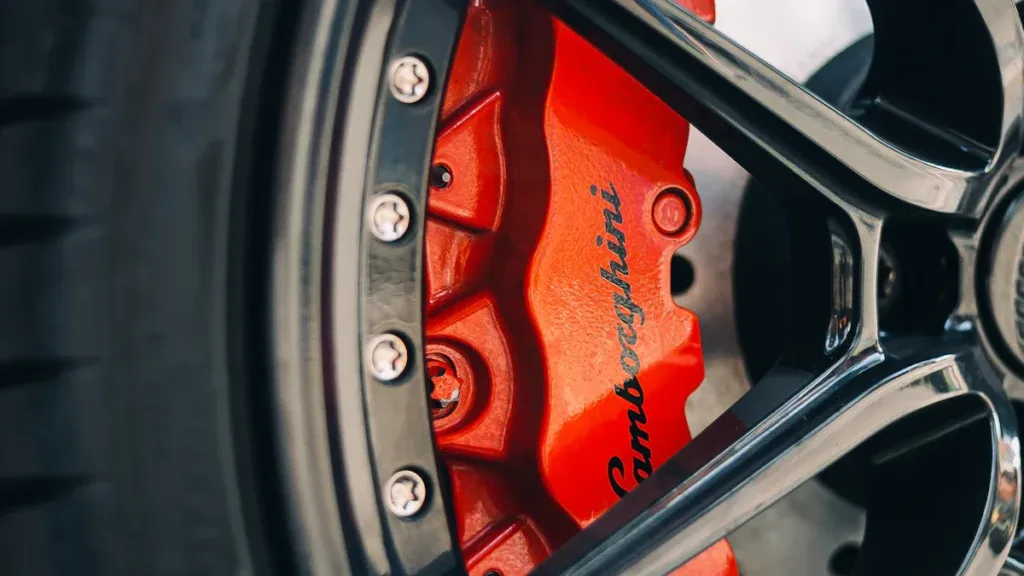
Adhesive wheel weights help keep cars safe and smooth. They make sure the tire and wheel are balanced. This means the weight is even around the axle. Balanced wheels help the car stay steady. If a wheel is not balanced, the car can shake. The steering wheel might move or the car could pull to one side. These problems can wear out tires unevenly. They can also hurt the suspension.
Balancing wheels with adhesive weights helps in many ways:
The ride feels smooth and quiet.
Tires wear evenly and last longer.
Suspension parts do not get worn out fast.
The engine does not have to work as hard, so it saves gas.
Technicians use adhesive wheel weights because they stick well to the wheel. They are good for new wheels with special shapes or sensors. Balanced wheels also make the car use less energy to move.
Adhesive wheel weights are important for safety and performance. They help the car keep good grip and control, even in bad weather. When tires are balanced, they touch the road evenly. This gives the driver better control and helps stop accidents.
Adhesive wheel weights have many safety benefits:
They stay on the wheel, even in tough weather.
They do not have sharp edges, so they are safe to handle.
They do not rust or corrode if they have a good coating.
They work well in many kinds of weather.
Many cars now use adhesive wheel weights for balance. The table below shows how often they are used in different places:
Region | Percentage of Adhesive Weights Usage |
|---|---|
Global | 35% |
Europe | 40% |
North America | 35% |
Drivers and technicians pick adhesive wheel weights because they help cars work better and stay safe.
Adhesive weight is important for trains and cars. In locomotives, it helps wheels hold onto the rails. This gives better traction. In cars, it keeps wheels balanced. This makes the ride smoother. Knowing about adhesive weight helps people stay safe. It also helps cars and trains work better.
Good adhesive weight helps with traction and balance.
Cleaning the surface and checking often keeps weights working.
Picking good products keeps people safe and makes them last longer.
 Request a quote