What is the difference between rubber and metal tire valves?
 20Mar
20Mar 


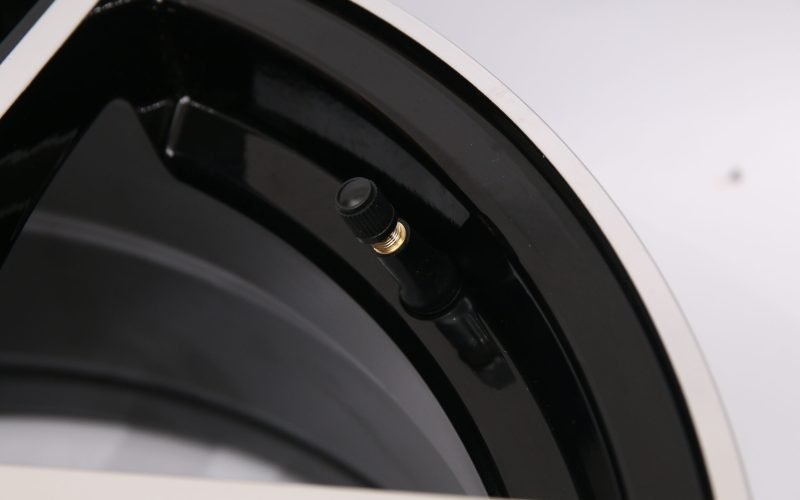
Tire valves allow air to enter and remain inside the tire, helping to maintain proper tire pressure. Proper tire pressure improves driving safety and helps reduce fuel consumption. Tire valve is clear when drivers see how stable their vehicles feel. Tire valve caps protect the valve from dirt and damage. Metal TPMS valves work with special systems that check air pressure. Many drivers trust Fortune for strong and reliable tire valves.
Keeping the right tire pressure means fewer problems and smoother rides.
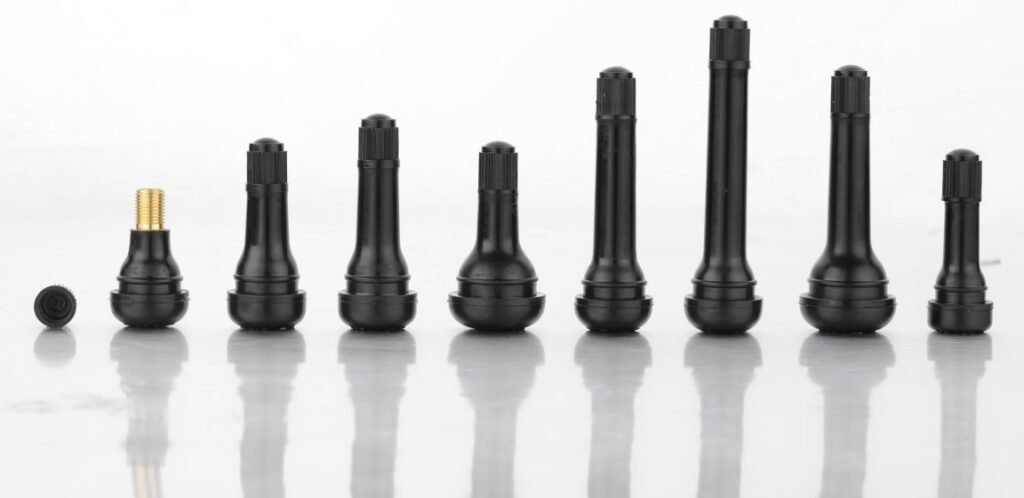
The tire valve controls the inflation and deflation of the tire. It acts like a gate, allowing air in during inflation while preventing leakage. This small component helps maintain the correct tire pressure. Drivers use the valve when checking or adjusting tire pressure. The valve also works in conjunction with tire pressure monitoring systems. These systems warn of low or high tire pressure.
A tire valve helps drivers add or let out air. This keeps tires working well.
Tire valves help ensure vehicle safety. When tire valves are functioning properly, they help maintain proper tire pressure. Good tire pressure provides better grip, a smoother ride, and safer braking performance.
The following conditions can cause tire valve failure:
Cracks or damage caused by aging or rough road conditions.
Excessively hot or cold weather accelerates valve wear.
Chemicals on the road, such as salt, can cause valves to rust.
Valve valves may shift during inflation.
Rubber valves may crack or dry out in harsh weather.
Weather and other factors can affect how tire valves work:
High humidity can cause water to enter the tires, thus increasing tire pressure.
If the tire pressure is incorrect, heavy rain can cause the vehicle to skid.
Hot weather can cause tires to be overinflated, resulting in inaccurate tire pressure readings.
Cold weather can cause tires to be underinflated, reducing the sensor’s response speed.
When the temperature changes by 10 degrees Fahrenheit, tire pressure changes by approximately 1 PSI. Warm weather can cause tires to be overinflated.
Regularly checking tire valves and using high-quality valves helps drivers avoid trouble and ensure safety.
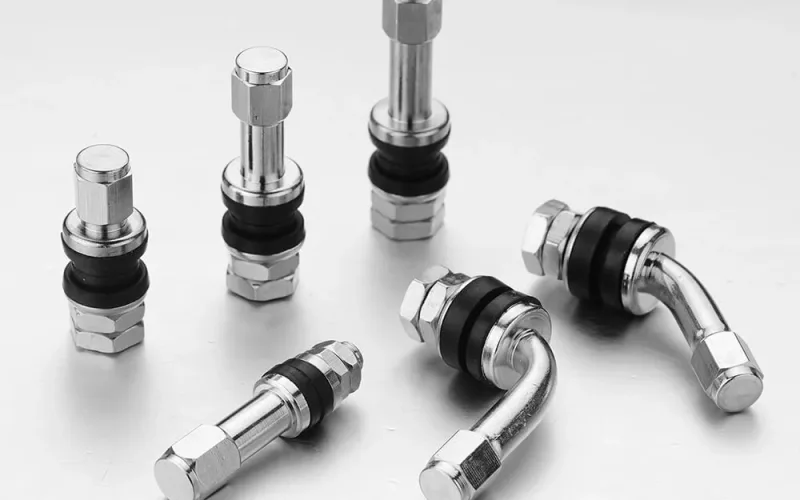
Rubber snap-on tire valves are widely used in various vehicle models. These valves are made of high-strength synthetic rubber, which is easily bent, making installation quick and convenient. Car owners choose rubber snap-on valves because they are cheaper and less prone to rust. Fortune brand snap-on rubber tire valves offer excellent sealing, effectively preventing air leaks. The company uses tough rubber materials and a meticulous design, making them easy to install and maintaining tire pressure well. Fortune brand high-pressure rubber tubeless tire valves are suitable for high-performance cars and large trucks. These valves use special seals and robust materials.
Common Global Types:
Rubber Tire Valve
Metal Tire Valve
Tire Pressure Monitoring System (TPMS) Tire Valve
Snap-on rubber tire valves help drivers save money and ensure tire safety.
Metal clamp-in tire valves are good for fancy cars and work vehicles. These valves use brass or aluminum, which are strong metals. Metal clamp-in valves last longer than rubber ones. They can handle more pressure. Fortune metal tire valves have a shiny chrome sleeve. This makes them look nice and stops rust. Each valve is tested for leaks. They meet safety rules like ISO/TS16949 and ISO 9001.
Feature | Metal Clamp-in Valves | Rubber Snap-in Valves |
|---|---|---|
Material | Brass | Synthetic rubber |
Durability | More durable, but may corrode over time | Less durable, but better corrosion resistance |
Installation | More complex, requires special tools | Easier to install due to flexibility |
Longevity | Longer-lasting, reusable with tire changes | Needs replacement with each tire change |
Performance | Tighter seal, better for high-performance use | Less rigid, may not provide as tight a seal |
Metal clamp-in tire valves from Fortune seal tightly and look good on any car.
High-pressure tire valves are designed for large trucks and heavy-duty vehicles. These valves hold more air, ensuring tire safety under harsh conditions. Fortune high-pressure metal clamp valves are suitable for 0.453-inch and 0.625-inch rim bores and can withstand pressures up to 200 PSI. Rubber snap-in high-pressure valves can withstand pressures up to 100 PSI. The table below shows the air capacity for each type of valve.
Valve Type | Rim Hole Size | Max Cold Inflation Pressure |
|---|---|---|
Tubeless Snap-in | 0.453″ | 80 psi |
Tubeless Snap-in | 0.625″ | 100 psi |
Metal Clamp-in | .453″ | 200 psi |
Metal Clamp-in | .625″ | 200 psi |
Fortune tire valves are known for being strong and safe. Drivers trust Fortune for tight seals, tough parts, and long life.

The valve core sits at the heart of every tire valve. This small part controls how air moves in and out of the tire. When a driver adds air, the valve core opens and lets air flow inside. When the tire reaches the right pressure, the core closes and seals the air in. The metal pin inside the core moves up or down to open or close the passage. This action keeps the tire at the correct pressure and stops air from leaking out.
Component | Function |
|---|---|
Hollow cylindrical | Allows air to flow in and out of the tire when the valve is opened. |
Metal pin | Controls the opening and closing of the valve, regulating air pressure. |
Valve body | Seals the tire, preventing air from escaping when the valve is closed. |
Valve cores come in different materials. Brass cores resist rust and last a long time. Stainless steel cores work well in tough or wet places. Plastic cores are light and cost less, but they fit best in low-pressure tires. Choosing the right material helps the valve last longer and saves money on repairs.
The valve opens when tire pressure drops below outside air pressure.
It seals tightly to stop air from leaking.
The metal pin decides if air can enter or leave the tire.
The valve cap covers the top of the valve stem. It acts as a shield against dirt, dust, and water. A good valve cap has a rubber O-ring that creates a tight seal. This seal keeps air from escaping and blocks out debris. Without a cap, dirt can get inside and weaken the seal, which may cause slow leaks. The cap also helps keep the tire at the right pressure, which supports safe driving and better tire life.
Tip: Always replace missing or damaged valve caps to protect your tires.
Several accessories help tire valves work better and last longer. Each accessory serves a special purpose.
Accessory Type | Functionality Description |
|---|---|
Valve Extensions | Extends the length of the valve for easier access and service. |
Valve Cores | Maintains tire pressure and allows for quick repairs. |
TPMS Components | Monitors tire pressure to improve safety and performance. |
Drivers use valve extensions on deep wheels or dual tires. Extra valve cores make repairs faster. TPMS parts help drivers see tire pressure on the dashboard. These accessories help keep tires safe and easy to maintain.
Drivers can keep their tires safe by checking for leaks in the tire valve. Eugene Petersen from Consumer Reports suggests looking closely at the valve stem for cracks or damage.
A visual inspection of the valve stem helps spot cracks early.
To check for leaks, follow these steps:
Use a valve stem tool to check if the valve is tight.
If loose, tighten it and add air to the tire.
If tight, remove the stem carefully while wearing safety glasses.
Apply soapy water to the valve stem. Bubbles mean there is a leak.
Check the old core threads for corrosion and clean them if needed.
Install a new valve stem core, making sure it is snug but not too tight.
Refill the tire and check again with soapy water.
A need to add air often or seeing bubbles during the soapy water test means the valve may need replacement. Replacing a cracked or corroded valve stem stops further air loss.
Knowing when to replace a tire valve keeps vehicles safe. Common signs include:
Persistent loss of tire pressure.
Visible damage, such as corrosion or cracks.
Unusual vibrations or handling problems.
A table shows how often to replace different types of valves:
Recommendation | Frequency |
|---|---|
Rubber stems | Replace at next tire change or annually |
Metal stems | Can last much longer, replaced less often |
Simple care steps help tire valves last longer:
Check and replace valve stem caps to prevent air loss.
Make sure caps are tight enough to hold pressure but not too tight.
Inspect for cracks or wear in the caps.
Regular tire valve maintenance improves safety, extends tire life, and boosts fuel efficiency. Using high-quality Fortune tire valves gives drivers extra peace of mind and reliable performance.
Drivers who choose Fortune get strong and dependable tire valves. Checking tires every month and fixing problems fast helps tires last longer. It also saves gas and keeps cars safer on the road.
A tire valve lets air go in or out. It keeps air inside the tire. This helps the tire keep good pressure. The tire valve helps drivers stay safe. It also helps cars run smoothly.
Drivers should check tire valves once a month. Checking often helps find leaks or damage early. This keeps tires working well. It also helps stop flat tires.
Yes, a damaged valve can let air leak out. Losing air can make a tire go flat. Drivers should change damaged valves fast. This helps avoid trouble on the road.
Fortune tire valves use tough materials and seal well. They have safety certificates from around the world. Many drivers trust Fortune for long life and safety.
 Request a quote