 12Mar
12Mar 

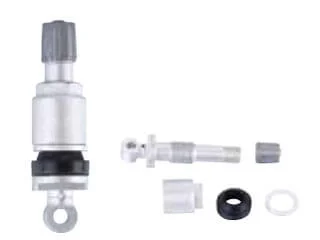
A tire sensor valve is a small tool inside a tire. It checks the air pressure in the tire. This part helps keep drivers safe. It warns drivers if a tire has low air. Many accidents happen when tires do not have enough air. For example, in France, 9% of deadly crashes are from low tire air. In Germany, 41% of injury crashes are from tire problems.
| Source | Statistic |
|---|---|
| French Sécurité Routière | 9% of all road accidents with fatalities are due to tire under-inflation. |
| German DEKRA | 41% of accidents with injuries are linked to tire issues. |
Tire sensor valves help stop these problems. They make driving safer for everyone.
Key Takeaways
- Tire sensor valves check air pressure in tires. They help stop accidents from low tire pressure.
- Check tire sensor valves often to get correct readings. This helps keep driving safe.
- Pick metal TPMS valves for stronger and better use in bad weather. Metal valves last longer than rubber valves.
- Knowing the difference between direct and indirect TPMS helps you choose what is best for tire safety.
- Following the law for TPMS in your car makes roads safer. It also helps you follow the rules.
Introduction to Tire Sensor Valves
Definition of tire sensor valve
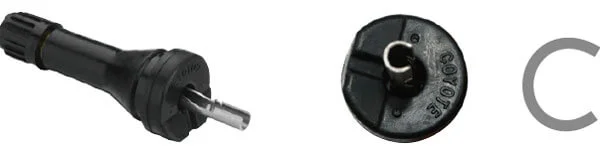
Tire sensors, also known as tire pressure monitoring sensors, TPMS sensors, or valve stem sensors, are active safety components mounted on the wheel rims of vehicles and often integrated with the valve stems. They monitor tire pressure, temperature, and identification information in real time, transmitting this data wirelessly to the vehicle’s display screen to enable safety functions such as tire blowout warnings and low tire pressure alerts. This sensor plays a central role in modern automobiles, especially in models employing direct tire pressure monitoring systems (TPMS).
Where to Find It
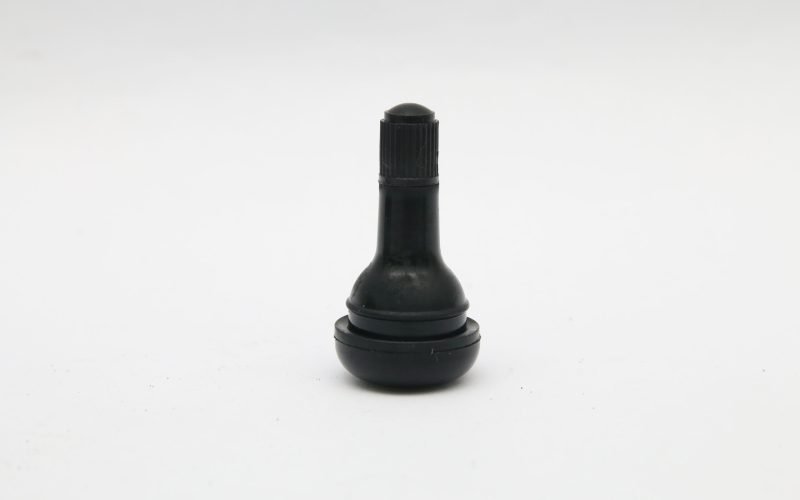
A tire sensor valve is inside the wheel. It sits near the bottom of the valve stem. Most people cannot see it from outside the tire. The sensor hides inside, so you need to remove the tire to see it. The sensor is attached to the valve stem. The valve stem is the small tube where air goes into the tire.
Some cars use a cap-style sensor that goes over the valve stem. But most new cars have the sensor hidden inside the wheel. You can see the valve stem on the outside of the wheel. The sensor stays safe and protected inside.
How Tire Sensor Valves Work
Basic Function
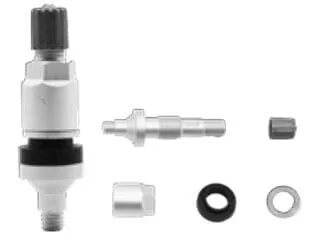
A tire sensor valve checks the air in each tire. This small device sits inside the tire and watches the air pressure all the time. Most tire sensor valves have a battery that powers the sensors. The sensors measure the air pressure and send the data to the car’s computer. If the air gets too low, the system warns the driver right away.
Tip: Tire sensor valves work best when put in the right way and checked during regular tire care.
Here is an easy list of the main parts inside a tire sensor valve:
| Component | Function |
|---|---|
| Pressure sensor | Measures the air pressure inside the tire |
| Analog-digital converter | Changes the pressure reading into digital data |
| Microcontroller | Processes the data from the pressure sensor |
| Radio frequency transmitter | Sends data to the vehicle’s onboard computer |
Pressure Monitoring Process
The tire sensor valve checks tire pressure in a few steps. Each step helps make sure the system gives correct and fast information.
- Take off the valve stem caps from all tires.
- Make sure the tire pressure matches the right level.
- Set up the tire pressure monitoring system (TPMS) for each tire.
- Put the sensors on the valve stem threads.
- Turn on the monitor while filling the tires with air.
Data Transmission
After checking the pressure, the tire sensor valve sends the data to the car’s dashboard. Most valves use wireless technology for this job. Some types are Bluetooth, Zigbee, or special radio frequency (RF) signals. The sensor collects information about tire pressure and temperature, then sends it to the car’s control unit.
Wireless data sending must be safe and work well. Makers build these systems to work in tough weather, like very hot or cold days. They also use encryption to keep the data safe. Many systems follow strict rules, like ISO 21434, to stop hackers.
Note: Good data sending helps drivers stay safe by making sure they get alerts as soon as a tire loses pressure.
Why Tire Sensor Valves Are Important
Safety and Performance
Tire pressure sensors are crucial for safe driving. They alert drivers when tire pressure is too low, effectively preventing accidents. When tire pressure is normal, vehicle steering and braking performance are better. Low tire pressure can lead to difficulty steering and even a tire blowout. This system can issue an immediate warning, allowing drivers to address the problem before it worsens.
| Evidence Type | Description |
|---|---|
| Enhanced Safety | Proper tire pressure reduces the risk of blowouts and improves vehicle handling. |
| Real-Time Monitoring | TPMS provides immediate data on tire performance, allowing for quick responses to issues. |
| Instant Alerts | Drivers receive timely notifications about tire pressure drops, enabling proactive measures. |
| Decreased Risk of Blowouts | Maintaining optimal tire pressure lowers the chances of tire blowouts, preventing accidents. |
| Preventing Accidents | NHTSA indicates that tire issues are a major cause of accidents, and TPMS helps mitigate this risk. |
Metal TPMS valves are strong and last a long time. They do not break easily in bad weather. Rubber valves can wear out faster. Metal valves, like Fortune’s Metal TPMS Valves, use copper and EPDM rubber. This makes them seal well and last longer. They do not rust and work in hot or cold weather. Metal valves also seal better and do not bend under high pressure.
| Feature | Metal TPMS Valves | Standard Rubber Valves |
|---|---|---|
| Durability | More durable | Less durable |
| Environmental Resistance | Less prone to damage | More prone to damage |
| Seal Security | Provides a more secure seal | Less secure seal |
| Pressure Resistance | Less likely to deform under high pressure | More likely to deform under high pressure |
Picking the right valve, like Fortune’s Metal TPMS Valves, helps keep you safe. It also saves gas and makes tires last longer.
Maintenance Benefits
Taking care of tire sensor valves keeps tires in good shape. Checking them often makes sure the readings are right. This stops tires from having too much or too little air. Regular checks can find problems early. This saves money on fixing or buying new tires.
- Check valve stems and sensors every month.
- Look for cracks or rust.
- Put silicone grease on rubber parts once a year.
- Check valves and sensors when changing tires.
Good valves, like Fortune’s, last longer and need less fixing. Taking care of them helps tires work better and last longer.
Legal Considerations
Many countries say new cars must have TPMS. These rules help keep roads safe. Drivers know about tire problems right away.
| Country | TPMS Requirement Description |
|---|---|
| United States | All new vehicles must be equipped with TPMS since September 1, 2007, as per NHTSA. |
| European Union | TPMS required for all new passenger cars since November 1, 2012, with phased deadlines. |
| Canada | Mandates TPMS in new vehicles, aligning closely with U.S. regulations. |
| China | Introduced TPMS regulations in stages starting in 2011, focusing on accuracy and performance. |
| Japan | Requires TPMS on new vehicles to enhance road safety and fuel efficiency. |
Drivers and car makers must follow these laws. Using a good tire sensor valve helps meet the rules. It also keeps everyone safer on the road.
FAQ
What does a tire sensor valve do?
A tire sensor valve checks the air pressure inside a tire. It sends this information to the car’s computer. The system warns the driver if the tire pressure drops too low.
How often should drivers check tire sensor valves?
Drivers should check tire sensor valves every month. They should also inspect them during tire changes or if the warning light appears on the dashboard.
Can a tire sensor valve fail?
Yes, a tire sensor valve can fail. Common reasons include battery loss, damage from road debris, or corrosion. A failed sensor may cause the warning light to stay on.
Are metal TPMS valves better than rubber ones?
Metal TPMS valves last longer and resist harsh weather. They provide a stronger seal and do not bend easily. Many drivers choose metal valves for better durability and safety.
Do all cars have tire sensor valves?
Most new cars have tire sensor valves. Many countries require them by law. Older cars may not have this system unless added later.


 Request a quote