What is the difference between rubber and metal tire valves?
 20Mar
20Mar 

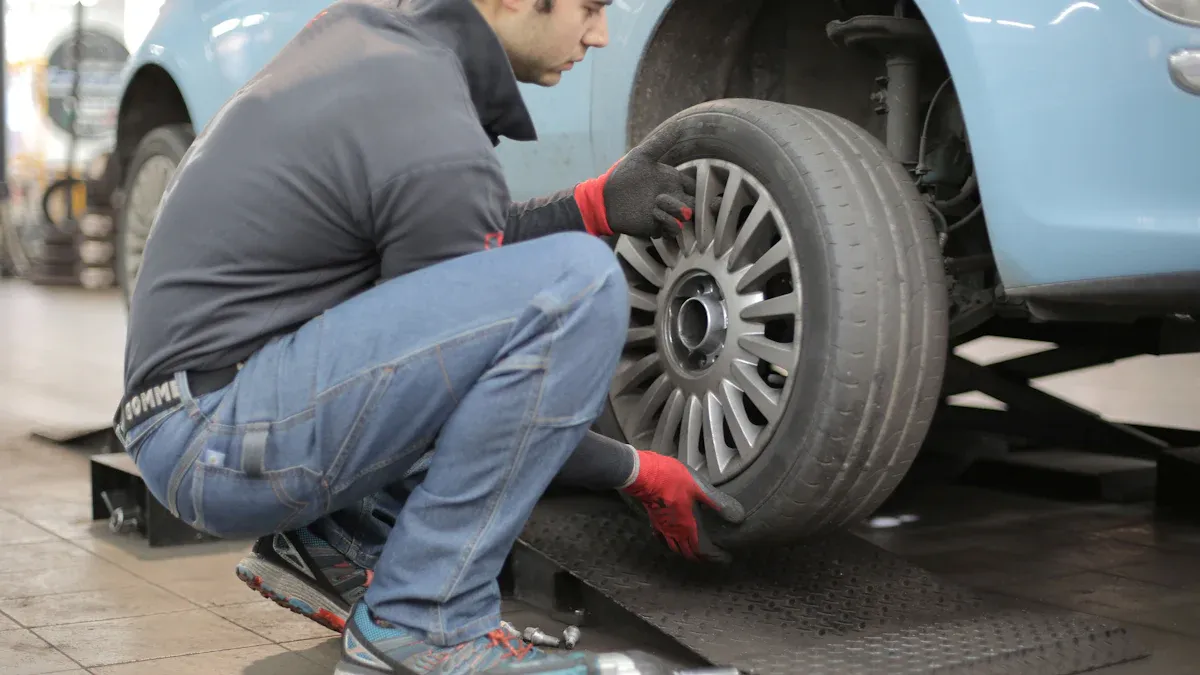
You can use a tire repair screw for emergency tire repairs. This tool provides a temporary fix for a small tire puncture. It helps you get your vehicle to a professional shop. Your safety depends on a proper tire repair. These screws are not a permanent repair for punctured tires. Your tire needs a professional inspection for your continued safety.
Important Safety Note: For long-term tire safety, a professional tire repair is essential. The only industry-accepted permanent repair for a tire is a patch-plug combination. Prioritize your safety and the safety of others on the road.
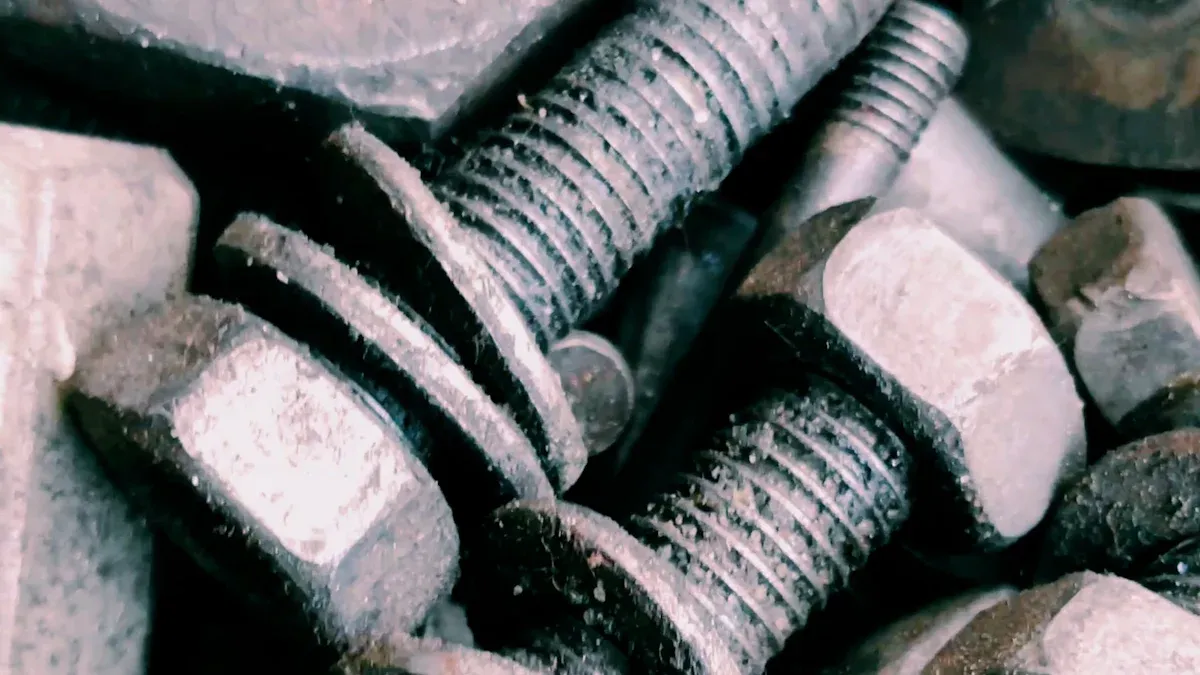
You might see these tools called screw-in tire plugs or mushroom plugs. They are a simple tool for an emergency tire repair. Understanding this tool helps you know when to use it.
A tire repair screw is a small metal screw. A special layer of soft rubber covers its threads. This coating is made from natural rubber. The design helps the plug create a temporary seal inside your tire. These screw-in tire plugs are designed for small punctures in the tread area of a tire. They offer a quick fix for punctured tires when you are far from a service station. This type of repair is not permanent.
The process for this temporary tire repair is straightforward. You locate the hole in your tire’s tread. Then, you simply screw into a puncture hole with the special plug. The soft rubber on the tire plugs compresses against the inside of the tire. This action seals the puncture from the inside out. The goal is to stop air from leaking out of the tire. This allows you to drive a short distance to get a professional repair. The plug provides a temporary seal for the tire.
Quick Tip: Always check your tire pressure after inserting a plug. This ensures the seal is holding air before you start driving.
Finding the best tire repair kit means knowing what it contains. A good tire puncture repair kit gives you all the necessary tools for the job. Your kit should have everything you need to insert the tire plugs correctly. A standard kit typically includes:
You need to understand the difference between a quick fix and a real solution. A temporary repair gets you out of a jam. A permanent repair ensures your long-term safety. Knowing the effectiveness of each method helps you make the right choice for your tire and your well-being.
A temporary fix, like using tire plugs, is designed for emergencies. It seals a puncture well enough to get your vehicle to a professional mechanic. If you install a plug correctly, it can hold for a surprising distance. Some users even report driving at high speeds on a plugged tire without immediate issues. However, this is not the recommended or safe use for a temporary plug. The main goal is to get you off the side of the road and to a repair shop.
A permanent tire repair is the only solution endorsed by safety organizations like the U.S. Tire Manufacturers Association (USTMA). This method is a patch-plug combination applied from inside the tire.
Why Professionals Insist on a Patch-Plug Combo:
- Complete Sealing: The plug fills the puncture channel. This stops moisture from rusting the tire’s internal steel belts. The patch seals the inner liner, making the repair airtight.
- Restored Integrity: This method restores the structural strength of the tire. Your tire can flex and absorb bumps correctly again.
- Permanent Bond: A chemical process called vulcanization permanently bonds the patch to the tire. This creates a seal that lasts for the life of the tire.
This professional repair is the only way to guarantee the tire’s performance and your safety for the long term.
You have several tire repair options available. Each has different materials, applications, and costs. Understanding these differences helps you see why screw-in tire plugs are only for temporary use.
Here is a comparison of the most common methods:
| Repair Type | Material & Structure | Application Method | Average Cost (DIY/Pro) |
|---|---|---|---|
| Tire Repair Screw | Metal screw coated in soft, sticky rubber. | Screws directly into the puncture from the outside. | ~$10 – $20 (DIY Kit) |
| Tire Plug | Sticky, flexible rubber or latex strip. | Inserted into the puncture from the outside using a tool. | ~$10 – $20 (DIY Kit) |
| Tire Patch | A piece of vulcanized rubber. | Bonded to the inside of the tire over the hole. Requires tire removal. | ~$50 (Professional) |
| Patch-Plug Combo | A single unit with a plug and patch. | The plug fills the hole while the patch seals the inner liner. Requires tire removal. | ~$20 – $50 (Professional) |
As you can see, screw-in tire plugs and standard tire plugs offer a fast, low-cost fix. A professional repair costs more because it involves removing the tire and performing a more complex, reliable repair. The price reflects a significant increase in safety and permanence.
Using a temporary plug as a permanent solution creates serious risks. Your safety on the road depends on a properly functioning tire. A temporary repair cannot guarantee the original strength or speed rating of your tire.
The primary risks of relying on a temporary plug include:
Ultimately, a temporary plug is a bridge to a safe, professional tire repair. It is not the destination. Always prioritize your tire safety by having a professional inspect and permanently repair any puncture.
Knowing the right time to use a tire repair kit is crucial for your safety. These tools are for specific situations. Using them correctly helps you handle emergency tire repairs safely. You can get your vehicle to a professional for a permanent tire repair.
You should only use tire plugs for small, simple punctures. A plug is a temporary fix to get you to a service station. Your safety depends on using the plug only when the damage is minor. A tire is a good candidate for a temporary plug if it meets these rules:
If the puncture fits these descriptions, a temporary plug can seal the hole. This allows you to drive slowly to a shop for a proper inspection and repair.
Your safety is the top priority. You must never use tire plugs for certain types of damage. Using a plug in the wrong place can lead to a dangerous tire failure. Never attempt a repair on punctured tires in these cases:
Safety Alert: The tire’s sidewall lacks the steel cords needed for a plug to seal correctly. Drilling into this area can cause a blowout, even at low speeds. Your safety is not worth the risk.
Professionals put your safety first. They recommend a permanent tire repair for any puncture. A tire repair screw or other screw-in tire plugs are seen only as a last-resort tool. They get you out of a dangerous spot, like the side of a highway. Some tire manufacturers, like Michelin, state that their self-sealing tires can be properly repaired after a puncture. This is only if the tire was not driven on while flat and the damage is in the tread. This highlights the importance of a professional inspection. A mechanic will remove the tire to check for internal damage before making a permanent repair. They will always tell you that a temporary plug is not a final solution.
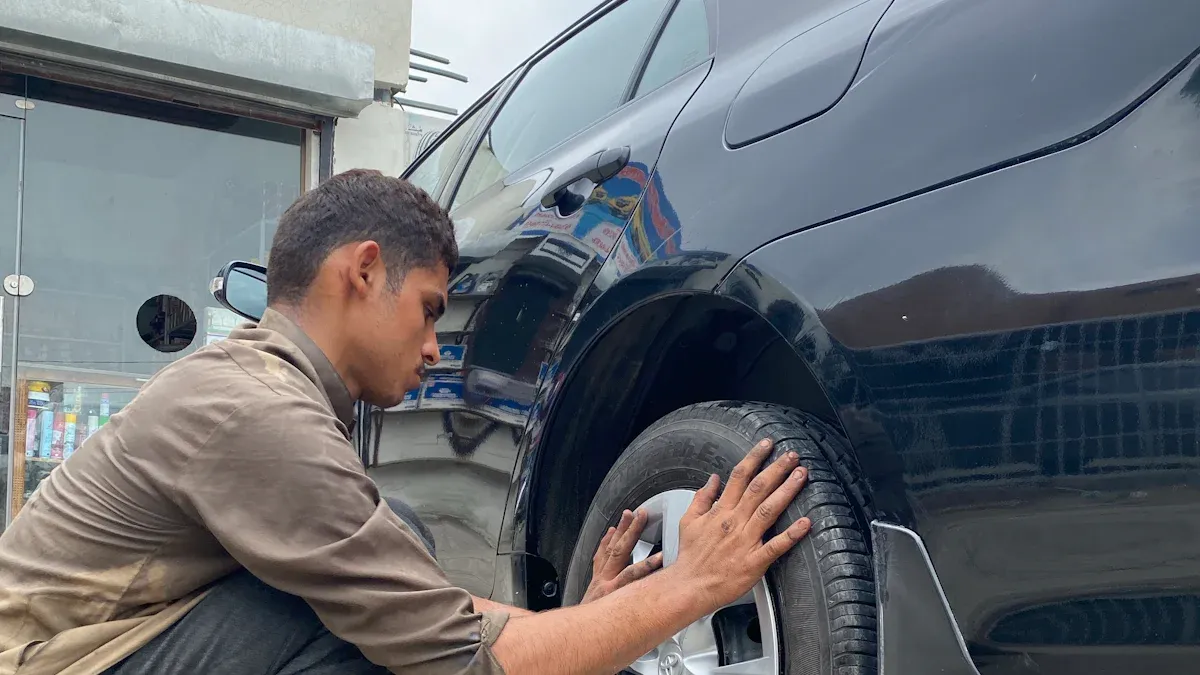
You can handle emergency tire repairs with the right knowledge. Using a tire repair screw is a temporary solution to get you to a professional. Your safety is the most important part of any roadside repair. Follow these steps carefully.
Your personal safety comes first. Before you even think about the tire, you must secure the area.
Safety First Gear: Always wear protective equipment for your safety. This includes a high-visibility vest to make you visible, durable work gloves to protect your hands, and safety goggles to shield your eyes.
A good kit is your starting point. You will need a few other items to complete the tire repair safely and correctly. Having these tools ready makes the process much smoother. Your basic toolkit should include:
Many reliable portable air compressors are available. Some, like the compact Craftsman inflator, can be stored in your glovebox. Others, like the Viair 88P, offer more power for larger truck and SUV tires. Having one ensures you can properly inflate the tire after inserting the plug.
With your safety precautions in place, you can begin the tire repair. This process uses tire plugs to seal the puncture temporarily.
You should view tire plugs as a temporary tool. This type of tire repair is only for emergencies. The main goal of using tire plugs is to get your tire to a shop. You should not drive long distances on a tire with a temporary plug. Your tire safety depends on a professional inspection. A mechanic can check the tire for hidden damage. They will perform proper tire repairs to ensure the tire is safe for the road.
Final Reminder: Your safety is paramount. Always choose a permanent repair for your tire. A professional tire repair is the only way to restore your tire’s integrity.
You should only drive a short distance on a repaired tire. The goal is to get to the nearest professional tire shop safely. This temporary fix is not for long trips. A professional must inspect your tire as soon as possible.
You must drive slowly and cautiously. Avoid high speeds and highways. A temporary repair can fail unexpectedly, especially under stress. Keeping your speed low reduces the risk of the plug failing and helps you maintain control of your vehicle.
No, you should never reuse a tire repair screw. Each screw is designed for a single use. Reusing one compromises its ability to create a safe seal. Always use a new screw from your kit for every new puncture.
A screw creates a new hole in the tire’s belts. While it plugs the leak, it can allow moisture to enter the tire’s structure over time. This is why you need a professional to inspect the tire and perform a permanent repair.
 Request a quote