What is the difference between rubber and metal tire valves?
 20Mar
20Mar 

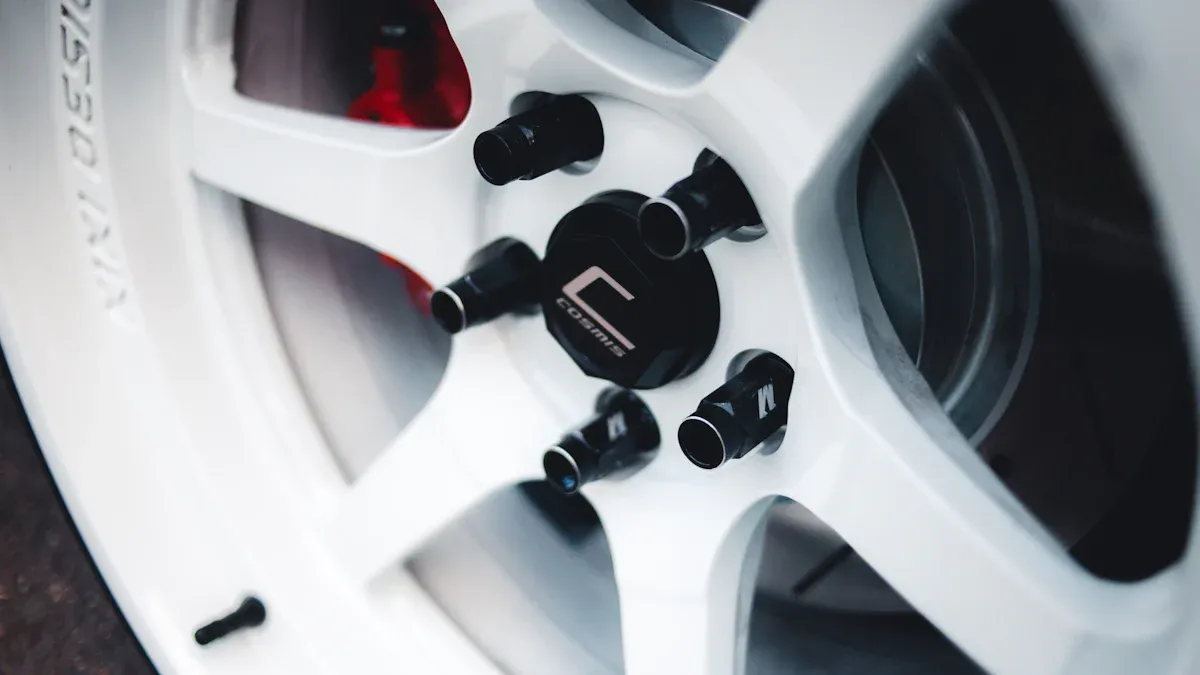
A lug nut wheel lock is a specialized locking lug nut designed to prevent wheel theft. You replace one standard nut on each wheel with a locking wheel nut. These locking lug nuts, also known as anti-theft lug nuts, act as effective wheel locks. Unlike regular nuts, each locking wheel nut requires a unique wheel lock key for removal. This simple wheel lock system makes your wheels a much harder target. The wheel lock key is specific to your locking wheel nut.
📈 Did You Know?
Wheel and tire theft claims are rising. They saw an 18% increase in 2022 alone. This marks a nearly 90% jump since 2020. Using a wheel lock on each locking wheel nut provides essential security. These locking wheel nuts are a strong defense.
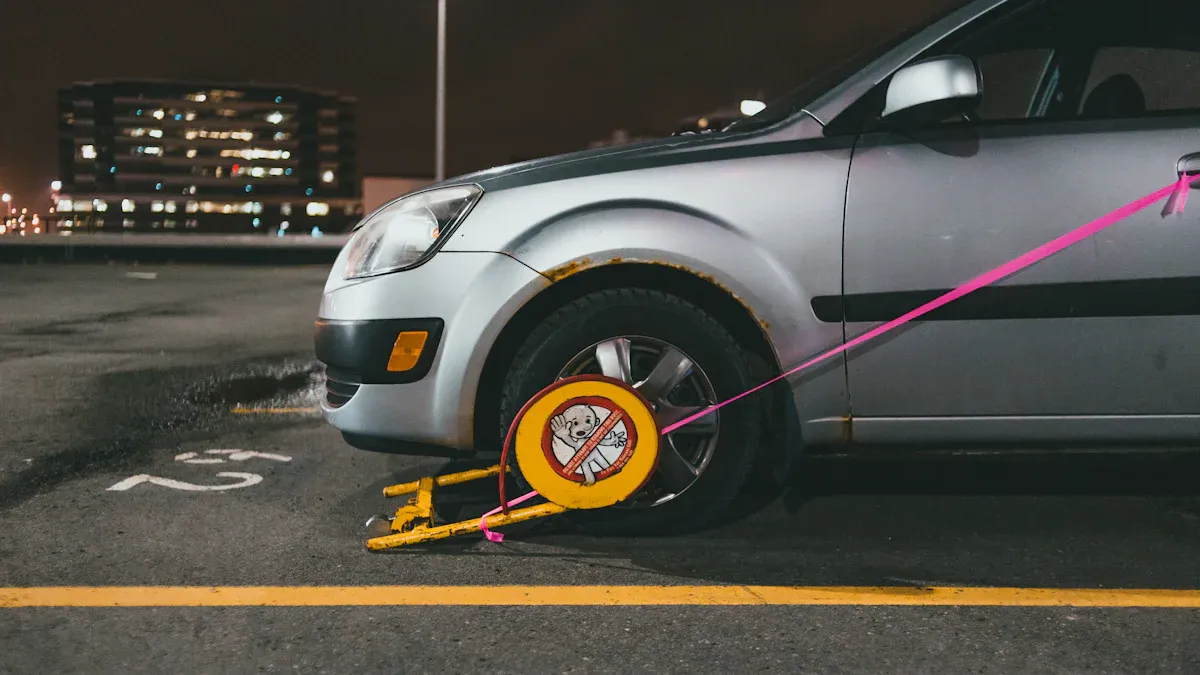
A lug nut wheel lock system adds a crucial layer of security to your vehicle. You simply replace one standard lug nut on each wheel with a special locking wheel nut. This locking wheel nut cannot be removed with a normal wrench. It requires a specific locking wheel nut key that comes with the set. This simple upgrade makes stealing your wheels significantly more difficult for thieves.
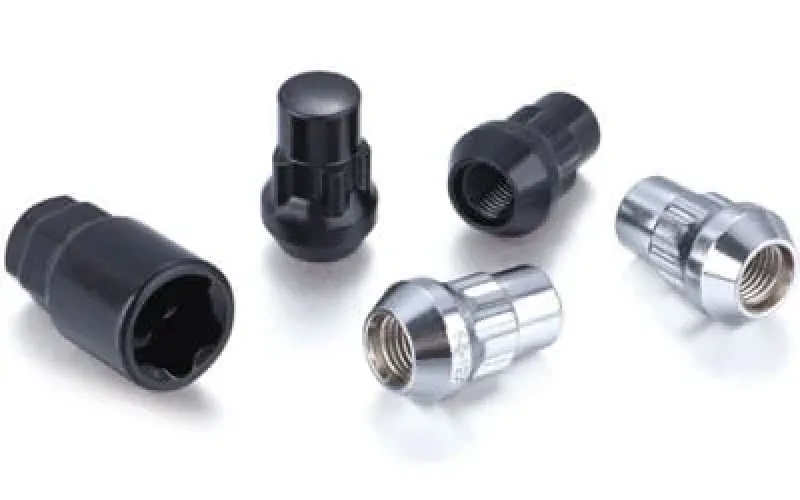
The security of a wheel lock comes from its unique pattern. Manufacturers create a complex, indented design on the head of each locking wheel nut. This design requires a matching socket key for removal. A standard socket will not fit or grip the locking wheel nut. Some brands offer thousands of computer-generated key combinations, ensuring your wheel lock is highly specific.
There are several types of security designs for a locking wheel nut:
Locking lug nuts are a powerful theft deterrent because they disrupt a thief’s main goal: speed. Thieves look for easy targets they can hit quickly. A locking wheel nut forces them to stop and deal with a specialized obstacle. Most opportunistic criminals do not carry the variety of tools needed to defeat a wheel lock. When they see a locking wheel nut, they will often move on to an easier vehicle. Security experts refer to wheel locks as a visible deterrent. They make your car a less appealing target from the start.
Deciding to use locking wheel nuts involves weighing their benefits against their potential drawbacks.
Pros:
Active anti-theft systems, like a wheel lock, are visible deterrents. They warn thieves before a break-in is even attempted. This high deterrent value often translates to noticeable insurance savings.
Cons:
You need to know how to spot and remove your locking wheel nut. This knowledge is essential for routine maintenance like tire rotations or flat tire changes. The process is simple once you understand what to look for and have the correct locking wheel nut key.
Finding the locking wheel nut on your wheel is usually straightforward. Look at the lug nuts on one wheel. One of them will look different from the others. This unique nut is your locking wheel nut. Most standard lug nuts have a hexagonal shape that a normal wrench can grip. A locking wheel nut, however, has a distinct design to prevent this.
Here are some common visual traits of a locking wheel nut:
Some manufacturers also put their brand name on the wheel lock. For example, the brand McGard often roll-marks its name onto the surface of its lug nuts. This marking can help you identify the type of wheel lock you have.
Removing a locking wheel nut is easy with the right tool. You will need your vehicle’s lug wrench and the special locking wheel nut key that came with your lug nut wheel lock set.
📝 Pro Tip: Always keep your locking wheel nut key in a secure, memorable location inside your vehicle, such as the glove compartment or with the spare tire tools. This ensures you have it when you need it.
Follow these steps to safely remove and reinstall your locking wheel nut:
When you are ready to reinstall the wheel, the process is just as important. Proper tightening ensures your safety.

Losing your locking wheel nut key can be stressful. You might realize it is missing during a flat tire emergency or when preparing for routine maintenance. Do not panic. You have several clear options to solve this problem and get your wheels moving again. Your path forward depends on whether you have the key’s identification code.
Your first step is to find the identification code for your specific locking wheel nut key. This unique number is essential for ordering a direct replacement from the manufacturer.
Many people assume this code is in the vehicle’s owner’s manual, but you will likely not find it there. The locking wheel nut key code is almost always included in the original packaging that the wheel lock set came in. This is often a small plastic case or a card. The code is printed on a sticker inside the storage box, not on the key itself. This prevents a thief from simply reading the code off your key.
📝 Important Tip:
When you first install a wheel lock, immediately find the locking wheel nut key code. Write it down and store it in a safe place, like a digital note on your phone or with your important vehicle documents at home. This simple action will save you a major headache later.
Check the common storage spots in your car for the original wheel lock kit:
Finding this code is the easiest and cheapest way to get a new locking wheel nut key.
Once you have searched for the code, you have two main paths: ordering a replacement locking wheel nut key or forcing the removal of the locking wheel nut.
This is the best-case scenario. With the code, getting a new locking wheel nut key is simple. Most manufacturers have a straightforward process on their websites.
After you place the order, the manufacturer will ship a new key directly to you. This is the safest method. It ensures you do not damage your wheel lock or your expensive rims.
If you cannot find the code, you must remove the locking wheel nut by force. You can try this yourself or hire a professional.
⚠️ Warning: DIY removal is risky. We strongly recommend taking your vehicle to a professional tire shop or mechanic. They have the right tools and experience to remove a stubborn wheel lock without damaging your wheel or wheel studs.
If you are in an emergency and must attempt removal yourself, here are some common methods. Be aware of the significant risks involved.
Risks of DIY Removal:
Given these dangers, ordering a replacement locking wheel nut is always the preferred solution over forced removal.
You may wonder if adding a locking wheel nut to each wheel is truly worth the effort. When you compare the small cost of a wheel lock set to the high price of replacing stolen wheels and tires, the answer becomes clear. A locking wheel nut provides significant security for a minimal investment.
The financial case for wheel locks is very strong. A single factory alloy wheel with a tire can cost hundreds, or even thousands, of dollars to replace. In contrast, a quality set of locking wheel nuts is very affordable.
| Type of Wheel Nuts | Cost per Set |
|---|---|
| Standard | Low-cost, often included |
| Locking | $20–$100 |
Beyond the direct cost savings, a wheel lock can also lower your insurance premiums. Many insurance companies offer discounts for vehicles with anti-theft devices. Insurers in 34 states recognize active deterrents, like a visible wheel lock, as qualifying for these discounts. This makes a locking wheel nut an investment that can pay for itself over time.
Thieves look for quick and easy targets. An experienced crew can steal a set of four wheels in less than ten minutes. A locking wheel nut disrupts their process. It forces them to stop, find a special tool, and spend extra time at your vehicle. This added time and effort make your car a much less attractive target. Most opportunistic thieves will simply move on to an easier vehicle.
You can increase your security even further by layering your defenses. Combining a premium wheel lock with other devices creates multiple obstacles. For example, using locking lug nuts alongside a coupler lock forces a thief to defeat two different systems. This layered approach significantly increases the time and noise required for a theft, making it a powerful deterrent. These wheel locks make your vehicle a tough job for any criminal.
So, are locking wheel nuts effective? The answer is a definite yes, but quality matters. Independent tests show a major difference between brands.
🧪 Real-World Test Results
A popular YouTube channel, Project Farm, tested various wheel locks. Inexpensive models were defeated in seconds. However, a high-quality, cone-shaped locking wheel nut resisted almost every removal attempt. The testers only defeated it with a portable welder.
This shows that a well-made lug nut wheel lock provides excellent protection. While no single device is completely foolproof against a determined professional, high-quality anti-theft lug nuts create a formidable barrier. For the peace of mind and security they offer, locking lug nuts are a highly recommended investment. A good locking wheel nut is one of the smartest and most cost-effective upgrades you can make to protect your vehicle.
A lug nut wheel lock is a simple, affordable, and highly effective security upgrade. These locking lug nuts create a significant barrier that helps deter thieves. For the peace of mind they provide, these locking wheel nuts are a recommended investment. Quality wheel locks from brands like Gorilla Automotive and McGard offer superior protection. These wheel locks are a smart choice.
💡 Final Tip:
Always store your locking wheel nut key in a secure, memorable location. A lost locking wheel nut key is a big problem. Your locking wheel nut is important. This locking wheel nut is key. These wheel locks are a must. These locking lug nuts are a must.
No, you only need one locking lug nut per wheel. This single specialized nut is enough to prevent the wheel’s removal. It effectively secures your entire wheel and tire assembly against theft, making it a very efficient security upgrade.
No, wheel locks are not universal. You must match the lock to your vehicle’s specific requirements. This includes the thread size, seat type (cone, ball, or flat), and overall length. You can find this information in your owner’s manual.
⚙️ Pro Tip:
Reputable manufacturers produce wheel locks with precision engineering to fit perfectly. Using the wrong size can damage your wheels or studs, so always confirm the correct specifications for your car.
Most tire shops cannot remove a locking lug nut without your unique key. They do not have a master key that fits all locks. You must remember to bring your key with you anytime your vehicle needs tire or brake service.
Wheel locks are a powerful deterrent. They stop the vast majority of opportunistic thieves who want a quick and easy target. While no device is 100% foolproof, a quality wheel lock makes stealing your wheels significantly harder and more time-consuming.
 Request a quote