 06Apr
06Apr 

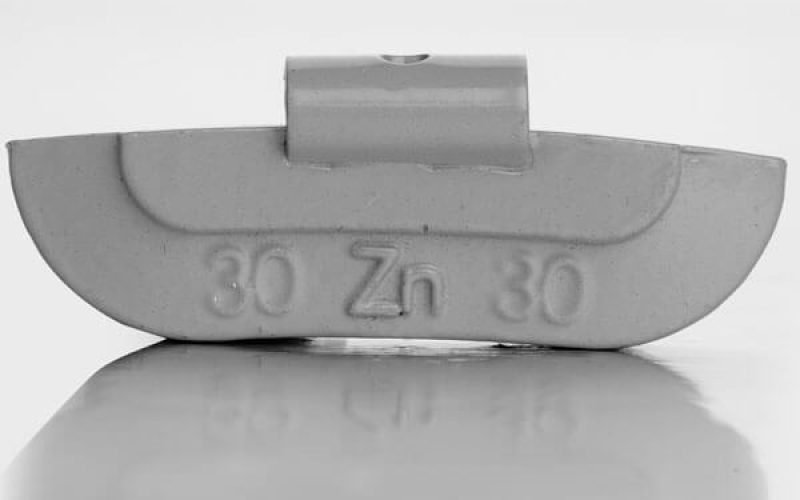
When you see the “fn” mark on a wheel weight, it indicates that the weight is designed for a specific type of wheel rim, commonly seen on Japanese vehicles. This mark helps you choose the right component for your vehicle, ensuring wheel balance and driving safety. You need to pay special attention to these details, especially if your vehicle uses alloy wheels.
Key Takeaways
- FN wheel weights are designed for specific alloy wheels, commonly used on Japanese vehicles.
- Choosing the correct FN weights helps maintain proper tire balance, improving safety and driving performance.
- FN coated weights are available in lead or steel, with protective coatings to resist rust and corrosion.
- Always verify the size and type before installation to prevent wheel damage and ensure a secure fit.
- High-quality options from trusted brands like Fortune offer durability, longevity, and environmentally friendly materials.
What ‘fn’ Means on Wheel Weights
Definition of ‘fn’
When inspecting car wheel counterweights, you might notice the “fn” marking. This marking indicates that the counterweight has a special profile and coating. Manufacturers produce wheel counterweights with an FN coating to help balance the tires. These counterweights are typically made of lead or steel and have a protective coating to prevent rust or corrosion. You can choose different weights, such as 5 grams or 25 grams, depending on the wheel’s requirements. These counterweights are suitable for both alloy and steel wheels, making them versatile and compatible with a wide range of car models.
FN type clamp-on wheel hub counterweights have a unique shape. This shape allows them to be securely mounted to the wheel rim. The steel versions typically feature an environmentally friendly orange powder coating, which is both rust-resistant and aesthetically pleasing. These counterweights are precisely designed to ensure a secure and reliable installation.
Why ‘fn’ Matters
You need to pay special attention to the “fn” marking, as it affects the wheel’s balance. Using the wrong counterweights can cause the tires to rotate unevenly, resulting in vehicle vibration, uneven tire wear, and reduced handling. FN type counterweights are specifically designed for certain wheel rims, especially suitable for Japanese vehicles. Their robust installation ensures stability even on bumpy or rough roads.
Tip: Always check the markings on your wheel rims before installing wheel weights. Correct alignment ensures proper installation and wheel balance.
FN coated wheel weights also protect the rims. This coating prevents scratches and corrosion, extending wheel life. Using weights suitable for your vehicle provides better performance and safety. Choosing the right wheel weights results in a smoother ride and keeps tires in good condition.Types and Materials of Wheel Weights
Clip-On vs. Adhesive Weights
There are two main types of wheel weights available: snap-on and adhesive. Each type is best suited for specific wheels and applications.
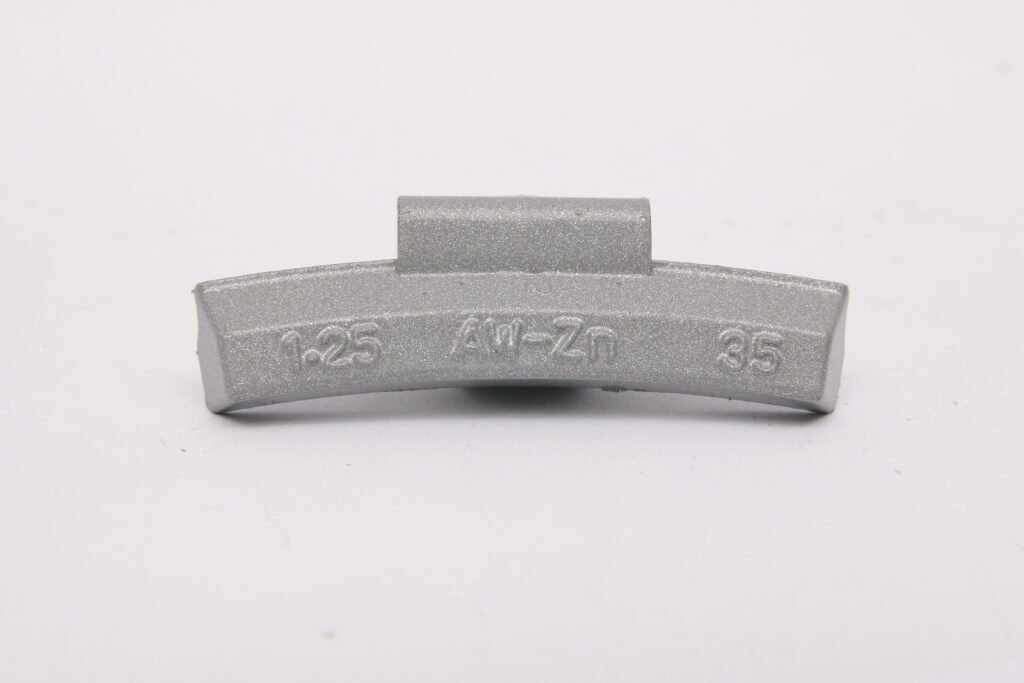
- Snap-on wheel weights are secured to the rim edge with snap-on clips. These weights are commonly found on steel wheels. Their clip-on design makes them easy to install and remove. Tire shops prefer these weights because they are very quick to use.
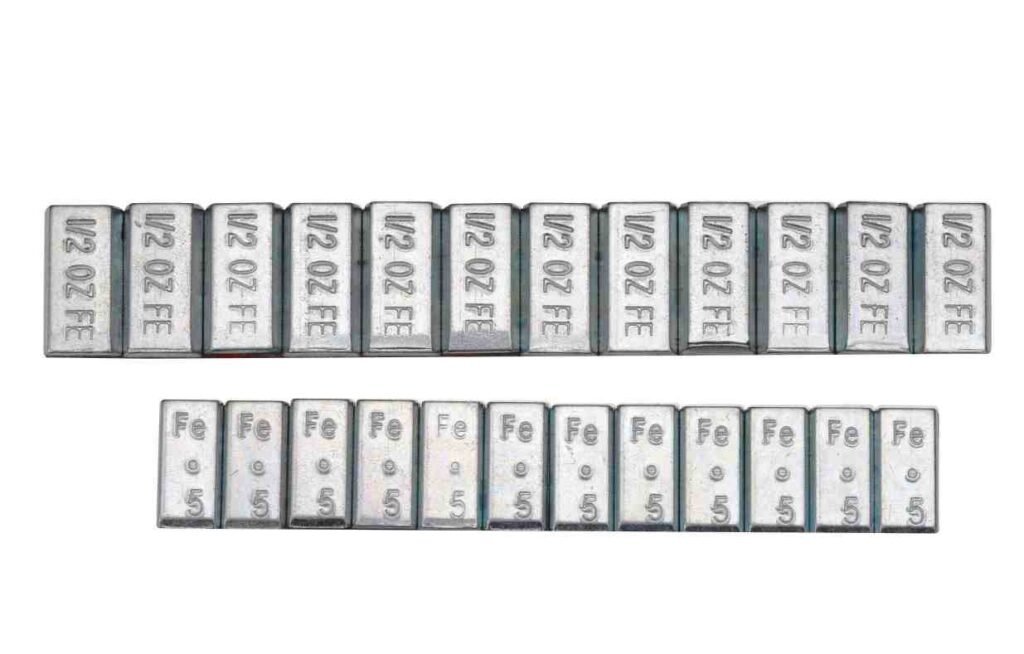
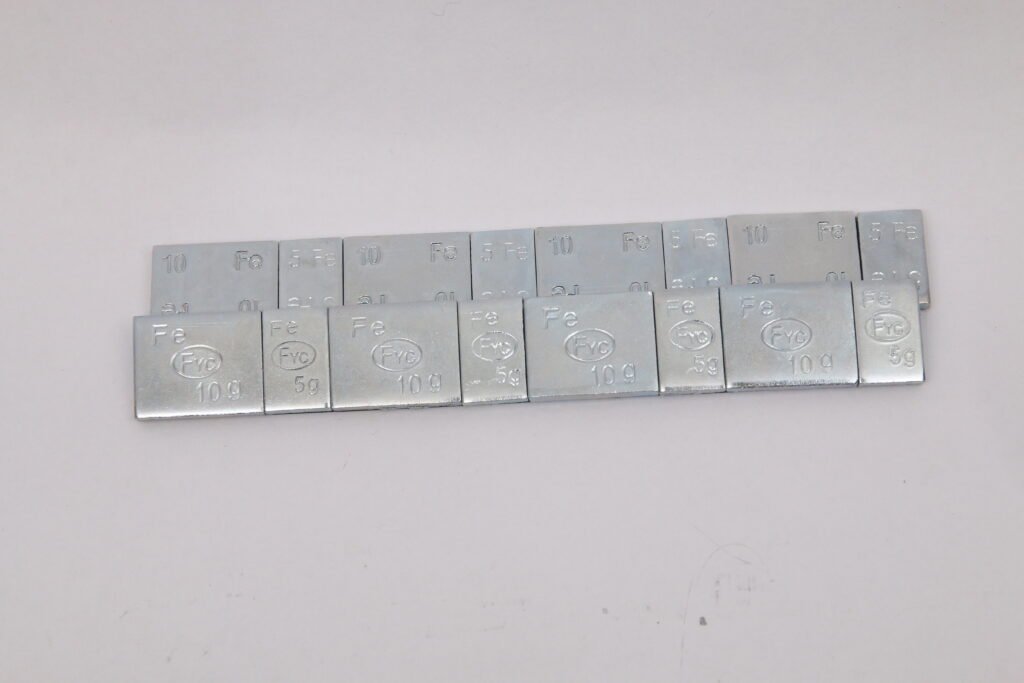
- Adhesive wheel weights are attached to the inside of the rim using strong adhesive. These weights are commonly used on aluminum alloy wheels. They come in both regular and ultra-thin shapes. They fill in dents in the rim without scratching it, making them ideal for many new wheels.Tip: Clean the wheel before you put on adhesive weights. This helps them stick better and stay on longer.
Fortune sells both clip-on and adhesive wheel weights. Whether your vehicle is a sports car, truck, or SUV, you can find the right style for you.
Lead, Zinc, and Steel Options
The wheel counterweights are made of different materials. Each material has its own advantages and meets environmental standards.
| Material Type | Properties | Advantages |
|---|---|---|
| Lead | Heavy and easy to shape | The balance is good, but some states don’t allow it |
| Zinc | Rust-free and lead-free | More environmentally friendly and suitable for various types of wheels |
| Steel | Durable, recyclable, and rust-free | Saves money, is environmentally friendly, and is easy to find |
Some states, such as California and Washington, ban leaded wheel weights. Fortune complies with these regulations and sells zinc and steel weights. Zinc weights provide excellent tire balance and won’t rust. Steel weights are durable and environmentally friendly.
You can trust Fortune to provide you with high-quality wheel weights that not only meet your needs but also comply with environmental regulations.
Identifying ‘fn’ Wheel Weights
Markings and Standards
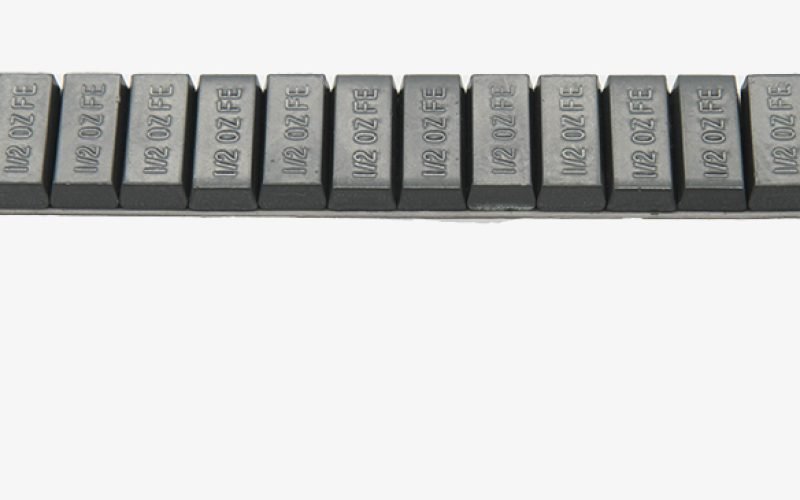
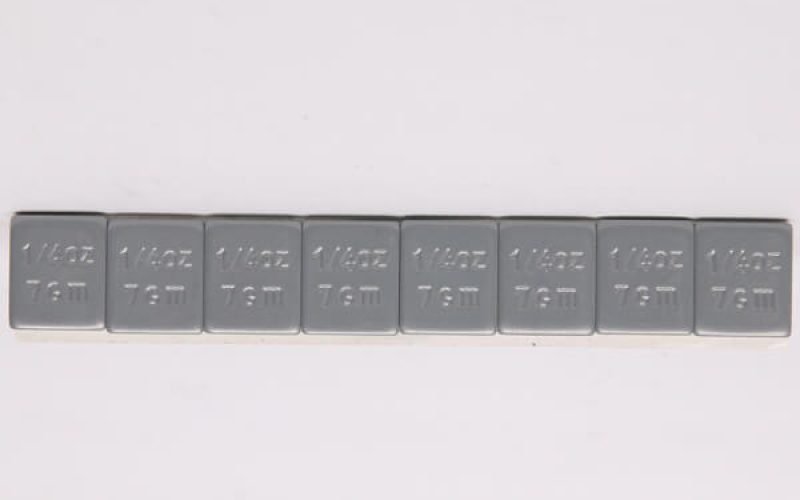
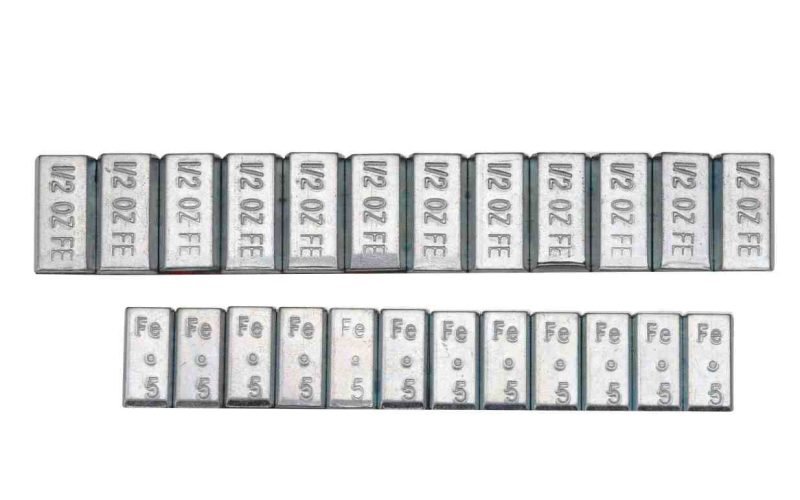
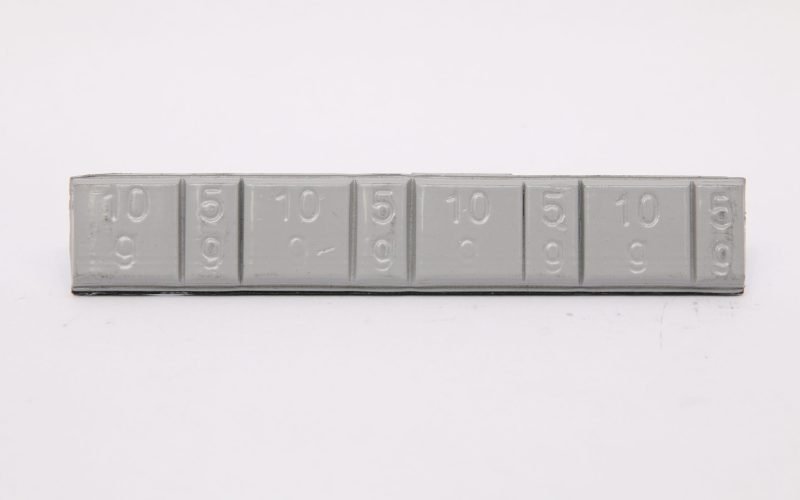
You can identify FN wheel weights by looking for clear markings on the product. Manufacturers will print “fn” directly on the weight. This label indicates that the weight is suitable for a specific rim profile. You should also check other details such as size and material. These markings help you avoid mistakes when choosing accessories for your vehicle.
Many brands follow strict wheel weight standards. They use codes and numbers to indicate weight (in grams). You may also see information about the coating, which prevents rust. Be sure to read these markings before installing the weights. This step ensures the balance and safety of the wheels.
Note: If you see the “fn” mark, it means that the counterweight is designed for certain alloy wheels, especially those of Japanese vehicles.
Compatibility with Alloy Wheels
FN type wheel weights work best when used with specific alloy wheels. You can often see these wheels on Japanese cars like the Toyota Tacoma. The FN type weight’s profile perfectly matches the wheel rim shape, allowing it to snap securely into the wheel. This stable installation prevents the weight from shifting or falling off.
If your vehicle is equipped with alloy wheels of this rim shape, you should use FN type wheel weights. The coating on FN weights protects the rims from scratches while providing a clean look and strong grip. Choosing FN weights helps extend tire life and maintain a smooth ride.
Tip: Always check your rim type before purchasing weights. Using the right weights can prevent damage and improve performance.
Choosing and Using ‘fn’ Wheel Weights
Selecting the Right Weight for Your Vehicle
You certainly want your car to drive smoothly and safely. Choosing the right FN type wheel weights can help you achieve this. First, check your vehicle’s wheel type. Many Japanese cars use alloy wheels that require FN type weights. These weights come in various sizes, such as 5g, 10g, 15g, and up to 50g. Please choose the appropriate size based on your balance needs.
Fortune is committed to earning your trust in their products. The company employs a rigorous quality assurance process. You can see in the table below how they check every detail:
| Quality Control Aspect | Description |
|---|---|
| Weight Measurement | Ensure that each weight meets the correct standards. |
| Coating Inspection | Check the strength and durability of the coating. |
| Initial adhesion tensile test | Test whether the weight initially adheres firmly to the object. |
| Low-Temperature Tensile Test | See if this weight is effective in cold weather. |
| Drop Test | Check whether the weight remains stable after a drop or impact. |
With 30 years of experience, the Fortune team adheres to the principle of “customer first, quality first,” focusing on meeting your needs. Their professional team inspects every batch of products to ensure you receive reliable car wheel balancing.
Tip: If you are unsure, consult a professional or your vehicle’s owner’s manual. This will help you choose the correct size and type of wheels for your vehicle.
Installation Tips
To ensure the FN wheel weights are securely in place and protect the wheel, follow these steps for best results:
- Clean the wheel surface before starting.
- Select the appropriate clip type for your wheel. Alloy and steel wheels require different clips.
- Gently press the weight into place. Do not apply excessive force.
- Check that the weights are securely in place and do not move.
Here are some common mistakes you should avoid:
- Choosing the wrong clips can cause the counterweights to fall off or damage the rim.
- Forcing an unsuitable clip can scratch or bend the rim.
- Using clips that don’t match the rim type can lead to poor balance.
Note: If you have any questions, be sure to read the product guide or consult a tire expert. This will ensure the safety of your rims and make your driving smoother.
Now you know that the “fn” on wheel weights indicates that they are suitable for specific alloy wheels. These wheels are commonly found on Japanese cars. Choosing the right wheel weights helps maintain vehicle balance and can also improve vehicle safety and performance. Reputable brands like Fortune can deliver exceptional results.
- Fortune uses rigorous testing and intelligent tools to inspect its wheel weights, ensuring longer lifespan and better performance.
- Lighter FN wheel weights help reduce fuel consumption and slow tire wear.
- Trustworthy companies like Fortune ensure the high quality of their products, guaranteeing smoother operation for your vehicle.
Tip: Always purchase wheel weights from reputable brands; this not only protects your wheels but also improves driving safety.
FAQ
What does ‘fn’ mean on wheel weights?
“FN” indicates that the counterweight is suitable for a specific rim shape, commonly found on Japanese alloy wheels. You can look for this marking when searching for suitable counterweights for your vehicle.
Can I use FN wheel weights on any vehicle?
FN wheel weights should only be used if your wheels conform to FN specifications. Most Japanese alloy wheels require this type of weight. Always check the wheel shape before purchasing.
How do I know which size FN wheel weight to choose?
The dimensions of the counterweights will be marked. Choose the size that suits your balance needs. If you are unsure, consult a tire expert or your vehicle’s manual.
Are Fortune FN wheel weights safe for the environment?
Fortune offers zinc and steel FN wheel weights. These materials meet environmental standards. By choosing lead-free products, you are contributing to the protection of the natural environment.

 Request a quote