 27Mar
27Mar 

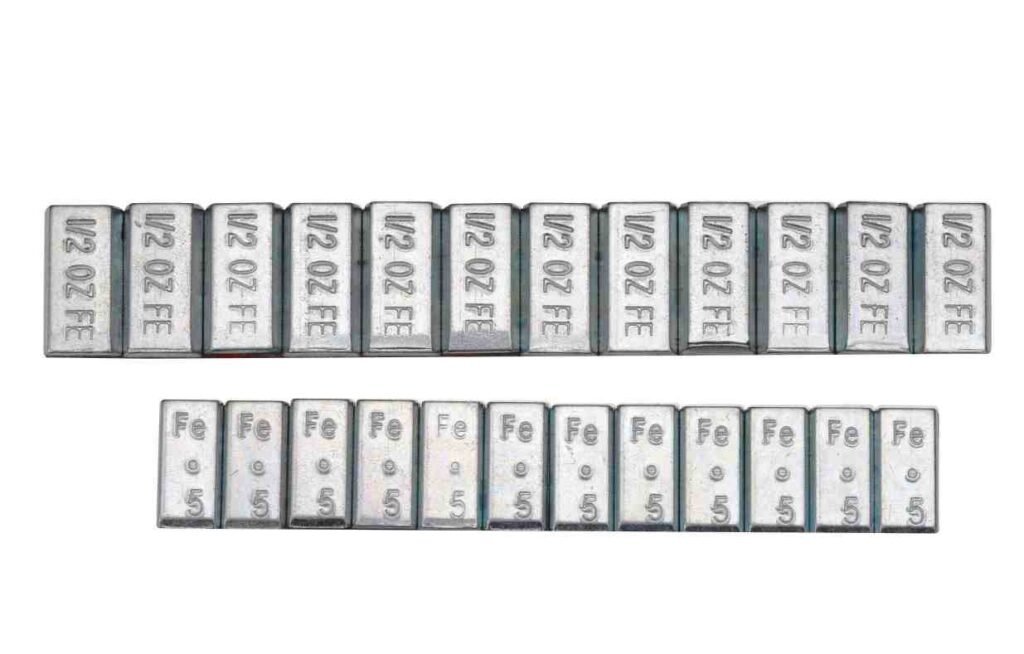
Besides lead wheel weights, you have many other options. These include steel, zinc, composites, tungsten, tape weights, high-density polymers, Dyna Beads, and tin. Many states now ban lead wheel weights because lead pollutes soil and water, and harms human health, especially children. People are now opting for safer materials such as zinc and composites. These materials are strong, durable, lightweight, and rust-resistant. Automakers are using these new materials both to comply with laws and regulations and to protect the environment.
Key Takeaways
- To protect your health and the environment, choose lead-free wheel weights such as steel or zinc.
- Using zinc weights helps prevent lead contamination, keeping soil and water clean.
- Tape-type weights are ideal for alloy wheels and won’t scratch the wheel surface.
- Dyna Beads automatically balance tires for a smoother ride and extended tire life.
- Always clean the wheel rim before installing weights to ensure a firm adhesion and extend their lifespan.
Why Switch from Lead Wheel Weights?
Environmental Impact
Lead wheel counterweights from cars and trucks can detach. Once detached, they break into small pieces and scatter across the road. Rain and wind can carry these tiny fragments into the soil and air, posing a danger to people and animals nearby.
There are many reasons why lead wheel counterweights detach. After detaching, they eventually enter the environment. Vehicles driving over these counterweights crush them into powder. This powder enters the air and soil. People, especially children, may be exposed to lead as a result.
Lead is a harmful metal. It doesn’t disappear but persists in the environment for a long time. Dust and grime in cities and busy roads may contain higher levels of lead.
The detachment of lead wheel counterweights increases the lead content in urban dust. This can be very dangerous for people who live or play there.
Health and Safety
Lead is harmful to health. Even small amounts of lead can cause health problems. Children and pregnant women are at higher risk.
- Exposure to or inhalation of lead dust can cause illness.
- Children and pregnant women are more susceptible to injury.
- Lead can damage the brain and stunt growth and development.
If you work in the automotive industry, you may inhale or be exposed to lead dust. This can happen, for example, when handling old wheel rim counterweights or cleaning around tires.
- You may inhale or ingest lead dust from the road. This poses a risk to both children and adults.
- Even low levels of lead in the blood can damage the brain and heart.
- Children with high levels of lead in their bodies may experience problems such as difficulty learning and concentrating.
- Lead can also damage the nerves, heart, kidneys, and blood.
Legal Regulations
Many regions have regulations regarding lead wheel weights. Some countries have banned their use. Others encourage people to choose safer alternatives.
| Region | Regulation Status |
|---|---|
| European Union | According to the End-of-Life Vehicles Directive, their use has been prohibited since 2005. |
| United States | The federal government has not banned it; states such as California and New York have banned its use. |
| Canada | Voluntary phase-out; major retailers no longer sell lead blocks. |
| Japan & South Korea | The use of lead-free alternatives is strongly encouraged. |
Using non-lead wheel weights helps you comply with regulations and also ensures your safety and the environment.
Types of Non-Lead Wheel Weights
Steel Weights
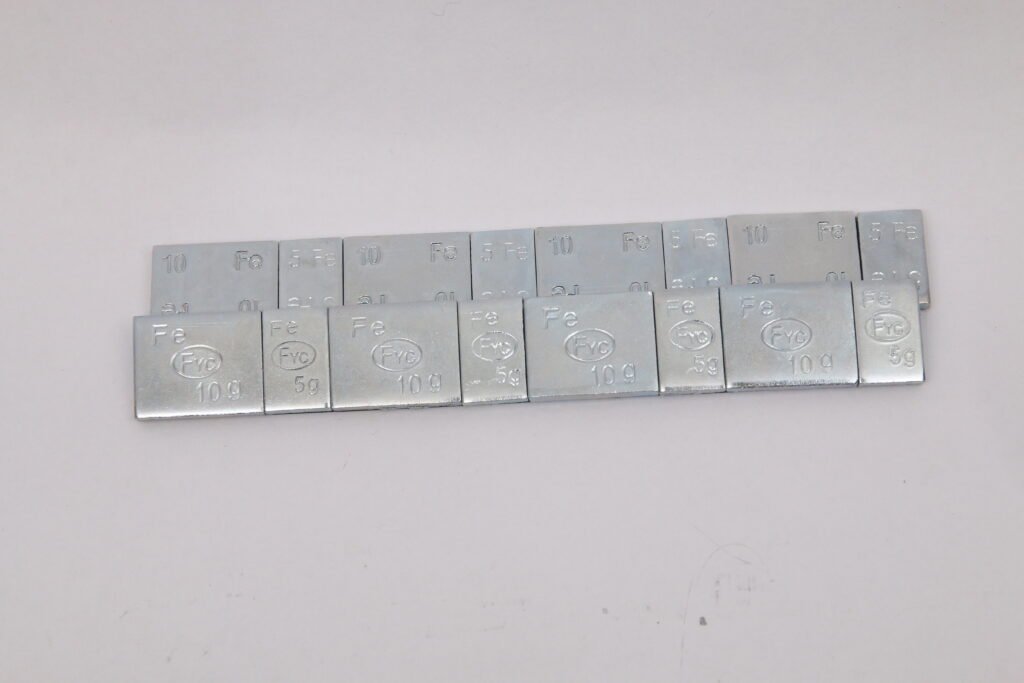
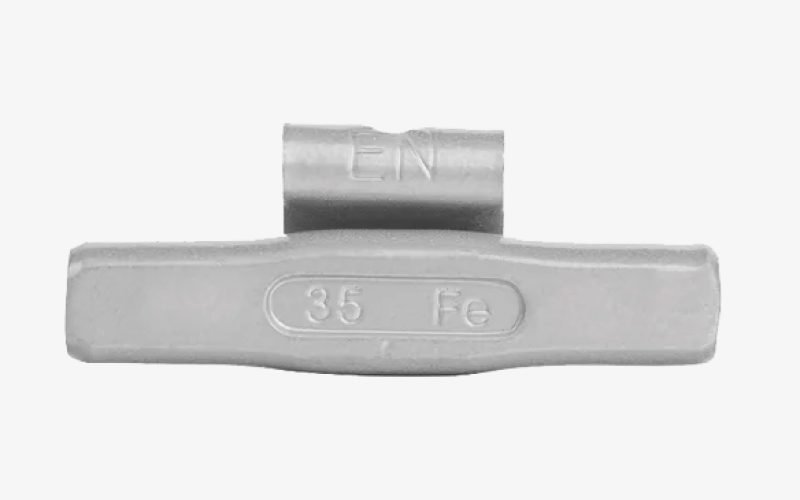
Steel wheel weights are commonly used to balance tires. They are made of high-strength steel, making them durable. Many people choose steel weights because they are inexpensive and recyclable. Steel wheel weights help maintain tire balance, resulting in a smoother ride. They are not only aesthetically pleasing but also prevent damage to the wheel rim. Steel without a coating may rust, but many brands add a coating to protect the steel.
Steel wheel weights are environmentally friendly, helping to reduce pollution. If properly maintained, they can last a long time.
Zinc Weights
Zinc wheel weights are another good option. Zinc doesn’t rust, so it maintains a longer lifespan even in harsh weather. Using zinc weights effectively prevents lead contamination, protecting people’s health. Many car manufacturers now use zinc weights because they comply with new regulations and are environmentally friendly. Zinc weights, even after detaching from a car, do not pollute soil or water sources.
Composite and Polymer Weights
Composite and polymer wheel weights are made from special plastics or high-density polymers. These weights are lightweight and rust-resistant. They are suitable for various types of wheels, such as alloy wheels or custom wheels. Composite weights help prevent metal from rusting and are environmentally friendly.
| Material | Main Characteristics | Effect on Vehicle Performance and Environment |
|---|---|---|
| Lead | High density, effective for balancing | It has good balance, but it is not safe for the environment |
| Zinc | Lighter, moderate density | A proper balance is safer for the environment |
| Steel | Durable, corrosion-resistant | Good balance, environmentally friendly |
Tungsten Weights
Tungsten alloy wheel weights are small in size but very heavy. This means you can achieve the same balance effect as larger weights with smaller ones. Tungsten alloy weights are used in racing cars and high-performance vehicles. Their high density allows you to precisely place the weight where needed. This helps improve vehicle handling, especially at high speeds.
Tungsten alloy wheel weights offer excellent balance and handling. They are the best choice for drivers seeking ultimate performance.
Tin Weights
Tin wheel weights are a new type of weighting material. Tin doesn’t rust and is environmentally friendly. If you want a non-toxic and rust-resistant weight, tin weights are a good choice. Many states prefer tin over lead because tin doesn’t pollute the environment.
- Tin wheel weights are lightweight and easy to install.
- They are durable and won’t harm the planet.
Adhesive Tape Weights
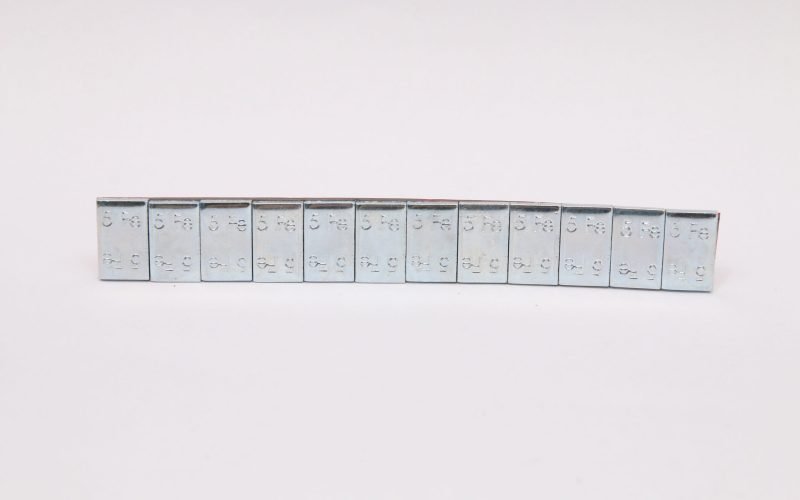
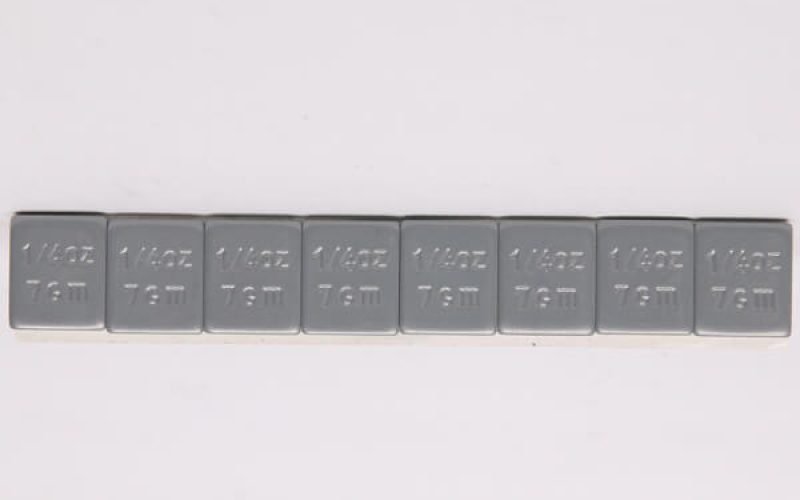
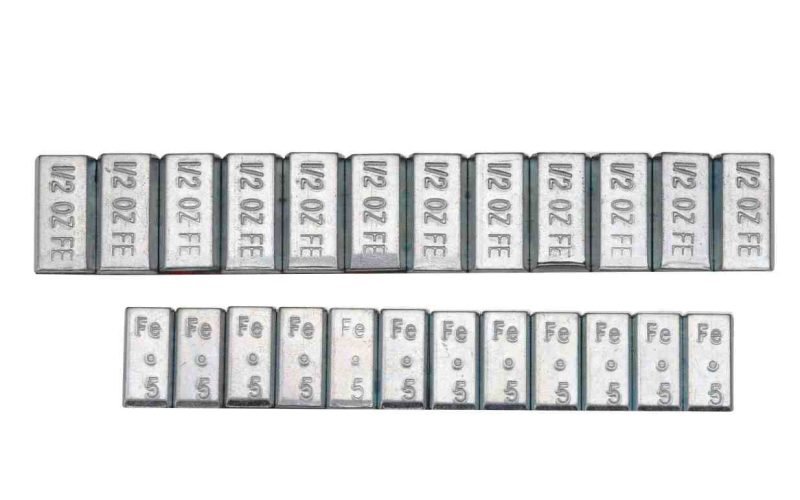
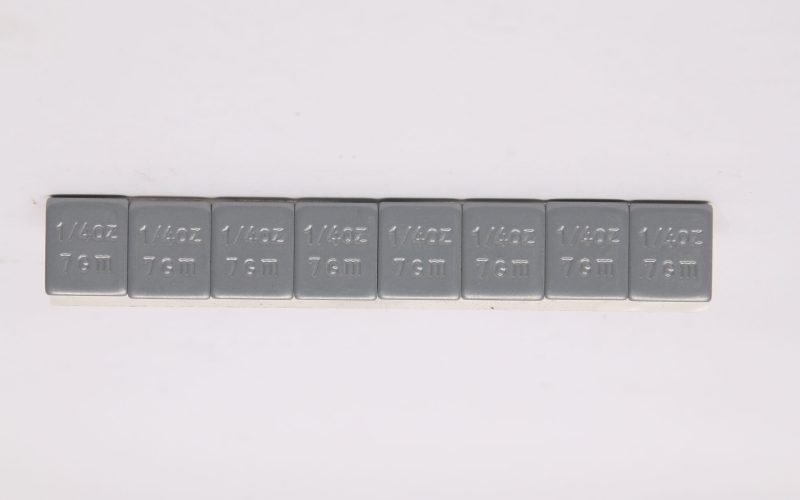
Tape-type wheel balance weights can be directly attached to the inside of the wheel rim without clips or flanges. These weights are suitable for alloy wheels as they won’t scratch the rim surface. You can choose different colors or coatings to make them look more aesthetically pleasing.
| Feature | Adhesive Tape Wheel Weights | Clip-On Weights |
|---|---|---|
| Bonding | Strong adhesive tape | Clips onto rim |
| Vibration Reduction | Reduces vibrations | Less vibration reduction |
| Compatibility | Works on most wheels | Needs a flange |
| Aesthetic Benefits | Many color options | Fewer options |
To install tape-type wheel balance weights, please follow these steps:
- Place the wheel on the balancer.
- Locate the area where you need to add weight.
- Select a weight of appropriate size.
- Clean the wheel.
- Attach the weight to the wheel.
- Press firmly to ensure it adheres securely.
- Check the balance again.
Dyna Beads
Dyna Beads are tiny ceramic beads installed inside tires. As you drive, these beads move on their own and balance the wheel. Many people report that Dyna Beads make driving smoother and extend tire life. Because the beads move with every drive, you don’t need to balance your tires frequently.
| Aspect | Dyna Beads | Lead Wheel Weights |
|---|---|---|
| Effectiveness | Balances every drive | Balanced once |
| Safety | 100% safe, no toxins | Can be hazardous |
| Tire Life | Extends tire life by 20-30% | Standard tire life |
| Weight Limitations | No limit | Limited by tire size |
If you want a simple and environmentally friendly way to balance your tires, Dyna Beads is a good option.
Fortune Wheel Weights Overview
Product Range
Fortune offers a variety of wheel weights suitable for different car models. You can choose between snap-on or adhesive weights. Snap-on weights easily attach to the rim, making installation and removal very convenient. Adhesive weights are attached to the inside of the wheel hub. Adhesive weights are especially suitable for alloy wheels because they keep the hub surface smooth and prevent scratches. Fortune manufactures wheel weights for cars, trucks, and SUVs. If you are a car enthusiast or enjoy DIY car repair, you’re sure to find a Fortune wheel weight that suits your needs.
Material Options
Fortune offers a variety of materials to choose from to meet your needs and local regulations. You can choose lead, zinc, or steel wheel weights. Each material has its own advantages and environmental impact. The table below lists the differences between these materials:
| Material | Environmental Concerns | Benefits |
|---|---|---|
| Lead | Serious health risks and environmental regulations | High density but increasing restrictions |
| Zinc | Lower environmental risk | An environmentally friendly alternative, lighter than lead |
| Steel | Reduce environmental impact | Durable, corrosion-resistant, and in line with sustainable development trends |
If you want to protect the planet and follow the rules, zinc and steel are good choices. These materials can reduce pollution and help you comply with laws in many places.
Key Features
Fortune wheel weights are renowned for their robustness and durability. They undergo rigorous testing, such as salt spray testing, to ensure they won’t rust. Fortune is ISO 9001 certified, guaranteeing quality. These weights are suitable for a variety of wheels and function properly even in harsh weather conditions. Fortune wheel weights are durable, easy to use, and reliable. Many automotive experts and enthusiasts choose Fortune because the company has over 25 years of experience and always puts its customers first.
Tip: Choosing Fortune wheel weights not only balances your tires and improves driving safety, but also helps contribute to environmental protection.
Comparing Wheel Weight Alternatives
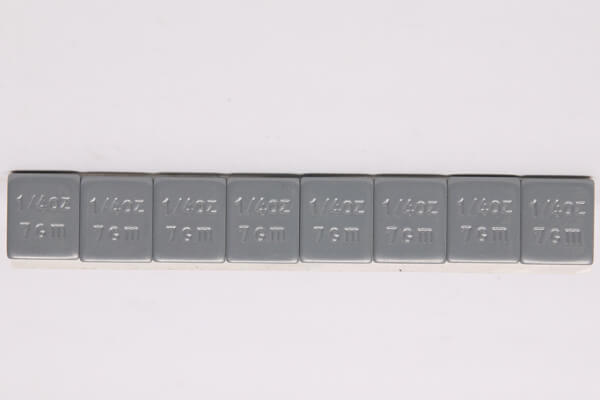
You want to know about the comparison of different tire weights. This section will help you understand the main differences. Please use this guide to choose the best tires for your car.
| Material | Accuracy | Cost | Corrosion Resistance | Environmental Impact |
|---|---|---|---|---|
| Steel | High | Low | Moderate (with coating) | Low, recyclable |
| Zinc | High | Medium | High | Low, safe for earth |
| Composite | High | High | High | Very low, non-toxic |
| Tungsten | Very High | Very High | High | Low, rare material |
| Tin | Medium | Medium | High | Low, non-toxic |
| Adhesive Tape | High | Medium-High | High | Depends on material |
| Dyna Beads | High | Medium-High | High | Very low, reusable |
Performance
To ensure a smooth ride, maintaining wheel balance is crucial. Steel, zinc, and composite wheel weights all offer good balance accuracy. Tungsten wheel weights, with their high density, are best suited for racing or high-speed vehicles. Dynamic balance beads move within the tire, maintaining balance with every drive. Belt-type weights are suitable for most vehicles and help keep wheels clean.
Tip: For everyday driving, steel or zinc wheel weights provide reliable performance.
Cost
You might want to know the prices of various counterweights. Here are some examples:
- Steel counterweights are the cheapest and suitable for most budgets.
- Zinc counterweights are slightly more expensive but have a longer lifespan.
- Composite and tungsten counterweights are the most expensive.
- Tape-type counterweights, such as the 3M 3M-61403 roll counterweight, can cost over $350, but they are time-saving, labor-saving, and compliant with regulations.
- Dyna Beads counterweights have a higher initial investment but a long lifespan.
You can choose based on your budget and tire-changing frequency.
Corrosion Resistance
You need to choose wheel weights that won’t rust. Zinc alloy, composite, and tape-type weights all offer good rust resistance. Steel weights require special coatings to prevent rusting. Tin and tungsten also have rust-resistant properties. If you live in a rainy or snowy area, choose rust-resistant weights.
Environmental Friendliness
Choosing lead-free wheel weights is contributing to protecting our planet. Steel wheel weights are easy to recycle and do not cause pollution. Zinc wheel weights reduce the risk of lead exposure and help keep soil and water clean. Composite materials and Dyna Beads weights are non-toxic, harmless, and environmentally friendly. Lead wheel weights are harmful to the environment and are not a wise choice.
Choose lead-free wheel weights to protect you and your family’s safety, and to safeguard the environment.
Choosing the Right Wheel Weights
Vehicle Type
You need to select the appropriate wheel counterweights based on your vehicle. The needs differ for cars, trucks, and SUVs. Some vehicles use snap-on counterweights, while others use adhesive counterweights. You should check the material of the counterweights. Steel and zinc are suitable for most vehicles. Adhesive counterweights are suitable for alloy wheels and will not scratch them. You must consider the size and shape of the wheel. Larger wheels may require wider tape or heavier counterweights. Always clean the wheel surface before installing the counterweights. Dirt and grease can affect the adhesion of the counterweights.
Tip: Before adding new counterweights, check the wheel for damage.
Budget
Your budget will influence how you choose wheel weights. High-end brands are more expensive but have a longer lifespan. Mid-range brands strike a balance between price and performance. Specialized wheels for racing or off-road use may require specialized weights. You can also find affordable yet high-performance weights.
| Brand Type | Price Range | Performance Level |
|---|---|---|
| Premium | $1,500–$4,000+ | Superior |
| Mid-range | $200–$600 | Good |
| Specialized | Varies | Application-specific |
You should choose a weight that matches your budget and driving needs.
Environmental Priorities
By choosing lead-free wheel weights, you’re contributing to protecting our planet. Steel and zinc have a smaller environmental impact. Lead poses health risks and has been banned in many places. Zinc is lighter and doesn’t pollute soil or water. Steel is corrosion-resistant and easily recyclable.
If you want to protect the environment and comply with local laws, choose zinc or steel weights.
Installation and Availability
Replacing your wheel weights with lead-free ones may present some challenges. Zinc and steel have different densities, and the installation method may need to be modified. Some weights are more expensive and require specialized tools. You should consult your local repair shop to see if they have the type you need. Before installing adhesive weights, be sure to clean and dry the wheel rim. Inspect the wheel rim for damage or unevenness.
- Clean the wheel rim surface with a mild detergent.
- Dry it thoroughly.
- Inspect the wheel rim for any damage.
Proper installation helps extend the life of your wheel weights and maintain a smooth ride.
Besides lead-based wheel weights, there are many other options. Steel, zinc, composite, tungsten, tin, tape-type, and Dyna Beads wheel weights each have their advantages. These options help protect your health while also protecting the environment.
- Choose wheel weights that suit your vehicle and budget.
- If you need help, consult an expert.
Fortune manufactures robust and durable wheel weights to help your vehicle drive safely and maintain balance.
FAQ
What are the main benefits of non-lead wheel weights?
Using lead-free wheel weights protects both your health and the environment. These weights do not pollute soil or water. Furthermore, you can comply with local regulations, maintain vehicle balance, and achieve a smoother driving experience.
Can you install wheel weights at home?
Yes, you can install wheel weights yourself. For best results, it is recommended to use a wheel balancer. Always clean your wheels before installing the weights. If you are unsure how to do this, consult a professional.
How do you know which wheel weight to choose?
Please check your vehicle model, wheel material, and local regulations. Steel and zinc weights are suitable for most vehicles. Adhesive weights are suitable for alloy wheels. If you have any questions, consult a tire shop.
Are Fortune Wheel Weights safe for all vehicles?
Yes, Fortune wheel weights are suitable for a wide range of cars, trucks, and SUVs. You can choose between snap-on or adhesive weights. Fortune conducts safety and quality tests on every product.
 Request a quote