 24Mar
24Mar 

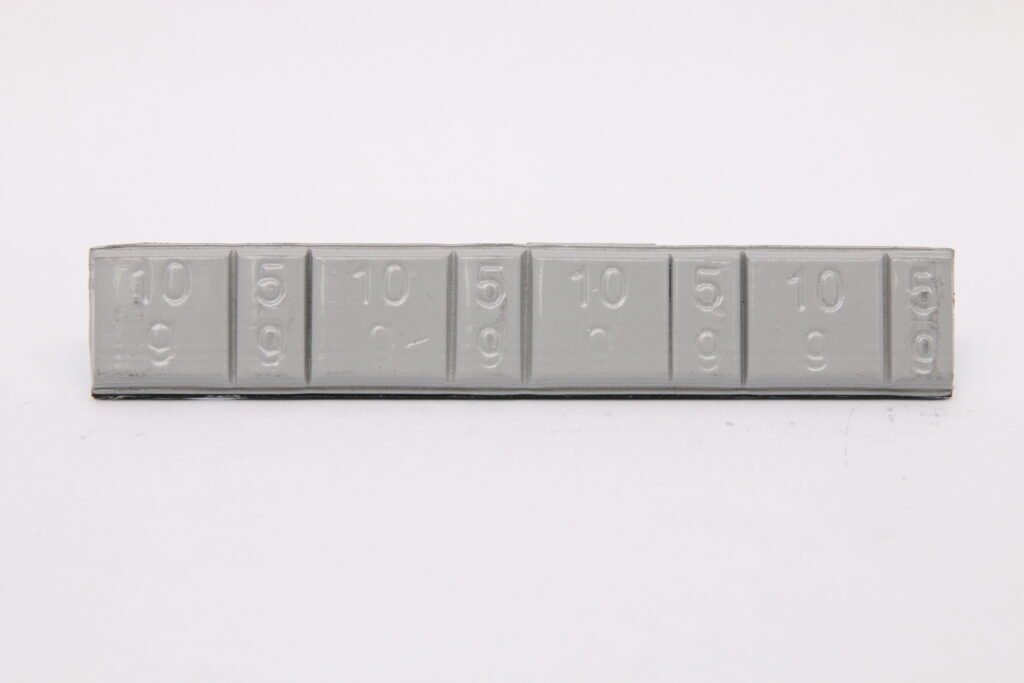
Currently, the average buyback price for lead wheel weights is approximately $0.15 per pound. This price fluctuates based on regional differences, the type of buyer, and variations in the material itself. Buyback rates are higher in some regions, while in others, they are relatively lower. Fortune produces both lead and lead-free wheel weights; consequently, their value—as well as the legality of trading them—may vary depending on local laws and regulations. Many individuals have discovered that selling or recycling wheel weights can serve as a source of supplemental income.
Key Takeaways
- Lead wheel weights typically sell for approximately $0.10 to $0.15 per pound. Pure lead commands a higher price, reaching up to $0.55 per pound.
- Sorting and cleaning wheel weights by material can help sellers secure better prices. Scrap yards and buyers are often willing to pay a premium for weights that have already been sorted.
- Local laws and regulations may affect how you sell lead wheel weights. To protect the environment, some states have explicitly banned the use of such products. Therefore, before selling, be sure to consult and verify the relevant local regulations.
- Market prices for wheel weights are subject to significant fluctuation. It is advisable to check local scrap metal prices and compare quotes from different buyers before selling in order to maximize your earnings.
- You can sell wheel weights to scrap yards, local buyers, or through online marketplaces. Different purchasing channels often offer varying rates; typically, weights that have been cleaned and sorted command the best prices.
Factors Affecting Wheel Weights Value
Lead Content and Purity
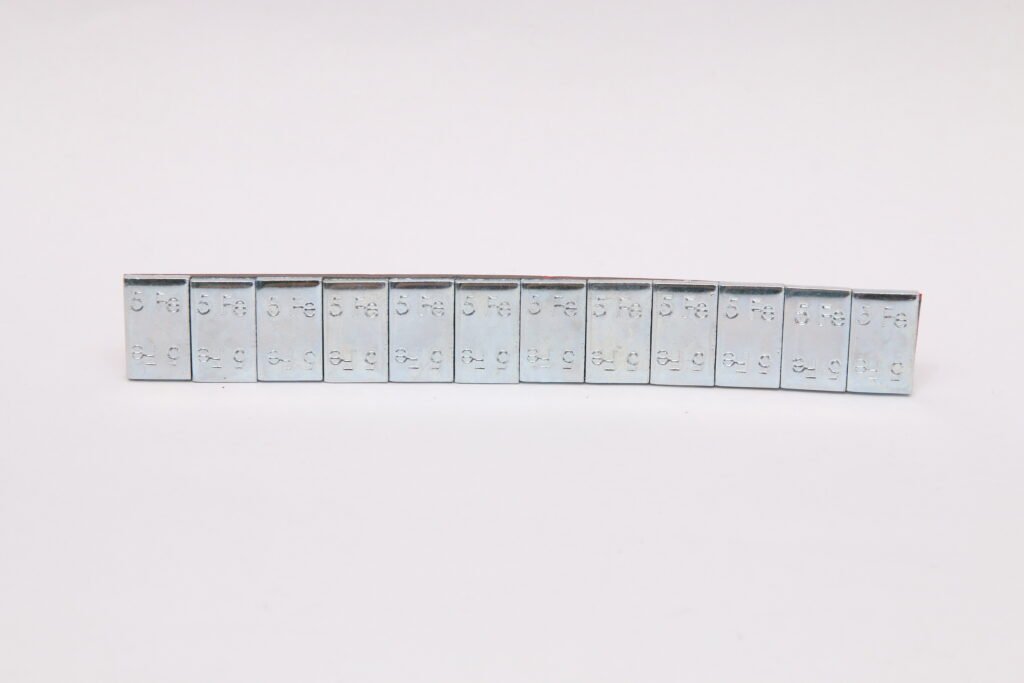
The value of a counterweight depends on its material composition. Lead counterweights have remained popular for many years due to lead’s high density and ease of molding. Fortune Company offers counterweights made from lead, zinc, and steel. Typically, lead counterweights command a higher price than those made of zinc or steel—provided, however, that the lead blocks are clean and of high purity. Scrap yards are willing to pay a premium for clean lead because it possesses a low melting point and contains minimal impurities. Pure lead can fetch a price of $0.50 to $0.55 per pound, whereas lead counterweights typically sell for between $0.10 and $0.15 per pound. Zinc and steel counterweights tend to hold a lower value, as they are less dense and present greater challenges during the recycling process.
Tip: Classifying wheel balance weights by material helps sellers secure the best possible prices. Clean, sorted lead weights typically command a higher value than mixed or soiled weights.
Scrap Market Prices
Scrap metal prices fluctuate frequently. The value of wheel balance weights depends on current spot market rates for metals such as lead, zinc, and steel. Sellers should consult the latest pricing information before making a sale. The table below lists recent recycling prices for various types of scrap materials:
| Scrap Material Type | Price Range (per pound) |
|---|---|
| Clean Lead | $0.50 – $0.55 |
| Lead Wheel Weights | $0.10 – $0.15 |
| Lead-Acid Batteries | $0.15 – $0.22 |
Steel wheel weights do not have a listed price, but cast iron scrap sells for about $180.00 per gross ton. Zinc wheel weights typically sell for less than lead wheel weights.
Condition and Contamination
The condition of wheel weights significantly impacts their value. Weights that are clean—with minimal dirt or rust—typically command a higher price. If weights are mixed with other materials, such as rubber or clips, their buyback price may be relatively lower. Scrap yards often offer reduced rates for dirty or contaminated weights, as they incur additional labor and resource costs to clean them. The Fortune brand offers both clip-on and adhesive-style wheel weights. Among these, clip-on weights may contain a higher proportion of attached metal clips, whereas adhesive weights generally tend to remain in a cleaner state. Sorting and cleaning wheel weights prior to sale can help sellers maximize their earnings.
- Regional price disparities can also influence the value of goods. Certain states—such as California, Minnesota, and Illinois—have banned the use of lead-based wheel weights. These bans serve to protect the environment by preventing lead from leaching into the soil and water supply. In these states, sellers are legally prohibited from selling or using lead-based weights. California’s ban was enacted because lead-based weights release approximately 500,000 pounds of lead into the environment annually. Other states have since followed suit, thereby reshaping the market landscape for lead-based weights.
- Environmental regulations play a pivotal role in the resale and recycling of used goods. Nowadays, many buyers show a preference for lead-free counterweights—such as those made from zinc or steel. The lead-free counterweight options offered by Fortune Company fully comply with all relevant environmental regulatory requirements. Consequently, sellers must consult and verify local laws and regulations prior to selling or recycling counterweights.
How to Accurately Assess the Value of Your Lead Wheel Weights
Weighing and Sorting
Weighing and sorting wheel weights helps sellers maximize their revenue. First, use an electronic scale to determine the total weight of the wheel weights. Subsequently, sort them according to their type. Fortune Company manufactures two primary types of wheel weights: clip-on and adhesive. Adhesive weights are generally neater in appearance and do not cause damage to the wheel rims; this helps preserve the value of both the weights themselves and the rims. In contrast, clip-on weights are better suited for use with steel rims; when used on alloy rims, they may cause surface scratches or corrosion. Storing these two types of weights separately not only improves operational efficiency but also enhances convenience for tire repair shops.
Tip: Clean and sorted wheel weights can usually fetch a good price at scrap yards.
Checking Local Prices
Local scrap prices fluctuate daily. Sellers should check current rates before selling. Here are some practical tips:
- Closely monitor daily market fluctuations.
- Utilize real-time pricing data provided by recycling centers.
- Establish strong relationships with local scrap yards to secure more favorable rates.
- Check real-time prices on Scrap Register and Scrap Monster.
- Contact various buyers to compare quotes, as offers may vary among different purchasers.
Scrap yards determine prices based on material quality, demand, and market rates.
Identifying Lead vs. Non-Lead Weights
Distinguishing between lead and non-lead wheel weights is crucial for effective inventory management and safety assurance. Lead weights are relatively soft in texture; applying pressure with a pair of pliers will easily leave an indentation. Zinc weights typically bear the letter “Z” and do not readily show compression marks. Steel weights are significantly harder and, unlike their lead counterparts, will neither bend nor retain indentations.
Given the risks that lead wheel weights pose to human health and the environment, many regions have banned the use of such products. Sellers must consult local laws and regulations before selling or recycling these items.
Selling Wheel Weights
Scrap Yards and Local Buyers
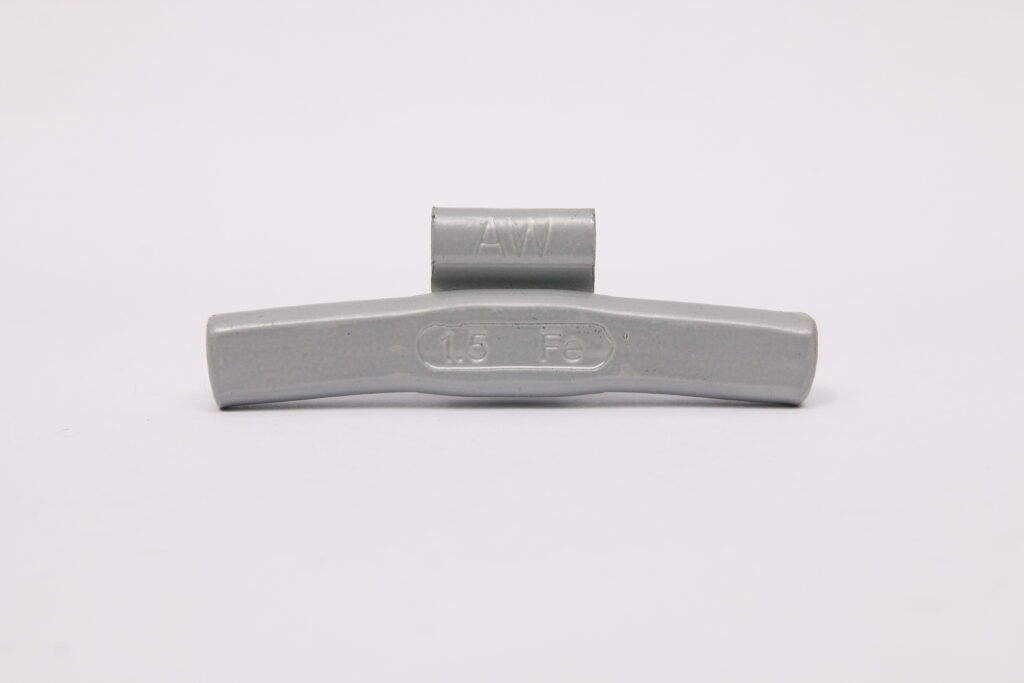
Many people sell wheel balance weights to scrap yards or local buyers. Scrap yards purchase used balance weights for cash; prices vary depending on the region and market demand. Local buyers are typically auto repair shops or metal recyclers. The Fortune brand is renowned for producing high-quality products, which helps sellers attract the attention of more professionals and automotive enthusiasts. Clean and neatly sorted balance weights typically command higher prices.
Online and Specialty Markets
Online marketplaces offer sellers a wider range of options. Some websites enable sellers to reach buyers across the country. Online prices may be higher than those offered by local scrap yards. The table below presents a price comparison:
| Source | Price per Pound |
|---|---|
| Online Market (Rockaway Recycling) | $0.10 |
| Online Market (Scrap Metal Buyers) | $0.13 |
| Local Scrap Yard (Recycle Your Metal) | $0.05 |
Ammunition reloaders and bullet casters require lead wheel weights. They use these weights to manufacture rifle and pistol bullets. This demographic prefers clean lead weights. Sellers can locate these buyers on forums or specialized websites.
Maximizing Profit and Legal Tips
Sellers can maximize their earnings by sorting and cleaning wheel weights before offering them for sale. They should compare prices across multiple sources to secure the most favorable quotes. It is crucial to comply with all laws and regulations governing the sale of lead-containing products. In the United States, nine states prohibit the sale, use, or distribution of lead wheel weights. Sellers must adhere to these regulations to avoid incurring fines. The table below outlines several key legal points:
| Legal Consideration | Description |
|---|---|
| State Bans | Nine states prohibit the sale, gifting, or use of lead wheel weights. |
| Federal Regulations | The Clean Air Act mandates that lead weights must be recycled and safely disposed of. |
| Manufacturer Compliance | To comply with state and global regulations, most companies use lead-free weights. |
Sellers should remove lead components before recycling scrap metal to prevent contamination. If mishandled, lead can cause harm to human health—posing a particularly severe risk to children. Fortune offers lead-free products that comply with all current regulations.
The price of lead wheel weights is influenced by a variety of factors.
- Material is a key consideration; the prices of lead, zinc, and steel vary significantly.
- Prices are subject to fluctuation—a phenomenon that often occurs as demand shifts toward safer and more environmentally friendly products.
- Regulations in certain regions prohibit or restrict the use of lead weights.
Most lead wheel weights are sold at a price of approximately $0.10 per pound.
Sellers need to understand local laws and regulations, as well as the needs of buyers. Proper recycling can not only generate profit but also protect the planet.
FAQ
What are lead wheel weights used for?
Lead wheel weights help balance tires, thereby improving vehicle handling and reducing vibration. Technicians typically install these weights during routine tire maintenance. Fortune manufactures both lead and lead-free wheel weights suitable for a wide range of vehicles.
How can someone tell if a wheel weight contains lead?
Pliers can be used to test the hardness of lead blocks; lead blocks are easily dented. Zinc blocks are marked with the letter “Z.” Steel blocks feel harder and are not easily bent. Sorting helps sellers obtain the best possible price.
Are lead wheel weights legal everywhere?
No. Certain states (such as California and Illinois) have banned the use of lead wheel weights. Sellers must consult relevant local laws and regulations before making sales or engaging in recycling. Fortune offers lead-free alternatives that comply with legal requirements.
Who buys used lead wheel weights?
Scrap yards, auto repair shops, ammunition reloaders, and bullet casters all purchase used lead wheel weights. Anglers also acquire them for use as fishing sinkers. Cleaned and sorted wheel weights tend to be more attractive to buyers.
What is the average price for lead wheel weights?
| Material Type | Average Price per Pound |
|---|---|
| Lead Wheel Weights | $0.10 |
| Clean Lead | $0.50 |
Tip: Sellers should check local prices for the best deal.
 Request a quote