 04Feb
04Feb 
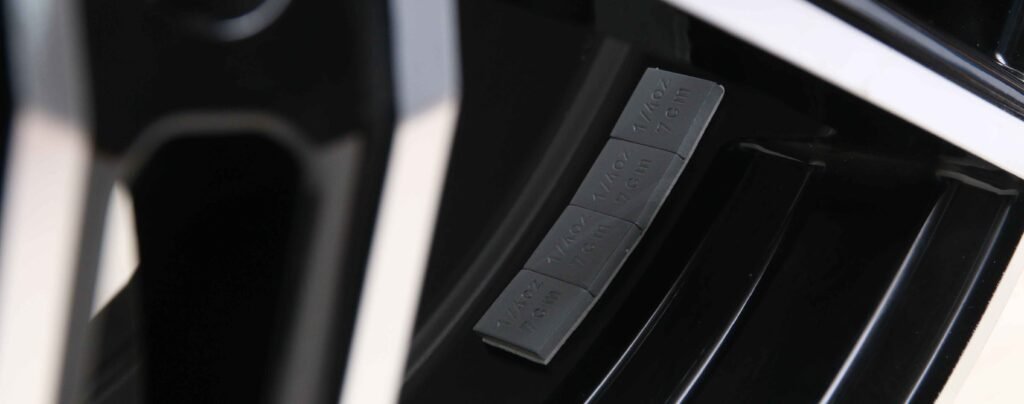
Lead-free wheel weights balance wheels without the use of harmful lead. Older lead wheel weights caused serious pollution, damaging the air, soil, and water. These lead components released harmful substances during manufacturing and disposal. Many countries now use safer materials such as steel and zinc. This helps protect the natural environment and human health. Companies like Fortune and Hinuos provide high-quality lead-free wheel weights for modern vehicles.
Key Takeaways
- Lead-free wheel weights are made from safe materials such as steel and zinc. These materials help protect the environment and human health. Lead-free counterweights balance wheels just as well as lead weights, making driving smoother and safer. You can find lead-free weights by looking for markings such as the “Z” mark on zinc weights or the “FE” mark on steel weights. Using lead-free weights helps comply with environmental regulations and reduces lead pollution in your community. Brands like Fortune and Hinuos sell high-quality lead-free products that meet stringent safety standards.
Lead-free wheel weights overview

What are lead-free wheel weights
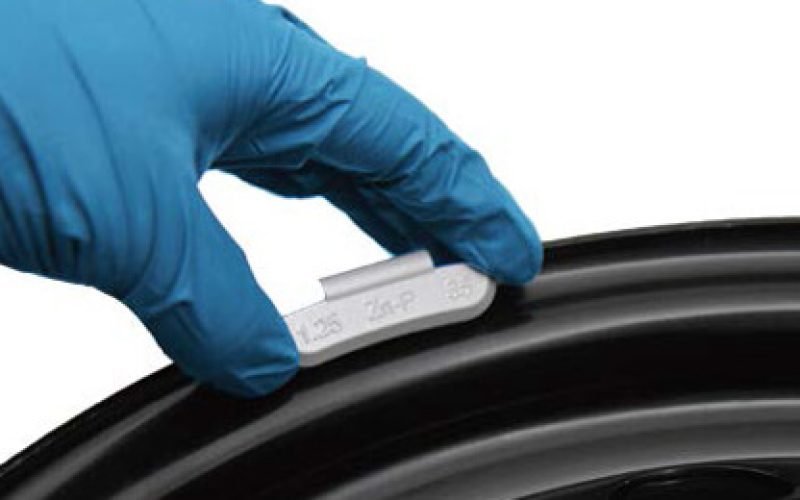
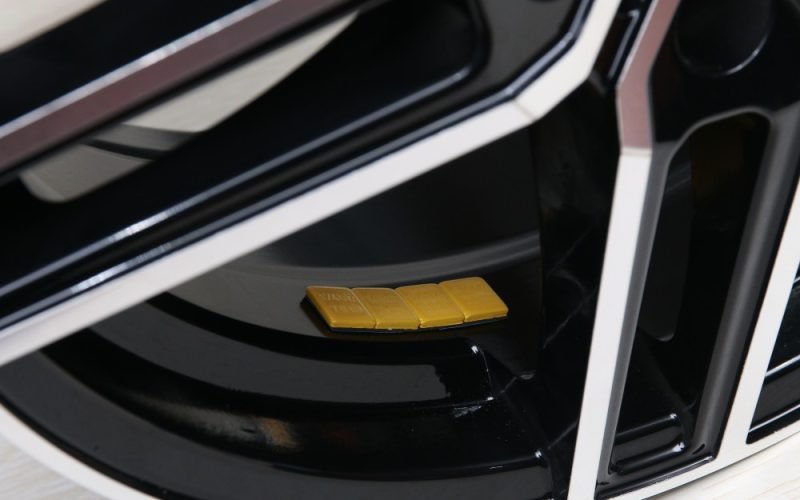
Lead-free wheel weights help balance wheels. They do not contain lead, a toxic substance. These weights are made of safer materials, such as steel or zinc. They replace traditional lead wheel weights, which cause pollution and health problems. There are two main types of lead-free wheel weights. Some are snap-on, while others are glued to the wheel with strong adhesive.
| Type | Description |
|---|---|
| Clip-On Type | This type clips onto the rim of the wheel. |
| Adhesive Type | This type sticks to the wheel with glue. It stays secure. |
Lead weights and lead-free weights are different. They are made of different materials. Lead weights are soft and dense. Lead-free weights are made of zinc or steel and are harder. Lead weights are toxic and are being phased out. Lead-free wheel weights are safer and more environmentally friendly. While leaded wheel weights offer good performance, they pose certain risks. Lead-free wheel weights perform equally well and are safer. Leaded wheel weights are usually unmarked. Lead-free wheel weights are marked with “Z”, “ZN”, or “FE”.
| Feature | Lead Wheel Weights | Non-Lead Wheel Weights |
|---|---|---|
| Composition | Made mostly of lead, soft and dense | Made from zinc or steel, harder |
| Environmental Impact | Toxic, being phased out | Safer, more sustainable |
| Performance | Works well but has health risks | Works well, safer option |
| Markings | Often not marked, soft metals | Marked with “Z,” “ZN,” or “FE” |
Companies like Fortune and Hinuos manufacture lead-free wheel weights. Their products meet stringent standards. They offer both snap-on and adhesive types. These companies are committed to producing robust, durable, and high-quality products. Car owners and repair shops trust them.
Why lead-free matters
Lead-free counterweights are crucial. They help protect the environment and ensure human safety. Older lead counterweights easily detach from cars and break down into dust. This dust pollutes soil, water, and air. Many countries have legislation banning this pollution. For example:
- The European Union banned the use of lead in counterweights in 2005.
- California banned the use of lead counterweights in 2009.
- These laws help prevent lead pollution of the natural environment.
There are many reasons why automakers use lead-free counterweights:
- Laws in states like California and New York require the use of safer materials.
- People want to choose environmentally friendly products for their cars.
- Businesses want to protect the planet and ensure customer safety.
The automotive industry is transitioning to lead-free counterweights. This shift will continue. More and more people and governments want safer, more environmentally friendly products. Fortune and Hinuos are leading this trend. They provide reliable and safe options for modern cars.
Lead-free wheel weights types and materials
Steel wheel weights
Steel wheel weights are commonly used for balancing wheels. Steel is strong, durable, and has a long service life. Many companies choose steel because it is recyclable and environmentally friendly. Steel wheel weights are cheaper than other types of weights and comply with standards such as RoHS and EPA. Most steel wheel weights are either clip-on or adhesive. Clip-on weights are secured to the rim with clips, while adhesive weights are glued to the rim.
Tip: Steel wheel weights are suitable for most cars, trucks, and motorcycles. For car owners looking for environmentally friendly products, steel weights are a good choice.
Zinc wheel weights
Zinc wheel weights are also frequently used. Zinc is heavy, so less weight is needed to balance the wheel. Zinc is resistant to rust. This makes zinc alloy counterweights ideal for wet or salted surfaces. The smooth surface of zinc alloy counterweights gives them a sophisticated look, especially on high-end vehicles. Zinc alloy counterweights are more expensive than steel counterweights. They are available in both snap-on and adhesive types.
| Material | Advantages | Disadvantages |
|---|---|---|
| Zinc | High density, strong corrosion resistance, smooth surface suitable for high-end applications | Slightly higher cost than iron-based weights |
Zinc-coated steel is cheap but can rust fast in tough places. This happens when roads have magnesium chloride for de-icing.
Composite and other materials
Composite wheel weights are made of plastic or a mixture of metals. These weights are rust-resistant and very strong. They are more expensive and more prone to damage. Some people use composite weights for special vehicles or custom wheels. Composite weights are available in both snap-on and adhesive types.
| Material | Durability | Corrosion Resistance |
|---|---|---|
| Steel | High durability | Recyclable, resistant to rust |
| Zinc-coated Steel | Economical | Prone to rapid corrosion in certain conditions |
| Composite | High stiffness | Rust resistant, but more expensive and less tolerant to damage |
Most lead-free wheel weights, such as those from Fortune and Hinuos, are available in both snap-on and adhesive types. These weights are suitable for a variety of wheel types and help maintain vehicle safety and balance.
How lead-free wheel weights work
Balancing wheels
Wheel balance helps a vehicle drive smoothly. If the wheels are unbalanced, vibrations will occur. This can also lead to uneven tire wear. Lead-free wheel weights solve this problem. They adhere to the wheel, distributing the weight evenly.
- Wheel balancing ensures even weight distribution.
- Low-carbon steel adhesive weights are precisely sized, helping workers place the correct weights in the correct positions.
- Strong adhesive holds these weights firmly even on bumpy surfaces.
- Rust-resistant materials ensure the weights’ durability.
- Balanced wheels make driving safer and smoother, reducing vibration.
Automotive mechanics may encounter some issues when using lead-free wheel weights. Sometimes, dirty wheels can cause poor adhesive adhesion. Choosing the wrong size or type can also cause problems. Training can help workers clean wheels and select the appropriate weights.
Tip: Clean the wheel before putting on adhesive weights. This helps the weights stick better and stay on longer.
Comparison with lead weights
Lead-free wheel weights work similarly to lead weights. Both types balance the wheel and tire. The biggest difference lies in the materials. Lead-free wheel weights use steel, zinc, or composite materials instead of lead.
| Feature | Lead-Free Weights | Lead Weights |
|---|---|---|
| Material | Steel, zinc, composite | Lead |
| Environmental Impact | Safe, non-toxic | Toxic, pollutes environment |
| Durability | Rust-resistant, long-lasting | Can corrode, softer metal |
| Installation | Needs clean surface, training | Easier to shape, but toxic |
| Performance | High precision, safe | Good balance, but risky |
Lead-free wheel counterweights balance wheels just as well as lead counterweights. They are also safer for the environment and people. Many brands, such as Fortune and Hinuos, produce counterweights that are easy to use and durable.
lead-free wheel weights benefits and drawbacks
Environmental and safety benefits
Lead-free wheel counterweights help protect people and the natural environment. Lead counterweights, when detached, pollute soil and water sources. This pollution is one of the main ways urban residents are exposed to lead. Lead dust is extremely harmful to children. It can damage children’s brains and cause health problems. Even small amounts of lead can damage children’s brains and cause harm. Using safer materials, such as steel or zinc, can reduce these risks. Lead-free adhesive weights also protect repair shop workers from lead exposure. These changes are crucial for public health and provide effective protection for everyone.
Note: National Lead-Free Wheel Weight Initiatives aim to encourage the use of lead-free adhesive products. This helps prevent lead contamination and protects people’s health.
Regulatory compliance
Many countries have finalized regulations regarding lead wheel weights. They have established strict rules to prohibit the use of toxic lead in automobiles. These laws help protect human and environmental safety. The table below shows how these regulations help people make safer choices:
| Evidence Type | Description |
|---|---|
| Lead Toxicity | Lead is dangerous and can harm people, especially children. |
| Environmental Regulations | Laws like the EU’s REACH promote non-toxic alternatives. |
| Waste Disposal | Steel and zinc are easier to recycle and safer for the environment. |
Businesses must comply with these regulations to ensure product safety. Using lead-free adhesive weights helps businesses meet these regulations and protect public health.
Cost and compatibility
Switching to lead-free wheel weights may cost more than using leaded weights. However, prices are decreasing as more companies produce lead-free adhesives and other alternatives. Businesses need to factor these costs into their budgets and explain to customers why safer products are superior. Some older machines may require upgrades to use the new material. Training can help workers use lead-free adhesive weights correctly. Most lead-free weights are compatible with a variety of wheels and rims, but proper installation is crucial for optimal results.
| Factor | Implication |
|---|---|
| Cost | Lead-free options may cost more, but prices are falling. |
| Compatibility | Some equipment may need updates or training for new materials. |
Lead-free wheel weights help follow rules, give good protection, and stop lead pollution. They are important for public health and keeping the environment safe.
Identifying and choosing lead-free wheel weights
How to identify lead-free options
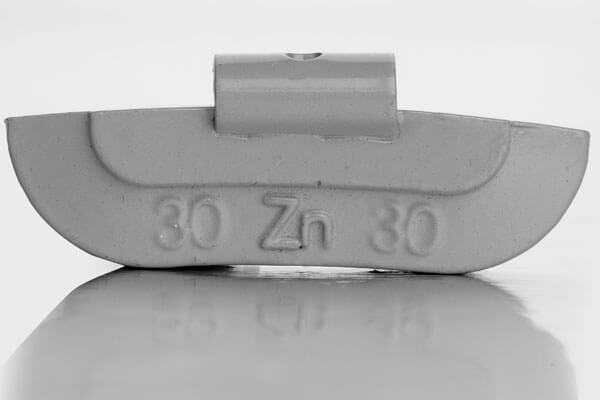
Consumers can identify lead-free wheel weights by looking for clear markings. Most lead-free weights will be marked with symbols such as “FE” (steel) or “ZN” (zinc). These markings help consumers avoid buying leaded products. Many states and countries require the use of these labels. Some weight packaging will also indicate “lead-free” or “eco-friendly”.
A common question is whether all wheel weights are lead-free now? The answer is no. Many repair shops use zinc or galvanized steel, but some areas still allow leaded weights. Consumers should check local laws and consult with repair shops about the type of weights they use. The table below answers some frequently asked questions:
| Question | Answer |
|---|---|
| Are lead wheel weights illegal? | Not everywhere in the U.S., but banned in several states and the EU. |
| Can I still buy lead wheel weights? | In some places yes, but most suppliers now use safer options. |
| Do lead-free weights work as well? | Yes, when installed correctly, steel and zinc weights balance wheels just as well. |
Tips for choosing the right weights
Choosing the right lead-free wheel counterweights depends on several factors:
- Vehicle Type: Cars, trucks, and motorcycles may require different counterweights.
- Wheel Construction: Alloy wheels typically require adhesive counterweights, while steel wheels use snap-on counterweights.
- Usage Environment: Off-road or city driving will influence which counterweight is most suitable.
- Repair Shop Certification: Some repair shops have specialized tools for installing specific counterweights.
Drivers should also consider environmental factors. Wet or salty roads can cause rust, so corrosion-resistant counterweights will last longer. Fortune and Hinuos offer steel counterweights with advanced coating technology. These products are rust-resistant and meet regulations in all 50 US states. Their steel counterweights are more economical than lead counterweights and help protect the environment.
Tip: Always clean the wheel hub before installing adhesive lead-free wheel counterweights. This helps the counterweights adhere better and extends their lifespan.
| Feature | Description |
|---|---|
| Environmentally friendly | Steel is safer for nature than lead or zinc. |
| Economical | Steel weights cost about half as much as lead. |
| Lead-free | Meets rules in every state. |
| Anti-corrosion | Special coating keeps weights from rusting. |
Buyers should choose the appropriate type of counterweight based on their wheels and driving needs. They can consult Fortune or Hinuos stores for reliable and safe options.
Lead-free wheel counterweights help protect the environment and human health. They prevent people from being exposed to harmful substances. Using these counterweights, drivers can stay safer away from toxic dust. These counterweights are beneficial to health, especially for children. They can also improve road safety by reducing bumps. Lead-free options reduce pollution and help everyone stay healthy.
- Lead-free adhesive counterweights are good for the planet and help protect the environment.
- These counterweights are durable and provide excellent wheel balance, thus improving vehicle safety.
- Adhesive wheel weights help maintain tire balance, resulting in a smoother ride.
- They are suitable for new cars and help maintain wheel rim strength.
- These weights suppress vibrations and bumps that could lead to a collision, thus improving driving safety.
| Brand | Lead-Free Materials | Quality Control Standards | Certification Level |
|---|---|---|---|
| Perfect | Zinc, Steel | Stricter | High European & American Standards |
| ShengshiWeiye | Zinc, Steel | Improving | Working towards High Standards |
FAQ
What are lead-free wheel weights made of?
Manufacturers use steel, zinc, or composite materials to manufacture lead-free wheel weights. These materials do not contain toxic lead. They help protect the environment and people, especially children, from harmful substances.
Why are lead-free wheel weights important for children?
Lead-free wheel weights prevent lead dust from entering the soil and water. Children may be exposed to lead when playing outdoors or touching dirty surfaces. Using safer weights helps reduce health risks for children.
Are lead-free wheel weights as effective as leaded weights?
Yes. Lead-free wheel weights balance wheels just as well as leaded weights. They ensure a safe and smooth ride. They also protect children and adults from dangerous lead exposure.
How can I tell if a wheel weight is lead-free?
People can look for markings such as “FE” (for steel) or “ZN” (for zinc). The packaging will usually also indicate “lead-free.” Choosing these options helps protect children and families from toxic substances.
Is the use of lead-free wheel weights mandatory everywhere?
Some places, such as California and the European Union, require lead-free wheel weights. Other areas still allow leaded weights. Parents should ask repair shops to use lead-free weights to protect children.
 Request a quote