 13Apr
13Apr 


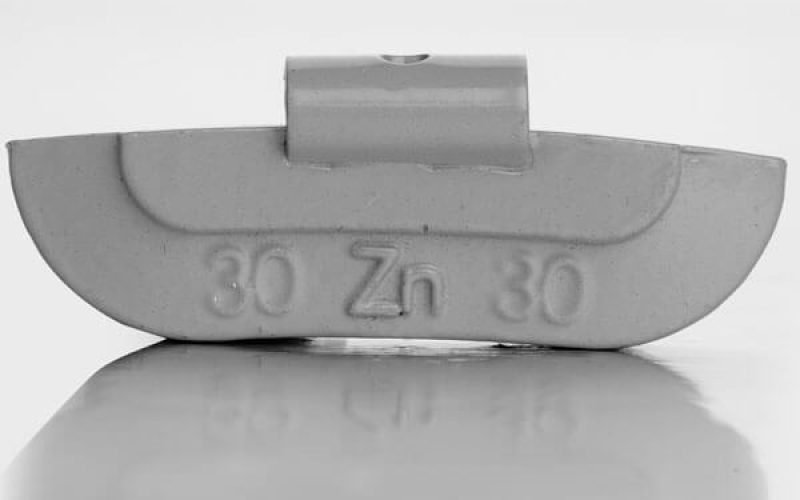
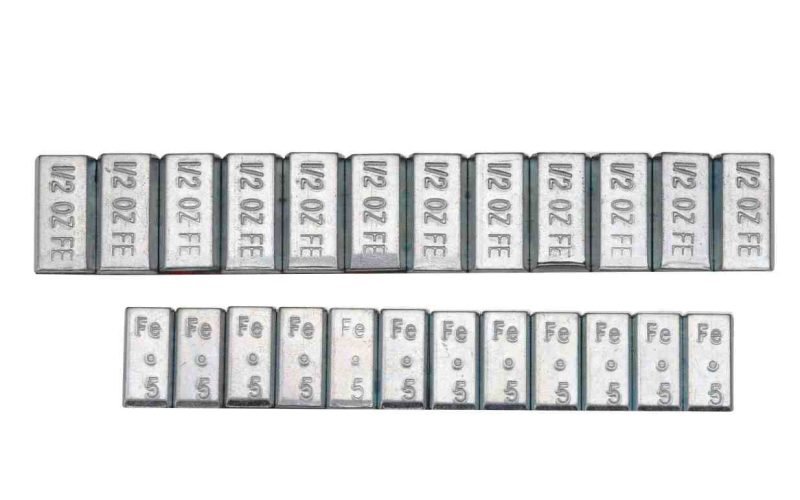
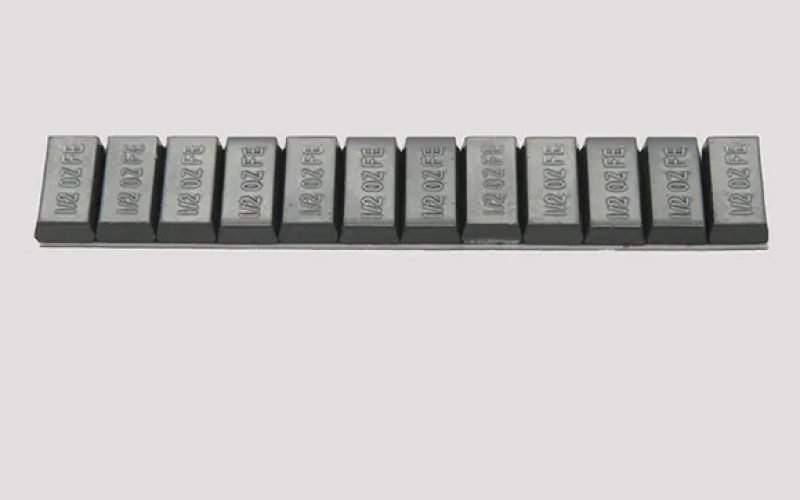
AW wheel weights help maintain vehicle safety and stability. They balance the wheels. AW wheel weights are suitable for alloy wheels. This helps reduce vibration and improve handling. Studies have shown that wheel imbalance increases braking difficulty and reduces vehicle stability. You can see the differences in the table below:
| Benefit | Balanced Wheels | Unbalanced Wheels |
|---|---|---|
| Vibration Reduction | Yes | No |
| Vehicle Stability | Better | Worse |
| Braking Performance | Improved | Worse |
| Risk of Accidents | Lower | Higher |
Key Takeaways
- Wheel weights help balance alloy wheels, improving driving safety and handling.
- Properly balanced wheels reduce vibration, providing a smoother ride and extending tire life.
- Check wheel weights every 5,000–6,000 miles to prevent uneven tire wear.
- Always choose the correct type of wheel weights for your specific wheels.
- Adhesive wheel weights are recommended for alloy wheels to ensure secure attachment.
- Missing or improper wheel weights can lead to poor handling, higher fuel consumption, and increased repair costs.
Wheel weights and their purpose
What are wheel weights?
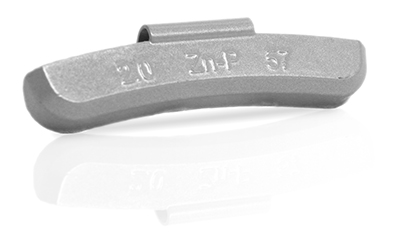
Wheel weights are used to maintain tire balance. These small metal pieces are mounted on the wheel rim and help balance the weight distribution between the tire and the wheel assembly. Even small differences in weight can cause wheel wobble while driving. Wheel weights prevent this. Many vehicles, from cars to trucks, are equipped with wheel weights.
Tip: Wheel weights come in various shapes and materials. Some are clipped to the rim, while others are glued on.
Why balance wheels?
For safe and smooth driving, you need to have your wheels dynamically balanced. If the wheels are unbalanced, your vehicle may shake or vibrate, especially at high speeds. This not only reduces driving comfort but can also be dangerous. Wheel imbalance also leads to uneven tire wear. In this case, you may need to replace your tires sooner than expected. You may also notice a decrease in your vehicle’s handling on the road.
Wheel imbalance can cause even more problems. Tires may lose traction, meaning their contact area with the road surface is reduced. This can cause the vehicle to skid, especially on wet or icy surfaces. Wheel imbalance also increases the load on the engine and suspension. Over time, this reduces fuel economy and increases maintenance costs.
Benefits of wheel weights
Wheel weights offer numerous benefits to your driving experience. Here are some of the key advantages:
- They dampen vibrations and sway, resulting in a smoother ride.
- They reduce road and steering wheel noise.
- They help tires wear evenly, extending tire life.
- They protect the suspension and other components from excessive stress.
- They improve vehicle stability and grip, especially at high speeds.
- They make it easier for wheels to turn, thus helping you save fuel.
Note: Using lighter wheels and appropriate counterweights can also help save fuel. Heavier wheels require more energy to turn, meaning your car will consume more fuel. Lighter wheels paired with appropriate counterweights can reduce fuel consumption, especially in city driving.
Using counterweights can make your car safer, smoother, and more efficient. In the long run, it can also save on maintenance and fuel costs.
Types of wheel weights
AW wheel weights for alloy wheels
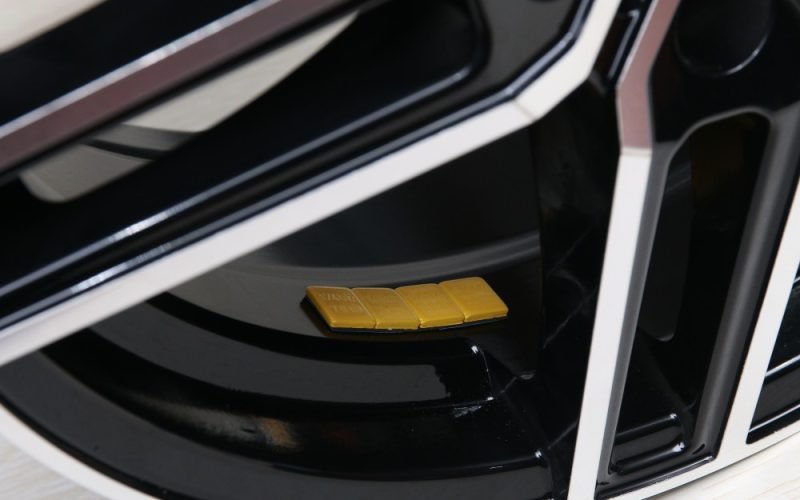
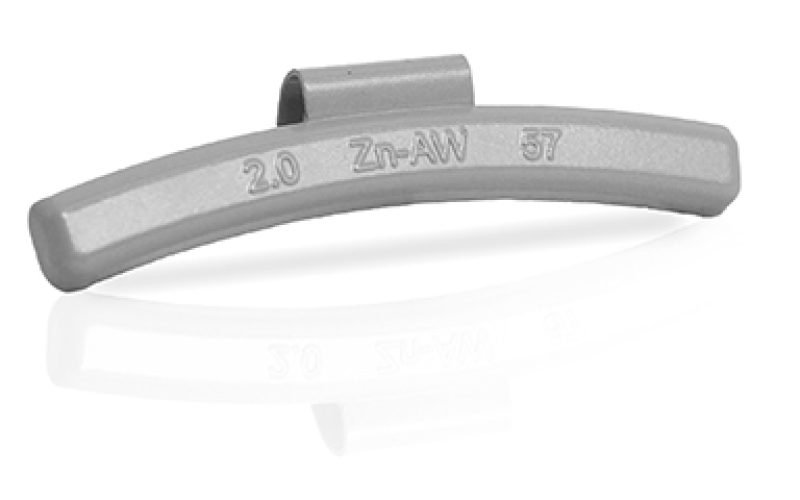
Alloy wheels require specialized counterweights. AW-type counterweights are specifically designed for these wheels, perfectly matching the shape of new alloy wheels and helping to prevent damage. Many people opt for adhesive counterweights. These counterweights are glued to the inside of the wheel rim without scratching it. They are suitable for sports cars, trucks, and SUVs and work well in all weather conditions.
Below are the main types of alloy wheel counterweights:
| Type of Wheel Weight | Description |
|---|---|
| Clip-On | Easy to put on, but might scratch alloy rims. |
| Adhesive | Sticks to the rim, does not scratch, and looks tidy. |
Note: The viscous wheel weight can be bent to fit a variety of wheel shapes and has excellent rust resistance.
Clip-on vs adhesive wheel weights
You can choose between clip-on or adhesive wheel weights. Clip-on weights are secure and easy to use, suitable for steel wheels and large vehicles, but may damage alloy wheels. Adhesive weights are more aesthetically pleasing, fit alloy wheels better, are less likely to scratch the wheels, and are less noticeable. The wheels must be cleaned before applying. Once applied, they will stay firmly in place even in inclement weather.
Material options
Wheel counterweights come in a variety of materials. Lead counterweights were once widely used, but now there are safer alternatives. Zinc and steel are popular due to their environmentally friendly properties. Zinc counterweights won’t rust and can be bent to fit new rims. Steel counterweights are durable, inexpensive, and recyclable. Some brands use special blends of materials for specific needs.
| Material | Density (g/cm³) | Environmental Impact | Advantages |
|---|---|---|---|
| Lead | 11.3 | It is detrimental to health, and the frequency of use has decreased. | Heavy, easy to shape. |
| Zinc | 7.2 | Safer and recyclable. | Rust-free and flexible. |
| Steel | 7.8 | Recyclable and durable. | Durable and robust, can be coated with an anti-rust coating. |
| Composite | N/A | It won’t rust, but it’s more expensive. | Lightweight and suitable for various styles. |
Fortune sells snap-on and adhesive wheel weights made from lead, zinc, and steel. These products undergo rigorous testing and feature a special coating for enhanced protection. Fortune’s ultra-thin trapezoidal adhesive weights are designed specifically for new wheels and have passed stringent laboratory testing. You’ll get superior performance and a perfect fit.
Tip: Fortune uses lead-free materials and clever design to ensure a perfect match with new wheels and meets environmental standards.
Installing wheel weights

How to install AW wheel weights
Installing AW wheel balance weights on alloy wheels requires only a few simple steps. This process helps maintain wheel balance and improves ride smoothness. Here’s a step-by-step guide:
- Thoroughly clean the wheel surface. Remove all dirt and grease so the balance weights can adhere firmly.
- Use a wheel balancer to locate any imbalances in the wheel.
- If you need balance weights of a specific size, measure and cut them.
- Peel off the backing from the back of the balance weight.
- Attach the balance weight to the marked position. Press firmly from the center outwards for about 20 seconds.
- Check the balance again using the balancer. Ensure the wheel rotates smoothly.
Tip: Always clean the wheel before attaching the balance weights. This helps the adhesive adhere better and extends its lifespan.
Importance of correct installation
Properly installed wheel weights ensure the safety and comfort of your vehicle. Proper wheel balancing eliminates vibrations and ensures even tire wear. Reduced wheel rolling resistance also helps lower fuel consumption. Suspension components, such as shock absorbers and joints, experience less stress and have a longer lifespan. Especially at high speeds, you’ll enjoy better handling and a safer driving experience.
- Balanced wheels prevent vibrations, resulting in a smoother ride.
- Even tire wear means longer tire life.
- Good balance helps save fuel.
- Superior suspension component performance and longer lifespan.
- Better handling makes driving safer.
Common mistakes
Several mistakes can occur during installation. These mistakes can lead to problems such as vibration or premature tire wear. Here are some of the most common mistakes:
- Failure to clean the rims and hubs before installing the counterweights. Dirt can prevent the counterweights from adhering properly, causing vibration.
- Incorrect counterweight placement. This can cause wheel vibration and may lead to customer complaints.
- Using a type of counterweight that is not compatible with the wheel. This may damage the rims or cause the counterweights to fall off.
| Certification | Description |
|---|---|
| Certified Weighing Technician (CWT) | The technicians know how to test, calibrate, and troubleshoot electronic scales. They also adhere to safety rules and legal standards for installing wheel counterweights. |
Note: If you experience vibrations after installing new tires, check the counterweights and their position. Professional repair shops will perform dynamic balancing and alignment of the wheels to prevent such problems.
Missing wheel weights
Effects on performance
Wheel weight detachment can lead to decreased vehicle performance. You may feel steering wheel vibration, especially at high speeds. Vehicle handling on curves and straightaways will also deteriorate. You may notice abnormal tire wear, such as wavy or bare areas. This is due to uneven tire-road contact. Furthermore, fuel consumption will increase because the engine needs to work harder to keep the wheels spinning smoothly.
The table below lists the potential consequences of wheel weight detachment:
| Consequence | Description |
|---|---|
| Vehicle shaking | You feel vibrations in the steering wheel or the whole car. |
| Abnormal tire wear | Tires wear out faster and in uneven patterns. |
| Suspension system damage | Bearings and shock absorbers can get damaged from constant shaking. |
| Affects handling stability | The car may pull to one side or feel less steady, raising accident risk. |
| Reduced ride comfort | You hear more noise and feel tired on long trips. |
Safety risks
Insufficient wheel weight distribution reduces driving safety. Due to insufficient tire grip, the vehicle may not be able to brake quickly enough. The steering wheel may drift to one side, catching you off guard and potentially causing you to lose control. The risk of an accident increases significantly at high speeds. Brake pads will also wear out more quickly, and you may feel a jolt or vibration when you press the brake pedal. Over time, the suspension and other components may fail, leading to high repair costs.
Tip: If you notice any new vibrations or unusual noises coming from your wheels, be sure to check them. These could be early signs of a safety problem.
Signs of missing weights
You can determine if wheel weight distribution is insufficient by observing the following signs:
| Symptoms | Description |
|---|---|
| Uneven wear | Tires wear out faster on one side or in patches. |
| Wave-like wear | The tire surface looks bumpy or wavy. |
| Steering wheel deviation | The car drifts or pulls, making it hard to drive straight. |
| Brake judder | The car shakes when you brake. |
| Increased noise | You hear more road noise, which can make long drives tiring. |
If you notice any of these issues, please visit a tire shop. A professional can inspect your wheels and add new weights if necessary. Maintaining wheel balance helps you drive safely and saves on repair costs.
High-quality wheel weights help keep your vehicle balanced, ensuring a safe and smooth ride. Choosing high-quality weights like Fortune can improve fuel economy, extend tire life, and reduce maintenance. Regular checks help you detect problems early and ensure a comfortable ride.
Why check your wheel weights?
- Perform tire dynamic balancing every 5,000 to 6,000 miles to prevent uneven tire wear.
- You’ll enjoy a smoother driving experience and better handling.
- Avoid costly repairs, thus saving money.
Tip: For best results, have a professional check your wheel weight distribution before rotating your tires.
FAQ
What does “AW” mean in AW wheel weights?
“AW” stands for “Alloy Wheels”. You can use AW wheel weights to balance alloy wheels. These weights are perfectly shaped for modern wheels and help protect your wheels from damage.
How often should you check your wheel weights?
Wheel balance should be checked every time you rotate a tire or notice vibrations in your vehicle. Most experts recommend checking it every 5,000 to 6,000 miles.
Can you reuse AW wheel weights?
AW wheel weights are not reusable. Once removed, the strength of the adhesive or clips decreases. For optimal balance and safety, always use new weights.
Do AW wheel weights fit all vehicles?
AW type wheel counterweights are suitable for most alloy wheels on cars, SUVs, and trucks. Before selecting counterweights, be sure to confirm your vehicle’s wheel type.
Tip: Consult a tire shop to select the appropriate counterweights for your wheels.
 Request a quote