 17Mar
17Mar 

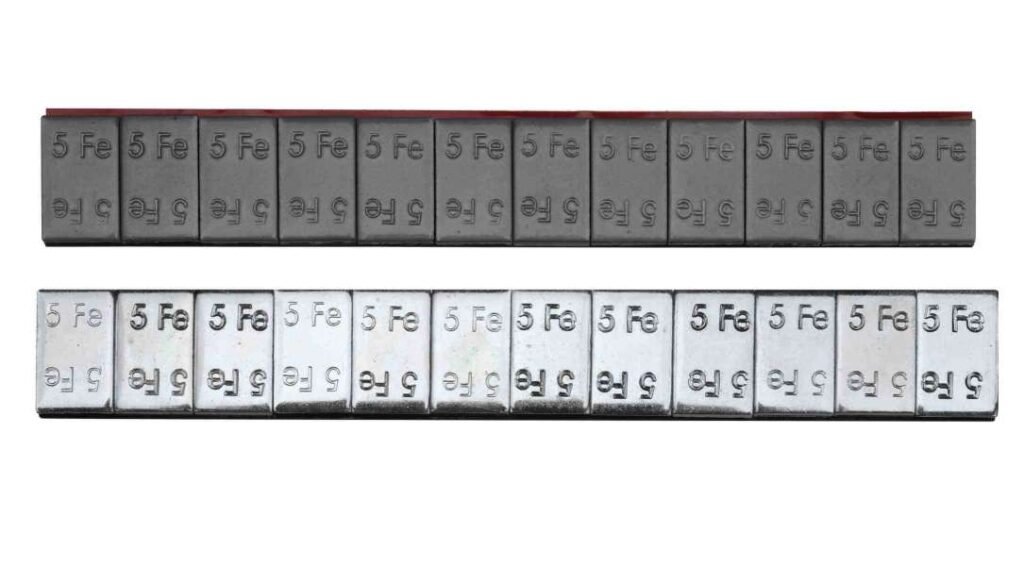
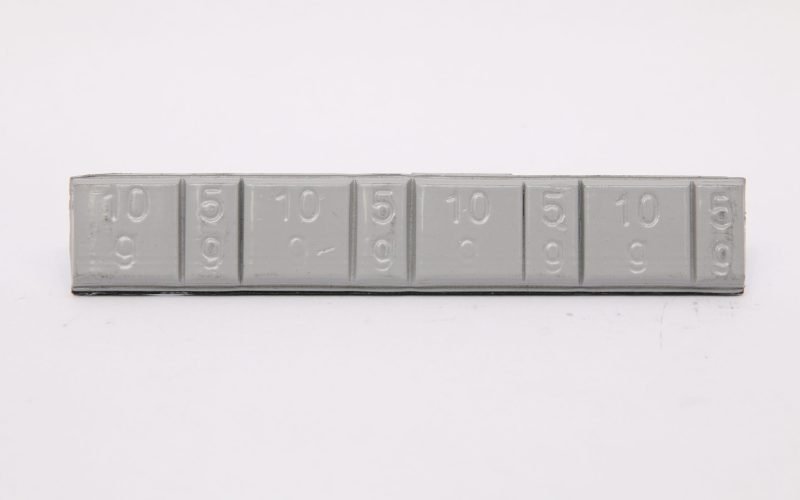
You can find adhesive wheel balance weights made from steel, zinc, or lead. These materials are robust and durable. They help ensure that your wheels remain well-balanced. A protective surface coating prevents the weights from rusting while maintaining their aesthetic appeal. When welding or screw-fastening is not feasible, the adhesive tape securely bonds the weights to the wheel rim. A wide variety of surface finishes and tape types are available, allowing you to select the solution best suited for your vehicle.
Key Takeaways
- Adhesive wheel weights are commonly made from steel, zinc, or lead, each suited to different applications and environments.
- Steel wheel weights offer a strong balance of durability, cost-effectiveness, and environmental friendliness.
- Zinc wheel weights provide excellent corrosion resistance, making them ideal for harsh weather conditions.
- Lead wheel weights are being phased out in many regions due to environmental and health concerns.
- High-quality coatings and adhesive tape are essential to ensure long-lasting performance and secure attachment.
- Proper installation and regular inspection help prevent weight detachment and maintain accurate wheel balance.
Adhesive wheel weights materials

When selecting adhesive wheel balance weights, it is important to consider their material composition. FORTUNE primarily offers three types: steel, zinc, and lead. Each material possesses unique advantages and is suited for specific applications. By understanding these options, you can identify the most suitable product for your car, truck, or motorcycle.
Steel
Steel is a commonly used material for adhesive wheel weights. It is widely utilized because it is both durable and affordable. Steel is suitable for a wide range of vehicles, including passenger cars and trucks. It strikes an excellent balance between weight and size, allowing you to balance a wheel without the need for bulky weights.
The table below outlines the key characteristics of the steel used in adhesive wheel weights:
| Property | Description |
|---|---|
| Strength | High Strength and Durability |
| Weight Density | Excellent weight-to-volume ratio |
| Deformation Resistance | Resistant to deformation under stress |
| Corrosion Resistance | If left uncoated, it is prone to rusting; therefore, it is typically coated for protection |
| Best Applications | Automotive Wheel Dynamic Balancing — Industrial Applications |
Steel wheel weights offer a long service life and excellent performance. Compared to lead, steel is safer and more environmentally friendly. Many people prefer steel because it can be recycled multiple times. Steel poses no health risks.
- Steel is safer than lead, whereas lead can be harmful to the human body.
- Since some regions have regulations prohibiting the use of lead, choosing steel is a prudent decision.
- Steel can be recycled repeatedly, which contributes significantly to protecting the planet.
Zinc
Zinc is another material used to manufacture adhesive wheel balance weights. If you are looking for a product that resists rust and offers a longer service life, zinc is an excellent choice. Zinc helps keep your wheels looking clean and attractive, making it particularly suitable for vehicles driven in rainy, snowy, or salt-treated road conditions.
Zinc is suitable for use on both standard passenger vehicles and heavy-duty vehicles. For passenger cars, zinc balance weights help balance the wheels and prevent vibration; for trucks and buses, zinc wheel weights are capable of withstanding heavy loads, thereby ensuring driving safety.
Zinc materials comply with key safety and environmental regulations. The following are some of the major standards:
| Regulation/Standard | Description |
|---|---|
| RoHS | Restricting Hazardous Substances in Products |
| REACH | Ensuring the safe use of chemicals within the EU |
| ISO 11564 | Specifies the safety and performance requirements for wheel dynamic balancing |
| EU ELV Directive | Promote recycling and reduce hazardous substances in vehicles |
| U.S. EPA Guidelines | Reducing Hazardous Substances in Automotive Applications |
Zinc adhesive wheel weights offer a long service life and comply with safety regulations.
Lead
For a long time, lead has been used to manufacture adhesive wheel balance weights. Lead is heavy and easily molded. Just a small piece of lead is sufficient to keep a wheel balanced. However, lead poses potential hazards to both humans and the environment. It can cause harm to the human body—particularly to children—and may also leach into the soil and water sources.
Many jurisdictions have enacted laws prohibiting or restricting the use of lead in wheel weights. California and Washington have banned the use of new lead-based wheel weights. Other states and countries have also begun implementing similar measures to safeguard both human health and the natural environment.
Note: Before purchasing adhesive lead wheel weights, please be sure to consult your local regulations.
Polymer and Composite Materials
You may have heard of polymer or composite-bonded wheel weights. While not yet commonplace, these products offer several advantages. They are lighter than metal weights and do not rust. Furthermore, they can be manufactured in a wide variety of shapes. Certain composite materials possess high strength and are recyclable—qualities that hold great promise for future development.
- Composite materials help reduce vehicle weight and improve fuel efficiency.
- Because they do not rust, they offer a long service life.
- Manufacturers can design them to accommodate specific shapes or requirements.
When selecting adhesive wheel weights, you have a variety of options available. FORTUNE offers products made from steel, zinc, and lead. You can choose the most suitable type based on your specific vehicle and local regulations.
Coatings and Finishes Used for Adhesive Wheel Weights
Protective coatings
You want your wheel weights to last as long as possible. Protective coatings play a crucial role in this regard. These coatings prevent moisture, salt, and dirt from coming into contact with the metal surface, thereby effectively preventing rust and preserving the structural integrity of the weights. Using coated weights not only protects the wheel itself but also safeguards the weights from damage.
Coatings also serve to enhance the adhesion of the bonding agent. When the surface remains free of rust, the adhesive tape adheres much more effectively. This ensures that your stick-on wheel weights remain firmly in place—even when driving in rainy or snowy conditions—and are less prone to detaching. You can rest assured that the weights will not fall off or compromise the aesthetic appeal of your wheels.
The quality of the coating directly influences the service life of the wheel weights. The table below outlines the expected service life for various types of wheel weights:
| Weight Quality | Average Lifespan |
|---|---|
| High-Quality Weights | 3 to 4 years |
| Standard or Inferior | Up to 12 months |
If you choose high-quality paint, it will have a longer service life. This saves you both money and time.
Color and finish options
You can choose your preferred style of wheel balance weights from a wide variety of colors and finishes. FORTUNE offers a diverse selection—including black, silver, and chrome—and also provides options for custom colors. This allows you to perfectly match the balance weights to your wheels, giving your vehicle a look that is both clean and stylish.
A high-quality finish not only looks attractive but also helps to conceal the balance weights, thereby maintaining the pristine appearance of your wheels. Some owners prefer their weights to blend seamlessly with the wheel itself, while others favor a more eye-catching, glossy look. You are free to choose the option that best suits your personal style.
Tip: For the best visual effect, we recommend selecting a finish that matches the color of your wheels.
Coatings and surface finishes serve a dual purpose: they provide protection while simultaneously enhancing your vehicle’s aesthetics and ensuring the proper functionality of the balance weights. By selecting the appropriate coating and finish, you can rest assured that these adhesive wheel weights will remain securely in place and maintain their exceptional appearance.
Adhesive Tape Types and Mounting Methods

Tape types and durability
Adhesive wheel weights require strong tape to ensure a secure attachment. High-strength tape guarantees that the weights remain firmly in place—without dislodging—even when traveling over rough or bumpy road surfaces. FORTUNE offers a diverse selection of tape options, including standard blue tape, 3M red tape, and American white tape. Each variety features excellent adhesion and is easy to apply.
Given the wide array of available tapes, there are also various methods for installing wheel weights. Some tapes come pre-cut into rectangular shapes, allowing for direct application; this format is particularly well-suited for use with automated equipment. Other tapes are supplied in rolls or strips, which can be cut to size as needed. You may choose an internal mounting method to keep the weights concealed and protected, or opt for an external mounting method for simpler installation.
The table below lists the primary tape types and their respective characteristics:
| Type | Pros | Cons |
|---|---|---|
| Pre-Cut Rectangular Weights | Easy to use; uniform dimensions; suitable for machine use. | Lacks flexibility; difficult to adjust. |
| Roll-On / Tape-On Weights | Can be trimmed as needed; ideal for maintaining balance. | Requires specialized tools; difficult to completely disassemble and clean. |
| Lead-Free vs. Lead-Based | Safer for the environment; complies with regulations. | It is slightly larger; some people consider it not sturdy enough. |
| Internal vs. External Mounting | The internal structure is concealed and secure; external installation is simple. | External components may rust or be subjected to impact. |
Application and installation
You want your wheel weights to be durable and long-lasting. However, the installation method is even more critical than the weights themselves. A study revealed that most issues with wheel weights stem from improper installation. You can avoid this situation by following these steps:
- Before installing the weights, clean and dry the wheel surface.
- Use a wheel balancing machine to assess the wheel and select the appropriate weights.
- Allow the weights to set for at least one day after installation; wait for the adhesive tape to bond completely before driving.
- Periodically inspect the weights to ensure they have not come loose or become damaged.
- Use mild cleaning agents to help maintain the tape’s adhesive strength.
- Promptly replace any missing or damaged weights.
FORTUNE’s easy-peel tape facilitates quick weight installation and helps minimize operational errors. It ensures a secure bond and saves you time. By following these steps, you can keep your wheels balanced and safe.
Tip: Be sure to read the usage instructions for both the tape and the wheels. Thorough preparation and meticulous execution will yield the best results.
Performance, Durability, and Compatibility of Adhesive Wheel Weights
Balance and weight accuracy
You want your wheels to rotate without wobbling. The materials and coatings you choose help balance the wheels. Stainless steel, brass, zinc, and aluminum each have their own advantages. Below is a comparison table:
| Material | Benefits | Drawbacks |
|---|---|---|
| Stainless Steel | Rust-proof, sturdy and durable, with a long service life. | Heavier than others |
| Brass | Functions normally in both cold and hot environments, with a long service life. | Costs more money |
| Zinc/Aluminum | Lighter and more eco-friendly | It probably won’t last very long |
Strong adhesives securely bond balance weights to the wheel rim. These adhesives are capable of withstanding the heat generated by braking as well as the bumps and vibrations of the road surface. To achieve optimal results, a strong adhesive should be used. When balance weights are installed correctly, the wheel remains balanced, resulting in a smoother ride.
Occasionally, balance weights may detach from the wheel rim. This typically occurs if the rim has not been properly cleaned or if an unsuitable adhesive tape has been used.
As long as you follow the steps and choose high-quality products, you can avoid these problems.
Suitability for different wheels
Adhesive wheel weights are suitable for a wide variety of wheel types. Whether you have alloy, chrome, or custom wheels, these weights can be used. Many people prefer this style of weight because they are completely invisible from the outside. Since these weights adhere to the inner surface of the wheel, your wheels maintain a clean, aesthetic appearance.
Here are several reasons to choose adhesive wheel weights:
- They remain hidden behind the wheel, preserving its aesthetic appeal.
- You can position the weights precisely where they are needed.
- They help eliminate vibrations and enhance vehicle driving performance—even at high speeds.
- They are an ideal choice for luxury, sports, or specialty wheels.
If you need assistance selecting the right wheel weights, FORTUNE is here to help. You can consult our product catalog, request samples, or reach out to our sales team. This will make it easier for you to find the perfect solution for your car, truck, or motorcycle.
Tip: Be sure to select the appropriate weights based on your wheel material, finish, and driving habits to ensure optimal results.
When selecting adhesive wheel weights, you should pay close attention to their material, coating, and adhesive. These factors all influence wheel performance as well as the service life of the weights. Please refer to the table below to make your selection:
| Factor | What to Check For |
|---|---|
| Durability | Select tapes and coatings capable of withstanding high temperatures, low temperatures, and humid environments. |
| Adhesion | Please ensure that the tape is securely attached, even when driving at high speeds. |
| Compatibility | Please select the balance weights suitable for your wheel type. |
- Prior to installing the balance weights, please clean the wheels.
- In wet or high-salinity environments, please use corrosion-resistant materials.
- If you have any questions, please consult the FORTUNE team or refer to their product guide.
For optimal results, please ensure that you select the appropriate product based on your driving requirements and local regulations.
FAQ
What are adhesive wheel weights used for?
You use adhesive balance weights to balance the wheels. Well-balanced wheels contribute to a smooth ride, protect the tires, and extend their service life.
Can you reuse adhesive wheel weights?
Please do not reuse adhesive wheel weights. Once the adhesive backing is peeled off, its tackiness diminishes. For best results, always use new weights.
How do you remove adhesive wheel weights?
You can use a plastic scraper to lift the sticker. Wipe the area with rubbing alcohol to remove any sticky residue. Please proceed gently to avoid scratching the wheel rim.
Do adhesive wheel weights work on all wheels?
Most adhesive wheel weights are suitable for alloy, steel, and custom wheels. You should verify the wheel type and follow the instructions to ensure an optimal fit.
 Request a quote