 09Apr
09Apr 


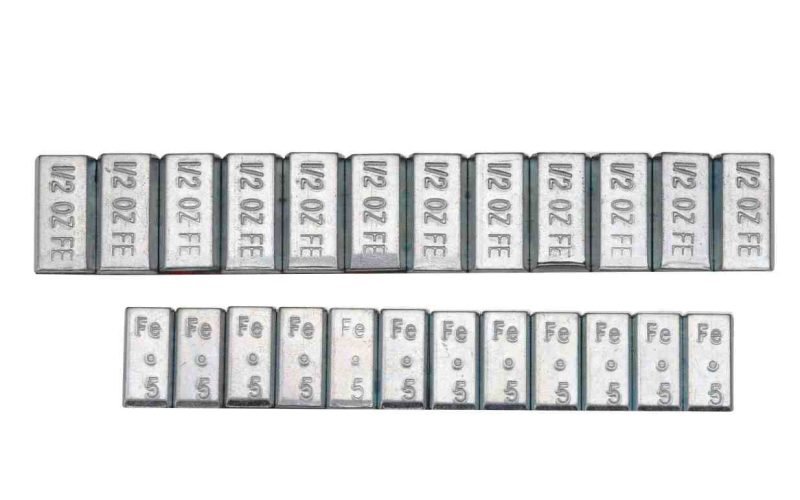
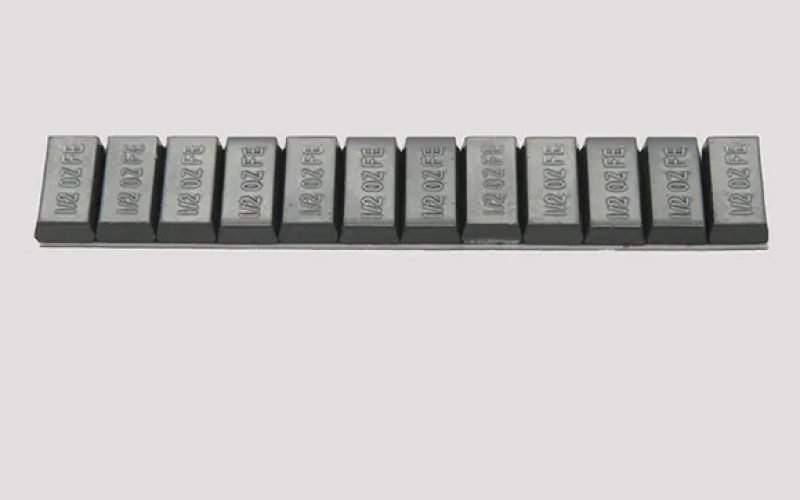
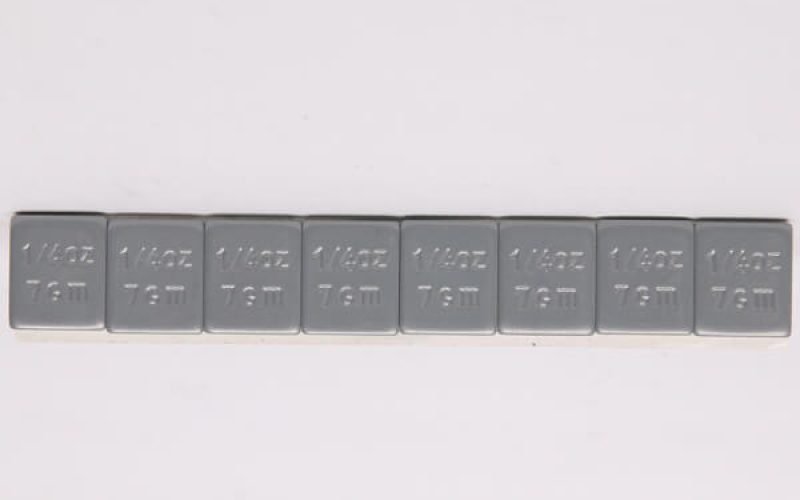
The majority of adhesive wheel weights—accounting for approximately 35% of the total—utilize an adhesive backing rather than clip-on fasteners. This distinction is crucial, as adhesive weights offer superior adhesion and a longer service life. They play a vital role in maintaining the dynamic balance of the wheels, thereby enhancing both vehicle safety and the overall driving experience. Opting for high-quality adhesive weights from a trusted brand—such as FORTUNE—helps ensure long-term durability. The choice of materials, surface treatment processes, and specialized adhesive tape are critical to ensuring the weights remain firmly attached, holding their position securely even under harsh operating conditions. Ultimately, this helps ensure that your vehicle runs smoothly and safely.
Key Takeaways
- Adhesive wheel weights offer a stronger grip and a longer service life compared to clip-on weights, thereby contributing to enhanced driving safety.
- Before applying adhesive weights, ensure that the wheel surface is thoroughly cleaned to guarantee maximum adhesion.
- Selecting adhesive weights that are appropriate for your specific vehicle and driving habits is essential to ensure optimal performance.
- During installation, be sure to read and strictly follow the manufacturer’s instructions to prevent the weights from detaching due to improper handling.
- Opting for lead-free adhesive weights is an environmentally friendly choice that also ensures compliance with safety regulations.
Adhesive Wheel Weights Types

When selecting the appropriate adhesive wheel weights, you will find a wide variety of types available on the market. Each type possesses distinct characteristics and offers unique advantages. In the following section, we will provide a detailed breakdown of the primary options to help you choose the wheel weights best suited for your vehicle.
Acrylic Foam Tape Weights
Acrylic foam tape wheel weights are widely popular due to their exceptional adhesion and the clean, aesthetic appearance they present when installed on a wheel rim. You won’t see any bulky clips or protruding metal components. These weights help protect the clear coat finish on the rim surface, thereby effectively preventing scratches and damage. If you wish to keep your wheels looking pristine and flawless, this is undoubtedly an excellent choice.
Below is a concise table outlining their pros and cons:
| Advantages | Disadvantages |
|---|---|
| Preventing Damage to Wheel Varnish. | Meticulous surface treatment is required to ensure good adhesion. |
| Ensure a neat and aesthetically pleasing appearance, with no visible counterweights. | Under extreme conditions (such as high-speed driving and adverse weather), there is a potential risk of bonding failure. |
Before attaching these balance weights, you must thoroughly clean the wheel surface. If you skip this step, the adhesive may fail to bond securely—particularly when driving at high speeds or encountering adverse weather conditions.
Double-Sided Tape Weights
Double-sided adhesive wheel weights feature a strong adhesive on both sides. You can quickly position them in place, where they adhere firmly to the wheel. These weights are easy to use and suitable for most passenger cars and trucks. Simply peel off the protective backing and press the weight into the designated position. If you are looking for a simple yet reliable solution, double-sided adhesive weights are undoubtedly a solid choice.
Epoxy-Based Weights
Epoxy-based balance weights possess exceptional strength. Their epoxy binder forms a tight bond—robust enough to withstand heavy loads and the rigors of rough road conditions. If you drive a truck or motorcycle that frequently encounters severe bumps and vibrations, these weights make for an ideal choice. Not only do epoxy-based weights offer a longer service life, but they also remain firmly in place, even under harsh environmental conditions.
OEM and Brand Options
You can find a wide array of options available from numerous Original Equipment Manufacturers (OEMs) as well as renowned brands like FORTUNE. FORTUNE stands out by offering adhesive wheel weights crafted from materials such as steel, lead, and zinc. You can choose from a variety of finishes, including black, silver, chrome, and even custom colors. These finishes not only allow the weights to blend seamlessly with your wheels but also effectively prevent corrosion.
Many OEM wheel weights—such as the 3M Model 3M-99473—are manufactured using lead-free composite materials. This means you do not need to be concerned about environmental pollution or health risks. Lead-free weights comply with strict safety regulations and are easier to dispose of.
Tip: If you are environmentally conscious, we recommend prioritizing lead-free adhesive wheel weights. They help keep soil and water sources clean while also safeguarding your health.
Regulatory Trends and Why Adhesive Types Are Preferred
Regulations are changing rapidly. Given the hazards lead poses to human health and the environment, numerous U.S. states have already banned or restricted the use of lead-based wheel weights. Lead is a dangerous neurotoxin, and its risks are particularly severe for children. If not disposed of properly, discarded lead-based weights can contaminate soil and water sources.
Today, manufacturers have shifted toward safer materials such as steel and zinc. Among these alternatives, adhesive wheel weights are fast becoming the preferred standard; not only do they comply with the latest regulatory requirements, but they also deliver exceptional balancing performance across a wide range of wheel types. Whether for passenger cars, motorcycles, or trucks, these weights can be found in use everywhere. Available in a diverse array of specifications, they make it easy to achieve precise wheel balancing—regardless of wheel size.
Tip: Before purchasing wheel weights, be sure to consult your local regulations. Some regions have specific laws governing the use of lead and other materials.
If you are seeking a safe, durable, and reliable solution, choosing adhesive wheel weights from a reputable brand—such as FORTUNE—is undoubtedly a smart decision. These products offer a wide variety of options in terms of materials, surface finishes, and dimensions, allowing you to protect the environment while ensuring your vehicle runs smoothly.
Key Features Ensuring Adhesive Wheel Weights Hold Weight

When selecting adhesive wheel weights, you naturally want them to adhere firmly and remain absolutely motionless under any circumstances. Next, let’s explore exactly which characteristics ensure that these weights provide reliable protection for your wheels.
Strength and Durability
You need wheel weights capable of withstanding the rigors of daily driving and rough road conditions. A high-quality adhesive backing ensures that the weights adhere firmly to the wheel rim, remaining securely in place even during high-speed driving or over bumpy terrain. Many brands utilize advanced surface coating processes on their steel weights to effectively prevent rust and corrosion. This means that your weights will enjoy a longer service life, even when exposed to wet or high-humidity weather environments.
Temperature and Weather Resistance
Weather conditions may change in an instant, but your wheel weights should remain absolutely steadfast. Our premium adhesive wheel weights maintain a consistently strong bond—whether subjected to extreme cold or scorching heat.
- The adhesive retains its powerful tackiness across a wide temperature range, from -40°F to 250°F.
- The flat, low-profile design allows the weights to sit discreetly behind the wheel spokes, remaining virtually invisible.
- For optimal installation results, please perform the installation when the ambient temperature is between 50°F and 125°F.
- During installation, ensure that the temperature of the rim, the wheel weight, and the surrounding air all remain above 60°F.
Tip: Installing within the recommended temperature range ensures maximum adhesion and extends the service life of the wheel weights.
Vibration and Impact Performance
Your wheels—particularly when traveling over rough terrain—are frequently subjected to intense vibrations and jolts. Compared to traditional clip-on weights, the design of adhesive weights is far better equipped to withstand these demanding challenges.
- Not only do they effectively dampen vibrations, but they also significantly enhance the adhesion security of the weights.
- This translates into a smoother driving experience for you, while simultaneously substantially reducing the risk of the weights detaching.
Compatibility with Wheel Materials
Not all wheels are created equal. Some are made of aluminum, others of steel, and some feature unique designs. Adhesive wheel weights are suitable for a wide variety of wheel types; however, the following is a brief list of potential issues that may arise:
| Wheel Material | Compatibility Issues |
|---|---|
| Aluminum Alloy Wheels | Metal clips may scratch or damage the surface. Curved edges may not accommodate the clips. |
| Specially Shaped Modified Wheels | Complex designs may not have space to accommodate a clip. |
| Lightweight Wheels | A simple rim flange may not be able to secure a clip-on wheel weight. |
By using adhesive wheel weights, you can avoid many of the aforementioned problems. They adhere directly to the wheel rim, so you do not need to worry about clips falling off or scratching the rim.
Application Tips for Reliable Adhesive Wheel Weights
To maximize the effectiveness of adhesive wheel weights, proper installation is key. If you want them to adhere securely and last for the long haul, please follow these simple tips.
Surface Preparation
To ensure that wheel balance weights adhere securely, the cleaning process must never be omitted. Below is a concise, step-by-step guide:
- Spray the cleaning agent evenly across the surface of the wheel rim.
- Wipe the surface with a clean cloth, paying particular attention to the specific area where the balance weight will be applied.
- Inspect the rim carefully under adequate lighting to ensure the surface is clean, dust-free, and completely dry.
A clean surface facilitates the formation of a strong adhesive bond. Only after the rim has undergone thorough preliminary preparation can FORTUNE’s specialized tape deliver its optimal adhesive performance.
Placement and Pressure
Please select a suitable mounting location on the inner surface of the rim. Peel off the easy-release protective backing from the FORTUNE adhesive balance weight. Firmly press the weight onto the rim and hold it in place for several seconds. Applying sufficient pressure helps ensure the adhesive bonds securely to the metal surface. Please make every effort to avoid touching the adhesive surface with your fingers, as oils from your fingertips may weaken the bonding effect.
Curing and Setting
After attaching the counterweights, a period of time must be allowed for curing. The following briefly outlines the curing time required for epoxy-based counterweights:
| Type of Epoxy | Initial Set Time | Full Cure Time |
|---|---|---|
| Two-part Epoxy | 5 to 90 minutes | 24 hours to 7 days |
Please refrain from aggressive driving, and do not wash the wheels immediately. Please allow sufficient time for the adhesive to reach its full bonding strength.
Safety and Best Practices
To ensure safety and achieve optimal results, please follow these steps:
- Clean the rim with a solvent and allow it to dry.
- Select the appropriate wheel weights for your wheels.
- Firmly adhere the weights to the correct position.
- Carefully verify your work; if a wheel balancer is available, use it to balance the wheel.
Please remember that adhesive wheel weights are designed for single use. If you remove them, they must be replaced with new weights.
Tip: For the best adhesion and safety, always follow the manufacturer’s instructions.
Factors Affecting Adhesive Wheel Weight Performance
The manner in which you treat your wheels, as well as the road conditions you encounter, are of critical importance. These factors can significantly impact the actual effectiveness of adhesive wheel balance weights. Let us now explore precisely which factors influence their performance.
Environmental Conditions
Extreme heat or cold weather can compromise the adhesive properties of wheel weights. If temperatures are too low, the adhesive may fail to bond securely; conversely, when temperatures are excessively high, the adhesive may soften and lose its grip. Rain, snow, or even the car-washing process can also lead to issues, as moisture may seep between the adhesive and the wheel rim, causing the weights to detach over time. If you reside in a region with harsh climatic conditions, it is recommended that you opt for wheel weights featuring a stronger adhesive.
Wheel Surface and Cleanliness
The wheel rim surface must be clean for the adhesive to function effectively. Dirt or grease will hinder the adhesive’s adhesion. Before installing the balance weights, be sure to thoroughly clean the rim using a high-quality cleaning agent. Please use appropriate tools for the procedure; never touch the adhesive side of the weights directly with your hands, as grease from your skin will weaken the bond strength. If the rim surface is thoroughly cleaned, the weights will remain securely attached for a longer duration. This ensures that the weights remain firmly in place—without detaching—even when driving on rough or uneven terrain. A clean surface helps extend the service life of the balance weights.
Weight Size and Load
The size and weight of the wheel weights are important. Heavier weights push harder on the adhesive. You need to pick the right size for your wheel. Big or heavy weights need stronger adhesive to stay put. If you use weights that are too small, they might fall off. This can happen when you drive fast or hit bumps. Always use the right size for your wheel and think about how much your car carries. The right weights keep your wheels balanced.
Driving and Road Conditions
Both your driving habits and the road conditions you encounter can affect the service life of your wheel weights. Rough surfaces and potholes may cause the weights to loosen due to severe vibration. Additionally, excessive vehicle speeds can subject the adhesive to undue stress. Furthermore, rainy or snowy weather can compromise the bonding effectiveness. These issues often become significantly more pronounced if the wheel weights are not installed under suitable weather conditions. For optimal results, it is recommended to install the weights during dry weather, when the ambient temperature is neither excessively high nor too low. After driving long distances or traversing rough terrain, be sure to inspect your wheels to ensure that the weights remain firmly attached in place.
Mistakes to Avoid with Adhesive Wheel Weights
Skipping Prep Steps
People often tend to overlook the cleaning of their wheels—a mistake that can have serious consequences. Proper cleaning removes oil, grease, and grime from the wheel’s surface. This process enhances the adhesive’s grip and provides a larger contact area for bonding. If the surface is not cleaned, the balance weights may detach. This risk is particularly high when driving on rough terrain or in adverse weather conditions.
- Ensure that you thoroughly clean the wheel surface.
- Use a specialized cleaning pad for this task.
- Never touch the adhesive side directly with your fingers.
Following these steps will help ensure a stronger bond and extend the adhesive’s service life.
Using Wrong Adhesive
Selecting the wrong adhesive can lead to problems. Not all adhesives perform identically: some lose their tackiness in high or low-temperature environments, while others fail to perform optimally when exposed to moisture or applied to rough surfaces. If the wrong adhesive is chosen, wheel weights may detach while the vehicle is in motion.
If the adhesive tape is subjected to extreme heat, cold, or humidity over an extended period, its bonding effectiveness may be significantly compromised. Furthermore, severe bumps or collision accidents can also cause wheel weights to dislodge.
Therefore, it is crucial to ensure that the adhesive you select is compatible with your specific wheel type and actual driving conditions.
Ignoring Instructions
You may think you know how to install wheel balance weights, but skipping the instructions often carries risks. Every product has its own specific installation procedure—including the precise placement of the weights and the required pressure for application. If you fail to follow these guidelines, the weights may not adhere securely, causing the wheel to lose its balance. Take a few minutes to carefully read the instructions—it could save you a great deal of time and trouble down the road.
Poor Application Conditions
Adverse conditions can compromise the quality of your work. If the wheel hub surface is not clean, or if the adhesive used is of poor quality, the balance weights will fail to adhere securely. Furthermore, failure to strictly follow the correct operational procedures can also result in insufficient bonding strength.
If you pay attention to these points, your adhesive wheel balance weights will perform more effectively.
To ensure that your wheels remain consistently balanced and safe, selecting the appropriate adhesive wheel weights is paramount. FORTUNE stands out among its competitors thanks to its robust materials, customized surface treatment processes, and reliable adhesive backing. By thoroughly cleaning the wheel surface, utilizing an adhesion promoter wipe, and avoiding direct contact with the adhesive backing, you can achieve a significantly stronger bond. Furthermore, these lead-free weights—combined with a salt-spray-tested surface coating—help extend the lifespan of your wheels, even in harsh weather conditions.
When selecting wheel weights, please refer to the following guidelines:
- Ensure compatibility with your specific vehicle model and wheel size.
- Select the appropriate material based on your specific needs.
- Prioritize trusted brands and focus on product quality.
By following these steps, your wheels will remain balanced and safe during every drive.
FAQ
How do I know which adhesive wheel weight fits my car?
You may consult your vehicle’s owner’s manual or contact your tire shop. FORTUNE provides a guide to assist you in selecting the appropriate balance weights based on your wheel size and type.
Can I reuse adhesive wheel weights after removing them?
No, you cannot reuse them. Once a balance weight is peeled off, its adhesive properties are no longer effective. To ensure optimal adhesion, please be sure to use a brand-new balance weight.
What happens if I install weights on a dirty wheel?
If balance weights are applied to a dirty wheel rim, they will not adhere securely. Dirt and grease will interfere with the bonding effect. Please ensure that you clean the wheel rim surface first to guarantee a secure bond.
Are FORTUNE adhesive wheel weights safe for all weather?
Yes, FORTUNE adhesive wheel weights utilize specialized tape. This tape is capable of withstanding rain, snow, extreme heat, and severe cold, ensuring reliable performance in any season.
Do I need special tools to install adhesive wheel weights?
You don’t need any fancy tools. All you need is a clean towel, a cleaning agent, and your hands. After peeling off the adhesive backing, press down firmly on the balance weight.
 Request a quote