What is the difference between rubber and metal tire valves?
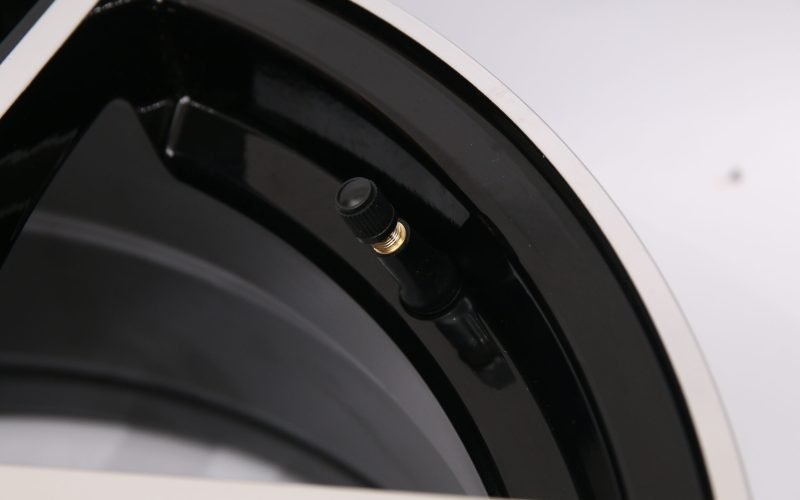 20Mar
20Mar 

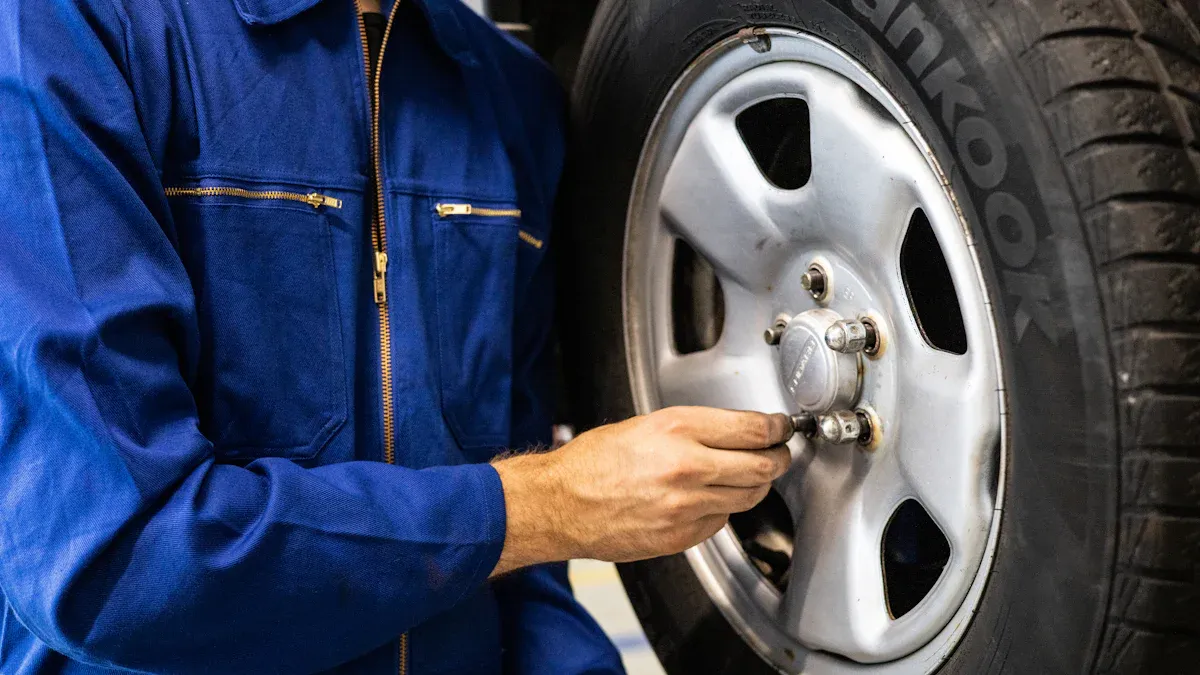
You might overlook valve stem caps, but these small parts play a big role in tire maintenance. Valve stem caps help keep dirt and moisture out of your tires. Without them, you risk air leaks and damage to your tire valve caps.
Missing or loose valve stem caps can lead to tire pressure loss and costly repairs.
Keep your tires safe and lasting longer by checking your valve stem caps often.
You might think tire valve caps are just small plastic pieces, but they play a big role in tire maintenance. Tire experts at Tire Rack explain that these caps protect the valve core from grit, sand, and moisture. When dirt or water gets inside the valve, it can cause the seal to fail. This leads to slow air leaks and makes it harder to keep proper tire pressure. Even though the valve core can handle high pressure, it cannot stop leaks if dirt or ice blocks the seal. Tire valve caps act as a backup seal. They help prevent air loss if the main valve core seal gets disrupted.
Over time, missing tire valve caps allow grime to build up inside the valve. This buildup can damage the valve and cause slow leaks. You may not notice the problem right away, but your tires will lose air faster. This means you will need to refill your tires more often. If you ignore this, you risk damaging your tires and spending more money on repairs.
Here is a table showing common problems when you do not use tire valve caps:
| Problem | Description | Prevention |
|---|---|---|
| Dirt and Moisture | Dirt and moisture enter the valve stem, causing slow air leaks or valve core damage. | Use high-quality tire valve caps and replace missing or broken ones promptly. |
| Corrosion | Road salt and moisture cause metal valve parts to corrode, weakening the valve. | Clean valve stems regularly and use tire valve caps to protect from moisture. |
| UV Damage | Sunlight makes rubber parts brittle and cracked, leading to air loss. | Park in shaded areas and use valve stem covers to reduce UV exposure. |
You can see that the importance of valve caps goes beyond just keeping your tires looking neat. They help you avoid problems that can shorten the life of your tires.
Tire valve caps do more than protect against dirt. They help keep your tires safe on the road. When you use tire valve caps, you help maintain proper tire pressure. This is important because low tire pressure can make your car harder to control. It can also cause your tires to wear out faster.
Industry experts say that tire valve caps serve as a backup seal. If the valve core seal fails, the cap helps stop air from leaking out. This keeps your tires at the right pressure. Proper tire pressure helps your car handle better and improves fuel efficiency. It also lowers the risk of a blowout, which can be dangerous.
Tire valve caps also protect the valve core from moisture and dirt. If these get inside, they can cause the valve to leak. Underinflated tires are a safety hazard. They make your car harder to steer and stop. They also increase the chance of a tire failure.
Here are some ways tire valve caps help keep you safe:
Professionals recommend using corrosion-resistant tire valve caps. Materials like plastic or chrome-plated brass work well. These materials prevent corrosion that can damage the valve stem and tire pressure sensors. You should replace tire valve caps during every tire service to make sure your tires stay protected.
Tip: Always check your tire valve caps when you check your tire pressure. Replace any missing or damaged caps right away. This simple step helps you avoid bigger problems and keeps your car safe.

Tire valve caps may look simple, but they serve important roles for your vehicle. You can find them made from plastic, metal like stainless steel or aluminum, and rubber. Each material offers unique benefits:
Tire valve caps protect the valve stem by sealing it. This keeps out dirt, moisture, and debris that could damage the valve core. When you use a tire valve cap, you help prevent corrosion and block harmful elements like rain, snow, and sunlight. Some metal caps even include a rubber washer or o-ring for a tighter seal. If you lose a cap, you risk letting debris enter the valve, which can cause leaks or damage.
Note: Always check that your tire valve caps are in place and not cracked or missing. This small step helps you avoid bigger problems later.
You rely on tire valve caps to help maintain tire pressure over time. Inside the valve stem, a spring-loaded pin called the valve core acts as a one-way check valve. It lets air in but stops it from escaping. The tire valve cap adds a second layer of protection. It seals the valve stem and keeps out dirt and moisture. If dirt gets inside, it can jam the valve core and cause leaks.
When you tighten the tire valve cap, you help protect air pressure inside your tires. This backup seal becomes important if the valve core ever fails. You also help keep consistent tire pressure, which means your tires wear evenly and your car handles better. Proper tire pressure improves safety and fuel efficiency.
If you want to keep your tires in top shape, always use tire valve caps. They help you maintain proper tire pressure and avoid costly repairs.
Tire valve caps play a key role in keeping your tires safe. You use them to keep dirt and debris out of the valve stem. When you drive, your tires face water, road salt, and dust. These contaminants can enter the valve if you do not have a cap. Tire valve caps block water, dirt, and road salt from reaching the Schrader valve. If these get inside, they can dirty or damage the valve. This increases the risk of air leaks. Air leaks cause your tires to lose pressure. Low tire pressure can make your tires wear out faster and even lead to blowouts. You also use tire valve caps to protect the valve threads. Plastic caps work well because they avoid corrosion and keep the valve clean.
Tip: Always check your tire valve caps after driving on muddy or salty roads.
You rely on tire valve caps for preventing air leakage. The valve stem has a spring-loaded core that seals air inside. Dirt or moisture can interfere with this seal. If moisture gets inside, it can freeze in cold weather. This may block the valve or force it open, causing pressure loss. Tire valve caps act as a barrier. They stop contaminants from entering and keep the valve working well. By protecting valve stems, you reduce the risk of leaks and valve damage. Tire valve caps give you an extra seal against air loss. This helps your tires keep the right pressure for longer.
Tire valve caps do more than just protect. They help your tires last longer and perform better. When you use tire valve caps, you keep the valve stem clean and free from damage. This means your tires hold air better. Preventing air leakage keeps your tires at the right pressure. Proper pressure helps your tires wear evenly. You also save fuel because your car rolls more easily. Protecting valve stems means you avoid costly repairs and keep your car safe. Tire valve caps support your tires’ health and help you get the best performance every time you drive.
Remember: Small parts like tire valve caps make a big difference in protecting valve stems and preventing air leakage.

When you drive without valve stem caps or use damaged ones, you expose your tire valves to dirt, debris, and moisture. These unwanted materials can enter the valve stem and contaminate the valve core. Over time, this contamination can cause tire air leaks. Moisture inside the valve can freeze in cold weather, making the valve brittle or cracked. You may notice slow air loss at first, but this can lead to flat tires if you do not address it. Missing caps also allow brake dust and grime to build up, which can damage the valve core and make it leak. If you ignore these problems, you risk tire leaks and possible tire failure.
You need to keep your tires at the right pressure for safe driving. Missing or damaged valve stem caps make it harder to maintain proper tire pressure. When air escapes, your tires become underinflated. Low tire pressure affects how your car handles and increases the risk of blowouts. Underinflated tires also make your car work harder, which means you use more fuel. Manufacturers recommend using metal valve stem caps with rubber gaskets to help keep air inside the tire. Without these caps, you face a higher chance of tire-related accidents because underinflated tires can fail suddenly.
Tip: Check your valve stem caps every time you check your tire pressure. This simple habit helps you avoid accidents and saves money on gas.
Ignoring missing or faulty valve stem caps can lead to expensive repairs. If dirt or moisture damages the valve core, you may need to replace the valve stem. Basic valve stem replacement usually costs up to $40 per tire at most shops. If your tire has a sensor, the cost can rise to $75–$125 per wheel. Standard rubber valve stems cost between $5 and $10, while valve stem caps are much cheaper, often under $1. Replacing a small cap is much less expensive than fixing a damaged valve or dealing with a flat tire. You can save money and avoid tire damage by checking and replacing valve stem caps regularly.
| Repair Component | Cost Range (USD) | Notes |
|---|---|---|
| Basic valve stem replacement | Up to $40 per tire | No sensor included |
| Valve stem with TPMS sensor | $75 to $125 per wheel | Includes sensor replacement |
| Standard valve stem parts | $5 to $10 | Varies by brand and type |
| Valve stem caps | Under $1 to $15 | Depends on product type |
You want valve stem caps that last and fit well. The material you choose affects how well the cap protects your tire valve. Here is a table to help you compare common materials:
| Material Type | Durability & Features | Fit & Compatibility |
|---|---|---|
| High-quality Aluminum | Very durable, resists cracking, handles tough use | Fits Schrader or Presta valves, strong threading |
| Metal (general) | More durable than plastic, but may corrode in snowy areas | Needs proper threading for a tight fit |
| Plastic | Keeps dirt and moisture out, less durable, not for high pressure | Fits most valves, but less secure |
You can also find CNC-machined aluminum caps. These offer top durability and style, making them a good choice for expensive tires or vehicles with tire pressure sensors. Metal caps, like stainless steel, give you a strong seal and last a long time. Plastic caps work well for basic protection but do not last as long. If your car has TPMS sensors and aluminum stems, plastic caps help prevent corrosion.
Tip: Choose a cap that matches your driving needs and local weather. Brass caps resist corrosion and last longer, even in wet or snowy conditions.
Modern valve stem caps do more than just cover the valve. Some have special features that make tire care easier. You can find caps with color indicators. These use a 3-color eye alert sensor. The colors show you if your tire pressure is good, low, or too high. You get a quick visual check every time you walk by your car. This helps you spot problems before they get worse. Color indicators make it easy to check your tire pressure and keep your tires safe.
Other specialty caps use materials like carbon fiber or titanium. These offer extra strength and style. Titanium caps work well in extreme weather because they resist corrosion and damage.
You keep your valve stem caps working well by following a few simple steps:
Remember: Regular checks and quick replacements help you avoid leaks and keep your tires in top shape. When you check your tire pressure, always look at your valve stem caps too.
Valve stem caps give you an easy, affordable way to protect your tires. When you check and replace them often, you help prevent air leaks, tire damage, and expensive repairs. Quality caps, like those made from durable ABS plastic, stop corrosion and keep your valve stems clean for years.
Trusting a manufacturer like Fortune means you get well-tested, reliable valve stem caps that support your tire’s health and your safety on the road.
You should check your valve stem caps every time you check your tire pressure. Most experts recommend doing this at least once a month. Always look for cracks or missing caps after driving on rough roads or in bad weather.
You can drive without a valve stem cap, but you risk dirt and moisture entering the valve. This can cause slow air leaks or valve damage. Always replace missing caps as soon as possible to keep your tires safe.
Metal caps, like aluminum or brass, offer strong protection and resist cracking. Plastic caps work well for everyday use and help prevent corrosion on metal valve stems. Choose a material that fits your driving needs and local weather.
Most standard valve stem caps do not affect TPMS. If your car uses aluminum valve stems, use plastic caps to prevent corrosion. Always avoid metal caps with no inner lining on TPMS-equipped vehicles.
You twist the old cap off by hand and screw the new one on until it feels snug. Do not use tools or over-tighten. Check that the cap fits securely to keep out dirt and moisture.
 Request a quote