What is the difference between rubber and metal tire valves?
 20Mar
20Mar 
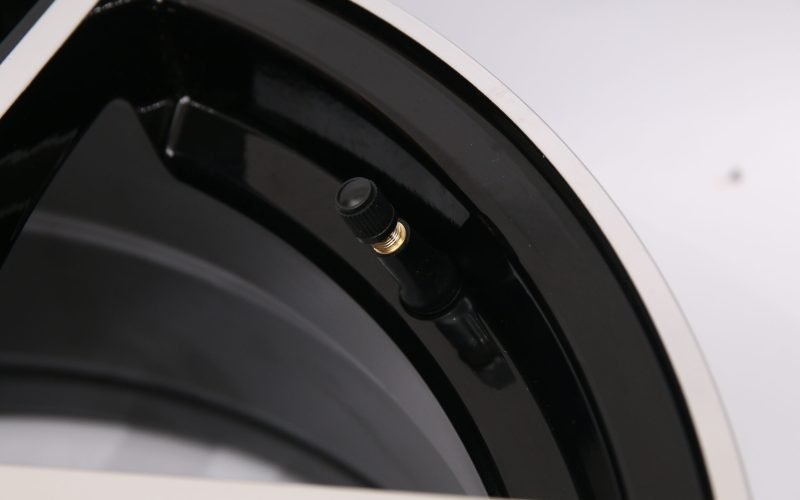
You need truck tubeless valves that match your vehicles and daily routes. When you choose the right tire valve stem, you stop air leaks before they start. This keeps your tires at the right pressure and helps avoid unexpected stops. A good fit also means you spend less time and money on repairs. If you know the types and features of each valve, you can make smart choices for your fleet.
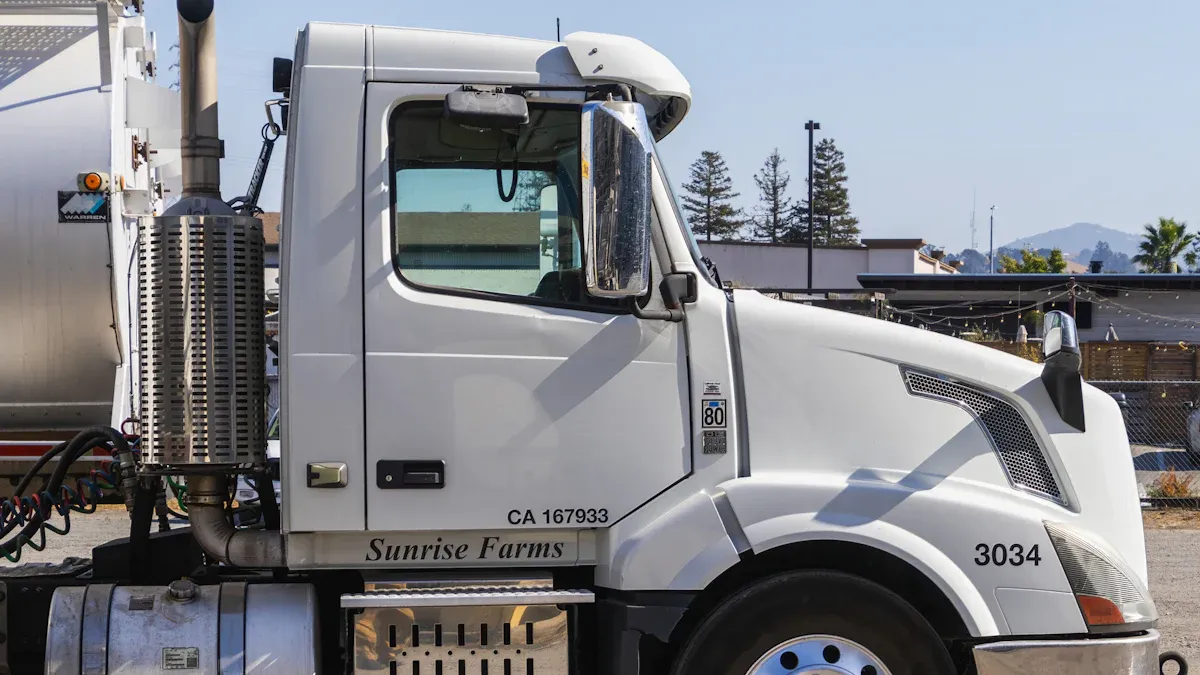
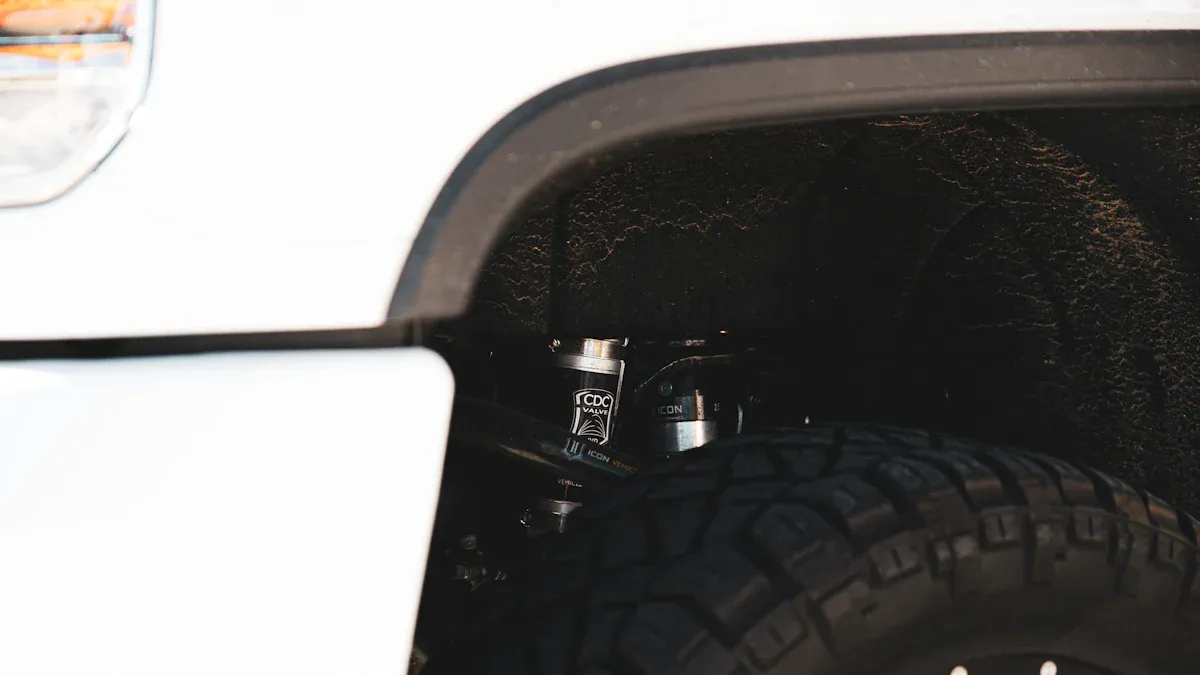
You may notice that your tires lose air faster than expected. This often happens when the tire valve stem does not fit well or has damage. Even a small leak can lower tire inflation pressure. When this happens, your trucks use more fuel and the tires wear out faster. You might also see more roadside breakdowns. According to the National Highway Traffic Safety Administration, underinflated tires cause about 11,000 tire-related crashes each year. If you use the right truck tubeless valves, you can prevent most of these leaks.
Tip: Check your tire valve stem for cracks or signs of aging during every inspection. Early detection helps you avoid costly repairs.
If you choose the wrong valve stem lengths or materials, the valve can wear out before the tire does. Short or long stems that do not match your wheel design may rub against the rim or get bent. This weakens the valve and can cause sudden air loss. You may also see corrosion if the valve does not have the right coating. Premature wear means you replace valves more often, which increases your maintenance costs.
Not all tire valve stems fit every wheel or tire. If you use a valve that does not match your wheel’s hole size or tire type, you risk leaks and poor performance. Some wheels need special valve stem lengths or shapes. Using the wrong type can make installation hard and may even damage the wheel. Always check your vehicle’s manual or ask your supplier for the correct valve type.
Note: Matching the right valve to your wheel and tire keeps your fleet safe and reduces downtime.
When you use the wrong truck tubeless valves, your fleet faces more downtime and higher maintenance costs. Every time a valve fails, you must take the truck off the road. This means lost deliveries and missed deadlines. You also spend more money on emergency repairs and replacement parts.
Fact: According to the American Trucking Associations, unplanned maintenance can cost up to four times more than scheduled maintenance. A simple valve issue can turn into a costly roadside repair.
You might notice these problems when you use valves that do not fit well or lack durability:
Each time a truck sits in the shop, you lose revenue. Your drivers wait, and your customers may not get their goods on time. If you use high-quality, properly fitted valves, you reduce these risks. You keep your trucks moving and your business running smoothly.
Here is a quick look at how improper valves impact your bottom line:
| Problem | Result | Cost Impact |
|---|---|---|
| Air leaks | More tire repairs | Increased expenses |
| Valve failures | Emergency roadside service | Higher labor costs |
| Poor fit | Repeated downtime | Lost revenue |
Tip: Track your fleet’s maintenance records. Look for patterns in valve-related issues. This helps you spot problems early and choose better valves for your trucks.
When you invest in the right truck tubeless valves, you save time and money. You also build a more reliable fleet that meets your customers’ needs every day.
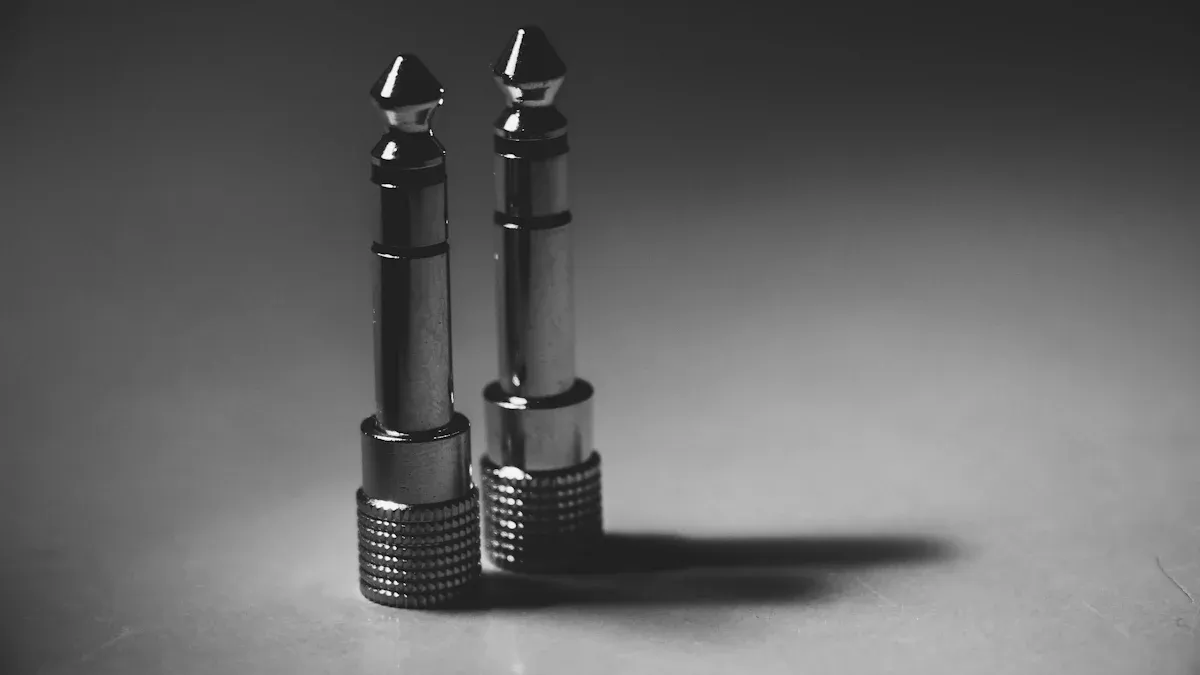
You want your truck tubeless valves to last through tough conditions. The material and construction of each valve play a big role in how well it stands up to daily use. When you choose a valve, look for strong materials that resist corrosion and wear. Here are the most common materials you will find:
A well-built tire valve stem keeps air inside your tires and helps prevent leaks. You should always check that the construction matches your fleet’s needs. If you drive in areas with a lot of salt or moisture, corrosion resistance becomes even more important. A strong valve means fewer replacements and less downtime for your trucks.
Tip: Inspect your valves for signs of rust or damage during every tire change. Early action can save you from bigger problems later.
Pressure ratings tell you how much air a valve can safely handle. You need to match the valve’s pressure rating to your truck’s tire inflation pressure. Using a valve with the wrong rating can lead to leaks or even blowouts. Always check the pressure ratings before you install a new valve.
If you use the right pressure rating, you keep your tires safe and your fleet running smoothly. You also avoid problems with tire valve stem failure. Always check the rim hole diameters to make sure the valve fits tightly. A loose fit can cause air leaks and lower performance.
Note: Never guess the pressure rating. Always use the numbers from your truck’s manual or the valve packaging.
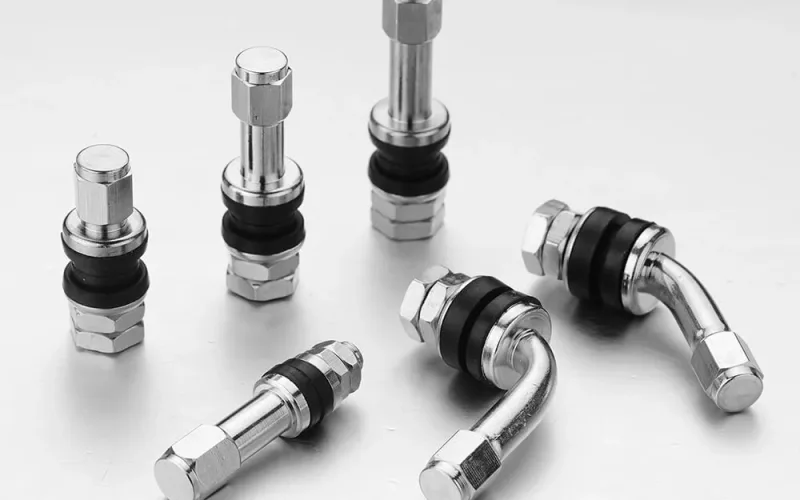
The design of the stem affects how well the valve fits your wheel and how easy it is to install. You will find several tire valve stem types, each made for different uses. Picking the right one helps you get a proper fit and keeps your tires at the right pressure.
You should always check the rim hole diameters before you pick a valve. If the stem does not match the hole, you risk leaks and poor performance. The right stem design also makes it easier for your technicians to install and service the valve. This saves time and reduces mistakes.
Callout: Matching the stem design to your truck’s needs helps you avoid common problems and keeps your fleet on the road.
You want your truck tubeless valves to last as long as possible. Corrosion resistance plays a big role in how well your valves perform over time. When you drive in rain, snow, or on salted roads, your valves face harsh conditions. Moisture and road salt can cause metal parts to rust. Rust weakens the valve and can lead to air leaks or even valve failure.
Manufacturers use special materials and coatings to fight corrosion. Brass and nickel-plated metals resist rust better than plain steel. High-pressure metal clamp-in valves often use these materials because they need to handle tough environments. If you choose valves with strong corrosion resistance, you protect your tires and wheels from damage.
Tip: Always check for signs of rust or pitting on your valves during routine inspections. Early action helps you avoid bigger problems later.
Some fleets use tubeless rubber snap-in valves for light trucks. These valves have rubber bodies that resist moisture, but you still need to check for cracks or hardening. For heavy-duty trucks, high-pressure snap-in valves and metal clamp-in valves offer better protection against corrosion. Choosing the right valve for your route and climate keeps your fleet running longer.
A quick look at corrosion-resistant materials:
| Valve Type | Common Material | Corrosion Resistance Level |
|---|---|---|
| Tubeless rubber snap-in valves | Rubber/Brass | Moderate |
| High-pressure snap-in valves | Brass/Nickel-plated | High |
| High-pressure metal clamp-in valves | Brass/Nickel-plated | Very High |
Note: Corrosion resistance saves you money by reducing valve replacements and preventing air leaks.
You want to keep your trucks on the road, not in the shop. Easy installation and simple maintenance help you reach that goal. When you choose valves that fit well and install quickly, you save time and reduce mistakes.
Here are some installation tips to help you get the best results:
These steps help you avoid leaks and make future maintenance easier. Tubeless snap-in valves are popular because they install quickly and do not need special tools. For heavy-duty trucks, high-pressure metal clamp-in valves may take more time to install, but they offer better performance and longer life.
Callout: Well-installed valves mean fewer air leaks and less time spent on repairs.
Regular checks also matter. Look for signs of wear, cracks, or loose fittings. Replace any valve that shows damage right away. Good installation and maintenance keep your fleet safe and lower your costs.
A simple checklist for valve installation and care:
When you follow these steps, you help your fleet avoid common problems and keep your trucks moving.
You need strong and reliable valve stems for heavy-duty trucks. These vehicles carry large loads and travel long distances. High-pressure valve stems work best because they handle the demands of heavy-duty trucks. You should look for valve stems rated above 65 PSI. Many fleets use brass valve stems because they offer strength and resist corrosion. Brass also stands up to rough roads and extreme weather.
If you operate in harsh environments, choose valve stems with extra corrosion resistance. This helps prevent leaks and keeps your tires safe. You protect your fleet and reduce downtime when you match the right valve stem to your heavy-duty trucks.
Tip: Always check the pressure rating before installing a new valve stem. This keeps your tires performing at their best.
Light commercial vehicles need different valve stems than heavy-duty trucks. These vehicles usually carry lighter loads and travel shorter routes. Standard tubeless rubber snap-in valves work well for most light commercial vehicles. These valves are rated for up to 65 PSI, which matches the tire pressure requirements for these trucks.
Choosing the right valve stem helps you avoid air leaks and keeps your tires in good shape. You save time and money on maintenance when you use the correct valve for your light commercial vehicles.
Specialty and off-road vehicles face unique challenges. You need valve stems with special features to handle rough terrain, mud, and water. These vehicles often use flow-through designs, which let you check and fill tire pressure without removing the cap. Internal gaskets help maintain pressure, even if the valve core leaks a little.
Here is a table showing important features for specialty and off-road vehicles:
| Feature | Description |
|---|---|
| Flow-through design | Lets you check and fill tire pressure without removing the cap. |
| Internal gasket | Maintains tire pressure even with minor valve core leaks. |
| Corrosion resistance | Uses brass or anodized aluminum to resist harsh elements. |
| TPMS safe | Works with tire pressure monitoring systems. |
| Weatherproof seal | Blocks dust, water, and road salt to protect the valve stem. |
You keep your specialty vehicles running longer when you choose valve stems with these features. You also reduce the risk of breakdowns in tough conditions.
Choosing the right truck tubeless valve for your fleet can feel confusing. You want a simple way to match valve types to your vehicles. This chart helps you find the best fit for each fleet vehicle. You can use it during inspections or when you order new valves.
| Vehicle Type | Valve Stem Length | Pressure Rating | Rim Hole Diameter |
|---|---|---|---|
| Heavy-Duty Trucks | 2 to 2.5 inches | Up to 200 psi | 0.625 inches |
| Light Commercial | 1.25 to 2 inches | Up to 65 psi | 0.453 inches |
| Off-Road/Specialty | 1.5 to 2.5 inches | Up to 100 psi | 0.625 inches |
Tip: Always check your truck’s manual before you choose a valve. The right size and pressure rating keep your tires safe.
Heavy-duty trucks need strong valves. You should look for valve stems that measure between 2 and 2.5 inches. These trucks often run at high pressures, so you need valves rated up to 200 psi. The rim hole diameter for heavy-duty trucks is usually 0.625 inches. This size helps prevent leaks and supports heavy loads.
Light commercial vehicles use shorter valve stems. These trucks work well with valves rated up to 65 psi. The rim hole diameter is smaller, which matches the lighter weight and lower pressure.
Specialty and off-road vehicles need flexible options. You may see valve stems from 1.5 to 2.5 inches. These vehicles often use valves rated up to 100 psi. The rim hole diameter matches that of heavy-duty trucks, so you get extra strength for rough terrain.
Note: If you run a mixed fleet, keep this chart handy. You can quickly check which valve fits each vehicle.
Heavy-duty trucks face tough conditions every day. You want to use valves that match their needs. Strong valve stems and high pressure ratings help your heavy-duty trucks stay on the road longer. When you use the right valve, you reduce downtime and save money.
Heavy-duty trucks benefit from regular valve checks. You should inspect valve stem length, pressure rating, and rim hole diameter during every maintenance cycle. This simple step helps you avoid air leaks and keeps your fleet moving.
You need to start by looking at your fleet’s daily work. Think about the types of trucks you use and the roads they travel. Heavy-duty trucks that haul long distances need different valves than light delivery vans in the city. If your trucks drive in areas with lots of rain or snow, you should look for valves that resist corrosion. Off-road vehicles need valves that can handle dirt, mud, and rough terrain.
Make a checklist to help you:
Tip: Ask your drivers and technicians about common problems. They can tell you if certain valves leak or wear out faster.
When you know your fleet’s needs, you can choose valves that last longer and keep your trucks moving.
You should always check the manufacturer’s recommendations before you buy new valves. Each truck and tire has specific requirements for the tire valve stem. The vehicle manual or tire guide will list the right size, pressure rating, and material. Using the wrong valve can cause leaks or even damage your wheels.
Look for these details in the specifications:
Manufacturers also provide certifications that show their valves meet safety and quality standards. For example, ISO 9001 certification means the company follows strict quality rules. Some valves have extra marks for meeting industry standards in North America or Europe.
Note: Always match the valve’s specs to your truck’s needs. This step helps you avoid costly mistakes.
You want to use valves that meet high quality standards. Look for products that have passed tests from trusted organizations. These tests check for strength, durability, and safety. Valves with industry approvals last longer and perform better under tough conditions.
Here is a table to help you spot important quality marks:
| Standard/Approval | What It Means | Why It Matters |
|---|---|---|
| ISO 9001 | Quality management certification | Ensures consistent quality |
| DOT | U.S. Department of Transportation mark | Meets U.S. safety standards |
| ECE | European safety approval | Required for EU vehicles |
| OEM Approved | Original equipment manufacturer tested | Matches factory requirements |
Callout: Choose valves from companies that test every product before shipping. This step gives you peace of mind and keeps your fleet safe.
You should also ask your supplier for proof of these standards. Trusted brands will share test results and certificates. When you use approved truck tubeless valves, you lower the risk of breakdowns and keep your fleet running smoothly.
You need to listen to your technicians and maintenance teams. They work with truck tubeless valves every day. Their feedback helps you spot problems early and improve your fleet’s performance. When you ask for their opinions, you get real-world insights that you cannot find in manuals or product guides.
Your technicians notice which valves last longer and which ones fail quickly. They see how easy or hard it is to install different valve types. You can use their experience to choose valves that fit your trucks and reduce downtime. Many fleets set up a simple feedback system. You can use forms, checklists, or even short meetings to collect information.
Tip: Ask your team to record valve issues during regular inspection. This helps you track patterns and make better choices for future purchases.
Here are some questions you can ask your technicians:
You can organize feedback in a table for easy review:
| Feedback Area | Technician Notes | Action Needed |
|---|---|---|
| Valve durability | Brass valves last longer than rubber | Order more brass valves |
| Installation speed | Snap-in valves install faster | Use snap-in for light trucks |
| Leak frequency | Clamp-in valves show fewer leaks | Use clamp-in for heavy-duty |
| Corrosion issues | Valves on salted roads rust faster | Choose corrosion-resistant valves |
You should review this feedback every month. You can spot trends and fix problems before they affect your fleet. When you act on technician advice, you build trust and improve your maintenance process.
Many fleets use technician feedback to update training and improve product selection. You can share results with your supplier to get better support. Your maintenance team feels valued when you listen to their ideas.
Note: Technician feedback helps you avoid costly mistakes and keeps your trucks running smoothly.
You can use feedback to set up a regular inspection schedule. This makes sure you catch valve problems before they lead to breakdowns. Your team can help you choose valves that match your fleet’s needs and operating conditions.
When you gather feedback from technicians and maintenance teams, you make smarter decisions. You keep your fleet safe, reduce costs, and improve reliability.
You need to make sure every tire valve stem matches your wheel and tire. If you skip this step, you risk air leaks and unsafe driving conditions. Many fleet managers assume the current valve stem fits, but this can lead to mismatches and air loss. Always inspect the stem hole specifications before installing a new valve. You should also check the torque requirements for each valve stem. If you do not tighten the valve stem correctly, you may face dangerous tire failures.
Tip: Always match the valve stem to your wheel’s size and type. Double-check the fit before installation.
You should review your fleet’s maintenance records before choosing new valve stems. If you ignore past problems, you may repeat the same mistakes. Look for patterns such as frequent air leaks, premature wear, or corrosion. Ask your technicians about common issues they see during inspections. This information helps you select valve stems that solve real problems in your fleet.
Note: Maintenance history gives you clues about which valve stems work best for your fleet.
You might feel tempted to pick the cheapest valve stems to save money. This choice often leads to higher costs over time. Budget valve stems wear out faster and may cause more breakdowns. Premium valve stems cost more upfront, but they last longer and reduce downtime.
“While budget tires cost less upfront, they wear out faster and may increase downtime, fuel consumption and the frequency of roadside events,” he said. “Premium tires, although more expensive initially, reduce total cost of ownership through better performance, longevity and retreadability.”
“On average, premium tires significantly exceed industry benchmarks for mileage and often only require replacement once per year,” he said. “In contrast, budget tires tend to deliver fewer miles per gallon and may need to be replaced two to three times annually, depending on the application. They also have a higher incidence of nonhazard roadside events, including blowouts.”
“It is not only about cost when it comes to tires in a fleet of our size that spans the U.S. Safety is of critical importance to us for our drivers as well as the public using the same roads. High-quality tires give us peace of mind that we are running the safest equipment we can. It helps that we see a return in the long run.”
Alert: Quality matters more than price. Investing in reliable valve stems keeps your fleet safe and saves money over time.
Matching truck tubeless valves to your fleet’s needs helps you avoid breakdowns and lower costs. You should always choose products with the right fit, high quality, and proper certifications. To keep your fleet reliable, review valve performance and technician feedback often. Try these best practices:
Most air leaks happen when you use the wrong valve type or size. Damaged or worn-out valve stems also cause leaks. Regular inspections help you catch these problems early. Always match the valve to your wheel and tire for the best results.
You should replace valves every time you change tires. If you notice cracks, corrosion, or leaks, replace the valve right away. Many fleets follow a schedule and check valves during every maintenance cycle to prevent unexpected breakdowns.
No, you cannot use one valve stem for every truck. Heavy-duty trucks, light commercial vehicles, and off-road vehicles need different valve types and pressure ratings. Always check your vehicle manual or use a quick reference chart to choose the correct valve.
Look for certifications like ISO 9001, DOT, or ECE marks on the packaging or product. These show the valve passed strict tests for safety and quality. You can also ask your supplier for test reports or certificates before you buy.
 Request a quote