What is the difference between rubber and metal tire valves?
 20Mar
20Mar 

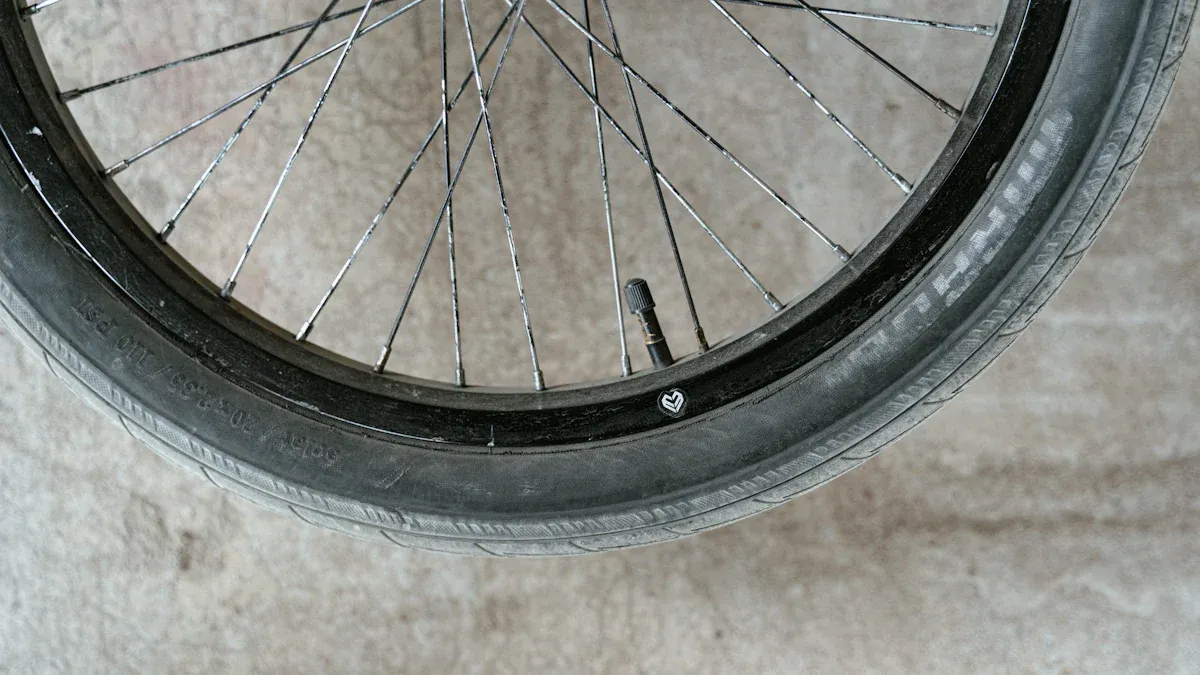
When you choose truck tubeless valves, you want products that last. Strong material quality means your tire valve stems hold up under tough conditions. If you pick a valve stem from a trusted brand like Fortune, you get more safety and fewer worries on the road. Many fleets see long-term savings because durable valves reduce breakdowns. Reliable parts keep your trucks running and your drivers safe.
Tip: Always look for manufacturers with years of experience and strict quality checks. This helps you avoid unexpected problems.
When you pick truck tubeless valves, you want them to last through tough jobs. Material quality makes a big difference. If you use strong materials, your valve stem can handle high pressure and rough roads. You don’t want a valve stem that cracks or wears out quickly. For heavy-duty trucks, the right materials help your tire valve stems stand up to heat, cold, and constant use.
Here are some common materials you’ll find in truck tubeless valves in 2025:
Choosing the right material means your valve stem works better and lasts longer.
You care about safety every time your truck hits the road. Strong valve stems keep your tires at the right pressure. If a valve stem fails, you risk a flat tire or even an accident. Good material quality helps your truck tubeless valves handle high pressure and extreme temperatures. Heavy-duty trucks need valve stems that work in freezing cold or blazing heat.
Let’s look at how features differ between light-duty and heavy-duty vehicles:
| Feature | Light-Duty Vehicles | Heavy-Duty Trucks |
|---|---|---|
| Pressure Ratings | Up to 65 psi | Up to 200 psi |
| Rim Hole Diameters | 0.453 inches, 0.625 inches | Typically around 0.625 inches |
| Temperature Ratings | -40°F to 180°F | -65°F to 250°F |
You see that heavy-duty trucks need valve stems that handle much higher pressure and wider temperature ranges. This keeps your truck safe and your tires working well.
When you shop for truck tubeless valves, check for top-quality materials. Look for valve stems made with strong metal and flexible rubber. Make sure the manufacturer tests each valve stem before shipping. Certifications like ISO9001 show you that the company cares about quality. You want a valve stem that meets industry standards and passes strict inspections.
Tip: Always ask about testing and certifications. This helps you get valve stems that last longer and keep your truck safe.
You want your truck tires to keep air in, no matter how rough the road gets. The latest truck tubeless valves use advanced sealing technologies to make sure your tires stay inflated. Many valve stem sealing mechanisms now use CNC machining. This process creates tight fits and smooth surfaces, which boost air retention by up to 20%. You also see more use of recyclable materials like EPDM rubber and brass. These materials help create a strong air-tight seal and support sustainability.
Here’s a quick look at some popular valve types and their features:
| Valve Type | Features | Max Pressure | Applications |
|---|---|---|---|
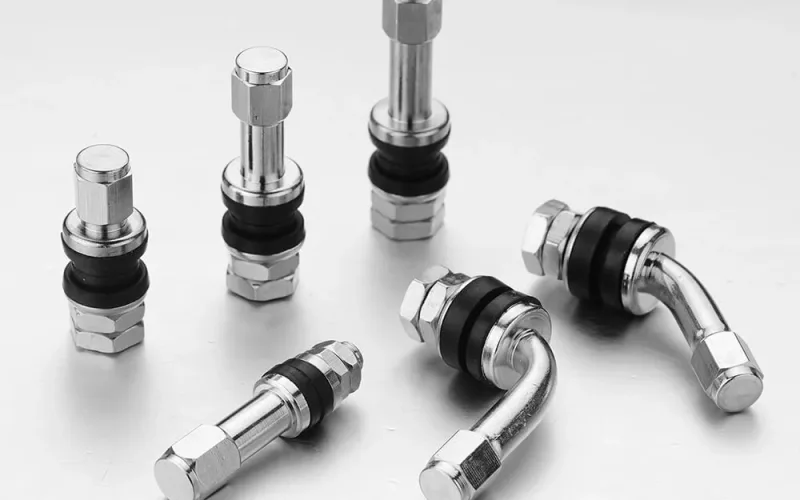
| High-pressure metal clamp-in tire valve | Uses rubber grommet for sealing, easy adjustment of retaining nut | 200 psi | Track activities, high-speed vehicles |
| Tubeless snap-in high-pressure tire valve | Flexible rubber for sealing, quick installation | 80 psi | Heavy-duty trucks, buses |
| Tubeless rubber snap-in tire valve | Simple design, reliable for everyday use | 65 psi | Light and medium trucks |
When your valve stem leaks, you risk losing air fast. This can lead to flat tires, breakdowns, or even accidents. You want to avoid these problems. Modern sealing solutions, like LiQuiTube, can seal punctures up to 1/4 inch in the tread area. They also protect against leaks from the bead, rim, and even weather cracking. By keeping your tires at the right pressure, these technologies help your truck run cooler and save fuel. You spend less time fixing flats and more time on the road.
Tip: Regularly check your valve stems for signs of wear. Quick checks can prevent big problems later.
The market for tubeless tire valves keeps growing because they hold air better and resist punctures. Manufacturers now design valve stems to work with many tire types and new tire pressure monitoring systems. These innovations make your truck safer and more efficient. You get longer-lasting valve stems and fewer air leaks. With better valve stem sealing mechanisms, you can trust your tires to perform well, even under heavy loads and tough conditions.
Truck wheels keep changing. You see new tire sizes and different wheel materials every year. Some trucks use lightweight alloys, while others stick with steel. You need tubeless valves that fit these changes. If your valve does not match the rim hole or the tire size, you risk leaks or even blowouts. Always check the specs before you buy. Many modern valve stem components now come in a range of sizes and shapes. This helps you get a perfect fit, no matter what wheels your fleet uses.
Here’s a quick table to help you compare:
| Wheel Material | Common Valve Type | Key Benefit |
|---|---|---|
| Steel | Metal clamp-in valves | Extra durability |
| Alloy | Snap-in rubber valves | Flexibility & seal |
Tip: Always match your valve to your wheel material for the best performance.
You probably use TPMS to keep an eye on your tire pressure. These systems help you spot problems before they get serious. When you install a tubeless tire with TPMS, you need to be careful. The sensors sit close to the valve. If you rush the job, you might damage the sensor or the valve. Here are some things to watch out for:
If you take your time and follow the right steps, you keep your sensors safe and your tires working right.
Truck parts must meet strict rules. You want valves that pass all the latest tests. Look for products with ISO9001 certification. This shows the manufacturer cares about quality and safety. Many fleets now need valves that work with both older and newer trucks. If your valves meet industry standards, you avoid fines and keep your trucks on the road. Always ask your supplier about certifications and test results. This helps you choose parts that last and keep your drivers safe.

You want tire valve stems that make your job easier. Many new designs focus on quick installation and simple checks. If you manage a fleet, you know how important it is to keep trucks moving. User-friendly valve stems help you save time during tire changes. Some models, like the tubeless rubber snap-in tire valve, let you install them without special tools. You just push them into place, and they seal right away. The tubeless snap-in high-pressure tire valve also offers fast installation, which is great when you need to get trucks back on the road quickly.
Maintenance can eat up your budget if you’re not careful. You want to avoid problems that slow down your fleet. Here are some common challenges you might face:
Choosing high-pressure metal clamp-in tire valves helps reduce these issues. These valves use strong materials and precise designs to keep air in and prevent leaks. When you catch problems early, you spend less on repairs and keep your trucks running longer.
Tip: Regular inspections and quick replacements help you avoid costly breakdowns.
You want features that make replacement and service easy. Look for valve stems with clear markings and simple shapes. Some tire valve stems come with color-coded caps so you can spot them fast. Others use snap-in designs that let you swap them out in minutes. If you use valves with built-in seals, you don’t need extra parts or tools. This saves you time and keeps your fleet moving.
Here’s a table to help you compare:
| Valve Type | Ease of Replacement | Service Tools Needed |
|---|---|---|
| Tubeless rubber snap-in tire valve | Very easy | None |
| Tubeless snap-in high-pressure tire valve | Easy | Basic hand tools |
| High-pressure metal clamp-in tire valve | Moderate | Torque wrench |
You can see that snap-in valves make service simple. If you choose the right valve stem, you spend less time in the shop and more time on the road.
You know how tough the road can get. Rain, snow, and salt can wear down your truck parts fast. If you want your valve stem to last, you need the right materials and coatings. Some options work better than others when it comes to fighting rust and corrosion. Take a look at this table to see which ones stand out:
| Material/Coating | Properties |
|---|---|
| Viton™ Grommets | Better temperature range & tear resistance |
| Zinc Plating | Provides corrosion resistance |
| Stainless Steel Coating | Ensures longevity and corrosion resistance |
Viton™ grommets handle extreme temperatures and resist tearing. Zinc plating gives your valve stem a shield against rust. Stainless steel coatings keep your parts strong and looking new, even after years of use.
Tip: If you drive in areas with lots of salt or moisture, always check for these coatings on your truck tubeless valves.
You want your truck on the road, not in the shop. Choosing valve stems with strong coatings means you get more miles before you need a replacement. Stainless steel and zinc-plated valve stems stand up to harsh weather and rough roads. You spend less time worrying about leaks or rust. Even the tubeless rubber snap-in tire valve can last longer if it uses high-quality rubber and a good seal. Regular checks help you spot problems early, so you can fix them before they get worse.
Saving money matters to every fleet manager. When you pick heavy-duty valves with corrosion-resistant coatings, you cut down on replacements and repairs. You avoid surprise breakdowns and keep your trucks moving. Long-lasting valve stems mean fewer service calls and less downtime. Over time, these small choices add up to big savings. You get more value from every truck in your fleet.
Note: Investing in quality now helps you avoid bigger costs later. Your trucks stay reliable, and your business runs smoother.
When you pick truck tubeless valves, you want the best for your fleet. The five features—durability, air retention, compatibility, easy maintenance, and corrosion resistance—keep your trucks safe and reliable. Take a look at how these features help:
| Feature | Benefit |
|---|---|
| Durability | Resists wear and lasts longer |
| Air Retention | Prevents leaks and keeps tires strong |
| Compatibility | Fits new tire sizes and wheel materials |
| Easy Maintenance | Saves time and lowers costs |
| Corrosion Resistance | Handles harsh weather and road conditions |
Choose trusted brands like Fortune for quality, innovation, and peace of mind in 2025.
You want valves made from brass, stainless steel, or high-quality rubber. These materials resist corrosion and handle high pressure. Look for ISO9001 certification. This shows the manufacturer tests for strength and safety.
Check your wheel’s rim hole size and material. Most heavy-duty trucks use 0.625-inch holes. Match the valve type—snap-in or clamp-in—to your wheel’s material. Always read the specs before you buy.
Yes, you can install snap-in valves by hand. Clamp-in valves need a torque wrench. Always follow the instructions. If you use TPMS, take care not to damage the sensor during installation.
Replace valves every time you change tires. If you drive in harsh weather or see cracks, swap them sooner. Regular checks help you spot leaks or damage early.
Most modern valves support TPMS. You need to choose valves designed for sensor compatibility. If you’re not sure, ask your supplier or check the product details.
 Request a quote