 04Feb
04Feb 

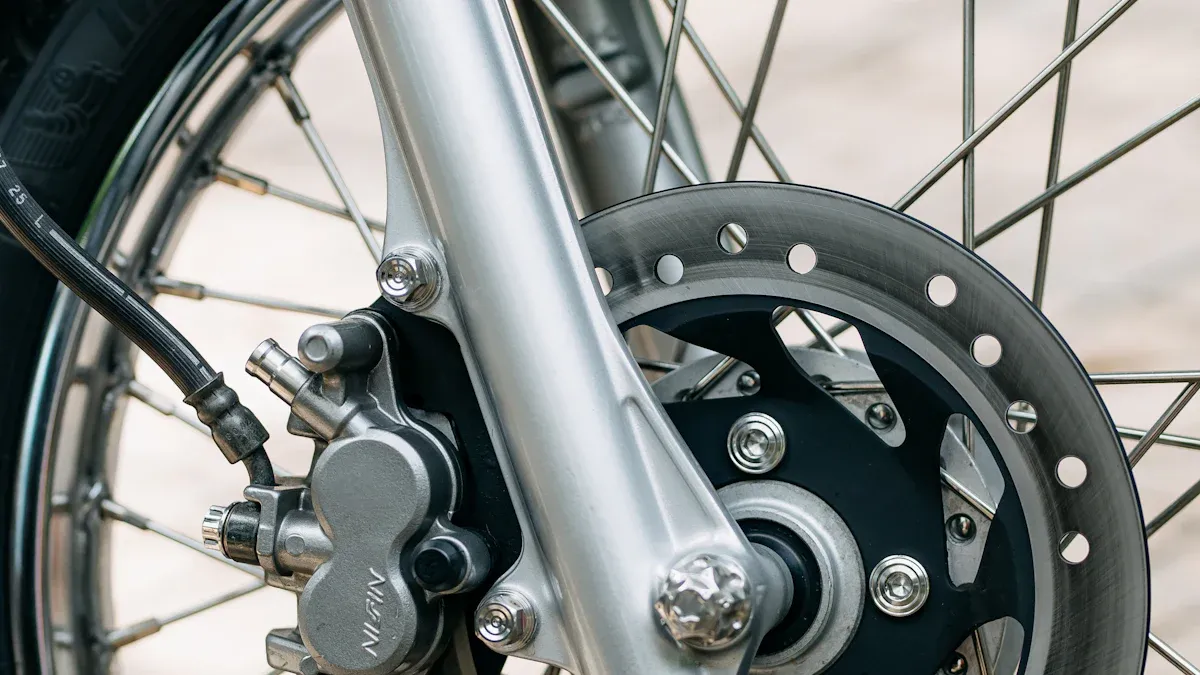
Many drivers want to know how much it costs to fix or change a TPMS sensor. Replacing a tire pressure monitoring sensor usually costs between $321.21 and $376.61. Working TPMS sensors are important because they help keep cars safe and tires in good shape. A TPMS valve stem works with the TPMS valve sensor and TPMS valve core. These parts check the air pressure and tell drivers if something changes. The price can be different based on the car, the kind of sensor, and where you get it fixed.
Tire pressure monitoring sensor replacement: $321.21–$376.61
Key Takeaways
Replacing a TPMS sensor usually costs between $321.21 and $376.61. The price depends on your car and where you get it fixed. Aftermarket sensors cost less than OEM sensors. But, they might need extra setup. Aftermarket sensors cost from $20 to $100 each. Labor costs are different everywhere. Dealerships charge $100 to $300 for each sensor. Independent shops may charge $30 to $100 for each tire. Fixing a TPMS sensor can save money if it still works. Simple fixes, like changing a valve stem, cost less than getting a new sensor. Getting quotes from different places helps drivers find the best price. This also helps them avoid surprise fees.
TPMS Sensor Replacement: Average Cost
Cost of Parts
The cost for TPMS sensor parts changes by type and brand. Direct TPMS sensors for OEM cars usually cost $50 to $100 for each wheel. Aftermarket sensors are cheaper, costing $20 to $60 each. Some aftermarket sensors cost $30 to $100, but OEM sensors can be $80 to $120 each. Entry-level sensors have simple features and basic tech. Mid-range sensors last longer and work with more cars. High-end sensors have special features for better tire checks.
Tip: Aftermarket sensors cost less at first, but some cars need extra setup or checks.
Labor Charges
Labor costs for TPMS sensor replacement are different by shop and area. Dealerships charge $100 to $300 for each sensor. Some places say labor at dealerships can be $150 to $250, including parts. Independent shops may charge less, about $30 for each tire. Most shops charge $50 to $100 for each tire. Costco charges $15 for labor and $45 for the sensor per tire.
Service Provider | Labor Cost Range |
|---|---|
Dealership | $100 – $300 per sensor |
Independent Shop | $30 – $100 per tire |
Costco | $15 per tire |
Additional Fees
There can be extra fees for TPMS sensor replacement. Some shops charge for setting up new sensors to work with your car. Dealers may add $75 for programming each sensor. Local tire shops like Discount Tire charge $60 for each sensor and can check for low battery. Some cars need a special tool to set up the sensor, which can cost more. You might also pay to throw away old sensors or valve stems.
Note: The tpms valve stem is very important. If it is broken or old, changing it during TPMS sensor replacement helps keep your car safe.
The total price for TPMS sensor replacement depends on the shop, area, and if you bring your own parts. Prices can be $60 to $250 for each sensor. Four sensors can cost $246 to $314. Labor and extra fees can make the price higher, so check prices at different shops to get the best deal.
TPMS Valve Stem Cost Factors
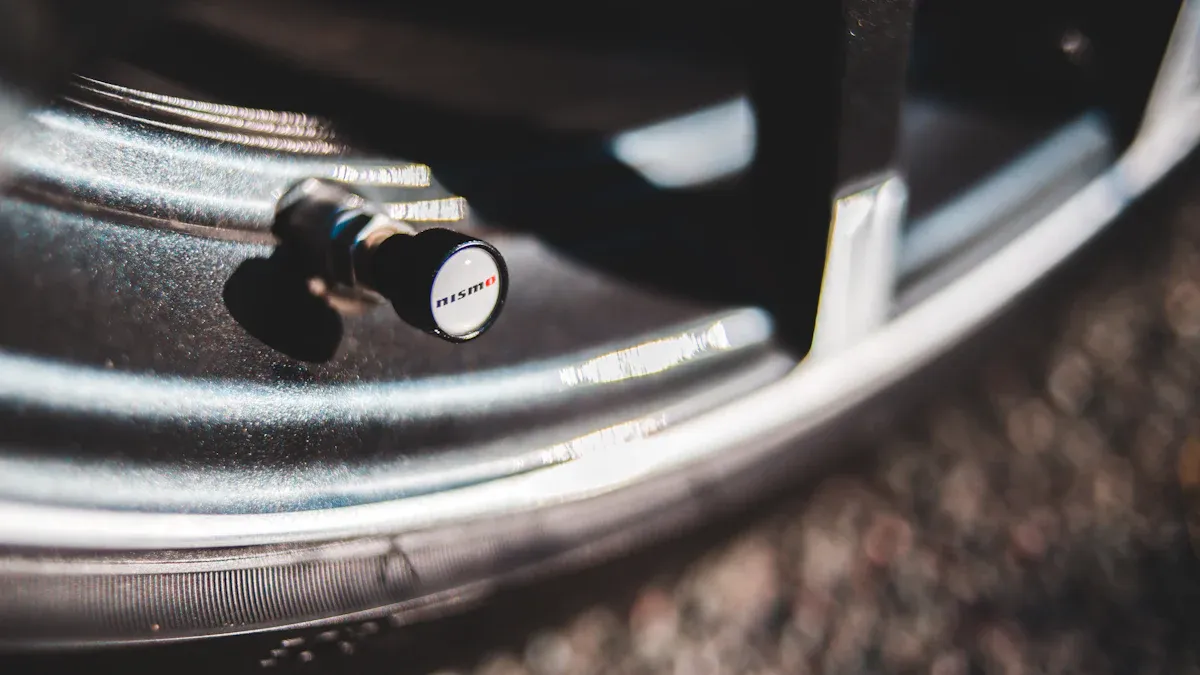
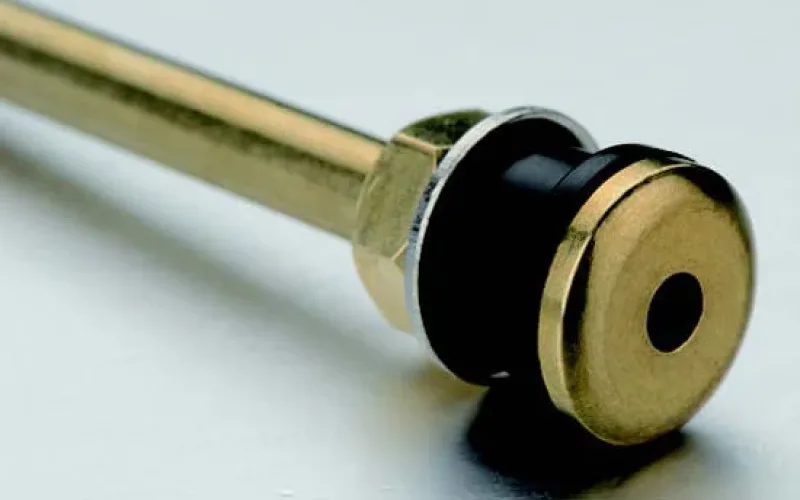
A tpms valve stem helps keep tires safe. It connects the sensor to the wheel. Air moves in and out through it. The Fortune TPMS Valve Stem uses strong alloy. It does not rust easily. It fits many cars. Drivers can put it in without special tools. This makes it a good choice. It works well and is easy to care for.
Vehicle Type
The kind of car changes the price to replace a tpms valve stem. Fancy cars like BMW or Mercedes need special OEM sensors. These cost more money. Trucks and SUVs use different sensors. This can change the price too. Some cars need extra programming. This makes labor cost more. The table below shows how car type affects cost:
Factor | Description |
|---|---|
Vehicle Make/Model | Fancy cars like BMW or Mercedes need pricey OEM sensors. |
Sensor Type | Different cars use different sensors, which changes the cost. |
Programming Required | Some cars need special tools, so labor costs go up. |
Sensor Type (OEM vs. Aftermarket)
Picking OEM or aftermarket sensors changes price and fit. OEM sensors match the car’s parts. They are high quality. Aftermarket sensors fit many cars. They cost less. The table below compares these choices:
Feature | OEM Sensors | Aftermarket Sensors |
|---|---|---|
Fit and Compatibility | Fits certain car models exactly | Fits many car models |
Quality and Reliability | Very good quality | Quality depends on who makes it |
Cost | Costs more | Costs less |
Warranty Coverage | Comes with maker’s warranty | Warranty is different for each brand |
Potential Compatibility Issues | Few problems | May need extra programming |
Service Location
Where you go for service changes the price. Dealerships charge more for work and parts. Small shops and tire stores may cost less. Some places, like Walmart, are cheaper. The table below lists service places and their prices:
Service Provider | Cost per Tire | Additional Notes |
|---|---|---|
Costco | Changes | You need a membership, extra service pack offered |
Discount Tire | $60 – $70 | Install included, bring your own sensor for $20 install |
Walmart | $25 – $28 | One of the cheapest choices |
Pep Boys | $110 | Costs more, extra fees may be added |
Tip: Drivers can save money by checking prices and picking the best place for them.
Repair vs. Replacement: Which Is Better?
When Repair Is Possible
Drivers sometimes wonder if they need to replace a TPMS sensor or if a repair will work. Repair is possible in several situations:
The sensor still works and does not show any warning lights.
Only the tpms valve stem or a small part is damaged, not the whole sensor.
The sensor battery still has power and the sensor is not too old.
The sensor is older but still works, and the driver wants it to last until the next tire change.
The car gets new tires, but the sensors are only a few years old and still function well.
In these cases, a mechanic can often fix the problem by replacing the valve stem or sealing a leak. This saves money and keeps the sensor working.
When Replacement Is Needed
Replacement becomes necessary when the sensor stops working or the battery dies. Most TPMS sensor batteries last five to ten years. If the sensor is broken or the warning light stays on, a new sensor is the best choice. Drivers should also replace sensors if they are very old and may not last through the life of new tires. Some cars need new sensors if the old ones cannot be programmed to work with the car’s system.
Cost Comparison
Repairing a TPMS sensor usually costs less than replacing it. Simple repairs, like changing the valve stem, cost much less than a new sensor. The average cost to replace a TPMS sensor ranges from $314 to $368 for all four wheels. Repair costs depend on the problem, but they are often much lower. Choosing repair can save money if the sensor still works well. Replacement gives peace of mind and longer life, but it costs more up front.
Where to Get TPMS Sensor Fixed
Picking where to fix a TPMS sensor changes price and service. Drivers can choose from different places. Each place has good and bad points.
Dealership
Dealerships use real parts and have expert workers. They charge the most for TPMS sensor work. Most dealerships check your car with special tools. They promise their work will be done right. The price at a dealership is $300 to $400 or more for each sensor. This cost pays for putting in and setting up the sensor. Dealerships are best for new cars or cars needing special sensors.
Independent Shop
Independent shops cost less but still have skilled workers. These shops can change TPMS sensors for less money than dealerships. The price at these shops is $50 to $120 for each sensor. Some shops sell sensors for only $20 to $35. Service can be different at each shop. Many independent shops have good workers. The table below shows how prices compare:
Service Provider | Cost Range (Per Sensor) | Notes |
|---|---|---|
Costco | $45 – $65 | Includes installation and programming |
Car Dealership | $300 – $400+ | High-end pricing, genuine parts |
Independent Shops | $50 – $120 | Varies by location and car model |
Tire Shop
Tire shops like Discount Tire or Walmart have good prices. These shops often put in sensors when you buy new tires. Walmart charges $25 to $28 for each tire. This is one of the cheapest choices. Tire shops have the right tools and know-how for most cars. They can also change valve stems fast.
DIY Options
Some drivers fix TPMS sensors themselves to save money. Doing it yourself costs less but needs special tools. You need a torque wrench to tighten the sensor right. Use new seals and nuts if you reuse a clamp-on sensor. Clean around the sensor and valve stem to stop leaks. Do not tighten the sensor nut too much or it may break. DIY repairs might need programming tools, which can cost more.
Tip: Doing it yourself saves money if you have the right tools and know how to fix things.
Tips to Save on TPMS Sensor Replacement
Compare Quotes
Drivers can save money by looking at prices from different shops. Each shop has its own prices and service deals. Some shops include programming and putting in the sensor, but others charge more for these. By checking many quotes, drivers see what is covered and what is not. This helps them pick the best deal for what they need. Comparing quotes also shows how each shop handles costs and risks. Drivers who match coverage and options make better choices. They often find good deals and do not pay for things they do not need.
Tip: Always ask for a list of all costs before you agree to any work. This keeps your car safe and stops surprise fees.
Use Aftermarket Parts
Picking aftermarket parts, like Fortune TPMS valve stems, can save money. Aftermarket valve stems fit many cars and last a long time. Fortune TPMS valve stems do not rust and can handle heat. This helps keep your car safe for a long time. These parts are easy to put in and work with many sensors. Drivers who look at aftermarket options often pay less than for OEM parts. Many aftermarket sensors and valve stems work well and help keep tire pressure right.
Aftermarket parts usually cost less than original parts.
Fortune TPMS valve stems are easy to use and fit many cars.
Using aftermarket sensors can save money and keep cars safe.
Bundle Services
Many shops give discounts if you get more than one service at once. Changing all four sensors together can save money. Some shops lower labor costs if you get sensor work with tire rotation or new tires. Bundling services helps drivers get more for their money. It also makes sure all parts work well to keep cars safe.
Shops may have deals for changing more than one sensor.
Doing sensor work with tire jobs can lower the total price.
Bundling services helps keep the TPMS system and tires working well.
Checking your tires often, keeping the right air pressure, and watching tire health can stop TPMS problems. Drivers who update their TPMS software and pick the right sensor options keep their cars safe and save money over time.
TPMS sensor and valve stem repair costs can change for many reasons. Look at the table below to guess your own costs:
Factor | What to Think About |
|---|---|
Vehicle and sensor type | Some cars need special sensors that cost more money. |
Labor and tools | Shop prices and programming tools can make it cost more. |
Sensor quality | Good sensors last longer and work better. |
Number of sensors | Changing all sensors at once can make labor cheaper. |
Drivers should check prices and pick safe, good parts to get the best deal.
 Request a quote