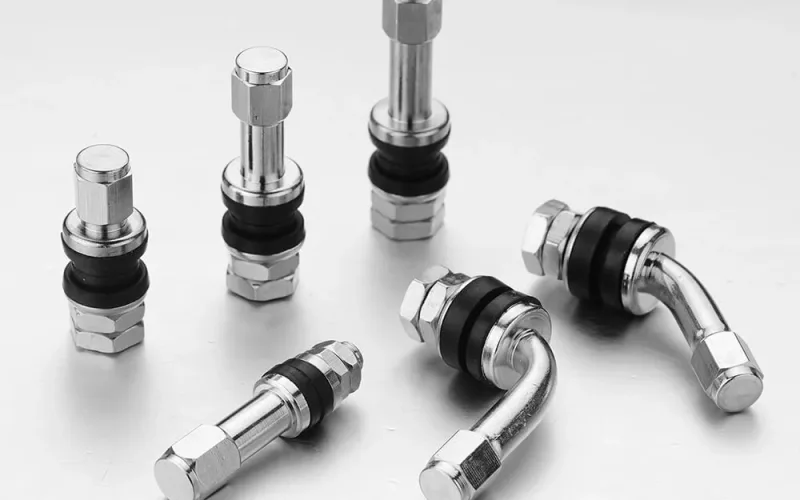
What is the difference between rubber and metal tire valves?
 20Mar
20Mar 

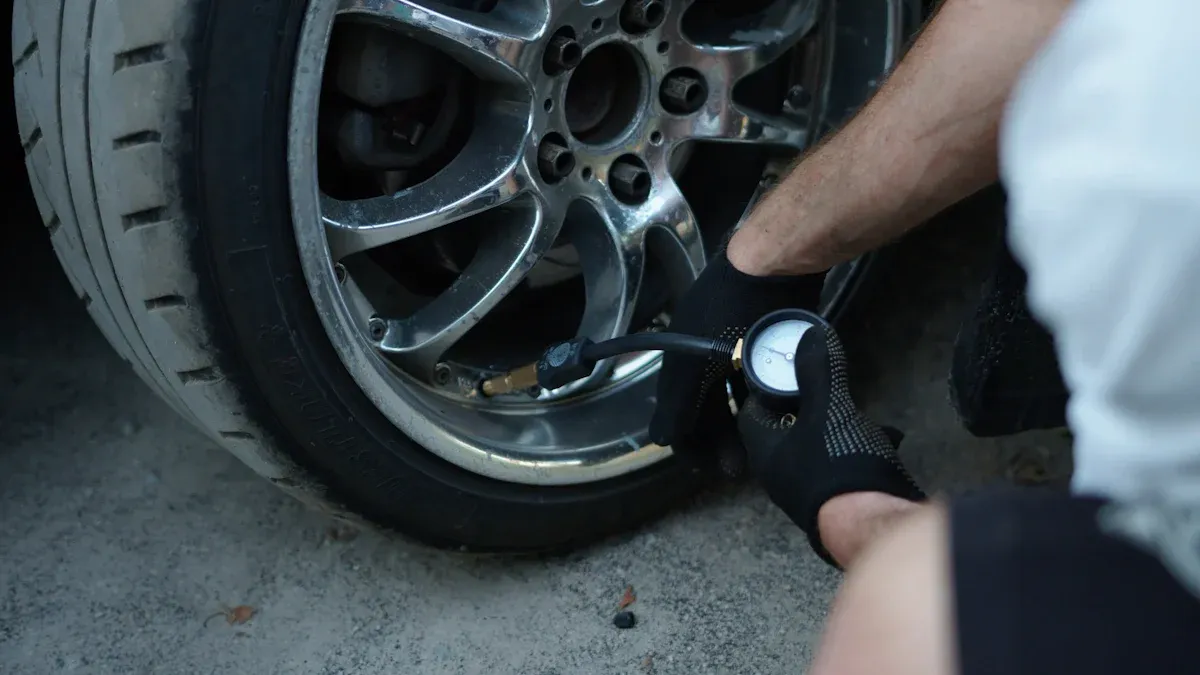
When you choose a tpms sensor valve stem, you protect your tires and keep your vehicle safe. You should look for strong materials and reliable seals. A good valve stem helps your tpms work well and saves you money by reducing repairs. You get better performance and fewer problems when you pick the right product.
When you select a tpms sensor valve stem, you should pay close attention to the material. The material affects how long the valve stem lasts and how well it performs. You will find two common types:
Rubber stems need regular replacement to prevent slow leaks. Aluminum stems may face bigger problems if corrosion sets in. You should always choose a tpms sensor valve stem made from high-quality materials to keep your tires safe.
Tip: Inspect your valve stems every time you check your tire pressure. Early detection of wear helps you avoid sudden problems.
Corrosion can weaken your tpms valve stems and lead to dangerous failures. You must consider how well the valve core resists corrosion. Nickel-plated brass valve cores work best for tpms applications. They stand up to moisture and road salt, which often cause corrosion. Regular brass valve cores do not offer enough protection and can lead to galvanic corrosion. Nickel plating is essential for long-lasting performance.
Common causes of corrosion include:
You should always choose nickel-plated brass valve cores. This choice helps you avoid corrosion and keeps your tpms working reliably.
A strong air seal keeps your tires inflated and your tpms accurate. Different valve stem designs offer different levels of reliability. You can compare them using the table below:
| Design Feature | Impact on Air Seal Reliability |
|---|---|
| Metal Valves | Superior resistance to corrosion and temperature extremes. |
| Reinforced Valve Stems | Improved sealing mechanisms to prevent air leaks under stress. |
| High-Quality Synthetic Rubber | Enhanced durability and longer lifespan of the seal. |
Corrosion weakens metal valve stems and can cause sudden air pressure loss. Road salts and moisture speed up this process. If a valve stem breaks, you may lose air quickly, which puts you at risk. You should choose valve stems with reinforced seals and corrosion-resistant materials. This choice helps you maintain tire pressure and tpms accuracy.
Note: Always check for signs of corrosion or damage before long trips. Reliable air seals protect you and your vehicle.
You want to make sure that installing your TPMS sensor valve stem is simple and safe. The right installation process helps you avoid damage and keeps your sensors working well. Some valve stems are easier to install than others. You should always follow the best practices to get the best results.
When you install a TPMS sensor valve stem, you need to pay attention to a few important steps. These steps help you avoid mistakes and keep your sensors in good shape. Here is a table that shows the top recommendations for installing TPMS sensor valve stems:
| Recommendation | Description |
|---|---|
| Clean the valve stems | Wipe each valve stem with a dry, lint-free cloth to remove grime and inspect for damage. |
| Avoid over-tightening | Follow the manufacturer’s specified torque value to prevent mechanical damage to the sensor. |
| Ensure proper sensor programming | Use the step-by-step setup guide to confirm each sensor ID matches the correct tire location. |
Tip: Always use the right tools when you install a valve stem. This helps you avoid over-tightening and keeps your sensors safe.
The type of TPMS sensor valve stem you choose can change how long it takes to install. Some types are much faster to install than others. You can see the differences in the table below:
| Sensor Type | Installation Method | Installation Time Impact |
|---|---|---|
| Cap Sensor | Screws onto the valve stem | Quick and easy |
| Flow Thru Sensor | Screws onto the valve stem, allows air fill | Quick and easy |
| Internal Sensor | Requires tire dismount for installation | Significantly increases time |
If you use a cap sensor or a flow thru sensor, you can finish the job quickly. You only need to screw the sensor onto the valve stem. If you use an internal sensor, you must remove the tire from the wheel. This takes much more time and may need special tools.
When installing tpms sensors, you should always check the fit and follow the instructions from the manufacturer. This helps you avoid leaks and sensor errors. You also protect your investment and keep your tires safe.
Note: If you feel unsure about installing a TPMS sensor valve stem, you can ask a professional for help. This ensures a proper fit and keeps your TPMS system working as it should.
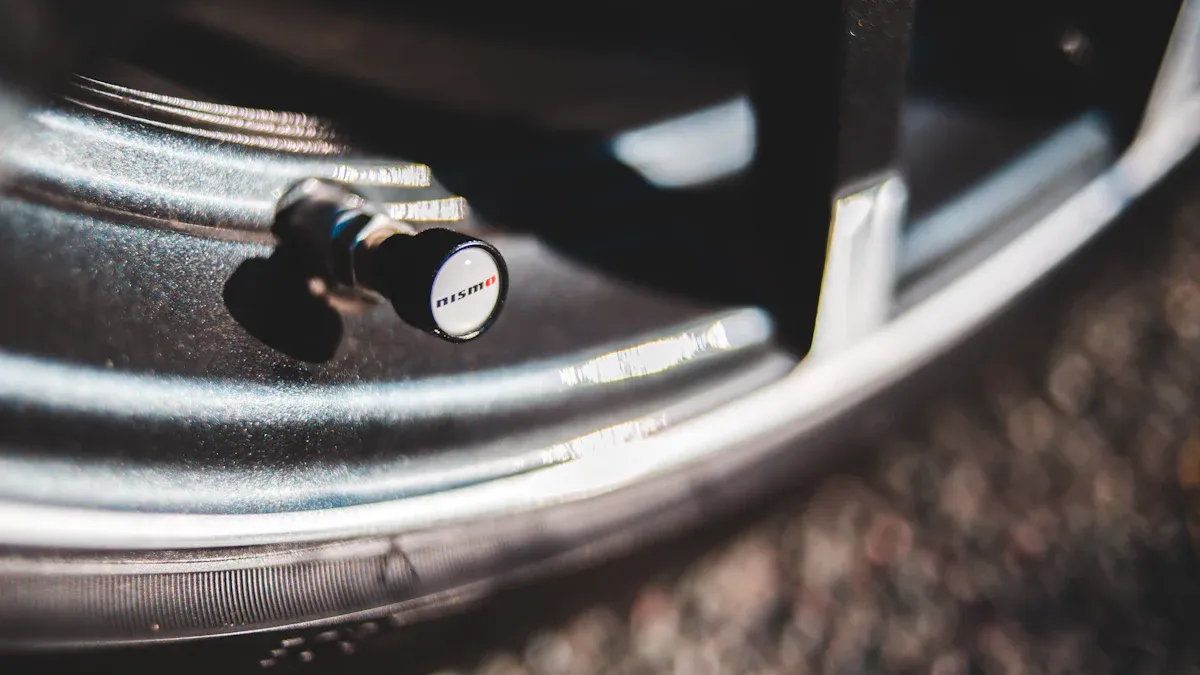
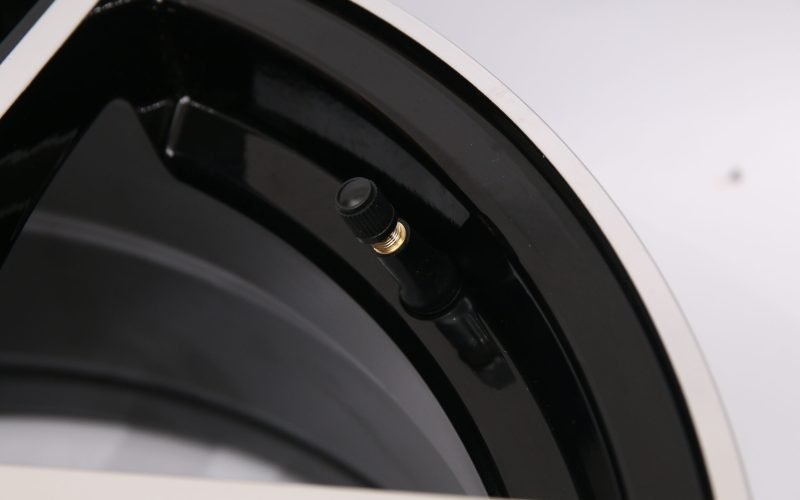
You may wonder what a TPMS sensor valve stem does for your vehicle. This part connects your tire to the tire pressure monitoring system, or TPMS. It helps you keep track of tire pressure and temperature. You find two main types of sensors: internal and external. Internal sensors sit inside the tire and measure pressure and temperature directly. External sensors attach to the valve stem and perform similar monitoring.
A TPMS sensor valve stem contains several important parts. These include a pressure sensor, an analog-digital converter, a microcontroller, a system controller, an oscillator, a radio frequency transmitter, a low frequency receiver, and a voltage regulator for battery management. Each part works together to collect data and send it to your vehicle’s TPMS control module. This system gives you real-time updates about your tires.
Tip: If you want to avoid tire pressure issues, make sure your TPMS sensor parts are in good condition. Regular checks help you catch problems early.
TPMS valve stems play a key role in keeping you safe on the road. When your tires stay properly inflated, your vehicle remains stable and easier to control. This reduces the chance of accidents, especially during emergency maneuvers. Adequate tire pressure also helps prevent hydroplaning when roads are wet. You get better traction and lower risk of losing control.
Your TPMS sensor valve stem sends early warnings if tire pressure drops or rises too much. You can fix tire pressure issues before they become dangerous. This helps you avoid blowouts and keeps your braking efficient. You lower the risk of rear-end collisions because your tires respond better when you stop.
Here is a quick overview of how TPMS valve stems help with safety:
| Safety Benefit | How TPMS Valve Stems Help |
|---|---|
| Vehicle stability | Maintains proper tire inflation |
| Accident prevention | Alerts you to tire pressure changes |
| Hydroplaning reduction | Keeps tires at safe pressure levels |
| Braking efficiency | Improves tire response during stops |
| Blowout avoidance | Warns you before tire failure |
Note: You should always pay attention to TPMS alerts. Quick action keeps you and your passengers safe.
You see rubber snap-in TPMS valve stems on many passenger vehicles. These stems use flexible rubber, which makes installation quick and easy. You do not need special tools. You push the stem into the wheel hole, and it snaps into place. This design works well for standard driving conditions.
Rubber snap-in stems cost less than other types. You save money on replacement and installation. These stems handle tire pressures up to 65 PSI, which suits most cars and light trucks. Over time, rubber can wear out or crack, especially in harsh weather. You should check these stems often for signs of aging.
Here is a table that shows how rubber snap-in stems compare to metal clamp-in stems:
| Feature | Rubber Snap-In Valves | Metal Clamp-In Valves |
|---|---|---|
| Installation | Quick and easy, no special tools needed | Requires a wrench for installation |
| Durability | More flexible but can wear out over time | More durable, resistant to environmental factors |
| Pressure Capacity | Suitable for up to 65 PSI | Handles higher pressures, ideal for performance vehicles |
| Cost | Generally less expensive | Higher cost but offers long-term value |
Tip: If you drive in extreme climates, inspect rubber snap-in stems often. Replace them when you see cracks or wear.
You find metal clamp-in TPMS valve stems on performance vehicles and trucks. These stems use strong metals like aluminum. You install them with a wrench, which creates a tight seal. Metal clamp-in stems resist corrosion and last longer than rubber stems.
You can use these stems for higher tire pressures. They work well for vehicles that need extra strength, such as sports cars or heavy-duty trucks. Metal clamp-in stems cost more, but you get better durability and reliability. You protect your TPMS sensors from leaks and damage.
Note: Always use the correct torque when installing metal clamp-in stems. Over-tightening can damage the sensor or wheel.
You may want more flexibility with your tire valve stem types. Hybrid TPMS valve stems work with both right-angle and parallel sensors. You do not need to stock many different valve types. This design helps you manage inventory and reduces confusion during installation. Hybrid stems offer OEM-equivalent performance and dual sensor compatibility.
Universal TPMS valve stems fit many vehicles. You can program them for specific cars using an NFC-enabled smartphone. You do not need expensive TPMS programming equipment. Universal stems feature dual valves for broad application. Performance varies by product, so you should check compatibility before buying.
Here is a table that compares hybrid and universal TPMS valve stems:
| Feature | Hybrid TPMS Valve Stems | Universal TPMS Valve Stems |
|---|---|---|
| Compatibility | Works with both right-angle and parallel sensors | Designed for universal application |
| Inventory Management | Reduces need for multiple valve types | May require separate valves for different sensors |
| Performance | OEM-equivalent performance | Varies by specific product |
| Versatility | Dual sensor compatibility | Generally less versatile |
Tip: Choose hybrid or universal stems if you want easy installation and broad compatibility. Always check your vehicle’s requirements before making a selection.
When you choose between OEM and aftermarket TPMS valve stems, you make an important decision for your vehicle. OEM stands for Original Equipment Manufacturer. These valve stems come directly from the company that built your car. You get a product designed to fit your vehicle exactly. OEM valve stems offer high quality and reliability. You also receive warranty coverage and dealer support. However, you pay more for these benefits. Sometimes, you may find it hard to get OEM parts quickly.
Aftermarket TPMS valve stems give you more options. Many companies make these products, so you find them easily at auto parts stores. Aftermarket stems cost less than OEM stems. You can choose programmable options that work with different vehicles. Some aftermarket stems fit many makes and models. You save money and time when you pick aftermarket stems. However, quality can vary. You may need to check if the stem matches your vehicle. Sometimes, you must program the sensor before use.
Here is a table that compares OEM and aftermarket TPMS valve stems:
| Type | Advantages | Disadvantages |
|---|---|---|
| OEM | Exact Fit and Compatibility High Quality and Reliability Warranty Coverage | Higher Cost |
| Aftermarket | Cost-Effective Universal Programmable Options | Variable Quality Potential Compatibility Issues Programming Required |
You can also look at the main points in a simple list:
OEM TPMS Valve Stems
Aftermarket TPMS Valve Stems
Tip: Always check your vehicle’s manual before buying a TPMS valve stem. This helps you avoid compatibility problems and ensures your system works correctly.
You should think about your needs and budget. If you want the best fit and support, OEM may be the right choice. If you want to save money and need a quick solution, aftermarket stems offer good value. Both types help your tpms system keep your tires safe.
You need to match the right valve stem to your vehicle’s make and model. Each car or truck has unique requirements for tire pressure monitoring. If you choose the wrong type, your system may not work as it should. Some vehicles need a specific shape or size for the valve stem. Others require a certain material for safety and durability.
If you drive a sedan, you may need a different valve stem than someone with a pickup truck or SUV. Always check your owner’s manual or ask a professional before you buy. This step helps you avoid problems and keeps your tpms system reliable.
You must make sure the sensor and valve stem fit together properly. If they do not match, you can face leaks or sensor errors. Some common issues can happen when you use the wrong parts.
You should always check the fit before you install a new sensor or valve stem. Look for cracks or signs of wear. Clean the stem to remove dirt or rust. Use the right amount of force when you tighten the parts. This helps you avoid damage and keeps your system working well.
| Specification | Importance |
|---|---|
| Cleanliness | Wipe the valve stem to remove grime or oxidation. This prevents leaks. |
| Damage Inspection | Check for cracks or wear. This ensures the stem is safe for sensor fitting. |
| Proper Torque | Follow the manufacturer’s torque guide. This prevents damage and ensures a secure fit. |
Tip: Always inspect your valve stems before installing new sensors. A quick check can save you from bigger problems later.
You also need to check the technical details of your tpms sensor valve stem. Each vehicle uses a certain frequency and protocol for its sensors. If you use the wrong frequency, your system will not read the tire pressure correctly.
| Vehicle Model | Frequency (MHz) | Protocol Testing Method |
|---|---|---|
| 2016 GMC Acadia | 315 or 433 | Use a TPMS diagnostic tool to test the sensor frequency |
| General Vehicles | Varies | Check the OE part number or use a diagnostic tool |
Most sensors work at 315 MHz or 433 MHz. Some devices, like key fobs or garage door openers, use similar frequencies. This can cause interference. Newer vehicles, such as the 2021 Tesla Model Y, use Bluetooth for their sensors. Bluetooth helps reduce interference and makes the system more reliable.
You should always check your vehicle’s frequency and protocol before you buy new parts. Use a diagnostic tool or check your owner’s manual. This step ensures valve stem compatibility and keeps your tpms system working as it should.

You should replace your TPMS valve stems when you notice signs of aging or damage. Most experts recommend changing valve stems every time you install new tires. If you drive in harsh weather or on rough roads, you may need to replace them more often. Old valve stems can crack or lose their seal, which may cause air leaks and sensor errors. You keep your tires safe and your TPMS system working well when you follow a regular valve stem replacement process.
Tip: Replace valve stems if you see any damage or if your tires have been on your vehicle for several years. This simple step helps prevent sudden air loss.
You can inspect your valve stems to make sure they are in good condition. Look closely at each stem before you install new sensors or tires. Use this checklist to spot problems:
If you find any of these issues, you should replace the valve stem right away. Damaged stems can cause leaks and make your TPMS system less reliable. Clean valve stems help sensors fit tightly and work correctly.
| Inspection Step | What to Look For |
|---|---|
| Cracks | Any splits or breaks in rubber |
| Bent Cores | Cores that do not sit straight |
| Worn Threads | Threads that look stripped |
| Cleanliness | Dirt or corrosion on the stem |
You can choose to install valve stems yourself or ask a professional for help. If you have the right tools and follow instructions, you may complete the job at home. Many drivers prefer professional installation because experts use special equipment and check for leaks. Professionals also program the TPMS sensors and make sure everything fits perfectly.
Note: If you feel unsure about the valve stem replacement process, visit a trusted auto shop. Trained technicians help you avoid mistakes and keep your TPMS system accurate.
You want your TPMS sensor valve stems to last as long as possible. Regular care helps you avoid problems and keeps your tires safe. Follow these steps to extend the life of your valve stems:
1. Inspect Valve Stems Frequently Check your valve stems every time you check tire pressure. Look for cracks, corrosion, or loose fittings. Damaged stems can cause air leaks or sensor errors.
2. Clean Valve Stems and Caps Dirt and road salt can build up around the valve stem. Use a soft brush or cloth to clean the area. Clean valve stems help sensors work better and prevent corrosion.
3. Use Quality Valve Caps Choose valve caps made from plastic or nickel-plated brass. Metal caps without plating can stick to the stem and cause corrosion. Quality caps protect the valve core from moisture and debris.
4. Avoid Over-Tightening When you install a valve stem or cap, tighten it just enough to seal. Over-tightening can damage threads or crush the valve core. Always follow the manufacturer’s torque recommendations.
5. Replace Valve Stems with Tire Changes Most experts recommend replacing valve stems every time you get new tires. Old stems may not seal well and can fail under stress.
6. Protect from Extreme Temperatures Extreme heat or cold can weaken rubber and metal parts. Park your vehicle in a garage or shaded area when possible. This simple step helps prevent premature wear.
Tip: Schedule a professional inspection once a year. Technicians use special tools to check for hidden damage and test sensor accuracy.
| Maintenance Task | Frequency | Benefit |
|---|---|---|
| Visual Inspection | Monthly | Early detection of problems |
| Cleaning | Every 3 months | Prevents corrosion |
| Cap Replacement | As needed | Protects valve core |
| Professional Check | Yearly | Ensures system reliability |
You keep your TPMS system working well when you follow these tips. Good maintenance saves you money and helps you drive safely every day.
You want to make sure your TPMS sensor valve stems work well and keep your tires safe. Follow these steps to check and install your valve stems:
Tip: If you follow these steps, you help your TPMS system stay reliable and avoid problems with tire pressure.
Before you buy new TPMS sensor valve stems, you should ask important questions. These questions help you pick the best product for your vehicle:
The U.S. Tire Manufacturing Association suggests using metal valve stems and caps with rubber seals for RVs. You should consider this advice if you drive an RV or want extra durability.
Note: Ask these questions at the store or with your mechanic. You make a smarter choice and keep your tires safe.
You want your TPMS valve stems to meet the highest standards. Fortune follows strict manufacturing guidelines to make sure every product works with modern tire pressure monitoring systems. In 2025, you see a push for standardized designs. This helps you get universal compatibility and better safety. You can check the table below to see the most important standards for TPMS valve stems:
| Evidence | Description |
|---|---|
| TMPS Compatibility | New valve stems work with tire pressure monitoring systems for accurate readings. |
| Standardized Designs | Designs follow regulations for universal TPMS compatibility and safety norms. |
You get peace of mind knowing your valve stems meet these requirements. This means your TPMS system gives you reliable data every time you drive.
You expect every valve stem to perform well. Fortune uses a series of inspections and tests to guarantee quality. You see careful checks at every step, from raw materials to finished products. The table below shows how Fortune ensures reliability:
| Quality Control Process | Description |
|---|---|
| Incoming Material Inspection | Checks raw materials before production starts. |
| Dimensional Inspection and Measurement | Uses precision tools to confirm correct fit and function. |
| Functional Performance Testing | Tests valve stems under real conditions to make sure they work as intended. |
| Non-Destructive Testing (NDT) | Finds hidden defects without damaging the product. |
You benefit from these inspections because you get valve stems that last longer and work better. You also reduce the risk of leaks or sensor errors.
You need support when you buy TPMS valve stems. Fortune offers help for both standard and specialty products. You find valve stems that fit factory sensors, aftermarket sensors, and even specific OEM designs. The company provides steel stems for alloy wheels and snap-in stems for Huf sensor units. You also get advice on rebuilding valve stems and using the right tools. Schrader recommends replacing rubber parts and handling tires carefully to protect sensors.
Fortune’s global warehouses and offices make it easy for you to get help wherever you are. You receive fast answers and reliable service for all your tpms sensor service kit parts needs.
When you choose a TPMS sensor valve stem, focus on these key points:
Safety, compatibility, and quality help you drive with confidence in 2025.
You should replace TPMS sensor valve stems every time you change your tires. If you see cracks, corrosion, or leaks, replace them right away. Regular checks help you avoid sudden air loss and keep your TPMS system working well.
No, you cannot use any valve stem. You must choose a valve stem that matches your sensor type and vehicle model. Using the wrong stem can cause leaks or sensor errors. Always check your vehicle manual or ask a professional for advice.
Look for these signs:
If you notice any of these, replace the valve stem soon.
Yes, damaged or poorly fitted valve stems can cause false readings. A good seal keeps air inside the tire and helps your TPMS sensor give accurate data. Always check the fit and condition of your valve stems for best results.
 Request a quote