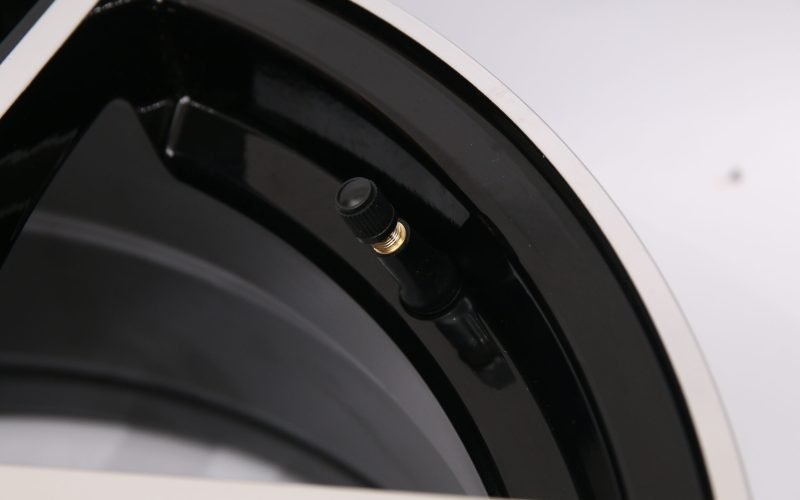
What is the difference between rubber and metal tire valves?
 20Mar
20Mar 


You depend on your vehicle to keep you safe on the road. TPMS sensor kit technology helps you monitor tire pressure, which plays a critical role in automotive safety technology. Keeping your tire pressure at the right level reduces your risk of accidents and saves money at the pump.

You may wonder what makes up a TPMS sensor kit. This kit includes several important parts that help your tire pressure monitoring system work properly. Each part has a special job to make sure you get accurate tire pressure readings every time you drive. Here is a table that shows the main components and their roles:
| Component | Description |
|---|---|
| Hex nut | Fastens clamp-in sensors securely. |
| Valve core | Controls air pressure in the tire. |
| Valve cap | Protects the valve from dirt and moisture. |
| Grommet/seal | Prevents air leaks in clamp-in sensors. |
| Metal washer | Secures the valve assembly. |
| Valve stem | Connects the valve to the tire in some kits. |
| Retaining screw | Holds the valve stem in place. |
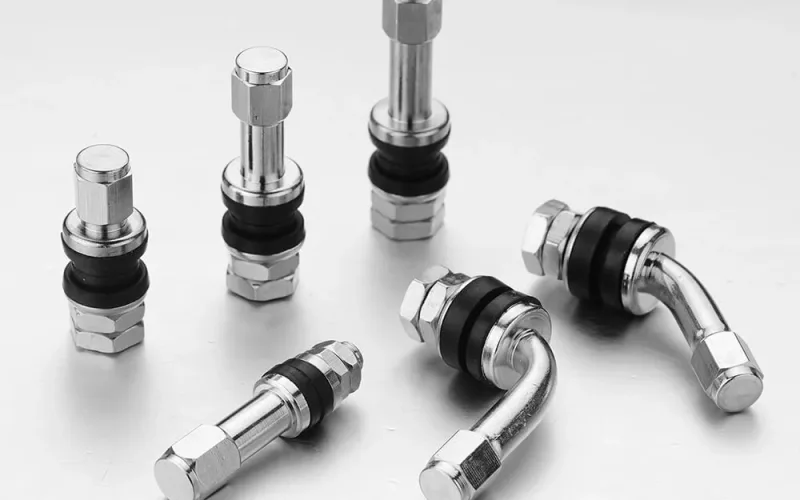
| Rubber-coated metal valve stem | Provides a flexible connection in snap-in kits. |
| Retaining screw or nut | Secures the valve stem in snap-in kits. |
You need all these parts to keep your TPMS working at its best. When you install a new kit, you help your system deliver accurate tire pressure readings and keep your tires safe.
The tire pressure monitoring system uses special technology to keep you informed about your tires. There are two main types of TPMS: indirect and direct. Each type uses a different method to check your tire pressure and alert you if something is wrong.
With TPMS, you get real-time tire pressure updates. This monitoring helps you avoid flat tires and keeps your driving safe. You can trust the functionality of your TPMS to give you accurate tire pressure readings every time you drive.
You want to stay safe every time you drive. Keeping your tires at optimal tire pressure is one of the best ways to improve safety. When you use a TPMS sensor kit, you get accurate readings that help you avoid dangerous situations.
Proper tire pressure gives you better control of your car. You can stop faster and steer more easily. Safety tests show that:
Tip: Always check your TPMS for alerts. Quick action can prevent accidents and keep you and your passengers safe.
You can save money at the gas pump by keeping your tires at the right pressure. TPMS helps you do this by warning you when your tires need air. When your tires have the correct pressure, your car uses less fuel.
Here is how TPMS helps you lower your costs:
You can optimize your vehicle’s performance and keep more money in your pocket by using your TPMS sensor kit and following regular maintenance.
You want your tires to last as long as possible. Regular monitoring with TPMS helps you extend the life of your tires. When you keep your tires at the right pressure, they wear down more slowly and evenly.
Here is what happens when you use TPMS for regular monitoring:
Note: Consistent tire pressure monitoring leads to optimal performance on the road and enhanced safety for every trip.
By using your TPMS and keeping up with maintenance, you improve safety, extend the life of your tires, and optimize your vehicle’s performance. You can trust your TPMS sensor kit to help you get the most out of every drive.
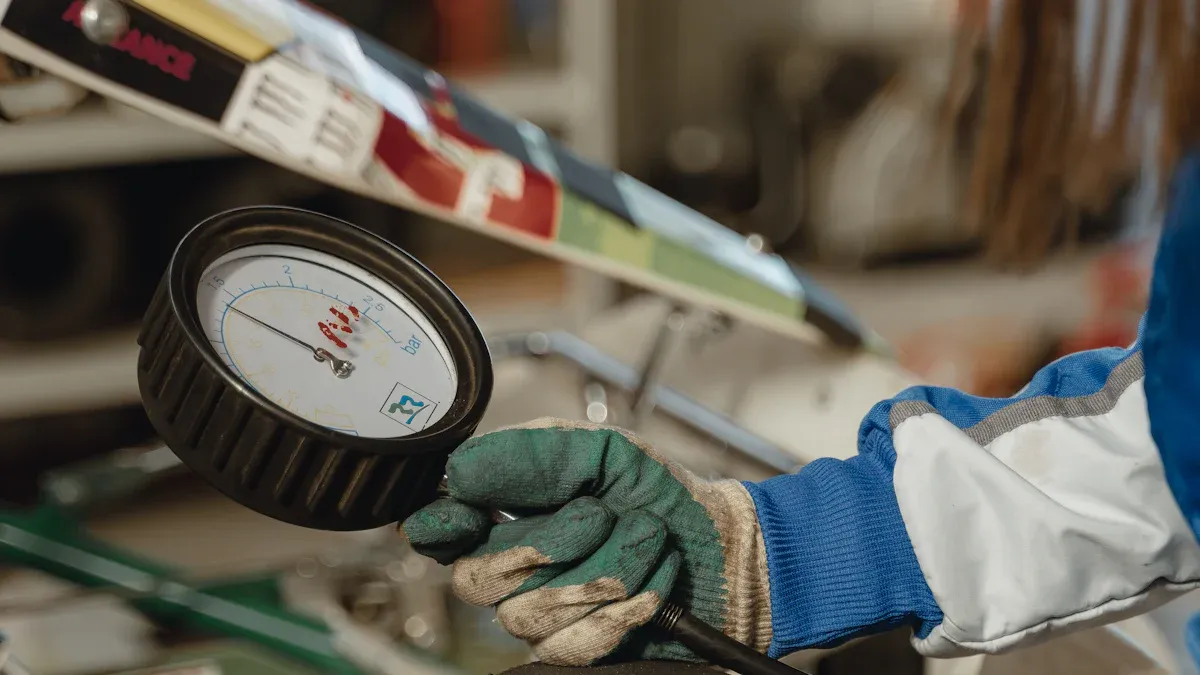
You need to keep your TPMS sensors clean and in good shape to ensure accurate tire pressure readings. Dirt, road salt, and debris can build up on the sensors and cause them to malfunction. When you clean your sensors, you help your TPMS sensor kit work at its best.
Start by removing the tire and carefully wiping the sensor with a soft, dry cloth. Avoid using harsh chemicals because they can damage the sensor. During cleaning, check for any signs of trouble. The most common signs of TPMS sensor malfunction include:
If you notice any of these issues, you should replace the sensor or seek professional help. Regularly checking and maintaining your sensors is critical to maintaining the performance and safety of your vehicle. Clean sensors help your TPMS provide accurate pressure readings and keep your tires in top condition.
Tip: Make cleaning and inspecting your TPMS sensors an integral part of your vehicle’s routine maintenance. This habit helps you catch problems early and avoid costly repairs.
TPMS sensors use batteries to send pressure data to your car’s computer. Over time, these batteries lose power. If the battery dies, the sensor cannot send accurate information. You should know how long these batteries last so you can plan for necessary maintenance.
Here is a table showing the average battery lifespan for TPMS sensors in passenger vehicles:
| Source | Battery Lifespan |
|---|---|
| User Report | 5-10 years |
| User Report | Up to 13 years |
| User Report | At least 10 years |
| User Report | Likely outlasts tires |
Most TPMS sensor batteries last as long as your tires, but you should still check them if you notice warning lights or sensor errors. When you replace a sensor or its battery, you may need to calibrate the system. Calibration ensures the new sensor communicates correctly with your car’s computer. Some vehicles do this automatically, while others require a manual reset. Always follow your vehicle’s instructions for calibration.
Note: If you see a TPMS warning light that stays on after replacing a sensor, calibration may be needed. Proper calibration restores full functionality to your TPMS.
Tire valves and related components play a key role in the effectiveness of your TPMS. These parts help maintain proper pressure and prevent air leaks. Over time, valves can wear out, become damaged, or corrode, which can affect the performance of your TPMS sensor kit.
OEMs recommend that you replace tire valve stem components every time you service your tires, including during tire replacements. This regular maintenance is crucial for ensuring the proper functionality of the TPMS and for maintaining tire safety and efficiency. Using TPMS service kits or TPMS repair kits during each service visit helps you keep all parts in top condition.
You should inspect the valve core, cap, grommet, and washer for signs of wear or damage. Replace any worn parts right away. This step is necessary to prevent leaks and keep your tire pressure stable.
Callout: Servicing tire valves and components is not just a suggestion—it is critical to maintaining the safety and performance of your tires.
By making these steps a regular part of your maintenance routine, you help your TPMS sensor kit deliver reliable monitoring and extend the life of your tires. Good maintenance keeps your vehicle running smoothly and safely.
When you shop for a tpms sensor kit, you want to make sure it meets your needs. Many modern kits offer advanced features that help you monitor your tire pressure with ease. Some systems connect to your smartphone and give you real-time alerts. This makes it easier to keep your tires safe and your drive smooth.
Here is a table that shows important features to consider:
| Feature | Description |
|---|---|
| Vehicle Type | Make sure the kit works with your type of vehicle, such as a car or SUV. |
| Tire Quantity | Check how many tires the system can monitor. |
| Sensor Type | Choose between direct sensors (real-time monitoring) or indirect sensors (use vehicle data). |
| Display Type | Decide if you want a dedicated display or an integrated system. |
| Battery Life | Look for long battery life to reduce how often you need to replace sensors. |
| Ease of Installation | Some kits are easy to install yourself, while others may need a professional. |
| User-Friendliness | Pick a kit with a simple interface for easy monitoring. |
You should pick a kit that matches your driving habits and comfort with technology.
You need to make sure your tpms sensor kit fits your vehicle. Not all kits work with every car or truck. Always check the make, model, and year of your vehicle before you buy. This step helps you avoid problems with installation and performance.
Follow these steps to ensure compatibility:
Tip: Compatibility is key. If you use the wrong sensor, your tpms may not work as expected.
You want a kit that lasts and gives you accurate readings. Many drivers trust brands like Pacific Industrial, Schrader, Autel, and Honda for their high-quality tpms sensor kits. These brands have a strong reputation for reliability and performance. Genuine OEM sensors, such as those from Honda, often provide better quality and longer life.
When you choose a trusted brand, you get peace of mind. Quality assurance means each kit meets strict standards before it reaches you. Always look for brands that test their products and have positive reviews from other drivers.
You might see a warning light on your dashboard and think it is not urgent. Many drivers make this mistake. Ignoring your TPMS warning light can lead to serious problems. When you overlook these alerts, you risk driving with low tire pressure. This can cause poor handling and longer stopping distances. In 2017, low tire pressure contributed to 738 tire-related crash fatalities. A working TPMS can lower your chance of a crash from tire issues by up to 55%. The table below shows why you should never ignore these warnings:
| Evidence Description | Details |
|---|---|
| Ignoring TPMS warnings | Drivers often overlook TPMS warning lights, leading to serious safety hazards. |
| Tire-related fatalities | Low tire pressure contributed to 738 tire-related crash fatalities in 2017. |
| Impact on vehicle performance | Under-inflated tires significantly reduce handling capability and increase stopping distances. |
| Crash prevention | A properly functioning TPMS can reduce the chance of crashes due to tire issues by an estimated 55%. |
🚨 Tip: Always check your tire pressure when the TPMS light comes on. Quick action keeps you safe.
You may want to save money by choosing a cheaper or non-OEM sensor kit. This can cause problems. Incompatible kits often fail to communicate with your vehicle’s computer. You might see a malfunction indicator on your dashboard. Damaged or mismatched sensors can also give you false readings. The table below highlights the risks:
| Risk Type | Description |
|---|---|
| Communication Issues | Problems can arise if TPMS sensors don’t properly communicate with the vehicle’s onboard computer, especially with non-OEM replacements. |
| Damaged Sensors | Sensors can be damaged by road debris, improper tire service, or corrosion, leading to incorrect pressure readings. |
| System Malfunction Indicators | The dashboard may show a malfunction indicator light due to sensor faults, receiver issues, or communication errors. |
Note: Always check that your TPMS kit matches your vehicle’s make, model, and year.
You might forget to check your TPMS or skip routine maintenance. This can lead to dangerous situations. Skipping maintenance increases the risk of under-inflated or over-inflated tires. Both conditions can cause blowouts or poor handling. Here are some common risks:
🛠️ Callout: Make TPMS checks and maintenance a regular habit. This simple step protects you, your passengers, and your investment.
Improper installation of TPMS components can cause many problems for your vehicle. You might think installing a TPMS sensor kit is simple, but small mistakes can lead to big issues. When you do not install the sensors, valves, or seals correctly, your system may not work as it should. This can put your safety at risk.
You need to pay close attention to each step during installation. If you tighten the sensor too much, you can damage the valve stem. If you do not tighten it enough, air can leak from the tire. Even a small air leak can cause your TPMS to send false alerts or fail to warn you about low pressure.
Here are some common mistakes drivers make during installation:
⚠️ Tip: Always use a torque wrench to tighten TPMS components to the manufacturer’s specifications. This tool helps you avoid over-tightening or under-tightening.
Improper installation can also trigger warning lights on your dashboard. You might see a TPMS error even if your tire pressure is fine. In some cases, the system may not detect a real problem, which can lead to tire damage or even a blowout.
| Installation Error | Possible Consequence |
|---|---|
| Over-tightening sensor | Cracked valve stem, air leaks |
| Under-tightening sensor | Loose sensor, air leaks |
| Skipping calibration | Incorrect pressure readings |
| Reusing old seals | Air leaks, sensor failure |
You should always follow the instructions that come with your TPMS sensor kit. If you feel unsure, ask a professional for help. Proper installation keeps your TPMS working and your tires safe.
Sometimes, your tire pressure monitoring system may show a warning light even after you inflate your tires. You can often fix this by resetting the system. Start by checking your owner’s manual for the correct reset steps. Many vehicles require you to press a reset button or follow a sequence with the ignition. If the light stays on, you may need to perform a relearn procedure or consult a technician. Resetting helps your tpms recognize the correct pressure in each tire and clear any false warnings.
Here is a quick reference table for common issues and solutions:
| Issue | Solution |
|---|---|
| Dead or Malfunctioning Sensors | Use a diagnostic scan tool to identify faulty sensors; replacement may be necessary. |
| Low Battery | Replace the sensor or its battery if it has died after 2-5 years. |
| System Errors | Recalibrate the system or perform a software update to resolve errors or false warnings. |
| Sensor Damage | Replace the sensor if it is physically damaged due to road debris or improper handling. |
| Light Stays On After Inflation | Consult the owner’s manual or a technician for a system reset or relearn procedure. |
💡 Tip: Always reset your tpms after inflating or rotating your tires to ensure accurate monitoring.
You can spot a faulty sensor when the tpms warning light appears on your dashboard. This light means the system has detected a problem with tire pressure or the sensor itself. To find the exact issue, use a diagnostic tool like FORScan software. Here is a simple process you can follow:
Sensors can fail due to age, corrosion, or damage from road debris. Mechanics often use specialized tools to select your vehicle’s year, make, and model or scan the VIN barcode. After repairs, they perform a relearn procedure to ensure the system works correctly.
🛠️ Note: The tire pressure monitoring system helps you stay safe by alerting you to low pressure or sensor problems. Always replace faulty components right away to keep your system reliable.
You should seek professional help if you notice complex malfunctions, persistent warning lights, or safety concerns like unusual vibrations or tire wear. Some problems require advanced diagnostics or software updates that only a technician can perform. Continuing to drive with a malfunctioning tpms can lead to severe issues. Professionals have the right tools to fix the system and prevent further damage.
🚗 Callout: Trust a professional when you cannot resolve tpms issues on your own. This keeps your tire and pressure monitoring system working at its best.
You protect your safety and save money when you use a tpms sensor kit. Regular maintenance helps you get better fuel efficiency, longer tire life, and fewer repair costs.
| Strategy | Benefit |
|---|---|
| Monitor battery health | Prevents sensor failure |
| Recheck tire pressure | Ensures accurate readings |
| Proper installation | Avoids mechanical problems |
Stay informed about tpms technology. You unlock the full benefits and keep your vehicle running smoothly.
You should check your TPMS sensor kit every time you rotate your tires or at least once every six months. Regular checks help you catch problems early and keep your tire pressure readings accurate.
If your TPMS warning light stays on, your tires may have low pressure or a sensor may not work. Check your tire pressure first. If the light remains, you may need to reset the system or replace a faulty sensor.
You can replace TPMS sensors yourself if you have the right tools and follow the instructions. Many drivers choose professional help to avoid mistakes. Proper installation ensures your system works and keeps you safe.
Yes, TPMS sensors use batteries to send data to your car’s computer. Most batteries last 5 to 10 years. When the battery dies, you need to replace the sensor to keep your system working.
Not every TPMS sensor kit fits all vehicles. You must check your car’s make, model, and year before buying. Using the wrong kit can cause errors and false readings. Always choose a kit that matches your vehicle’s specifications.
 Request a quote