What is the difference between rubber and metal tire valves?
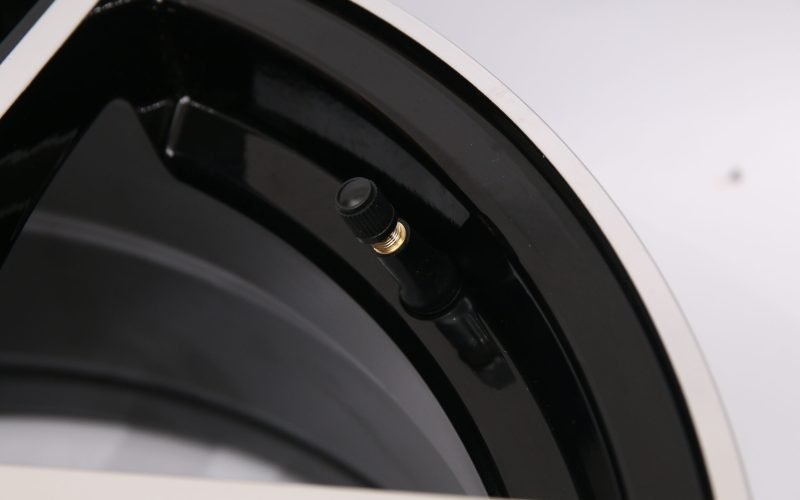 20Mar
20Mar 

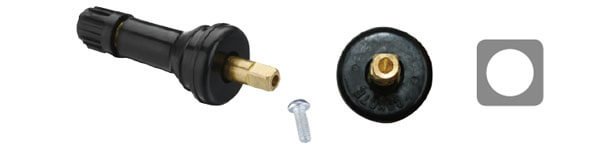
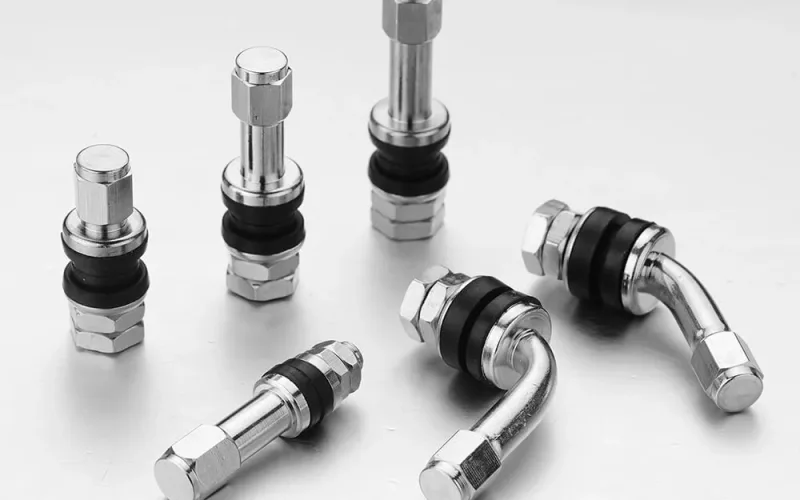
During tire replacement, the condition of the tpms valve stem assembly is frequently overlooked. Whether the vehicle uses metal TPMS valves (clamp-in type) or rubber TPMS valves (snap-in type), the sealing components attached to the sensor are wear items. These include the valve core, grommet, sealing washer, hex nut, and cap.
A TPMS rebuild refers to replacing these service components whenever the tire is dismounted. From a manufacturing and service standpoint, this is not optional maintenance—it is preventive sealing control.
With tens of millions of TPMS-equipped vehicles operating globally since mandatory implementation under the Transportation Recall Enhancement, Accountability and Documentation Act, rebuild procedures during tire service have become a standardized workshop requirement rather than an added upsell.
Proper servicing at the time of tire replacement protects sensor integrity, maintains pressure accuracy, and reduces long-term failure rates.
The Tire Pressure Monitoring System continuously measures internal tire pressure through wheel-mounted electronic sensors. These sensors transmit real-time pressure data to the vehicle control module.
The system provides:
• Continuous pressure monitoring
• Low-pressure alerts
• Early leak detection
• Indirect improvement in fuel efficiency through correct inflation
However, while the electronic module may last 5–10 years depending on battery life, the sealing components exposed to external elements degrade much faster.
A TPMS rebuild addresses these mechanical sealing components—not the electronic circuit.
A standard rebuild kit typically contains:
• Nickel-plated valve core
• Rubber sealing grommet
• Sealing washer
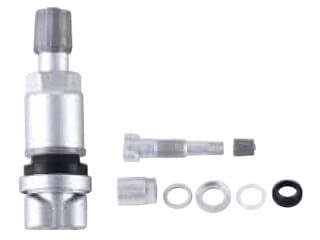
• Hex retaining nut (for metal stems)
• Plastic or metal cap
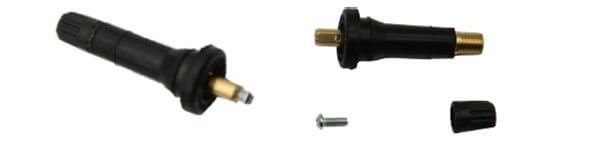
• Replacement snap-in stem (for rubber types when required)
For clamp-in metal TPMS valves, torque-controlled reinstallation of the retaining nut is critical to avoid compression loss or thread damage. For rubber TPMS valves, ozone resistance and elastic recovery are the primary durability factors.
fortune manufactures TPMS valve stems and service components using corrosion-resistant alloys and high-grade rubber compounds to ensure stable compression set performance and long-term sealing reliability.
When a tire is dismounted, the valve assembly undergoes mechanical stress. Reusing aged grommets or cores increases the likelihood of:
• Micro air leakage at the rim interface
• Corrosion at aluminum stem seats
• Inconsistent pressure readings
• Premature sensor replacement
Each sealing element plays a defined role:
Skipping rebuild procedures shifts risk from inexpensive sealing components to high-cost electronic modules.
Low tire pressure directly affects braking distance, load distribution, and tire temperature. In fleet studies, vehicles equipped with properly maintained TPMS systems report measurable reductions in tire-related incidents.
A correctly rebuilt TPMS assembly ensures:
• Accurate low-pressure detection
• Reduced blowout probability
• Stable vehicle handling under load
Failure to replace degraded seals compromises system response time and reliability.
While sensor batteries are sealed units, the external stem assembly remains serviceable. Data across service networks shows that seal-related failures significantly increase after 5–7 years if rebuild procedures are ignored.
Typical service observations include:
| Category | Service Observation |
|---|---|
| Battery life | 5–10 years depending on environment |
| Seal degradation | Noticeable after repeated tire changes |
| Corrosion risk | Higher in regions using road salt |
| Failure acceleration | Doubles beyond 7 years without maintenance |
Replacing sealing kits during tire service protects the sensor housing and reduces moisture ingress.
fortune’s TPMS rebuild components are engineered for dimensional accuracy to ensure consistent torque retention and stable sealing across temperature cycles.
Sensor replacement costs exceed the cost of routine rebuild kits. Improper torque, reused grommets, or corroded cores frequently lead to:
• Persistent slow leaks
• Dashboard warning activation
• Complete stem fracture in metal variants
Preventive rebuild procedures significantly reduce these secondary failures.
Reusing compressed rubber grommets reduces sealing elasticity. Over time, this results in micro-leaks at the rim interface. Even minor pressure loss can increase rolling resistance and tire wear.
Gradual air loss contributes to:
• Increased braking distance
• Uneven tread wear
• Elevated internal tire temperature
These risks compound over extended driving cycles.
Moisture intrusion around aged seals accelerates galvanic corrosion, particularly in aluminum clamp-in stems. Corrosion weakens structural integrity and may lead to sensor malfunction or inaccurate readings.
Common service complaints include:
| Issue | Workshop Finding |
|---|---|
| Warning light remains on | Stem leak or core fault |
| Intermittent pressure readings | Corrosion at contact point |
| Sensor failure | Seal breakdown allowed contamination |
Replacing service kits during tire changes minimizes these outcomes.
A minor sealing failure can eventually require full sensor replacement. Secondary effects may include premature tire wear or additional mounting labor.
Routine rebuilds cost significantly less than electronic module replacement and associated reprogramming.
Accurate readings depend on mechanical sealing integrity. Rebuilt TPMS stems maintain consistent internal pressure retention, enabling reliable system alerts.
Accurate pressure supports:
• Predictable handling
• Stable braking response
• Reduced rolling resistance
Maintained inflation levels improve fuel economy and promote uniform tread wear. Pressure deviations—even small ones—accelerate shoulder wear and reduce service life.
Properly rebuilt TPMS assemblies indirectly contribute to extended tire replacement intervals.
Reliable sensor performance reduces diagnostic uncertainty. For workshops and fleet operators, this translates into fewer repeat visits and warranty claims.
fortune designs and manufactures both rubber and metal TPMS valve stems under strict dimensional tolerances. Production focuses on:
• Controlled rubber hardness for compression retention
• Corrosion-resistant metal alloys
• Precision-machined threads
• Leak-tested valve cores
Each component undergoes inspection before shipment to ensure compatibility with OEM and aftermarket sensor platforms.
With engineering teams and distribution networks in North America, fortune supports consistent supply for global tire service operations.
A TPMS rebuild during tire replacement is a controlled mechanical service procedure designed to preserve sealing integrity. While the electronic sensor may remain functional, the external valve assembly is subject to wear, compression fatigue, and corrosion.
Replacing grommets, valve cores, washers, and stems at every tire change prevents leakage, protects the sensor body, and ensures accurate pressure monitoring.
For vehicles equipped with metal TPMS valves or rubber TPMS valves, rebuild compliance is essential to maintain long-term system reliability and operational safety.
You get a TPMS rebuild kit with new seals, valve cores, and caps. These parts keep your sensor working right. If you skip the kit, you risk leaks and sensor failure. Always ask for a rebuild kit when you change tires.
You should rebuild your TPMS sensors every time you replace or rotate your tires. Most experts recommend this because seals and valve cores wear out over time. Regular rebuilds help your sensors last longer and work better.
You can drive, but it’s risky. That warning light means your tire pressure might be low or your sensor isn’t working. Low pressure can cause blowouts or poor handling. Fix the issue as soon as you see the light.
Tip: Don’t ignore dashboard warnings. They help keep you safe.
Yes! Rebuilding your TPMS sensors prevents leaks and sensor damage. You avoid buying new sensors and tires too soon. You also get better fuel efficiency. Spending a little now saves you from big repair bills later.
 Request a quote