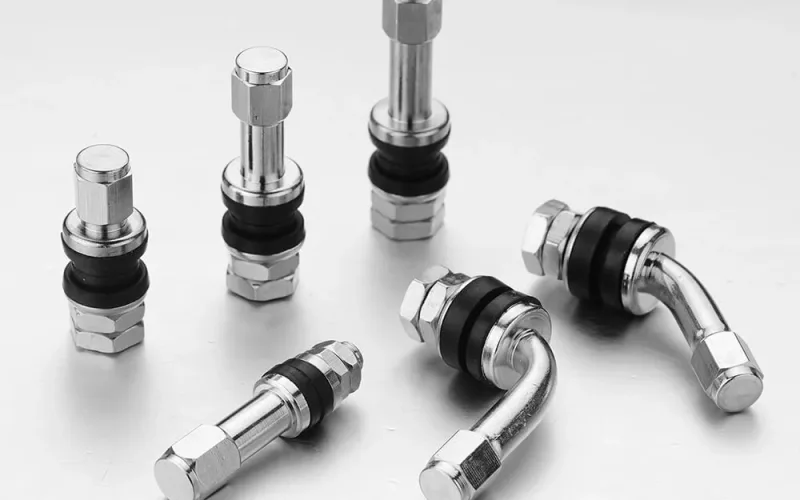
What is the difference between rubber and metal tire valves?
 20Mar
20Mar 

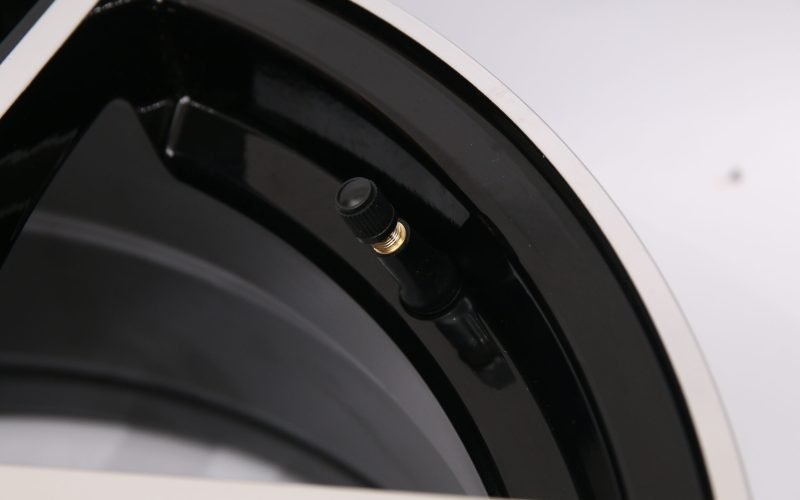
You certainly want to ensure your vehicle’s safety and avoid unexpected situations on the road. Small components like tire valve cores and valve stems can have a significant impact. If they malfunction, it can lead to air leaks or even tire blowouts. Did you know that in the United States alone, more than 30 million defective tire valve cores are installed every year? Many drivers have reported valve core cracks and tire leaks, leading to more traffic accidents. Paying attention to these early signs can help ensure your safety and make your journeys easier and more worry-free.
Have you ever checked your tires and found the tire pressure was lower than expected? If you notice a frequent drop in tire pressure, it could be a problem with the tire valve core. You might see the tire pressure warning light come on more often, or you might need to inflate your tires every few days. This is not normal. A sustained drop in tire pressure can lead to a sudden leak, endangering your driving safety.
Here are some common causes of slow tire leaks:
If you notice any of the above problems, carefully check your tire valve core..
The function of a tire valve core is to hold the air inside the tire. If the valve core malfunctions, air leakage becomes a serious problem. Cracks, corrosion, or loosening of the valve core can all lead to air leakage. Dust or moisture entering the valve core can cause damage, resulting in a slow leak. You might hear a hissing sound or see visible cracks on the rubber valve stem. Sometimes, a missing valve cap can also lead to corrosion, causing a larger leak.
Tip: Regularly check the valve core for cracks, rust, or bending. Even a small leak can prevent the tire from maintaining optimal pressure.
Ignoring these signs can lead to serious consequences.ns, you risk driving with underinflated tyres, which can cause uneven wear and reduce safety.

If you notice a persistent tire leak, take immediate action. Here are the steps you should take:
You can try a simple soapy water test: Apply soapy water to the valve stem and observe if bubbles appear. If bubbles appear, there is a leak. This is one of the signs that your vehicle needs its tire valve stem replaced as soon as possible. For best results, replace the faulty valve stem core with a high-quality product. This will help prevent future leaks and maintain stable tire pressure.
If you are unsure, consult a professional. can inspect and replace your tyre valve stem core, keeping your tyres safe and reliable.
You park your car in front of the air pump, only to find that your tires won’t inflate. You squeeze the valve, but air seems to always leak out or barely gets in. Sometimes you hear a slight hissing sound. Sometimes, even after several attempts, you find the tire pressure barely changes. This is frustrating, especially when you need to be on the road as soon as possible.
Here are some common symptoms of tire inflation or deflation problems:
If you experience these problems, it likely indicates that your vehicle needs its tire valves replaced as soon as possible.nt.
The valve core, located inside the valve stem, controls the airflow into and out of the tire. When the valve core is worn or damaged, it can obstruct airflow or cause air to leak out too quickly. You might notice that the tire pressure continues to drop even after inflation. Sometimes, visible damage such as corrosion or cracks on the valve stem can worsen the situation. In rare cases, you might feel the vehicle vibrate or pull to one side. These problems usually indicate a faulty tire valve core.
A damaged valve core can also allow dust or moisture to get in, making inflation even more difficult. If you consistently experience inflation difficulties, don’t ignore it. Your safety and the lifespan of your tires depend on the health of your valves.
If you find it difficult to inflate your tires, take immediate action. You can do the following:
Tip: Always choose high-quality replacement parts from reputable manufacturers. This helps prevent future leaks and maintains stable tire pressure.
If you are unsure how to replace a tire valve stem, seek professional help. They can ensure your tires are safe and reliable on every journey.

You might not often notice your tire valve core, but it can give you obvious signs of malfunction. When inspecting your tires, take a close look at the valve core. Do you see any cracks, rust, or discoloration? These are visible signs of damage or corrosion. Wear may occur more quickly in areas with cold winters or hot summers. Road salt and moisture can cause corrosion, especially if the valve cap is missing. Sometimes, you can spot a cracked or even damaged valve core with just a glance. If you find any of these problems, take action immediately.
Tip: Be sure to check for visible damage during routine tire maintenance. Early detection helps prevent bigger problems later.
Visible damage or corrosion to tires can cause them to leak air more quickly. Air leaks more easily when the valve stem is cracked or rusted. You may notice difficulty inflating or deflating. Sometimes, a damaged valve stem allows dust or water to get in, damaging the valve core. This weakens the seal, leading to slow leaks or even a sudden blowout. Ignoring these signs can result in driving with underinflated tires, leading to uneven tire wear and reduced driving safety.
If you spot visible damage, don’t wait. Here’s what you should do:
Remember, visible damage or corrosion is one of the top signs your vehicle needs a quick tyre valve replacement. Taking care of this small part can save you from bigger repairs and keep your journeys smooth.
You take off the cap from your tyre valve and suddenly hear a faint hissing sound. This noise means air is escaping from your tyre. Sometimes, you might only notice it when you get close to the valve. The sound can be soft or loud, but both mean you have a problem. If you hear this hissing, your tyre is losing air faster than normal. You may also see your tire pressure drop on your dashboard. This is one of the most obvious signs your vehicle needs a quick tyre valve replacement.
Tip: Always listen for any unusual sounds when you check your tyres. A hissing sound is a clear warning that something is wrong.
A hissing sound near the valve tells you that air is leaking out. This usually happens because the tyre valve stem core is damaged or worn out. Here’s what the hissing sound can mean:
You should never ignore a hissing sound. It means your tyre is at risk, and you could end up with a flat tire or even a blowout.
When you hear a hissing sound, you need to act fast. Here’s what you should do:
Taking care of a leaking valve right away helps you avoid bigger problems. You keep your tire pressure steady and your journeys safe. Remember, a small sound can be a big warning. Listen to your tyres and act quickly when you spot trouble.
You might see your TPMS light pop up on your dashboard more often than usual. Sometimes, you get a warning even after you just checked your tire pressure. These alerts can feel confusing, especially when your tires look fine. If you notice frequent or unexplained TPMS warnings, your tyre valve stem core could be the problem. The TPMS system checks the air pressure in your tires. When the valve leaks or gets damaged, the sensor picks up the drop and sends you a warning. You may also see the light flicker on and off, which means the system is struggling to get a steady reading.
Tip: Don’t ignore TPMS alerts. They help you catch tyre problems early and keep your vehicle safe.
A faulty valve stem core can mess with your TPMS readings. When the valve gets corroded or damaged, it lets air escape. This slow leak can trick the sensor into thinking your tire is underinflated. Sometimes, the leak is so small you can’t see it, but the TPMS still picks it up. Take a look at this table to see how valve stem issues impact TPMS accuracy:
| Valve Stem Condition | TPMS Reading Accuracy | Common Result |
|---|---|---|
| Corroded/Damaged | Inaccurate | False TPMS warnings |
| Healthy | Accurate | Reliable readings |
You might also notice these problems:
If your TPMS light comes on, you need to act fast. Here’s what you can do:
You can fix small issues at home, but a professional can help if you’re unsure. Using a quality replacement keeps your tyres safe and your TPMS working right. Don’t wait for bigger problems. A quick check and replacement can save you time and money.
You might not think much about your tyre valve, but it plays a huge role in keeping your vehicle safe. When you keep your valve in good shape, you help your tire hold the right amount of air. This means your tire wears evenly and lasts longer. If you ignore the valve, you risk air leaks that can lead to underinflated tires. Underinflated tires can cause blowouts or make your car harder to control.
Here’s what can happen if you delay tyre valve replacement:
Regular inspections and timely replacements help you avoid these problems. When you replace faulty valves, you keep your tire pressure steady. This helps your tires last longer and keeps your vehicle safety in check.
Waiting too long to replace a worn valve can cost you more than just a new tire. Air leaks from a bad valve can make your tire wear out faster and unevenly. This means you might need to buy new tires sooner than expected. Underinflated tires also make your engine work harder, which lowers your fuel efficiency and raises your gas bills.
Let’s look at some long-term benefits of regular tyre valve maintenance:
You can see that tyre valve replacement is a smart investment. It’s also affordable. For example, in 2025, the cost for this service ranges from $2.99 at Tire City to $5.99 at Speedway Car Care.
Tip: Regular inspections and timely replacements save you money and keep your journeys safe.
You can check your tire valves at home in just a few simple steps. First, carefully inspect the valve stems on each tire. If you find cracks, rust, or brittle rubber, you need to take action. Sometimes, you might hear a slight hissing sound near the valve stem. This means there’s a leak.
Here’s a quick way to check for leaks:
Mix a small amount of dish soap with water.
Apply the soapy water around the bottom of the valve stem.
Watch for bubbles. If there are bubbles, there’s a leak, and you need to replace the valve stem.
When changing tires, always ask for a new valve stem. Many shops, such as Les Schwab, offer this service. Regularly checking for cracks, leaks, or corrosion helps you detect problems early. Regular tire checks ensure your vehicle’s safety and extend the life of your tires.
If you wish to replace the valve core yourself, you will need the following tools:
Valve core removal tool
Valve core replacement tool
Tire pressure gauge
Air compressor or inflator
Safety gloves (optional)
Tip: When removing the old valve core, always grip the tool firmly. Air will flow out quickly, and the valve core may pop out rapidly.
After installing the new valve core, check for leaks again with soapy water. Replace the valve cap to prevent dust from entering. Use a tire pressure gauge to ensure the tire pressure is correct.
Sometimes, it’s best to let an expert handle the job. If you notice stubborn leaks, damaged threads, or you feel unsure about the process, a professional tyre valve replacement service can help. They have the right tools and experience to fix the problem safely.
You should also visit a professional if you see corrosion inside the valve or if your tire keeps losing air after you’ve tried to fix it. Regular inspections by a pro can spot hidden issues before they become big problems. This keeps your tyre and valve in top shape and gives you peace of mind on the road.
 Request a quote