What is the difference between rubber and metal tire valves?
 20Mar
20Mar 


Although small in size, tyre valve stem caps directly influence the long-term condition of tire valves, the integrity of a tyre valve stem, and the sealing stability of tire valve caps in daily operation. As tire inflation systems evolve—especially with the widespread adoption of TPMS and metal clamp-in stems—the material and structural quality of valve caps has become increasingly important. A poorly matched cap can accelerate corrosion, allow contamination, or compromise secondary sealing. A properly engineered cap supports air retention, protects the valve core, and extends overall service life.
From a manufacturing standpoint, valve caps must balance corrosion resistance, thread precision, sealing performance, and compatibility across multiple vehicle categories. The following analysis focuses on performance characteristics rather than appearance-driven selection.
Different vehicles impose different pressure and environmental demands on valve assemblies. Caps must be compatible not only with the external thread specification but also with operating pressure and temperature conditions.
Passenger vehicles typically operate below 65 psi with rubber snap-in stems. Heavy-duty trucks may exceed 200 psi and commonly use metal clamp-in stems. Off-road and agricultural equipment operate under fluctuating pressure and extreme contamination exposure.
Key engineering factors include:
A valve cap does not replace the valve core seal, but it functions as a secondary barrier against dirt, water, and road salt intrusion. In harsh environments, this secondary barrier significantly reduces oxidation on exposed threads.
Valve stem cap durability depends largely on material composition and surface treatment.
Plastic caps remain common due to low cost and corrosion neutrality. They do not react with aluminum stems, reducing the risk of thread seizure. However, plastic may degrade under prolonged UV exposure or high heat.
Aluminum caps provide higher structural strength and improved wear resistance. When anodized or properly coated, aluminum offers strong corrosion protection and long-term color stability. Thread machining accuracy is critical to avoid cross-threading or uneven engagement.
Stainless steel and titanium variants provide enhanced mechanical strength, though weight and cost increase accordingly. In high-performance or heavy-duty applications, metal caps with internal O-rings improve sealing reliability.
Carbon fiber-styled caps are primarily aesthetic, but reinforcement structure determines whether durability matches visual appeal.
The engineering priority remains thread integrity, corrosion resistance, and reliable seating—not decorative geometry.

CNC-machined aluminum alloy caps represent a balanced solution for most vehicles. Properly treated surfaces resist oxidation, and integrated rubber washers enhance sealing. Precision machining ensures consistent thread engagement with both rubber and metal tyre valve stems.
For TPMS-equipped systems, correct dimensional control prevents interference with sensor housings. Aluminum caps must be paired carefully with compatible stems to avoid galvanic corrosion.
Anodizing strengthens the aluminum surface by forming a protective oxide layer. Compared to painted finishes, anodized coatings provide improved abrasion resistance and long-term environmental stability.
These caps maintain structural rigidity under temperature variation and repeated removal cycles. In regions with road salt exposure, anodized finishes reduce thread corrosion risk.
Designed for trucks and off-road applications, heavy-duty caps typically use thicker wall sections and reinforced internal threads. They withstand vibration, debris impact, and high-pressure conditions.
Sealing performance depends on the presence of an internal gasket. Without a gasket, the cap primarily acts as a dust shield rather than an auxiliary seal.
Caps with integrated O-ring seals provide enhanced moisture protection. The elastomer compresses against the valve stem opening, creating a secondary airtight interface.
This design is particularly effective in:
Material compatibility of the O-ring must be verified for temperature range and chemical resistance.
Standard universal caps provide adequate dust protection for general use. While lacking advanced sealing features, they serve as functional replacements when installed correctly.
For large-scale fleet supply, consistent thread depth and dimensional control remain essential to prevent installation inconsistencies.
Valve caps protect exposed valve cores from contamination. Over time, dirt or corrosion at the valve opening can contribute to slow pressure loss or core malfunction.
Properly engineered caps help:
Even though the primary pressure seal resides inside the valve core, contamination accelerates wear and can reduce long-term reliability.

Most tire valves use standardized Schrader threads, but material pairing requires attention. Brass-threaded caps installed on aluminum stems may promote galvanic corrosion. Over time, this can lead to thread seizure and potential stem damage during removal.
Best practices include:
Short-profile stems benefit from lightweight caps to reduce stress under centrifugal force.
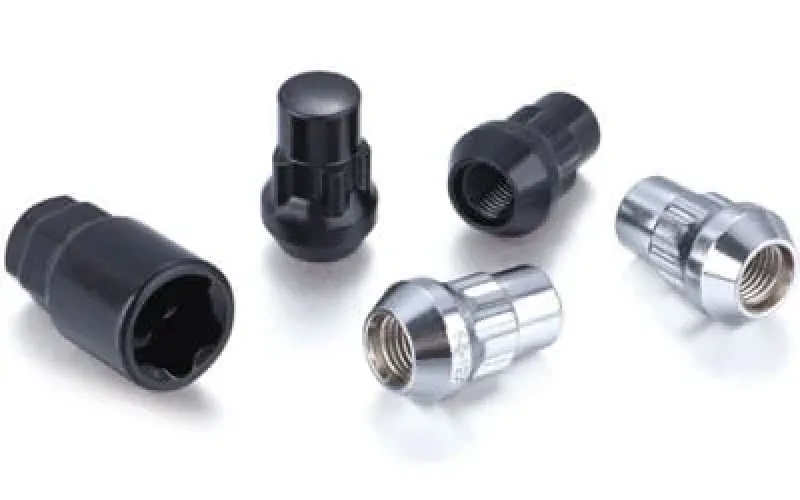
Some caps incorporate locking features to deter tampering. While theft prevention is secondary to structural performance, locking designs must not compromise service accessibility.
A secure cap must still allow controlled removal without damaging the tyre valve stem. Excessively complex locking systems can introduce service complications.
Functional enhancements such as pressure indicators should be engineered carefully to avoid leakage or false readings.
Correct installation is straightforward but requires attention to detail:
If a metal cap becomes seized due to corrosion, forced removal may damage the stem. Preventive cleaning and compatible material pairing reduce this risk.
Routine inspection during tire pressure checks ensures early detection of wear or contamination.
From a production perspective, reliable tire valve caps require:
At fortune, valve caps are manufactured with precision thread calibration and coating durability control to ensure compatibility with both rubber snap-in stems and metal clamp-in TPMS assemblies. Production emphasizes corrosion resistance, sealing integrity, and long-term performance stability across varied climate conditions. Global supply capability supports both aftermarket distributors and OEM-oriented requirements.
Tire valve stem caps keep dirt, water, and debris out of your valve stems. They help prevent air leaks and protect your tire’s air pressure. You get better tire life and fewer problems on the road.
Most valve stem caps fit standard Schrader valves, which you find on cars, bikes, and motorcycles. Always check your valve type before buying. Some specialty vehicles may need a different size or style.
You should check your caps every time you wash your car or check tire pressure. Replace them if you see cracks, rust, or if they feel loose. New caps help keep your tires safe and sealed.
High-quality metal caps, like aluminum or stainless steel, resist rust. If you drive in wet or salty areas, clean your caps often. A little lubricant on the threads can help prevent them from sticking.
Yes! Premium caps with rubber seals keep air in and moisture out. This helps your tires stay at the right pressure. You get better fuel efficiency, safer handling, and longer tire life.
 Request a quote