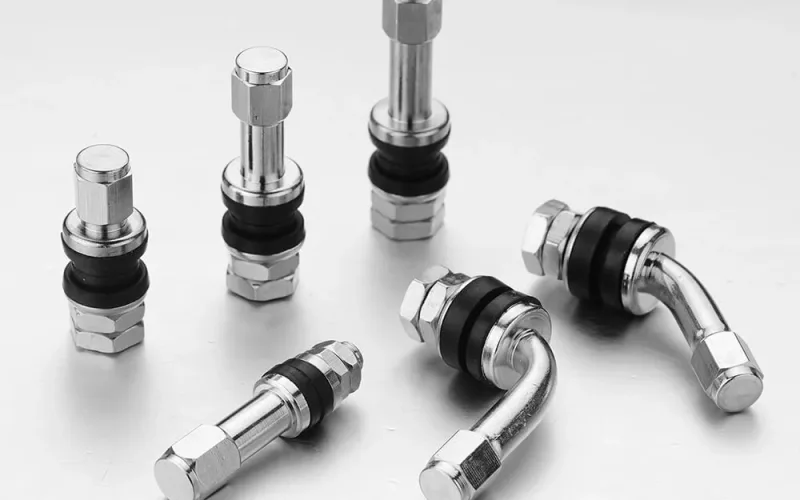
What is the difference between rubber and metal tire valves?
 20Mar
20Mar 

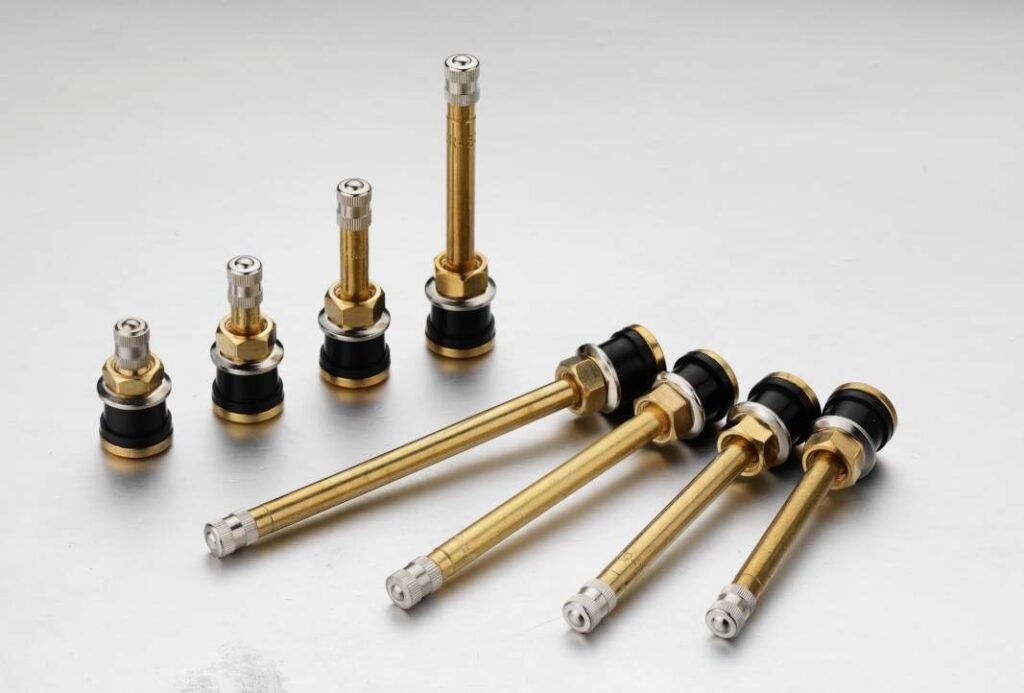
In tire service operations, components such as tire valve cores, complete tpms valve stem assemblies, and standard tire valve systems directly influence pressure retention and vehicle safety. A professional tire valve stem repair kit must therefore support accurate servicing of these parts without damaging the rim, sensor, or sealing surfaces. From a manufacturing standpoint, the kit is not just a convenience set—it is a controlled maintenance solution designed to restore sealing integrity and extend service life. As a supplier of precision valve components, fortune provides high-quality tire valve cores and TPMS-compatible valve stems engineered for stable sealing and corrosion resistance across diverse operating environments.
Service efficiency depends on tool accuracy and component compatibility. A well-designed repair kit enables controlled removal and installation of valve cores and stems without thread distortion or seat damage.
Core efficiency features include:
• Properly machined valve core drivers with tight dimensional tolerance
• Adequate inventory of replacement tire valve cores
• Dust caps to prevent contamination of internal sealing surfaces
• Tools that support both rubber snap-in and TPMS valve stem servicing
Precision machining reduces the risk of over-tightening, which can deform sealing gaskets or damage aluminum TPMS housings. In professional workshops, minimizing handling time while maintaining sealing integrity is essential.
A comprehensive kit should allow technicians to complete recoring or stem replacement within minutes while preserving torque accuracy.
A technically complete kit typically includes:
• Replacement rubber snap-in stems
• TPMS service components (grommets, nuts, cores)
• Core torque tool calibrated for low-torque applications
• Thread cleaning tap
• Installation or pull-through tool
• Medium-strength thread locker for metal stems
This configuration supports both emergency roadside repair and structured workshop servicing. For TPMS valve stem applications, torque-controlled installation prevents sensor body stress and air leakage at the sealing interface.
Valve service often occurs in confined rim cavities. Tools should provide non-slip grip surfaces and balanced shaft geometry to maintain alignment during core engagement.
Ergonomic features that improve service stability:
• Textured or rubberized handles
• Balanced shaft length for controlled torque transfer
• Anti-slip grip for use in humid or oily environments
Reduced hand strain improves precision, especially during repetitive servicing in tire shops.
Design simplicity reduces error rates. Clear tool markings, standardized tip dimensions, and intuitive engagement mechanisms help ensure correct use even in low-visibility conditions.
In high-volume tire service operations, tool familiarity and predictable handling characteristics improve workflow consistency and reduce installation mistakes.
Valve servicing exposes tools to moisture, tire lubricants, and road contaminants. High-grade brass, stainless steel, or treated alloy steel components offer improved corrosion resistance.
Critical durability indicators include:
• Hardened steel shafts for core drivers
• Zinc or nickel plating for anti-corrosion performance
• Reinforced puller threads for repeated use
• Oil-resistant rubber seals in replacement components
fortune manufactures tire valve cores with controlled spring elasticity and precision thread machining to ensure consistent sealing under varying temperature and pressure cycles.
Long-term performance depends on material resilience. Rubber stems must resist ozone cracking and thermal degradation. TPMS valve stem seals must maintain compression set resistance across temperature fluctuations.
A durable repair kit supports:
• Multiple service cycles without tool deformation
• Reliable sealing after repeated core replacements
• Stable torque retention on metal TPMS stems
Industrial-grade materials reduce premature failure and lower long-term maintenance costs.
For mobile technicians and fleet operators, portability matters. A structured storage case prevents tool displacement and protects precision-machined tips from impact damage.
Effective cases typically feature:
• Segmented compartments for cores and caps
• Impact-resistant outer shell
• Moisture-resistant lining
Organized storage ensures rapid access during roadside or fleet maintenance scenarios.
Compact kits generally weigh around 0.5 kg or less, enabling easy integration into vehicle toolkits. Modern alloy tools maintain structural strength while minimizing weight.
Portability enhances readiness without compromising component durability.
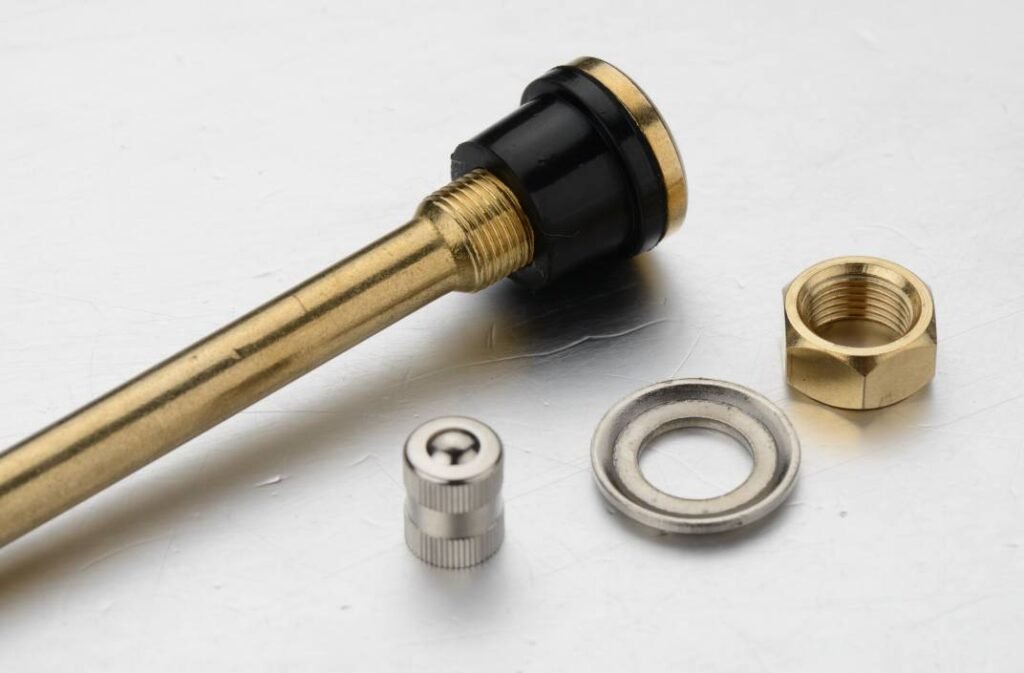
Valve core installation requires controlled torque. Over-tightening can damage threads; under-tightening may cause leakage.
Precision tools should provide:
• Properly dimensioned core driver tips
• Smooth thread engagement
• Torque-limiting capability when required
Correctly installed tire valve cores maintain internal pressure stability and prevent micro-leakage over extended service intervals.
Professional-grade kits include sealing components manufactured under recognized quality standards. Testing commonly involves:
• Pressure retention validation
• Thermal cycling exposure
• Mechanical fatigue cycling
• Leak detection under controlled gas testing
Reliable seals are particularly critical in TPMS valve stem systems, where sensor integrity must remain unaffected during maintenance.
While valve servicing presents lower risk than bead or mounting operations, protective gloves and clear safety guidance remain recommended. Gloves prevent cuts from rim edges and protect skin from tire lubricants.
Detailed instructions reduce installation error. Torque values for metal TPMS stems, correct orientation of sealing grommets, and proper core seating depth must be clearly specified.
Well-documented procedures enhance service reliability and prevent sensor or rim damage.
A functional repair kit should support:
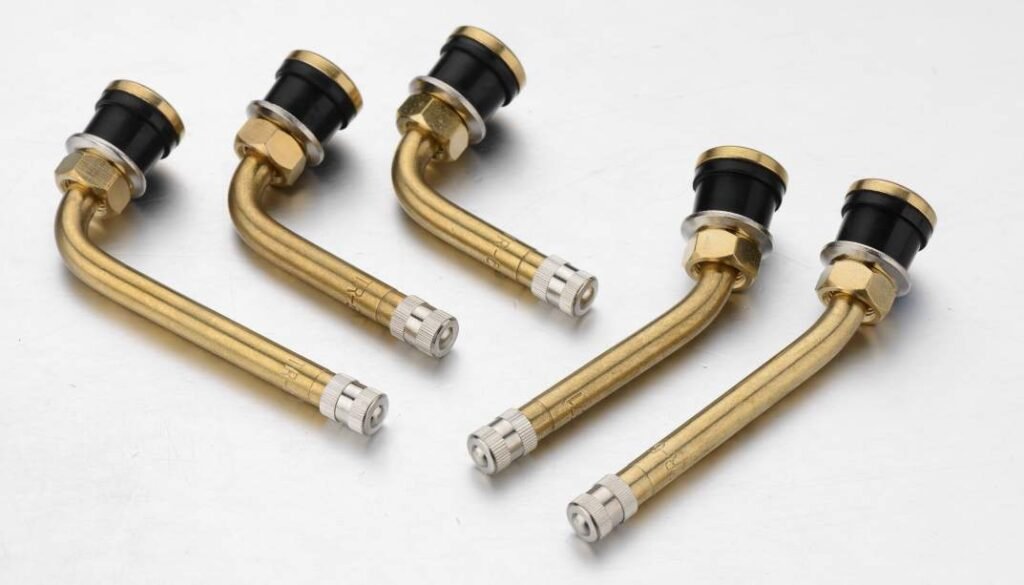
• Standard Schrader tire valve systems
• High-pressure metal clamp-in stems
• TPMS valve stem assemblies
• Tubeless snap-in stems
Compatibility across passenger vehicles, light trucks, motorcycles, and selected industrial applications increases service efficiency.
Integrated tools combining core removal, thread cleaning, and stem installation reduce equipment redundancy. Multi-function designs also decrease storage volume while maintaining service capability.
For workshops managing varied vehicle platforms, this flexibility improves operational efficiency.
Valve stem replacement performed internally reduces recurring service costs. A structured kit allows:
• Immediate leak correction
• Preventive maintenance during tire changes
• Controlled replacement of aging stems
Professional operators typically recover tool investment after a limited number of service cycles. Long-term savings derive from reduced labor outsourcing and minimized repeat leakage cases.
fortune supplies precision-engineered tire valve cores and TPMS-compatible stems manufactured under strict dimensional control, ensuring reliable integration with repair kits used in professional environments.
A high-quality tire valve stem repair kit must integrate precision tools, corrosion-resistant materials, torque-controlled components, and compatibility with multiple tire valve systems. Efficiency, durability, and sealing reliability determine overall performance.
When engineered components—such as calibrated tire valve cores and properly specified TPMS valve stem assemblies—are combined with accurate installation tools, pressure stability and long-term operational safety are maintained. Selecting a structurally complete and technically validated repair kit ensures consistent service quality across varied tire platforms.
You usually get a valve core remover, replacement valve cores, valve caps, a stem installer, and sometimes a small wrench or multi-tool. Some kits also include gloves and a storage case. Always check the kit list before you buy.
Most kits work for cars and bikes with Schrader valves. If you have Presta or tubeless valves, look for a kit with adapters. You can check the kit’s compatibility chart or ask the seller for details.
You should check valve stems every time you change tires or notice air leaks. Most people replace them every 4–5 years. If you see cracks or damage, swap them out right away to avoid flat tires.
No special skills needed! You just follow the instructions. Most kits come with step-by-step guides or diagrams. If you can use basic hand tools, you can fix a valve stem yourself.
Tip: Contact the seller or manufacturer right away. Most companies offer support and will send you the missing part. Keep your receipt and take a photo of your kit for faster help.
 Request a quote