What is the difference between rubber and metal tire valves?
 20Mar
20Mar 

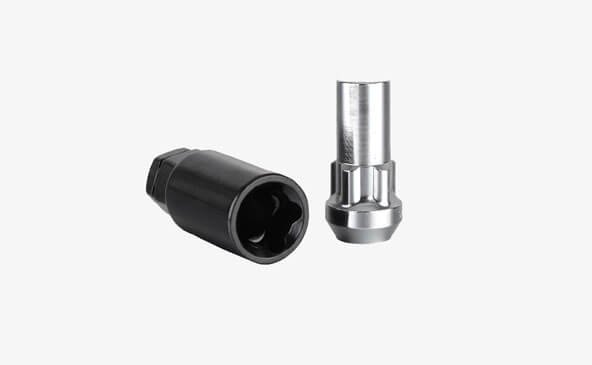
Wheel theft is not limited to isolated incidents. In urban markets with high volumes of alloy wheels, organized groups target vehicles equipped with standard lug nuts or factory lug bolts that can be removed in minutes using common tools. Without reinforced tire locks, the wheel assembly remains mechanically exposed. The vulnerability is structural: once the fastening system is accessed, removal is straightforward. Effective anti-theft design must therefore focus on restricting access to the wheel fastening interface rather than relying on visibility alone.
For manufacturers and distributors, the challenge is not simply producing a locking accessory, but engineering a system that resists cutting, prying, drilling, and forced rotation while maintaining correct fitment tolerances.
Modern thieves operate with efficiency. Alloy wheels from high-volume SUVs and sedans maintain strong resale demand in secondary markets. Vehicles parked in poorly monitored areas are frequently disassembled using hydraulic jacks and impact tools.
Common patterns include:
From an engineering standpoint, wheel theft occurs because the fastening interface is accessible. Standard hex lug nuts or bolts provide minimal resistance to removal when tools are available.
Not all locking devices provide structural resistance. Common weaknesses include:
If a lock does not fully shield the wheel fasteners or can be crushed or cut, it fails under real conditions. Mechanical integrity and fit accuracy are more critical than cosmetic appearance.
Effective tire locks must address three design factors:
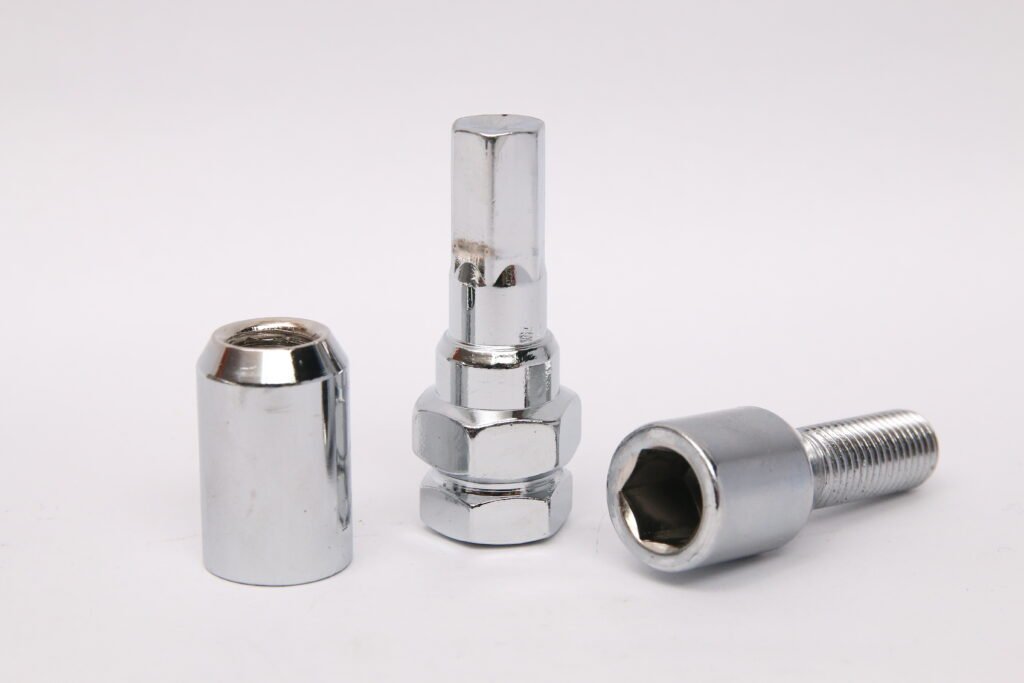
The following products represent different structural approaches to wheel theft prevention. Evaluation criteria include material composition, lock core design, coverage area, and installation stability.
The WL-200 uses a fully enclosed housing that blocks direct access to lug nuts or lug bolts. Precision manufacturing ensures minimal clearance between the lock and wheel face, reducing prying leverage.
Key structural attributes:
Because the housing isolates the fastening interface, the attack surface is significantly reduced.
Designed for SUVs, trucks, and trailers, this system wraps around the tire circumference. The heavy-gauge steel structure resists deformation and distributes force across a larger area.
Advantages include:
Unlike lug-based locks, boot-style designs prevent wheel rotation entirely, adding another mechanical barrier.
This clamp-style lock provides entry-level protection through a steel arm that restricts rotation. While not offering enclosed lug protection, it serves as a visible deterrent in moderate-risk environments.
Structural considerations:
Fit precision is critical. Excess clearance reduces effectiveness.
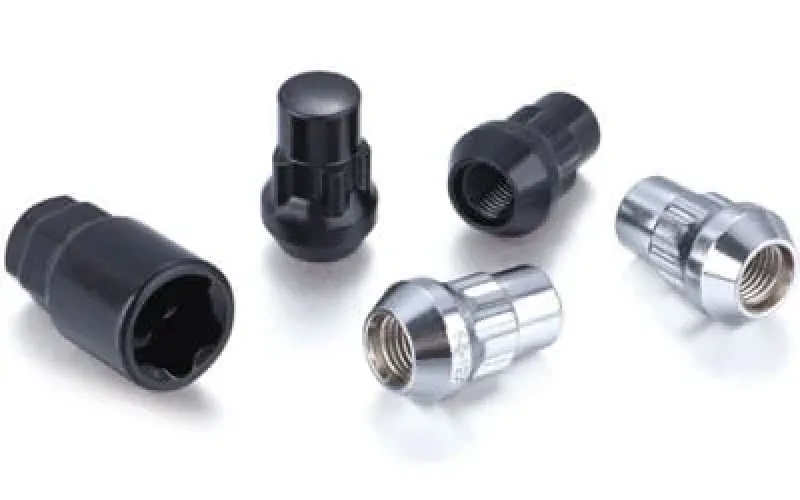
This approach replaces standard lug nuts with case-hardened locking variants. The system secures every fastening point, preventing removal without a matched key pattern.
Engineering features include:
By protecting each lug position, the system eliminates the weak-point vulnerability of single-lock solutions.
Rather than replacing lug nuts, this design covers the wheel’s central hub area, blocking access to all fasteners simultaneously.
Key attributes:
This method relies on physical shielding rather than individual fastener locking.

When evaluating tire locks, the following technical criteria determine performance:
Precision fit significantly influences resistance to prying. Excess tolerance increases leverage opportunities. High-strength alloy steels outperform low-carbon alternatives under cutting attempts.
High-Risk Urban Parking
Enclosed or full-coverage lug locking systems offer the strongest resistance.
Fleet or Commercial Applications
Multi-lug locking systems or enclosed designs reduce vulnerability during overnight staging.
Moderate-Risk Residential Areas
Clamp-style or boot-style systems provide visible deterrence, especially when combined with secure parking practices.
Low-Risk Temporary Parking
Entry-level clamps may be sufficient but should not replace structural fastener protection in high-value vehicles.
Lock systems must match:
Improper matching can compromise torque retention or cause seating imbalance. For vehicles using lug bolts rather than studs, lock design must maintain correct clamping force distribution.
At fortune, wheel security components are produced with controlled machining tolerances to ensure precise thread engagement and correct seat geometry. In addition to engineered locking lug systems, we supply high-grade lug nuts and lug bolts manufactured from heat-treated alloy steel with validated torque performance. Surface treatments are applied to enhance corrosion resistance in varying climates.
Wheel security also connects to overall wheel service quality. After installation of locking hardware, balancing accuracy remains essential. fortune provides precision-engineered tire weight solutions that maintain rotational stability without compromising wheel finish or adhesion reliability.
Effective tire locks require:
fortune operates under controlled quality systems with batch traceability and full inspection prior to shipment. Engineering review ensures compatibility with both OEM specifications and aftermarket applications across global markets.
Wheel theft occurs at the fastening interface. Standard lug nuts and lug bolts provide minimal resistance without reinforced locking systems. Effective tire locks function by either shielding the fastening points, replacing all fasteners with hardened locking units, or immobilizing wheel rotation through external restraint.
Material strength, precision fit, and tamper-resistant lock cores determine real-world performance. Selecting the correct system depends on vehicle type, risk exposure, and installation accuracy. When engineered and installed correctly, structural locking solutions significantly reduce unauthorized wheel removal and support long-term vehicle security.
You place the lock over your wheel and secure it with the key. Most locks take less than two minutes to install. You do not need special tools. Follow the instructions for a snug fit. Quick installation means you protect your wheels fast.
You do not need to worry. Quality tire locks use smooth surfaces and protective coatings. These features prevent scratches and dents. Always follow the manufacturer’s instructions. You keep your wheels safe and in perfect condition.
You stop most thieves with a strong tire lock. Visible deterrents and advanced locking systems make your car a hard target. Professional thieves look for easy opportunities. You reduce your risk by choosing a high-quality lock.
You get the best protection for SUVs and trucks with heavy-duty locks like the AMPLOCK U-Lock Style Boot. Its adjustable arms and tough steel construction fit larger wheels. You secure your investment and drive with confidence.
 Request a quote