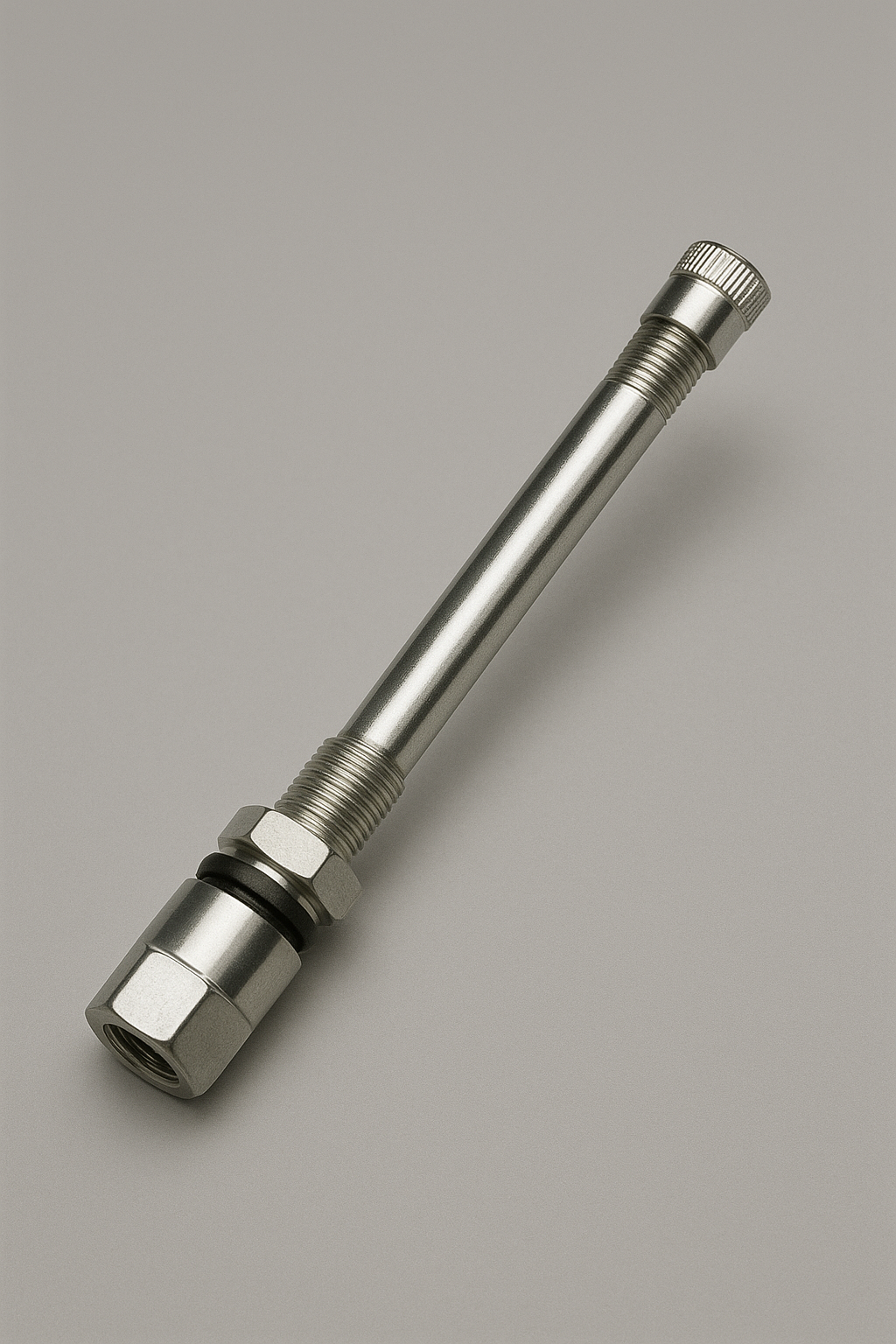



admin1

July 13, 2025

Why Tire Valve Stems Are Essential for Tire Safety in 2025

Why Tire Valve Stems Are Essential for Tire Safety in 2025

You depend on your tire valve to keep your tire properly inflated. This small valve acts as your first layer of protection, stopping air from escaping and keeping your ride safe. When you drive, a strong tire valve helps prevent dangerous blowouts and keeps you away from costly tire issues. You need a reliable valve to make sure your tire stays at the right pressure. Regular checks on your valve give you peace of mind every time you hit the road.

The Critical Role of Tire Valve Stems in Tire Safety

The Critical Role of Tire Valve Stems in Tire Safety

Tire Inflation and Pressure Control

You rely on your tire valve to keep your tires at the right psi. This small part plays a big role in tire inflation. When you fill your tires, the valve lets air in and seals it inside. If you drive a modern car, you likely have a Tire Pressure Monitoring System (TPMS). These systems use special valve stems that house sensors. These sensors measure tire pressure and send real-time data to your dashboard. You see alerts if your tire pressure drops below the recommended psi. This helps you take action before problems start.

  • TPMS valve stems give you accurate, real-time pressure readings.
  • You get dashboard alerts if tire pressure falls below safe levels.
  • Keeping optimal tire pressure improves handling, traction, and braking.
  • Proper tire inflation helps your car use less fuel by reducing rolling resistance.
  • You extend tire life by keeping pressure at the right level.

You need to check your tire pressure often. Use a reliable gauge and make sure each tire matches the recommended psi. This keeps your tires safe and helps your vehicle perform its best.

Preventing Air Leaks and Maintaining the Seal
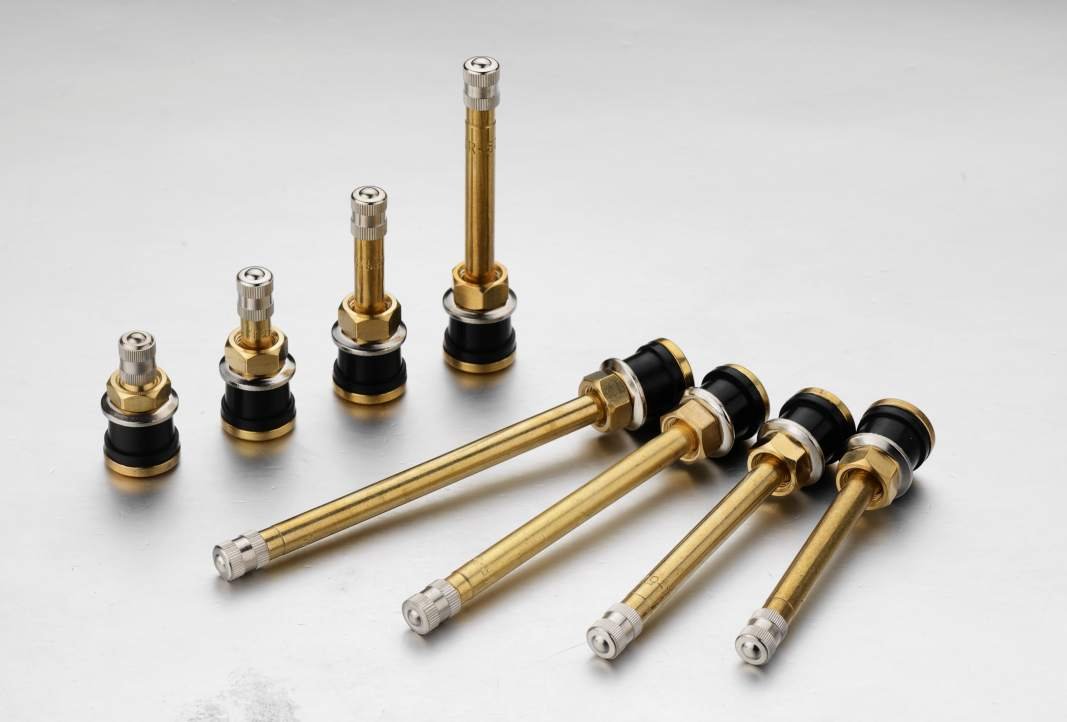
Your tire valve acts as the gateway for air to enter and stay inside your tire. Preventing air leakage starts with a strong, undamaged valve. When you secure the valve cap, you help stop air leakage and keep the seal tight. If your valve stem cracks, becomes brittle, or corrodes, air leakage can happen. This leads to a slow loss of pressure and can cause unsafe driving conditions.

  • Environmental factors like sunlight, heat, and moisture can damage the valve.
  • Road debris or rough handling during maintenance can also harm the valve.
  • Regular inspection and timely replacement prevent air leakage and keep your tires at optimal tire pressure.
  • Professional installation ensures the valve works as it should, reducing the risk of air leakage.

You should look for signs of wear or damage on your valve stems. Replace them if you see cracks or if they feel loose. This simple step helps you avoid air leakage and keeps your tires safe.

Impact on Tire Performance and Safety

A damaged or faulty tire valve can cause air leakage, leading to a slow drop in tire pressure. When your tires lose pressure, you notice changes in how your car handles. Steering feels less precise, and your stopping distance increases. Underinflated tires create more rolling resistance, which means your car uses more fuel. You also risk uneven tire wear, which shortens the life of your tires and increases maintenance costs.

  • Air leakage from a bad valve can cause flat tires or even rim damage.
  • Low tire pressure affects your ability to steer and brake safely.
  • You face a higher risk of blowouts or tire failure if you ignore air leakage.
  • Environmental exposure and physical impacts can weaken the valve, making air leakage more likely.

You protect your vehicle safety by checking your tire valves and replacing them when needed. Keeping your tire pressure at the correct psi ensures proper tire inflation and helps you avoid accidents. Make valve care a regular part of your tire maintenance routine.

The Science Behind Tire Valve Stems and the Seal

How a Tire Valve Works

You use a tire valve every time you check or adjust your tire pressure. This small device acts as a one-way gate for air. When you press an air pump onto the valve, a pin inside moves down, letting air flow into the tire. Once you remove the pump, the pin springs back up, and the valve closes. This action keeps the air trapped inside, holding the tire pressure steady.

The science behind this process relies on a few key principles:

  1. The tire valve serves as a sealed entry point for air, allowing you to add or check air without letting it escape.
  2. When you inflate the tire, the valve pin moves, letting air in. Once you finish, the pin returns to its position, sealing the opening.
  3. The pressure inside the tire pushes against the valve, but the seal keeps the air from leaking out.
  4. When you use a pressure gauge, it forms a tight seal with the valve and pushes the pin down, letting air move into the gauge for measurement.
  5. Inside the gauge, the air pressure moves a piston, which shows you the tire pressure reading.

You depend on this simple but effective design to keep your tires safe and properly inflated.

Key Components: Valve Core, Cap, and O-Ring

Each tire valve has several important parts that work together to create an air seal and maintain tire pressure. Here is a breakdown of the main components and their roles:

ComponentMaterial/TypeContribution to Airtight Seal and Functionality
Valve Stem BodyRubber or MetalRubber gives flexibility and forms an air seal; metal adds strength and uses rubber gaskets for sealing.
Valve CoreMetal inner componentControls airflow and keeps air from escaping, holding tire pressure steady.
Valve CapPlastic or MetalShields the valve stem from dirt and moisture, helping keep the air seal strong.
Sealing MechanismsRubber gaskets or O-ringsEnsure the valve stem seals tightly against the rim, stopping air leaks.

You find rubber stems on most cars because they flex and seal well. Metal stems work best for heavy-duty vehicles, offering extra strength. The valve core sits inside the stem and acts as the gatekeeper for air. Valve caps play a bigger role than you might think. They keep out dust, dirt, and water, which helps the air seal last longer. O-rings and gaskets, made from tough rubber, press tightly against the surfaces to stop air from leaking.

Achieving and Maintaining an Airtight Seal

You want your tires to hold air for as long as possible. The air seal is what makes this happen. The valve stem, core, cap, and O-ring all work together to create an effective seal that keeps tire pressure steady.

Rubber O-rings are especially good at forming a long-lasting air seal. They press tightly against the valve stem, blocking air from escaping. These O-rings handle daily driving, bumps, and weather changes without wearing out quickly. High-quality valve caps, often made from strong plastic with silicone seals, add another layer of protection. They keep out dirt and moisture, which can break down the seal over time.

Tip: Always check that your valve caps are in place and not cracked. Missing or damaged valve caps can let in dirt and water, which weakens the air seal and leads to slow air loss.

You can count on a dual-seal design for maximum protection. This setup uses two barriers to keep air inside. Durable materials help the valve resist harsh weather and rough roads. When you use quality parts and check your valves often, you help your tires keep the right pressure and avoid sudden deflation.

Risks of Faulty Tire Valve Stems

Air Loss and Underinflation Hazards

You might not notice a faulty tire valve stem right away, but it can cause slow air leakage that leads to underinflation. Over time, valve stems can crack, corrode, or become loose. These problems let air escape from your tire, even if you do not see a flat. When you drive with underinflated tires, you lose the protection that proper tire pressure gives you. Regular inspection and timely replacement of old or damaged valve stems help you avoid frequent air loss and keep your tires in good shape. If you ignore these small parts, you risk shortening the life of your tires and facing unexpected problems on the road.

Effects on Tire Handling and Stopping Distance

When your tire loses air, the way your car handles changes. Underinflated tires have a larger contact area with the road, which increases friction and heat. This extra heat makes your tires wear out faster and can even damage them. You will notice that your steering feels less sharp, and your car does not respond as quickly. Stopping distance also gets longer because the tires cannot grip the road as well. If you need to brake suddenly, your car may not stop in time. Underinflated tires can also make your anti-lock braking system (ABS) work less effectively. Keeping your tires at the right pressure helps you stay in control and improves your safety.

Note: Underinflated tires flex more, which causes the tread to squirm and reduces stability. This makes it harder to steer and control your vehicle, especially in emergencies.

Increased Risk of Tire Damage and Accidents

Faulty valve stems can lead to serious tire damage and even accidents. In the United States, up to 30 million potentially faulty tire valves were installed between September 2006 and June 2007. Over 200 complaints reached the National Highway Traffic Safety Administration (NHTSA), many linked to cracking and splitting of the valve stems. These failures caused tire blowouts, flat tires, and sometimes severe accidents. For example, a fatal rollover in Florida involved a cracked valve stem, which led to a recall of 6 million valve stems. Most valve failures showed up within 8 to 14 months of use. These numbers show how important it is to check your valve stems and replace them when needed. By doing so, you lower the risk of air leakage and protect yourself and others on the road.

Advancements in Tire Valve Technology for 2025

Advancements in Tire Valve Technology for 2025

New Standards and Regulations for Tire Valves

You see new standards shaping the future of tire valve technology. In 2025, regulators focus on safety, durability, and environmental impact. Manufacturers now use high-performance polymers and composites to meet strict guidelines. These materials resist corrosion and mechanical wear, making valves last longer. You benefit from reinforced sealing mechanisms that prevent air leaks, even under high pressure. Precision manufacturing, such as CNC machining, ensures each valve meets tight tolerances. Eco-friendly materials and sustainable practices are becoming the norm. This shift helps protect the environment while keeping your vehicle safe.

Integration with Tire Pressure Monitoring Systems (TPMS)

Modern vehicles rely on advanced TPMS for real-time safety. You find that direct TPMS sensors mount inside each tire, often as part of the valve stem. These sensors measure air pressure and temperature, sending wireless signals to your dashboard. You get instant alerts if pressure drops or rises outside safe limits. The valve stem acts as both the air inflation point and the sensor housing. Proper installation and torque keep sensors accurate and prevent damage. During service, you must replace components like nickel-plated valve cores and rubber grommets to maintain sensor integrity. This integration gives you continuous monitoring and peace of mind.

  • TPMS sensors use batteries and sit on the rim, built into the valve stem.
  • Sensors send coded signals to a receiver, which displays tire pressure on your instrument panel.
  • The system adjusts how often it checks pressure based on your driving.
  • You get real-time alerts, helping you avoid unsafe conditions.

Tip: Always check that your TPMS valve stems and caps are secure. This keeps your monitoring system working at its best.

Demands from Electric and Autonomous Vehicles

Electric and autonomous vehicles bring new challenges for tire valve design. You need valves that handle higher loads and more frequent pressure changes. Manufacturers use brass and stainless steel for extra strength and corrosion resistance. Smart valve stems now include IoT features, letting you track tire health through apps or vehicle systems. AI-driven micro-sensors monitor pressure, temperature, and air leakage in real time. These innovations help predict maintenance needs before problems start. Sustainable materials, like recyclable thermoplastics, meet environmental rules and reduce waste. Customization options, such as color-matched caps and LED indicators, improve both safety and style.

Choosing and Maintaining Quality Tire Valves

Types of Tire Valves: Rubber, Metal, and High-Pressure

You have several options when choosing tire valves. Each type offers different benefits for tire maintenance and tire health. Rubber valve stems are common on most passenger vehicles. They are flexible and easy to install, but they can dry out, crack, or leak over time, especially where the stem meets the rim. High-pressure rubber stems may fail quickly if you use them in high PSI situations. Metal valve stems, often made from brass, last longer and handle higher pressures. They work well with TPMS sensors and provide better durability, but you need to check the retaining nut for tightness to prevent leaks. Metal stems can corrode if not maintained, especially in salty or humid environments.

AspectRubber Valve StemsMetal Valve Stems
MaterialSynthetic rubberBrass (metal)
DurabilityShorter lifespan; prone to drying, cracking, wearLonger lifespan (up to 10+ years); more durable
Corrosion ResistanceBetter resistance to corrosionProne to corrosion if not maintained
InstallationEasier to install; flexible; uses standard toolsHarder to install; rigid; requires special tools
PerformanceLess rigid; may fail quicker under high pressureBetter sealing; handles high pressure better
MaintenanceLow maintenanceRequires regular maintenance to prevent corrosion
CostGenerally less expensiveMore expensive

You should match the valve type to your driving needs and tire maintenance habits.

How to Inspect for Wear, Damage, or Seal Failure

You need to check your tire valves regularly to keep your tires safe. Start by looking at the valve stems about once a month, especially when you do a tire inspection or check your tire tread. Always keep valve caps on the stems to block dirt and moisture. Look for these signs of trouble:

  • Cracks or punctures in the rubber
  • Rubber that looks old, dry, or brittle (dry rot)
  • Corrosion on metal stems or nuts
  • Slow air leaks, which you might notice from TPMS alerts or by using a pressure gauge
  • Bubbles forming on the stem when you apply soapy water

Tip: Apply a light coat of silicone-based lubricant to rubber valve stems once a year. This helps them last longer and keeps the seal strong.

Have a professional check your valves during every tire service. Replace any valve that shows signs of damage or wear.

When and How to Replace Tire Valves

You should replace tire valves every time you get new tires or if you see any damage. Most valve stems last about 4-5 years, but you should not wait if you spot problems. If you notice slow air leaks, cracks, or corrosion, replace the valve right away. Always use new valve caps after replacement to protect the stem from dirt and water. When installing metal stems, tighten the nut properly to prevent leaks. For rubber stems, make sure they fit snugly in the rim hole. If you are unsure, ask a tire professional to help with installation. Good tire maintenance includes checking and replacing valves as needed to keep your tires safe and extend their life.

Tips for Selecting Reliable Tire Valves

Choosing the right tire valve helps you keep your tires safe and your vehicle running smoothly. You want to look for certain features and qualities before you buy. Here are some tips to help you select reliable tire valves:

  1. Check Material Quality
    You should pick valves made from high-grade rubber or brass. These materials resist cracking and corrosion. Brass valves work well for vehicles that need higher pressure or face tough road conditions.

  2. Look for Certification
    Always check if the valve meets industry standards like ISO9001. Certified products go through strict testing. This means you get better safety and performance.

  3. Match the Valve to Your Vehicle
    Passenger cars, trucks, and motorcycles use different types of valves. Make sure you choose the right size and type for your wheels. If you drive a car with a Tire Pressure Monitoring System (TPMS), you need a compatible valve stem.

  4. Inspect the Valve Design
    Some valves have extra sealing features, like double O-rings or reinforced caps. These designs help prevent air leaks. A good valve cap keeps out dirt and water, which protects the seal.

  5. Buy from Trusted Brands
    You should buy from brands with a strong reputation for quality. Companies that test their products and follow strict quality control give you more peace of mind.

  6. Ask for Professional Advice
    If you feel unsure, ask a tire technician for help. They can recommend the best valve for your driving needs and tire maintenance routine.

Tip: Always replace your valve stems when you get new tires. Old valves can fail even if they look fine.

A reliable tire valve keeps your tires at the right pressure and helps you avoid sudden air loss. Careful selection now saves you trouble later.

Real-World Examples and Common Tire Valve Mistakes

Stories of Tire Valve Failures and Consequences

You might think a tire valve stem is a small part, but it can cause big problems if it fails. Many drivers have faced flat tires or sudden air loss because of damaged valve stems. For example, one driver noticed a slow leak in his tire. He ignored it, thinking it was a minor issue. A few days later, the tire went flat on the highway. The cause was a cracked rubber valve stem that had dried out from years of sun exposure. This led to a dangerous situation and an expensive tow.

Another driver replaced her tires but did not change the old valve stems. After a few months, she noticed her car pulling to one side. The mechanic found that the valve stem had corroded from road salt, causing a slow leak. She had to replace the tire and the valve stem, which could have been avoided with a simple check during installation.

Tip: Always replace valve stems when you get new tires. Old stems can fail even if they look fine.

Everyday Habits That Can Damage the Tire Valve or Seal

You may not realize that some daily habits put your tire valves at risk. Here are common mistakes that can damage the valve stem or its seal:

  • Leaving your car parked in direct sunlight for long periods causes rubber valve stems to crack and become brittle.
  • Driving over curbs or hitting road debris can bend or break the valve stem, leading to leaks.
  • Skipping regular inspections means you might miss early signs of cracks or corrosion.
  • Using too much force when checking tire pressure can damage the valve core.
  • Forgetting to replace missing or damaged valve caps lets dirt and moisture enter, which can corrode the valve core.
  • Overtightening valve caps can strip threads or crush the valve core.
  • Not cleaning valve stems in winter allows road salt to build up, increasing corrosion risk.
  • Failing to seat the valve stem properly during installation often leads to poor sealing and air leaks.

You can prevent most of these problems by checking your valve stems regularly, using gentle pressure when checking tire pressure, and making sure valve caps are always in place. Professional installation also helps ensure a proper seal and longer valve life.

Fortune’s Commitment to Tire Valve Quality and Safety

Manufacturing Standards and Certifications

You want tire valves that meet the highest standards. Fortune uses strict manufacturing guidelines to make sure every valve stem is safe and reliable. You can trust Fortune because the company holds certifications like ISO9001. These certifications show that Fortune follows global quality rules and uses advanced technology in production. Industry standards such as SAE 1205-1206 guide the design and testing of each valve. You get products that resist ozone, heat, and cold, which helps your tires last longer. Fortune never uses inferior materials. Every valve stem is made from premium rubber or metal, so you avoid cracks and leaks. When you choose Fortune, you know your tire valves meet tough international requirements.

Quality Control and Testing Processes

You depend on Fortune’s careful quality control to keep your tires safe. The company checks every step of the process, from raw materials to finished products. Here is how Fortune ensures each valve stem meets strict standards:

Quality Control StageDescriptionKey Tests and Inspections
Incoming InspectionChecks raw materials for quality and correct specifications.Spec testing, Hardness testing, Composition testing
Process Quality ControlMonitors each step of manufacturing with detailed documentation.Structure testing, Thread testing, Pull force testing, Hardness testing, Ageing testing, 100% Air-tightness testing
Finished Valve TestingTests completed valves to confirm they meet international standards.Final tests with certification
Documentation and ReportingKeeps detailed records for every batch to track quality and performance.Inspection reports covering appearance, technology, and budget

You also benefit from regular inspections of valve gaskets, stems, and internal parts. Automated monitoring helps catch problems early. Fortune tests every valve for air-tightness, so you can trust your tires to hold pressure.

Global Service and Customer Support

You get more than just a product when you choose Fortune. The company supports you worldwide, with offices and warehouses in North America and other regions. Fortune’s team helps you pick the right valve stem for your vehicle and answers your questions quickly. You receive guidance on proper installation and maintenance, which helps prevent valve stem failures. Fortune also educates you about the risks of using low-quality or unbranded valves. The company encourages you to replace valve stems with every tire change and offers support for TPMS sensors to protect your investment. When you work with Fortune, you get reliable products and expert help, no matter where you are.


You play a key role in tire safety by making tire valve care part of your tire maintenance routine. Simple steps like using soapy water to check for leaks, responding to TPMS alerts, and replacing valve stems during tire changes help prevent air loss and blowouts.

  • Use TPMS and automatic inflation systems for early warnings.
  • Train yourself to spot leaks and act quickly.

Regular tire care saves you money by avoiding costly tire and wheel damage from unnoticed leaks.

FAQ

How often should you check your tire valve stems?

You should inspect your tire valve stems at least once a month. Look for cracks, leaks, or corrosion. Always check them when you rotate or replace your tires. Regular checks help you catch problems early and keep your tires safe.

Can you reuse old valve stems when installing new tires?

You should not reuse old valve stems. Old stems may have hidden damage or wear. Always install new, high-quality valve stems with every tire change. This helps prevent air leaks and keeps your tires at the correct pressure.

What are the signs of a failing tire valve stem?

You might notice slow air loss, a soft tire, or a TPMS warning light. Sometimes, you see cracks, splits, or corrosion on the stem. If you spot bubbles when applying soapy water, your valve stem likely leaks.

Do tire valve caps really matter?

Yes, valve caps protect the valve core from dirt, moisture, and debris. Without a cap, dirt can enter and cause leaks or valve failure. Always keep a cap on each valve stem for extra protection.
    Have any Questions about product?

    At sem a enim eu vulputate nullam convallis Iaculis vitae odio faucibus adipiscing urna.

    Request a quote Request a quote