What is the difference between rubber and metal tire valves?
 20Mar
20Mar 


You want your vehicle to stay safe and reliable on the road. Picking the right tire valve stem repair kit makes a big difference. Start by checking your tire valve stem. Use a kit that feels sturdy and includes tools you can trust. Make sure every part fits your vehicle. When you repair a valve, follow the instructions closely. A good tire valve stem keeps your tire pressure steady and helps you drive with confidence.
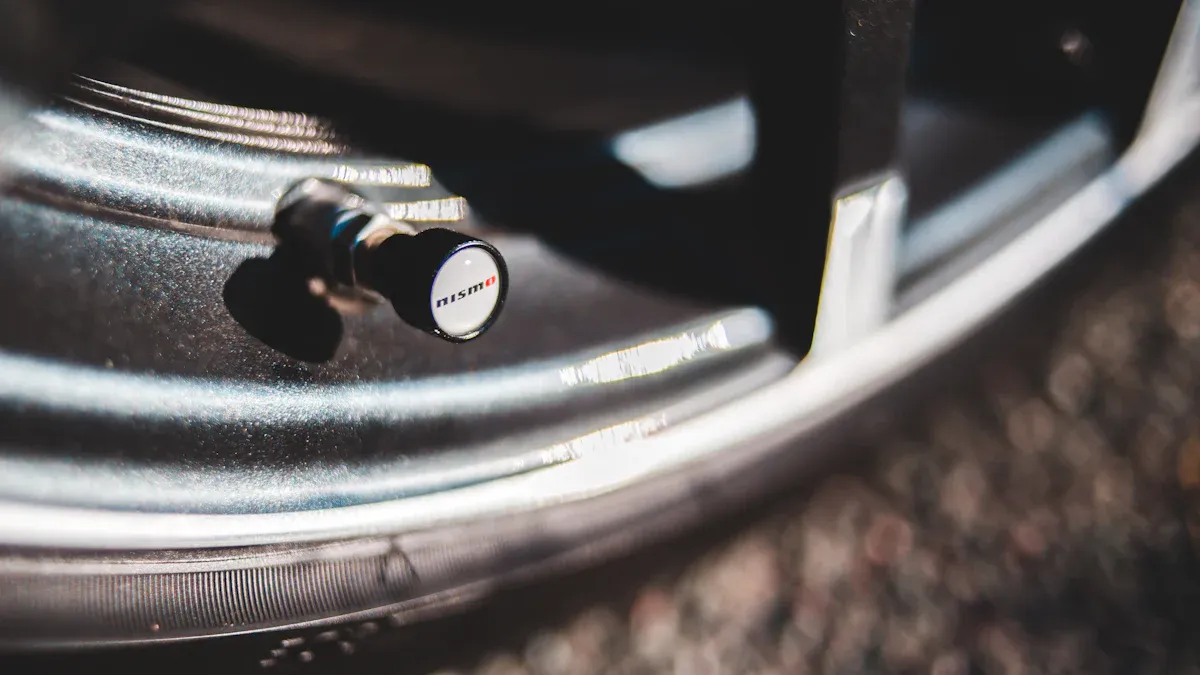
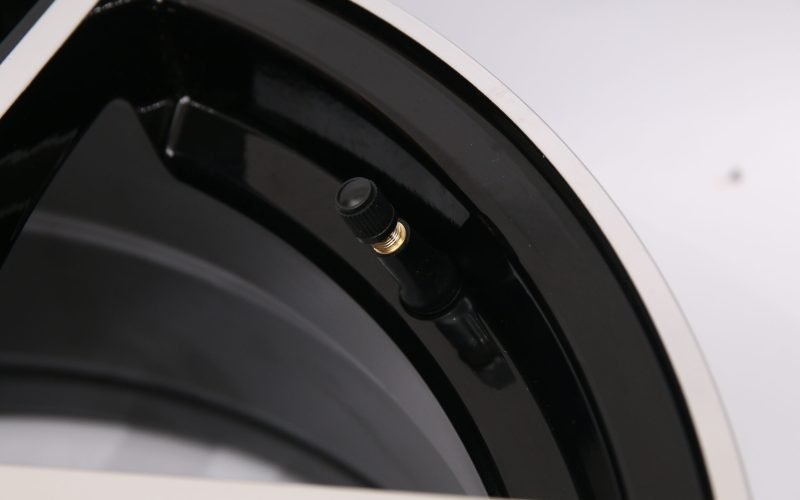
When you look at your tire, you might notice a small metal or rubber tube sticking out. That’s the valve stem. Picking the right tire valve stem types for your car helps you keep your tires safe and working well. Let’s break down the main types and what makes each one special.
You’ll usually find Schrader or Presta valve stems on most vehicles and bikes. Schrader valves are common on cars, mountain bikes, and even kids’ bikes. They’re tough and easy to use. You can inflate them with almost any air pump. Presta valves show up on road bikes and high-performance setups. They’re slimmer and lighter, but you might need a special pump or adapter to fill them up.
Here’s a quick look at how they compare:
| Feature | Schrader Valves | Presta Valves |
|---|---|---|
| Ease of Inflation | Simple and user-friendly design | May require a specialized pump or adapter |
| Durability | Known for toughness and longevity | Lightweight but less robust |
| Pressure Capacity | Best for lower-pressure applications | Excels in high-pressure scenarios |
| Rim Compatibility | Versatile, used in various vehicles | Designed for narrower rims of road bikes |
| Common Applications | Mountain bikes, kids’ bikes, cars | Road cycling, high-performance setups |
Tip: If you drive a passenger car or a light truck, you probably have Schrader valves. If you ride a road bike, check for Presta valves.
You might wonder if you should stick with the original valve stems (OEM) or try aftermarket options. OEM valve stems come straight from your vehicle’s manufacturer. They’re built to match your car’s specs and usually last four to six years. Aftermarket valve stems can offer more choices, but not all are created equal. Some tire shops buy valve stems in bulk, and these may not meet the same quality standards. If you want reliability, always choose valve stems made from high-quality materials.
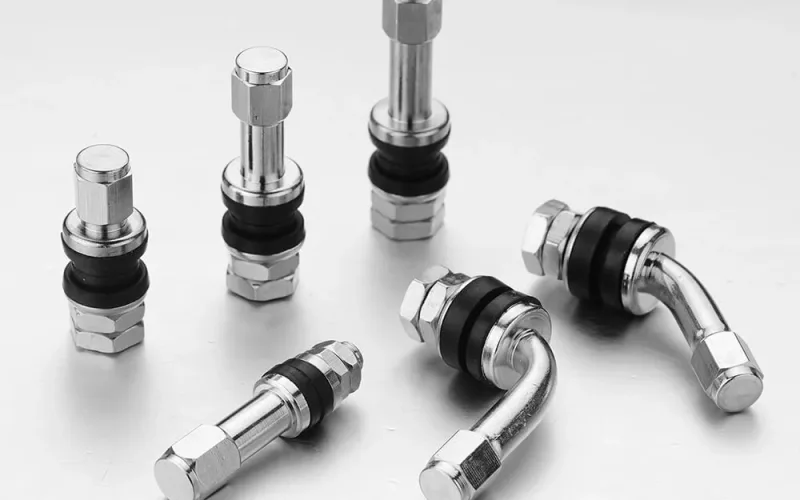
Valve stems can be rubber snap-in, high-pressure snap-in, or metal clamp-in. Each type fits different needs:
| Type of Valve Stem | Maximum Pressure | Features |
|---|---|---|
| Tubeless Rubber Snap-In Valves | 65 psi | Designed for passenger cars, light-duty trailers, and light trucks; fits .453″ or .625″ holes. |
| Tubeless Snap-In High-Pressure Tire Valve | 80-100 psi | Used for medium- to heavy-duty applications; fits .453″ or .625″ holes; designed for steel wheels. |
| High-Pressure Metal Clamp-in Tire Valve | 200 psi | Suitable for high-speed applications; fits various rim holes; allows for easy adjustment of tightness. |
Note: Always check your owner’s manual before picking a tire valve stem. This helps you match the right type to your tire and driving needs.
When you pick out a tire valve stem repair kit, you want parts that last. The material makes a big difference. Rubber valve stems feel flexible and work well for most cars, but they usually last about 4 to 5 years. Brass and aluminum valve stems stay strong even longer, sometimes up to 8 years. If you drive in tough weather or on rough roads, you need a kit with durable materials.
Here’s a quick look at how long each material lasts:
| Material | Average Lifespan |
|---|---|
| Rubber | 4-5 years |
| Brass/Aluminum | 5-8 years |
You can trust brass and aluminum for heavy-duty jobs. Rubber works great for everyday driving. If you want your valve to hold air and keep your tire safe, always check the material before you buy.
Tip: If you drive in hot or cold places, pick a kit with high temperature ratings. This helps your valve last longer.
A good tire valve stem repair kit gives you everything you need. You might find valve cores, caps, stem pullers, and even a handy installation tool. Some kits include extra seals or washers. These small parts help you fix leaks and keep your tire pressure steady.
Here’s what you might see in a complete kit:
You don’t want to hunt for missing tools when you need a fast repair. If your kit has all the right accessories, you can fix your tire valve stem quickly and get back on the road.
Note: Always check the kit before you buy. Make sure it has the tools you need for your vehicle.
Valve stem compatibility matters a lot. You want your tire valve stem repair kit to fit your tire and your vehicle. Different vehicles need different stem lengths, angles, and pressure ratings. For example, passenger cars use stems about 1.25 to 1.5 inches long. Heavy-duty trucks need longer stems and higher pressure ratings. Motorcycles use short, angled stems. Tractors and off-road vehicles need tough stems for extreme conditions.
Here’s a table to help you match your kit to your vehicle:
| Compatibility Factor | Passenger Vehicles | Heavy-Duty Trucks | Motorcycles | Tractors and Off-Road Vehicles |
|---|---|---|---|---|
| Stem Lengths | 1.25 – 1.5 inches | 2 – 2.5 inches+ | 0.88 inches | 1.25 – 3 inches |
| Stem Angles | Straight | 45-Degree Angled | 90-Degree | Varies |
| Pressure Ratings | Up to 65 psi | Up to 200 psi | Up to 65 psi | Up to 100 psi+ |
| Rim Hole Diameters | 0.453 – 0.625 in | ~0.625 inches | ~0.327 in | Commonly 0.625 inches |
| Temperature Ratings | -40°F to 180°F | -65°F to 250°F | -40°F to 180°F | Extreme conditions preferred |
If you want a smooth repair, always check your owner’s manual for the right size and type. This helps you avoid leaks and keeps your tire safe. When you match your kit to your tire and vehicle, you get the best results.
Callout: Double-check valve stem compatibility before you start your repair. This saves you time and trouble.
When you pick up a tire valve stem repair kit, you want the process to feel simple and stress-free. You do not need to be a mechanic to use most kits. The best kits come with clear instructions and tools that fit comfortably in your hand. You can finish the job quickly if you follow a few easy steps.
A user-friendly kit helps you avoid frustration. Look for these features when you shop:
Tip: Before you start, lay out all the parts and read the instructions. This helps you spot anything missing and makes the repair go smoother.
Many people run into the same problems when using a repair kit. You can avoid these issues if you know what to watch for:
Here’s a quick table to help you remember what to check for an easy repair:
| Step | What to Do | Why It Matters |
|---|---|---|
| Inspect Valve Stem | Look for cracks or wear | Prevents leaks and blowouts |
| Gather Tools | Lay out all kit parts and tools | Saves time and avoids mistakes |
| Follow Instructions | Read each step before starting | Ensures proper installation |
| Test for Leaks | Spray soapy water after repair | Spots leaks right away |
| Replace Caps | Use high-quality valve caps | Blocks dirt and moisture |
You do not need special skills to use a tire valve stem repair kit. With the right kit and a little patience, you can fix most problems in minutes. You keep your tires safe and your ride smooth.
Choosing the right tire valve stem repair kit for your vehicle is not just about grabbing the first box you see. You want a kit that matches your tire and fits your driving needs. Let’s walk through the steps that help you make the best choice.
You should always start by checking your vehicle’s manufacturer specifications. These details tell you exactly what kind of valve stem your tire needs. You can find this information in your owner’s manual or sometimes on a sticker inside your driver’s door. The manufacturer lists the right stem length, diameter, and pressure rating for your vehicle.
If you use a kit that does not meet these specs, you risk problems like leaks or even sudden air loss. Here are some risks you face when you use a tire valve stem repair kit that does not match the manufacturer’s requirements:
You want to avoid these problems. Always double-check the specs before you buy a kit. If you feel unsure, ask a tire shop or your mechanic for help.
You might see two types of kits in stores: universal and vehicle-specific. Universal kits fit many vehicles and tires. They work well if you have more than one car or want a backup for emergencies. Vehicle-specific kits are designed for certain makes and models. These kits match your tire valve stem exactly and often include parts that fit your vehicle’s wheels perfectly.
Here’s a quick table to help you compare:
| Kit Type | Fits Many Vehicles | Matches Manufacturer Specs | Best For |
|---|---|---|---|
| Universal | ✅ | Sometimes | Quick fixes, emergencies |
| Vehicle-Specific | ❌ | Always | Long-term reliability |
If you want peace of mind, pick a vehicle-specific kit. You get the right fit and better performance. Universal kits are handy for quick repairs, but you should check the packaging to make sure it matches your tire and valve type.
Tip: If you drive a unique or older vehicle, a vehicle-specific kit can save you time and trouble.
Your owner’s manual is your best friend when it comes to tire repairs. It tells you the exact valve stem type, size, and pressure rating for your vehicle. You can flip to the tire section and find all the details you need. If you lost your manual, many car makers post them online.
When you follow the manual, you avoid mistakes like using the wrong stem length or pressure rating. You also keep your tire safe and your ride smooth. If you ever feel unsure, bring your manual to the auto parts store. Show it to the staff and ask for help picking the right kit.
Callout: Always keep your owner’s manual in your glove box. It helps you make smart choices for your vehicle and keeps you safe on the road.
Matching your tire valve stem repair kit to your vehicle is easy when you check the specs, compare kit types, and use your manual. You protect your tire, avoid leaks, and drive with confidence.
When you work with a tire valve stem repair kit, safety should always come first. A small mistake can lead to big problems on the road. Let’s look at how you can keep your repairs safe and your ride worry-free.
You want your valve to fit perfectly. A loose or crooked valve can cause air leaks or even a flat tire. Here’s a simple way to make sure you install the valve stem the right way:
If you follow these steps, you help your tire hold air and stay safe on the road.
Many people make the same mistakes when fixing a valve. You can avoid trouble by watching out for these issues:
Rubber valve stems can crack in hot or cold weather. Cracks may cause slow leaks or sudden air loss. Improper installation can also lead to poor sealing and air leaks.
If you ever wonder when to replace a valve stem, look for cracks, leaks, or signs of damage. Don’t wait for a problem to get worse.
A good kit keeps you safe and makes repairs easy. Look for these certifications and standards:
| Certification/Standard | Description |
|---|---|
| TIA Certification | Training and standards for tire repairs |
| DOT Certification | Meets safety rules for tire products |
| Winter Tire Certification | Checks winter tire safety and performance |
| Uniform Tire Quality Grading | Rates treadwear, traction, and temperature |
| International Certifications | Global safety and performance standards |
| Manufacturer-Specific Standards | Extra safety rules from tire makers |
The valves may crack early and cause crashes. Cracks in valve stems can make tires lose air fast, which can lead to tire failure and loss of control.
Choose a kit with trusted certifications. You protect your tire, your valve, and your safety every time you drive.
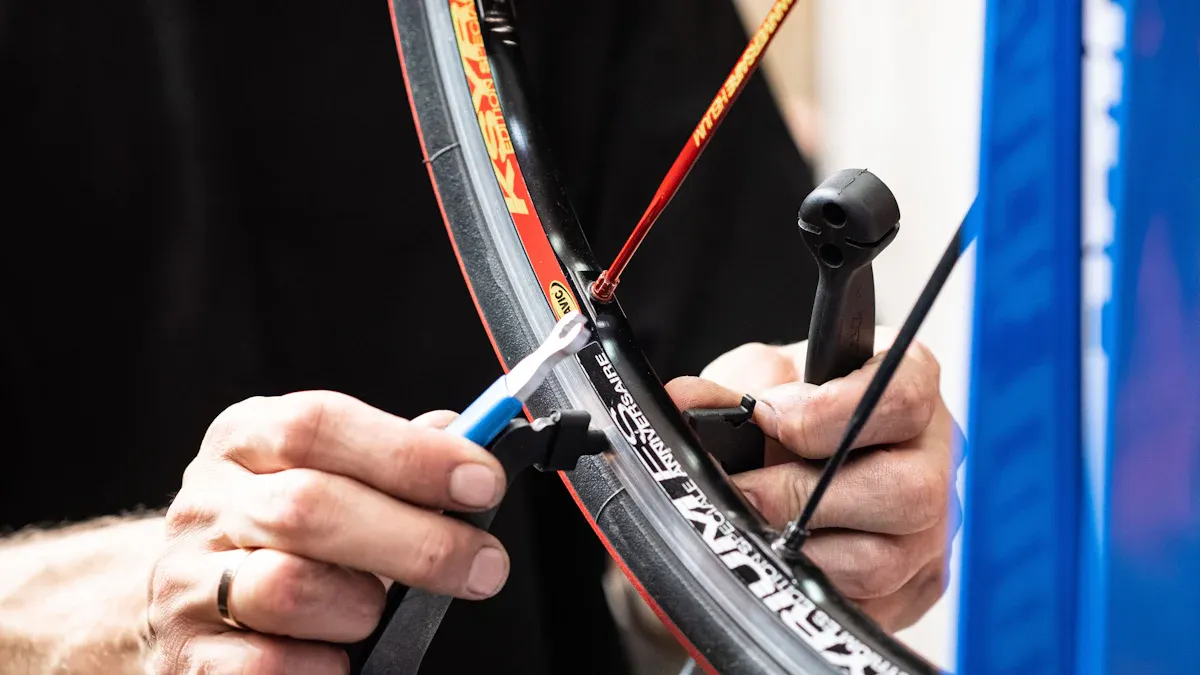
Before you start, you want to make sure everything is ready for a safe and smooth repair. Grab your kit and take a close look at your valve stems. Check for any cracks or damage. Dirt and debris can block the valve core, so clean it out if you see anything. If your vehicle has TPMS sensors, spot them before you remove the valve stem. You do not want to damage these sensors. When you reinstall, avoid overtightening, especially with metal stems. Careful handling keeps your valve working well.
Tip: A quick check now saves you trouble later. You keep your tire safe and avoid leaks.
Ready to fix your valve? Follow these steps for a successful repair:
You want each step to go smoothly. Take your time and double-check your work.
After you finish the repair, you need to make sure everything works right. Inflate your tire to the recommended pressure. You can find this number on the driver’s side door jamb. Check around the valve stem for any air leaks. Use a soapy water solution and watch for bubbles. If you see none, your valve is sealed. Remount the tire and make sure all parts are secure.
Callout: Always check your tire pressure after replacing a valve stem. This keeps your ride safe and smooth.
When you shop for a valve stem repair kit, you want to pick one that matches your vehicle. Not all kits work for every ride. Some are made for cars, while others fit trucks or motorcycles. The best kits use strong materials and fit the right valve type for your wheels. Here’s a table to help you see what works best for each vehicle:
| Vehicle Category | Stem Type | Pressure Rating | Rim Hole Diameter | Temperature Rating |
|---|---|---|---|---|
| Passenger Vehicles | Straight Stems | Up to 65 psi | 0.453 – 0.625 inches | -40°F to 180°F |
| Heavy-Duty Trucks | 45-Degree Angled Stems | Up to 200 psi | ~0.625 inches | -65°F to 250°F |
| Motorcycles | 90-Degree Angled Stems | Up to 65 psi | ~0.327 inches | -40°F to 180°F |
| Tractors and Off-Road | High-Pressure Metal Stems | Up to 100 psi or more | ~0.625 inches | Extreme temperatures |
You can see that each vehicle needs a different valve. If you drive a car, you want a straight stem. If you own a truck, you need a 45-degree angled stem for higher pressure. Motorcycles use a 90-degree angle, and tractors need tough metal stems for rough work. Always check your kit for the right valve before you start your repair.
You might wonder if you should buy a budget kit or spend more on a premium one. Here’s what you need to know:
Tip: If you only need a kit for emergencies, a budget option can help. For daily use or long drives, a premium kit is the smarter choice.
No matter which kit you choose, always check that it fits your valve and matches your vehicle’s needs. This way, you keep your tire safe and your ride smooth.
Choosing the right tire valve stem repair kit keeps your vehicle safe and your tire in top shape. You want to know your tire valve stem type before you buy. Pick quality parts that match your needs. Trust brands like Fortune for tested products. Always check your owner’s manual for the best advice. Safe driving starts with the right tire valve stem.
Look for signs like a slow air leak, a flat tire, or bubbles when you spray soapy water on the valve. If you see cracks or damage, it’s time to fix or replace the stem.
No, you can’t use just any kit. You need to match the kit to your valve stem type and your vehicle’s specs. Always check your owner’s manual or ask a professional for help.
Most repairs take about 10 to 20 minutes. If you have the right tools and follow the instructions, you can finish quickly and get back on the road.
Most kits come with everything you need, like a valve core tool and replacement parts. You don’t need fancy equipment. Just follow the steps in the kit’s instructions.
Check your valve stems every time you check your tire pressure. Look for cracks, leaks, or missing caps. Regular checks help you catch problems early and keep your tires safe.
 Request a quote