 04Feb
04Feb 

You face a real risk of tire theft if you park your vehicle in busy cities or quiet suburbs. Tire locks give you strong protection by making it almost impossible for thieves to steal your wheels. Many cities have seen wheel theft rise by over 30% in the past year, and more than one million vehicle break-ins are expected in North America this year.
| Statistic | Value |
|---|---|
| Increase in wheel theft in major metro areas | Over 30% |
| Expected vehicle thefts or break-ins in North America | Over 1 million |
These numbers show that using tire locks can help you stop theft before it happens.
How Tire Locks Work
The Physical Barrier Principle
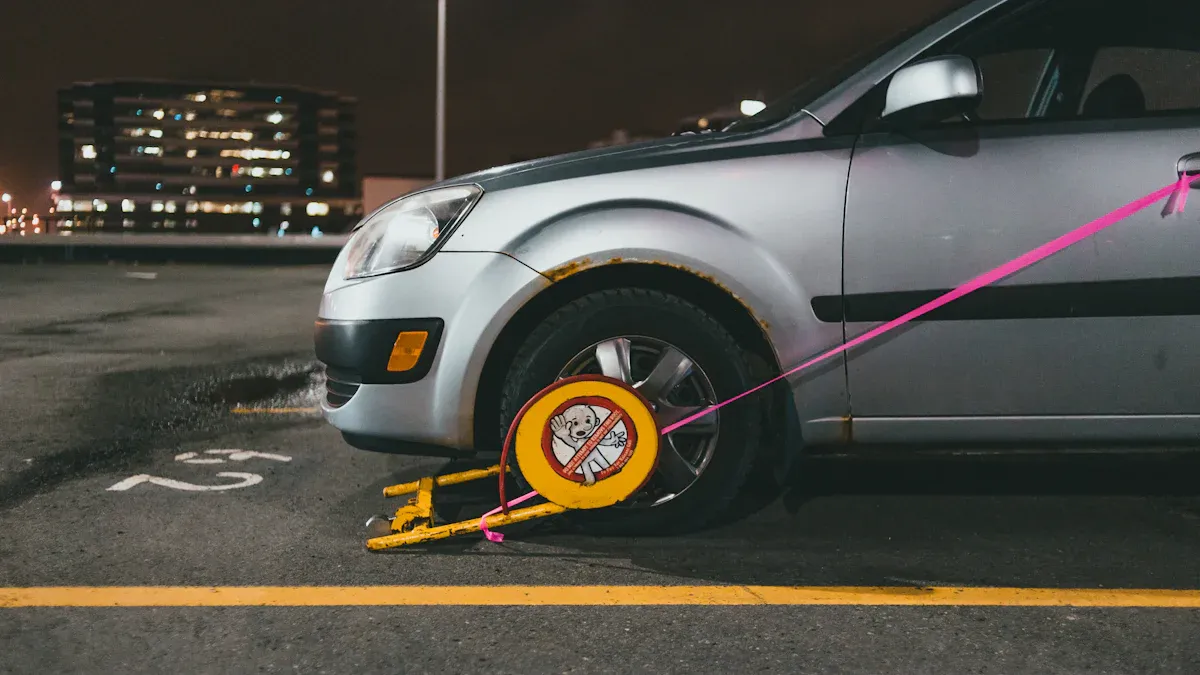
You want to keep your wheels safe. Tire locks use a strong physical barrier to stop thieves from taking your wheels. When you attach a tire lock, it covers or clamps onto the wheel. This makes it very hard for anyone to remove the wheel without the right tool or key.
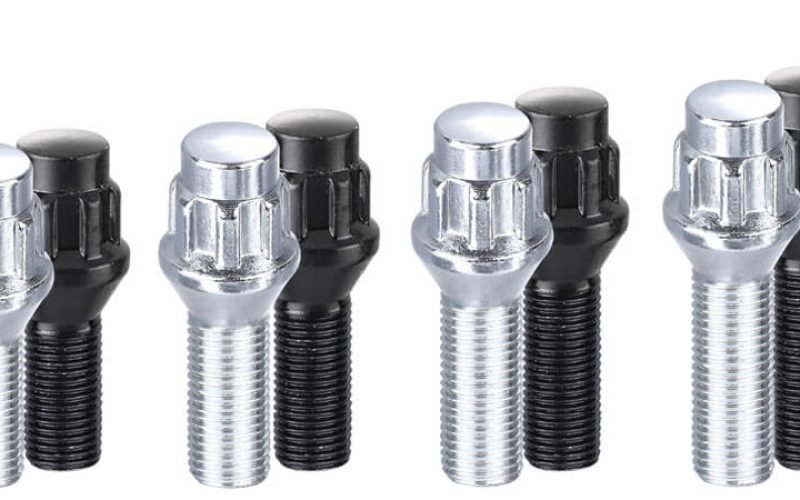
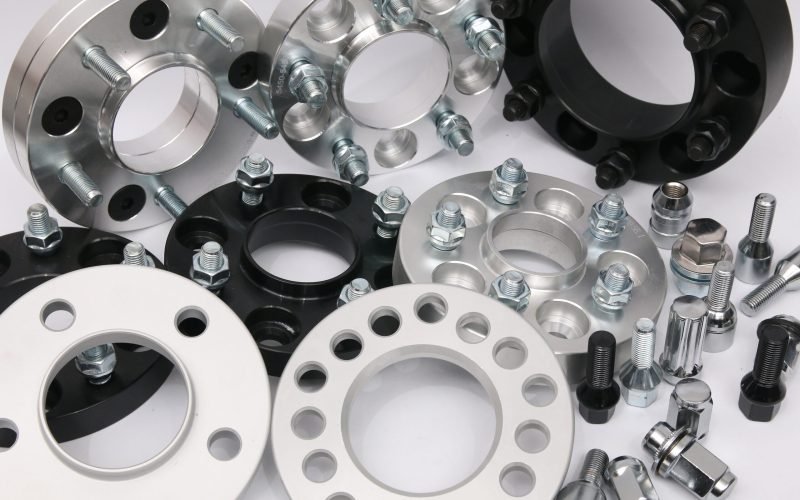
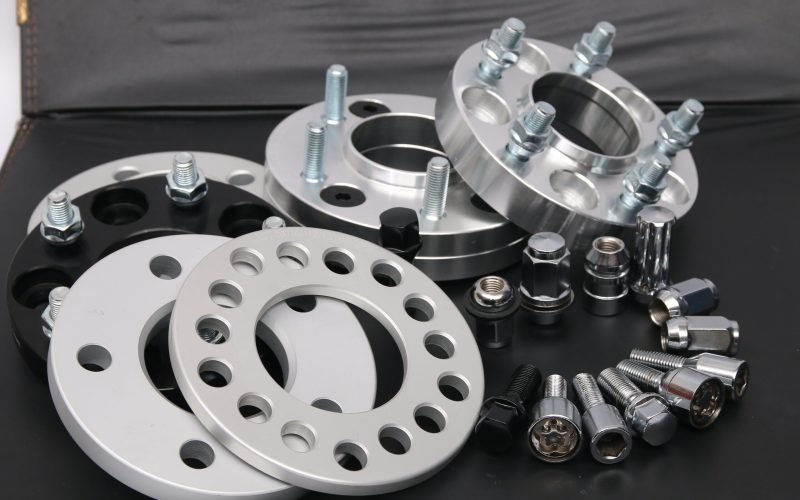
Wheel locks, also called locking lug nuts, have special shapes. You need a matching key to remove them. Standard tools do not work on these locks. This design keeps your wheels secure because thieves cannot use regular wrenches or pliers to take them off.
Many tire locks use bright colors or reflective decals. These features warn thieves that your car is protected. Thieves often look for easy targets. When they see a tire lock, they know it will take more time and effort to steal your wheels. This delay increases the chance that someone will notice them, so most thieves move on to another car.
Some tire locks use extra-tough barriers. For example, steel shrouds can cover the lug nuts, or spikes can deflate the tire if someone tries to tamper with it. These barriers make it even harder for thieves to succeed.
Here are some common physical barrier designs used in tire locks:
| Barrier Type | Description |
|---|---|
| Surface Mounted Tire Spike | Secured to the road, allows one-way traffic, good for parking lots. |
| In-Ground Tire Spike | Flush with the ground, strong and durable, needs more installation work. |
| Motorized Tire Spike | Can be raised or lowered automatically, flexible for different uses. |
| Extendable Tire Spike | Portable and quick to set up, often used by security teams. |
Tip: A visible tire lock can scare off thieves before they even try to steal your wheels.
Locking Mechanisms Explained
Tire locks use different locking mechanisms to keep your wheels safe. Each type works in a special way to stop thieves.
Some locks use a “push to lock” system. You push down the handle to lock it in place. This method is simple and quick. Others use a “pull to lock” system. You pull the handle to secure the lock. People with strong hands may find this method easier.
Newton wheel locks use reverse tread screws and a spring. This design makes them lightweight but strong. Scissor locks have a single lever and a spring. They are low profile and easy to use. Some locks combine a wheel lock with a grade aid. This combo helps prevent your car from rolling backward on a hill and keeps your wheels safe at the same time.
Here is a table showing common locking mechanisms and how they work:
| Lock Type | Functionality |
|---|---|
| Push to Lock | Push handle down to engage, safe for transfers, works with handle extensions. |
| Pull to Lock | Pull handle to engage, good for users with strong grip. |
| Newton Wheel Locks | Use reverse tread screws and springs, lightweight and durable. |
| Scissor Locks | Single lever, spring-loaded, easy to operate, low profile. |
| Grade Aids | Stop backward rolling, simple for elderly, do not lock wheels. |
| Combo Grade Aid | Combines grade aid and wheel lock, three positions, lightweight and space-saving. |
You want the best security for your car. High-security locks use drill-resistant cylinders and anti-pick features. They also have heavy-duty materials and reinforced parts. These features make it very hard for thieves to break or pick the lock. The FBI reports that over 60% of burglaries involve forced entry. Strong locks help protect your wheels from these threats.
- High-security locks often include:
- Drill-resistant cylinders
- Reinforced strike plates
- Anti-pick mechanisms
- Heavy-duty materials
When you choose a tire lock, look for these features. They give you peace of mind and help keep your vehicle safe.
Types of Tire Locks
Clamp-Style Tire Locks
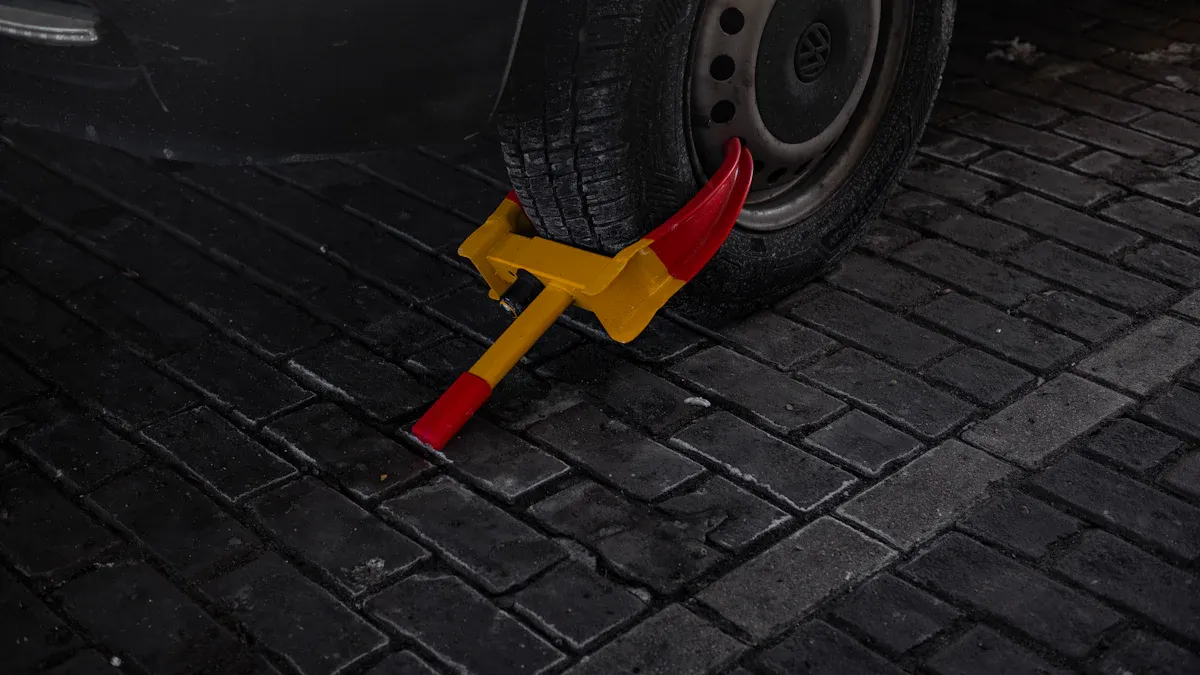
Clamp-style wheel locks give you a strong way to protect your vehicle. You attach these locks over the wheel, and they clamp tightly around the tire and rim. This design makes it very hard for thieves to move or tow your car. You can install clamp-style wheel locks quickly, and they are easier to carry than large boot locks. Thieves need a lot of time and effort to break these locks, which draws attention and scares them away. Unlike locking lug nuts or locking wheel nuts, clamp-style wheel locks protect the whole wheel, not just the lug nuts.
- Clamp-style wheel locks:
- Make towing your car almost impossible for thieves.
- Are easier to transport and install than boot locks.
- Require significant time and effort to break, which discourages theft.
- Offer broader security than traditional locking lug nuts.
You can use a wheel lock key to remove the clamp when you need to drive.
Lug Nut Wheel Lock
Lug nut wheel locks, also called locking lug nuts or locking wheel nuts, replace one or more standard lug nuts on each wheel. You need a special wheel lock key to remove them. This key has a unique pattern that matches the lock, so only you can unlock it. Locking lug nuts and locking wheel nuts stop thieves from using regular tools to take your wheels. You can find these wheel locks in many sizes and styles to fit different vehicles. Some sets include extra wheel lock keys for backup.
Locking lug nuts work best when you use them on all four wheels. You should check the tightness of each wheel lock often. If you lose your wheel lock key, you may need help from a professional to remove the locking lug nuts.
Wheel Boot Locks
Wheel boot locks cover the entire wheel and prevent it from turning. You place the boot over the wheel, and it locks in place with a strong mechanism. The design uses rounded edges and rubber padding, so it will not damage your tires or wheel hub. You can use wheel boot locks on many types of vehicles, including cars, SUVs, trucks, RVs, golf carts, ATVs, and motorcycles. These locks fit tire sizes from 6.3 to 15 inches, making them very versatile. High-quality Q235A steel gives the boot strength and durability. Bright paint on the boot makes it easy to see, which warns thieves to stay away.
Tip: Choose a wheel boot lock if you want a visible and tough way to stop wheel theft on many types of vehicles.
Electronic Tire Locks
Electronic tire locks give you advanced protection for your wheels. You control these locks with a remote or a smartphone app. When you activate the electronic wheel lock, it sends a signal to secure the device around your tire. Thieves cannot remove the wheel lock without your permission. You get alerts on your phone if someone tries to tamper with your vehicle.
You can find electronic wheel locks with built-in alarms. These alarms make loud noises when someone tries to break the lock. The sound scares away thieves and attracts attention from people nearby. Some models use GPS tracking. If a thief moves your car, you see the location on your phone. You can share this information with police to help recover your vehicle.
Electronic wheel locks use strong materials like hardened steel. You get the same physical strength as traditional locks, plus smart technology. You can set up the wheel lock in seconds. The device checks if the lock is secure and sends you a confirmation. You do not need to worry about losing your wheel lock key because you control the lock with your phone or remote.
Here is a table showing features of electronic tire locks:
| Feature | Benefit |
|---|---|
| Remote Activation | You lock and unlock from a distance |
| Alarm System | Loud sound warns you and others |
| GPS Tracking | Find your car if it moves |
| Tamper Alerts | Get instant notifications |
| No Physical Key | Use your phone instead of a wheel lock key |
Note: Electronic wheel locks work well for people who want extra security and convenience. You get peace of mind knowing your wheels are protected by both strong materials and smart technology.
You can use electronic wheel locks on many vehicles, including cars, trucks, and motorcycles. You choose the model that fits your needs. You get reliable protection and easy control.
Key Features That Make Tire Locks Effective
Material Strength and Durability
You want tire locks that last and protect your wheels in any situation. Manufacturers use advanced materials like heat treated alloy steel to make these locks strong. This material resists cutting, drilling, and hammering. You can trust that your locking lug nuts and locking wheel nuts will not break easily. When you use a wheel lock key, you feel the solid construction. The lock stands up to harsh weather and rough handling. You get peace of mind knowing your tire locks will keep working year after year.
- Heat treated alloy steel gives maximum strength.
- Locks resist rust and corrosion.
- Durable design keeps your wheels safe in all conditions.
Lock Complexity and Security
You need tire locks with complex designs to stop thieves. Manufacturers use patented lock systems with infinite key configurations. Each wheel lock key has a unique pattern, making duplication nearly impossible. Locking lug nuts and locking wheel nuts use special shapes and grooves. Thieves cannot use regular tools to remove them. The lock resists common removal methods like prying or forced turning. You get a higher level of security for your vehicle.
| Design Feature | Contribution to Security |
|---|---|
| Advanced materials | Manufactured from heat treated alloy steel for strength. |
| Patented lock systems | Configurable with infinite key plates, making duplication hard. |
| Unique key configurations | Nearly impossible to duplicate keys, enhancing security. |
| Resistance to removal methods | Designed to withstand common theft techniques. |
Locking lug nuts and locking wheel nuts work best when you use them on all wheels. You should always keep your wheel lock key in a safe place. This way, you control access to your wheels.
High Visibility as a Deterrent
You want thieves to see your tire locks and walk away. High visibility acts as a strong theft deterrent. Bright colors and reflective decals make the locks easy to spot. Thieves look for quick and easy targets. When they see a visible lock, they know your vehicle is protected. Most thieves do not want to spend extra time or risk getting caught. They move on to cars without visible locks.
Visible tire locks increase the time and effort needed for theft. Thieves prefer vehicles without locking lug nuts or locking wheel nuts. Your car becomes less appealing, and you lower the risk of wheel theft.
You can use a wheel lock key to remove the lock when you need to drive. The presence of locking lug nuts and locking wheel nuts sends a clear message: your vehicle is not an easy target.
Weather Resistance
You want your tire locks to work in every season. Weather can change quickly, and your security device must keep your wheels safe no matter what. Tire locks with strong weather resistance give you peace of mind. You do not have to worry about rain, snow, or extreme temperatures.
Manufacturers design high-quality tire locks to handle tough weather. These locks use materials that resist rust and corrosion. You can trust them to stay strong even after heavy rain or snow. The surface stays visible, so you can check the lock easily. Bright colors and reflective decals help you see the lock, even in fog or during a storm.
Let’s look at how tire locks perform in different weather conditions:
| Weather Condition | Performance Description |
|---|---|
| Extreme Low Temperatures | Remains pliable, ensuring effective performance even in freezing conditions. |
| High Temperatures | Designed to withstand high temperatures, particularly in environments with frequent stops, like waste removal. |
| Adverse Weather (Rain/Snow) | Clearly visible for inspection, allowing for easy status checks regardless of weather conditions. |
You may park your car outside during winter. The lock stays flexible and does not crack in freezing weather. In summer, the lock does not warp or lose strength, even if the pavement gets hot. If you live in a rainy area, you can still check your lock quickly. The design keeps the lock easy to inspect, so you always know your wheels are secure.
Tip: Always wipe your tire lock after heavy rain or snow. This simple step helps prevent dirt buildup and keeps the lock working smoothly.
You want a tire lock that stands up to the elements. With weather-resistant features, you get reliable protection all year long. Your wheels stay safe, and you spend less time worrying about theft or damage from the weather.
Step-by-Step: How to Use a Tire Lock
Choosing the Right Wheel for Installation
You want to protect your vehicle from theft, so you need to choose the best wheel for installing a wheel lock. Most people install a wheel lock on the front wheel because thieves often target these first. If you park on a slope, select the wheel facing the street. This makes it harder for someone to tow your car. You should check your tire size before you buy a wheel lock. Manufacturers list the tire sizes that fit each model. Use a tape measure to confirm the diameter and width of your tire. If you drive a truck or SUV, pick a heavy-duty wheel lock for extra security.
Tip: Always read the instructions from the manufacturer. This helps you match the wheel lock to your vehicle.
Proper Placement and Attachment
You need to place the wheel lock in the right spot for maximum protection. Position the device so it covers the lug nuts and clamps tightly around the rim. Make sure the lock does not touch the brake caliper or damage the tire. Push the lock until it fits snugly. If you use a clamp-style wheel lock, close the arms around the wheel and listen for a click. This sound means the lock is secure. For a boot-style lock, slide the boot over the wheel and lock it in place. Use the wheel lock key to finish the attachment. Double-check that the lock does not move when you shake the wheel.
| Step | Action |
|---|---|
| Position | Align the wheel lock with the wheel |
| Attach | Clamp or slide the lock into place |
| Secure | Use the wheel lock key to lock it |
| Test | Shake the wheel to check stability |
Securing and Testing the Lock
You must secure the wheel lock and test it before you leave your car. Insert the wheel lock key and turn it until you hear a click. This sound tells you the lock is engaged. Try to move the lock with your hands. If it stays in place, you have installed it correctly. Walk around your car and look at the lock from different angles. The lock should be easy to see. High visibility helps scare off thieves. If you use an electronic wheel lock, check your phone for a confirmation alert. Always keep your wheel lock key in a safe place, such as your pocket or a key holder.
Note: Test your wheel lock every week. Regular checks help you spot problems early and keep your wheels safe.
Real-World Results
Statistics on Reduced Wheel Theft
You see real change when you use a wheel lock. Cities that encourage drivers to install wheel locks report fewer cases of rim theft and wheel theft. In Chicago, police data shows a drop in wheel theft by 40% in neighborhoods where residents use wheel locks. Insurance companies also notice the difference. They report fewer claims for stolen wheels in areas with high wheel lock usage. You protect your car and save money on insurance premiums when you use a wheel lock.
| City | Wheel Theft Reduction | Insurance Claim Drop |
|---|---|---|
| Chicago | 40% | 35% |
| Dallas | 32% | 28% |
| Atlanta | 27% | 22% |
Tip: You lower your risk of tire theft and rim theft when you install a wheel lock on every wheel.
Case Studies and Testimonials
You hear stories from drivers who use wheel locks. One driver in Philadelphia parked his car on the street every night. He installed a wheel lock after hearing about thefts in his area. He says, “I have not lost a wheel since I started using a wheel lock. Thieves walk past my car and look for easier targets.” Another driver in Dallas shares, “My insurance company gave me a discount because I use wheel locks. I feel safer and pay less.”
- Drivers report:
- Fewer theft attempts
- More peace of mind
- Lower insurance costs
Law Enforcement and Insurance Perspectives
The Philadelphia Police Department has stated that wheel locks have been ‘relatively effective’ for decades at delaying or stopping car thefts.
- Law enforcement and insurance experts agree:
- Wheel locks are a strong and affordable layer of protection.
- You get better results when you combine wheel locks with other security devices.
- Insurance companies may offer lower rates if you use wheel locks.
You make your car less attractive to thieves when you use a wheel lock. You also help your community reduce wheel theft and rim theft.
Choosing the Right Tire Lock
Matching Lock Type to Vehicle and Environment
You want the best tire lock for your situation. The right choice depends on your vehicle and where you drive or park. Different terrains and environments call for different features. Here are important factors to consider:
- Type of Terrain: If you drive on rocky roads or muddy paths, you need a tire lock that can handle tough conditions.
- Traction Needs: Some environments require more grip. For example, mud and snow need locks that stay secure even when the tire gets slippery.
- Vehicle Drivetrain Requirements: Your vehicle’s drivetrain affects which tire lock works best. Some locks fit better on front-wheel drive vehicles, while others suit rear-wheel or all-wheel drive models.
You improve vehicle security when you match the lock type to your specific needs.
Evaluating Security Needs and Budget
Your security needs and budget play a big role in choosing a tire lock. If you live in an area with high theft rates, you need a stronger and more advanced lock. These locks often cost more, but they give you better protection. If your budget is tight, you may look for a basic lock. Lower-cost options can help, but they may not stop determined thieves. You should balance your need for safety with what you can spend. Investing in a quality lock helps protect your vehicle and saves you money in the long run.
Tips for Buying a Reliable Tire Lock
Experts recommend several steps to help you buy a reliable tire lock:
- Check Your Vehicle’s Thread Size: Find out the correct thread size for your wheel lug nuts. This ensures the lock fits your vehicle.
- Find Out What Seating Style You Need: Look at the mating surface of your wheel’s lug nuts. Different manufacturers use different styles.
- Understand What Lug Nut Style is Best For Your Wheel: Use OEM styles for replacements. This keeps your wheels and lug wrench compatible.
- Do Your Lug Nuts Have Any Special Requirements?: Some vehicles need special lug nuts. Make sure you know if yours does before you buy.
Tip: Always read the product details and instructions before you buy a tire lock. This helps you avoid mistakes and keeps your vehicle secure.
You can stop tire theft by using tire locks on your vehicle. These devices give you strong protection and help prevent theft before it happens. Real-world data shows that tire locks work well and lower the risk of losing your wheels. When you choose the right lock, you gain peace of mind and keep your vehicle safe every day.
Remember: Investing in tire locks is a smart way to protect your vehicle and avoid costly theft.
FAQ
How do you know if a tire lock fits your vehicle?
You should check your tire size and wheel type before buying. Most manufacturers list compatible sizes. Use a tape measure to confirm your tire’s diameter and width. Always read the product details for fitment information.
Can you drive with a tire lock installed?
You cannot drive with a tire lock on your wheel. Tire locks prevent the wheel from turning. Always remove the lock before driving. Driving with a lock can damage your vehicle and the lock itself.
Do tire locks work in extreme weather?
Yes, high-quality tire locks use rust-resistant materials. They stay strong in rain, snow, and heat. You should wipe the lock after storms to keep it working smoothly. Bright colors help you see the lock in fog or snow.
Will a tire lock damage your wheels or tires?
Manufacturers design tire locks with rubber padding and rounded edges. This protects your wheels and tires from scratches or dents. Always follow the instructions for installation. Proper use keeps your wheels safe and undamaged.
Are tire locks easy to install and remove?
Most tire locks use simple mechanisms. You can attach or remove them in minutes with a key or remote. Instructions guide you through each step. Practice helps you get faster and more confident with each use.
 Request a quote