What is the difference between rubber and metal tire valves?
 20Mar
20Mar 


Tire bolts keep the wheel firmly attached to your vehicle. When you use reliable tire bolts, you lower the risk of the wheel coming loose while driving. You help protect yourself and others from accidents. Safe vehicles depend on strong, well-made tire bolts. Companies like Fortune test their products to meet high safety standards. You can trust these bolts to give you a safe and steady ride every day.
You may notice several small metal pieces holding your car’s wheels in place. These are called tire bolts, and they play a vital role in your vehicle’s safety. Tire bolts, sometimes called wheel bolts, are a type of wheel fastener. They keep your wheels attached to your car’s hub. Without them, your wheels would not stay on your car while you drive.
Automotive experts define tire bolts and lug nuts as critical components that secure wheels to vehicles. Their design, material, and application matter for your safety and your car’s performance. As cars change and new types of vehicles appear, the demands on these parts also change. For example, electric vehicles often need stronger or different types of fasteners.
You might hear people use the words “bolt” and “screw” for these parts. In most cases, a bolt uses a separate nut to attach, while a screw threads into the part it holds. Many fasteners in cars, including those for tires, fall into these types. You will find several types of lug nuts and lug bolts on different vehicles. Each type has a specific job and fits certain wheels.
Tip: Always check which types of lug nuts or lug bolts your car uses before replacing them. Using the wrong type can cause problems with wheel safety.
Tire bolts do more than just hold the wheel in place. They create a strong connection between the wheel and the hub. When you tighten lug bolts or lug nuts, you increase the clamping force. This force keeps the wheel steady, even when you drive at high speeds or hit bumps in the road. Lug bolts and lug nuts work together to keep your wheels balanced and stable.
Here’s how tire bolts and lug nuts secure your wheels:
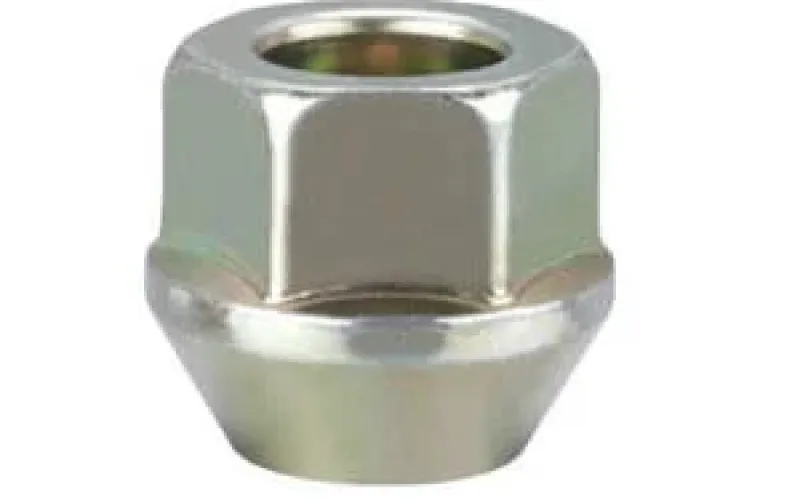
You will find several types of lug nuts and lug bolts, each designed for specific wheels and vehicles. Some types include conical seat, ball seat, and flat seat lug nuts. Other types, like spline drive or tuner lug nuts, offer extra security or fit special wheels. Knowing the types your car needs helps you keep your wheels safe.
Note: Always use the correct types of lug nuts and lug bolts for your wheels. This ensures a secure fit and helps prevent accidents.
When you use the right types of tire bolts and lug nuts, you help your car stay safe and stable. These small parts make a big difference in how your vehicle handles and how safe you feel on the road.
You will find two main ways to secure your wheel: lug bolts and lug nuts. Each system works differently and fits certain vehicles. Lug bolts thread directly into the hub, while lug nuts screw onto fixed studs. You need to know the differences to choose the right option for your car.
You should check your vehicle’s manual to see which system you have. Knowing the types of lug nuts or lug bolts helps you keep your wheels safe.
You want tire bolts and nuts that last and keep your wheel secure. Manufacturers use different materials to meet these needs. Each material has its own strengths and best uses.
| Material | Strength Characteristics | Applications |
|---|---|---|
| Stainless Steel | Corrosion resistant, slightly stronger than un-hardened steel, susceptible to galling. | General use, marine environments. |
| Steel | Most common, available in various grades (Grade 2, 5, 8), strength varies by grade. | Automotive, construction. |
| Silicon Bronze | Superior corrosion resistance, higher strength than brass, high cost. | Marine environments. |
| Brass | Good corrosion resistance, lower tensile strength, softer metal. | Electrical applications, decorative. |
Steel is the most popular choice for lug bolts and lug nuts in cars and trucks. Stainless steel works well if you need extra protection from rust. Silicon bronze and brass are less common for automotive use but offer special benefits in certain environments.
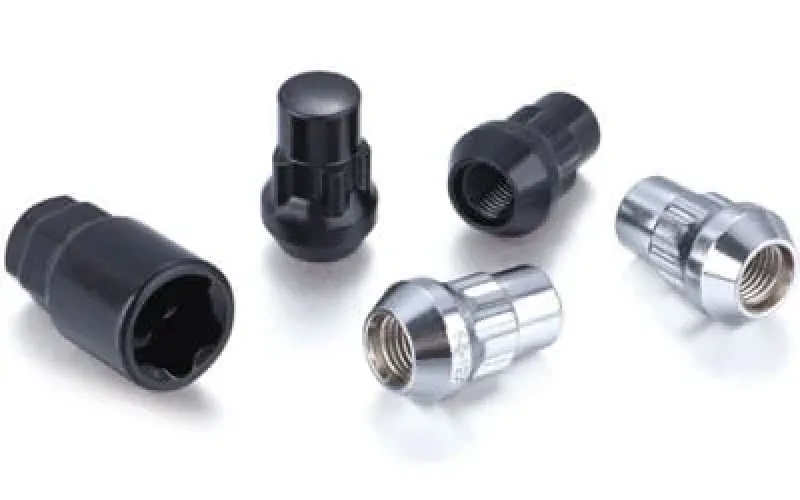
You may want extra security for your wheels. Specialty tire bolts and nuts help protect your investment. Locking bolts and tuner bolts use special designs to stop thieves and keep your wheels safe.
You can choose from many types of lug nuts and lug bolts to match your needs. Some lug nut types focus on style, while others focus on security. When you look at the pros and cons of lug bolts, you see that specialty options add another layer of protection.
Tip: Always use the right lug bolts and nuts for your wheel type. Specialty bolts and nuts can help you avoid theft and damage.
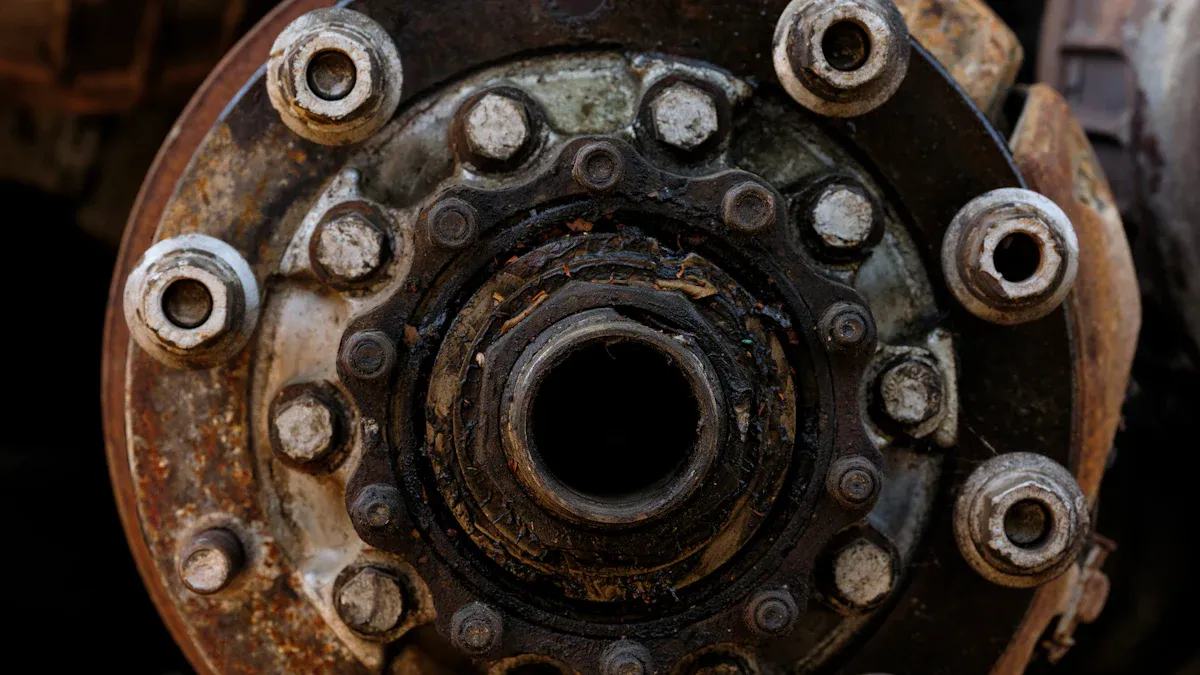
You need tire bolts and nuts that can handle the demands of daily driving. Strong bolts keep your wheel attached, even when you drive over rough roads or hit potholes. Industry standards require these bolts to bear loads between 65-90% of their yield strength. This means your lug nuts and bolts must resist loosening or breaking under pressure. When you use high-quality wheel bolts, you help prevent accidents and keep your vehicle stable. Reliable strength also supports the security of your wheels, especially during sudden stops or sharp turns. Always choose bolts and nuts that meet strict safety standards for the best protection.
Corrosion resistance plays a big role in how long your tire bolts and nuts last. If your bolts rust, they can weaken and fail, putting your wheel at risk. Titanium alloy bolts almost never corrode, so they offer long-term security even in harsh weather. Stainless steel bolts resist rust, but they can still degrade over time. When you pick bolts and nuts with strong corrosion resistance, you lower maintenance costs and boost the security of your wheels. You also avoid problems caused by road salts and extreme temperatures. This keeps your lug nuts and bolts working smoothly and safely.
Tip: Check your bolts and nuts for signs of rust, especially after winter or driving on salted roads. Replace any that show damage to maintain wheel security.
The thread design of your lug nuts and bolts affects how well they hold your wheel in place. You can choose between coarse and fine threads. Coarse threads have a bigger gap between the tap drill and tap size, which can change the fit and security. Fine threads have a smaller gap, so they often provide a tighter, more secure fit. Some bolts use threadlockers, which are adhesives that help keep the connection tight. However, you should always use the right torque and not rely only on adhesives. Proper thread design and fit help your wheel bolts and nuts resist vibrations and stay secure, even on bumpy roads.
When you pay attention to these features, you help ensure the security and safety of your wheels every time you drive.
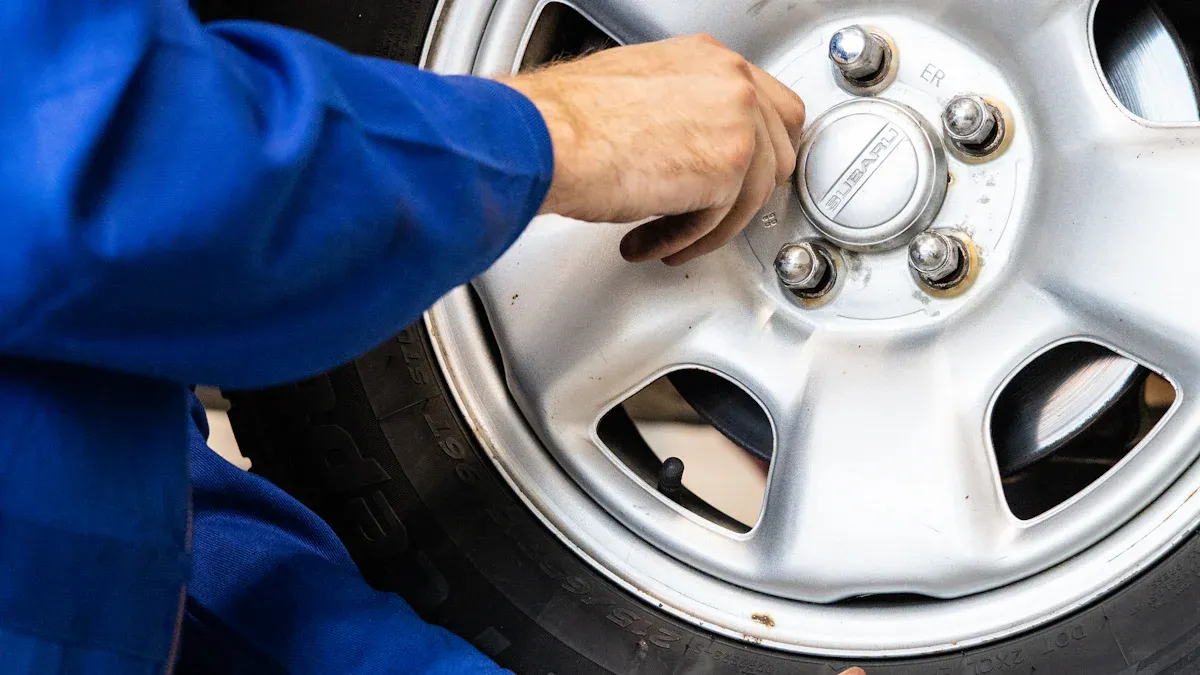
You need to use the right torque when tightening lug nuts and lug bolts. This step is important for proper installation and safe driving. If you use too little torque, the wheel may come loose. Too much torque can damage the bolts or nuts. Most passenger vehicles require a torque between 80 to 120 ft-lb. Always check your vehicle’s owner’s manual for the exact number. Using a torque wrench helps you get the correct tightness every time. This tool also makes the installation process easier and more accurate.
Tip: Regular torque checks help you avoid problems with wheel bolts and nuts. After installation and removal, check the torque again to make sure everything stays secure.
You should inspect your lug nuts and lug bolts often. This habit keeps your wheels safe and helps you spot issues early. Follow these steps for best maintenance:
Regular inspection and timely replacement of damaged bolts or nuts prevent accidents. This routine also supports convenience during tire changes. When you maintain lug nuts and wheel bolts, you extend the life of your wheels and improve vehicle compatibility.
Look for signs of wear or damage on your lug nuts, lug bolts, and wheel bolts. Damaged fasteners can cause unsafe driving conditions. Watch for these warning signs:
If you see any of these problems, consider replacing damaged fasteners right away. Proper maintenance and quick replacement keep your wheels secure. Always choose bolts and nuts that match your vehicle compatibility for the best results.
You rely on tire bolts and lug nuts to keep your wheels attached to your vehicle. When you install lug bolts and nuts correctly, you create a strong clamping force. This force holds the wheel tightly against the hub. If you do not apply enough torque, the clamping force drops. The wheel can then separate from your vehicle. Over-torquing can also cause problems. It may lead to low clamping force, which puts your safety at risk.
Many safety studies show that most wheel separations happen because of fastener failure. Loosened lug nuts or bolts cause 85% of these incidents. Improper tightening or using the wrong torque often leads to these failures. You can prevent wheel detachment by following these steps:
A report from the Institute of Road Transport Engineers found that 3% of vehicles experience wheel bolt failure each year. Over 6% of hubs show signs of problems from poor installation or maintenance. You can avoid these risks by checking your lug bolts and nuts regularly.
Wheel fastener detachment remains a leading cause of wheel separation. When you lose clamping force, the nuts can unwind, and the wheel may detach.
Tire bolts and lug nuts do more than just hold the wheel in place. They help keep your vehicle stable on the road. When you use the right lug bolts and nuts, you spread the load evenly across the wheel. This even distribution reduces vibrations and keeps your ride smooth. If you use the wrong bolts or nuts, you may notice shaking or wobbling while driving.
Properly installed lug bolts and nuts also protect other parts of your vehicle. They prevent extra stress on the suspension and wheel bearings. If you ignore maintenance, you risk damaging these parts. Failures in wheel bearings or suspension can cause the wheel assembly to collapse. You can keep your vehicle stable by:
You help your vehicle handle turns, bumps, and sudden stops when you keep your lug bolts and nuts in good condition.
Safe driving starts with secure wheels. Tire bolts, lug nuts, and lug bolts all play a role in keeping you safe. When you maintain these parts, you lower the risk of accidents. Most wheel loss failures—about 72%—happen because of poor maintenance or abuse. Improper tightening of lug nuts is a common cause.
You can support safe driving by following a few simple habits:
Improper reinstallation of lug nuts after servicing often leads to wheel separation. You can avoid this by double-checking your work and using the right tools. When you take care of your tire bolts and lug nuts, you help everyone stay safe on the road.
You protect yourself and others when you choose the right tire bolts for your vehicle. Follow these steps to select the best option:
Regularly inspect lug nuts and bolts for rust or damage. Over 11,000 tire-related crashes happen each year in the U.S., often due to poor maintenance. You lower the risk of wheel separation and breakdowns by keeping your lug bolts in top condition.
You risk wheel detachment and unsafe driving. Always check your vehicle manual for the correct bolt type. Using the wrong bolt can damage threads and reduce clamping force.
Tip: Match the seat type and thread size for your wheel.
You should inspect tire bolts every time you rotate tires or change wheels. Experts recommend checking them at least once a month.
You can reuse tire bolts if they show no signs of damage. Inspect for wear, rust, or stripped threads before reinstalling.
Note: Replace bolts that look worn or corroded to keep your wheels secure.
Proper torque keeps your wheels attached and prevents bolt failure. Under-torquing can cause loosening. Over-torquing may damage bolts.
| Vehicle Type | Recommended Torque (ft-lb) |
|---|---|
| Passenger Car | 80–120 |
| Light Truck/SUV | 100–150 |
Locking tire bolts use a unique key for installation and removal. Standard tools cannot remove them.
Locking bolts help prevent wheel theft and add extra security for your vehicle.
 Request a quote